
Why Do You Have Oil in Your Air Lines (Oil Carryover)?
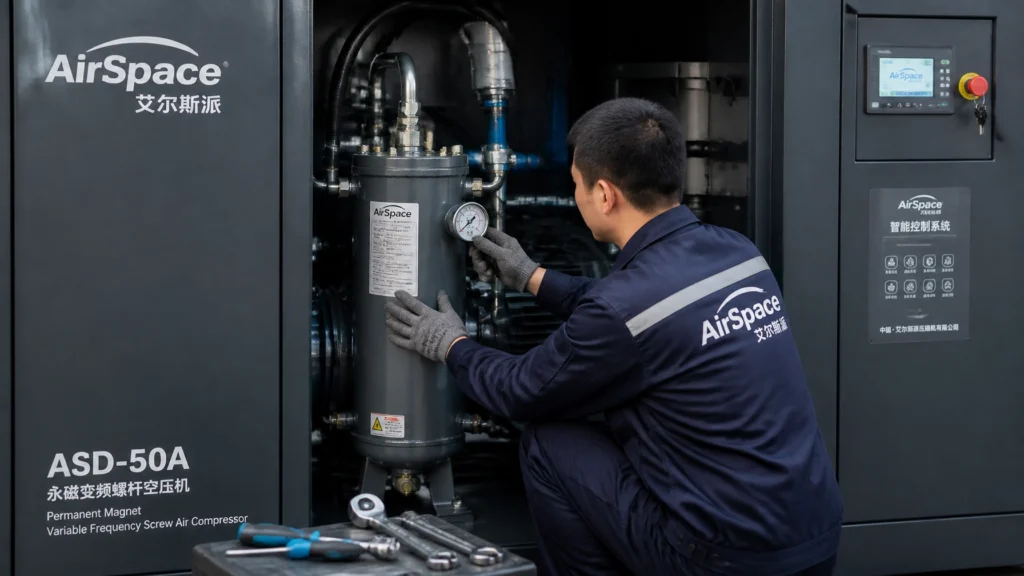
Short answer: Class Zero Air Compressors, or see how high-efficiency systems helped a Vietnam auto parts maker slash energy use by 42%. Written by Penny Winston, Blog Writer, AirSpace Machinery Co., Ltd. — a 4,000 m² compressor manufacturing facility in Shanghai, ISO 9001:2015 certified and CE marked. Reviewed by Richard Moore, Field Technical Manager. Finding […]
How Do You Plug a Leak by Fixing Your Stuck Intake Valve?
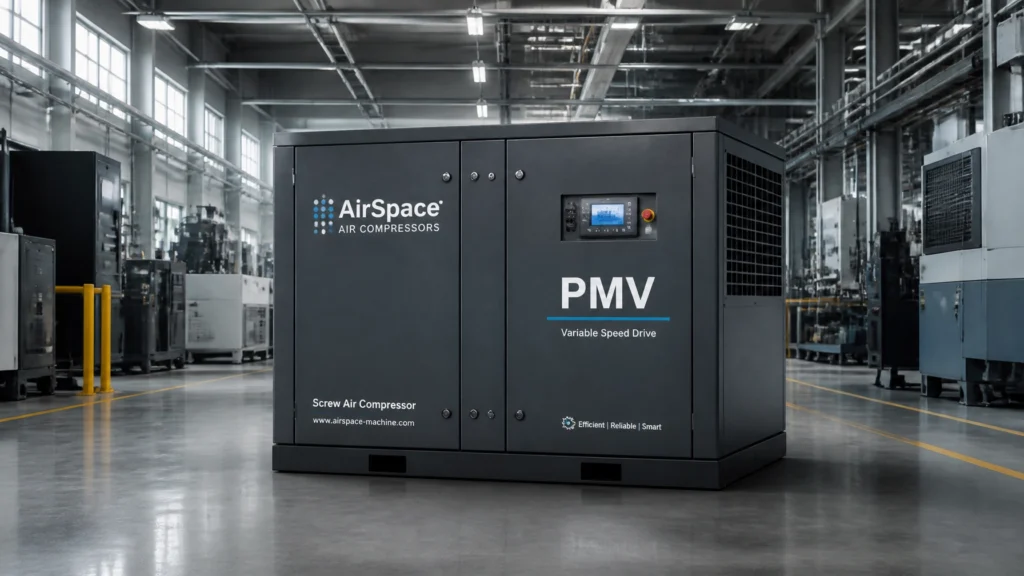
Short answer: Every 2,000 hours, check the solenoid valve and the intake filter. Written by Penny Winston, Blog Writer, AirSpace Machinery Co., Ltd. — a 4,000 m² compressor manufacturing facility in Shanghai, ISO 9001:2015 certified and CE marked. Reviewed by Richard Moore, Field Technical Manager. A stuck intake valve on a screw air compressor typically […]
How to Fix a One-Way Stuck Intake Valve on Your China Made Screw Air Compressor?
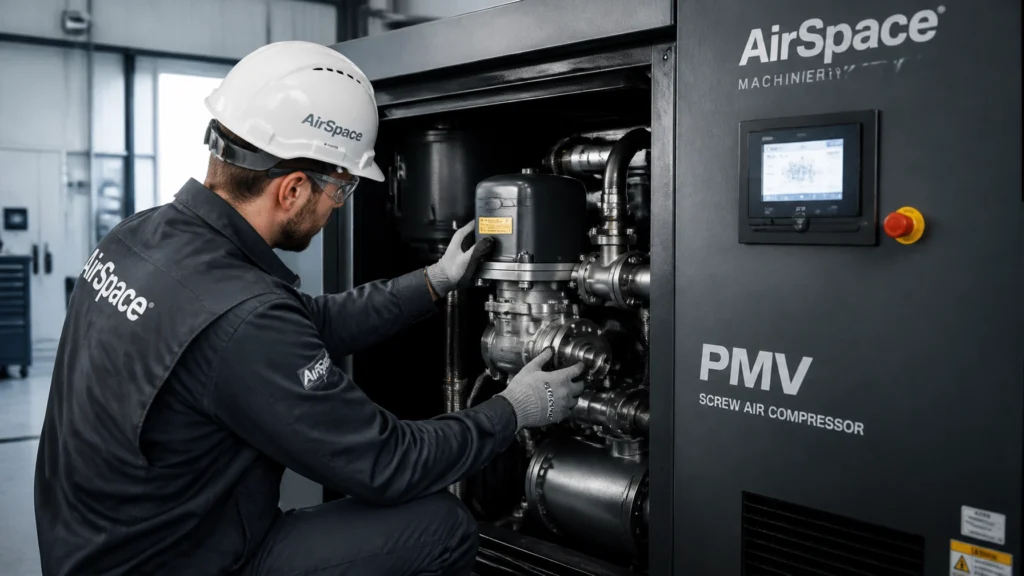
Short answer: Open the manual drain valve to ensure the internal sump pressure is 0.0 bar. Written by Penny Winston, Blog Writer, AirSpace Machinery Co., Ltd. — a 4,000 m² compressor manufacturing facility in Shanghai, ISO 9001:2015 certified and CE marked. Reviewed by Richard Moore, Field Technical Manager. The intake valve is the primary gatekeeper […]
How Do You Stop the Overheating Killer in Your Screw Air Compressor?
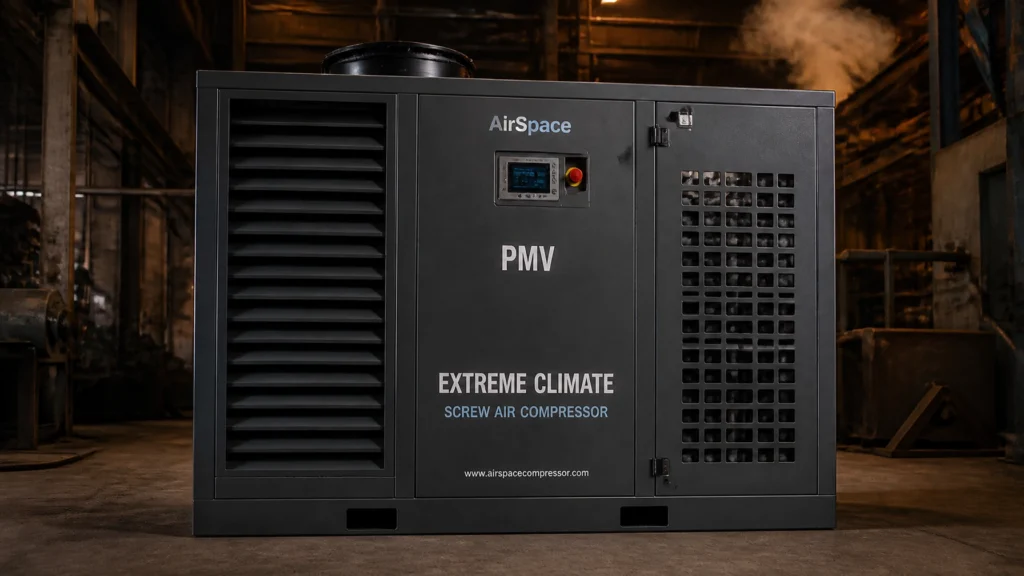
Short answer: Standard legacy brands often struggle when ambient temperatures hit 40°C, leading to what we call the Heat Tax: the hidden cost of lost production during summer months. Written by Penny Winston, Blog Writer, AirSpace Machinery Co., Ltd. — a 4,000 m² compressor manufacturing facility in Shanghai, ISO 9001:2015 certified and CE marked. Reviewed […]
Why Your China Made Screw Air Compressor Won’t Start (And How to Plug the Leak) – FOCUS Series Episode 3?
Short answer: A screw compressor must start "unloaded." If the minimum pressure valve (MPV) or the auto-blowdown valve fails to vent the internal sump pressure after the last shutdown, the motor has to fight against 7 bar of pressure immediately. Written by Penny Winston, Blog Writer, AirSpace Machinery Co., Ltd. — a 4,000 m² compressor […]
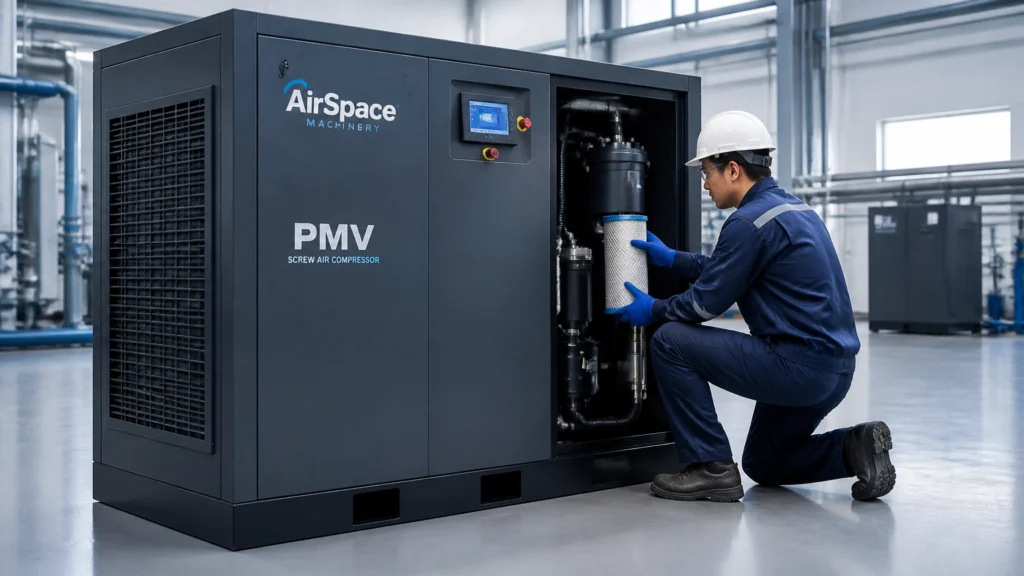
How to Replace Screw Air Compressor Precision Oil Filter Cartridges – FOCUS Series Episode 2?
Short answer: Stacking two gaskets leads to a catastrophic blowout once the system hits 10 bar. Written by Penny Winston, Blog Writer, AirSpace Machinery Co., Ltd. — a 4,000 m² compressor manufacturing facility in Shanghai, ISO 9001:2015 certified and CE marked. Reviewed by Richard Moore, Field Technical Manager. ![Professional maintenance of an AirSpace Machinery PMV […]
How do you Change Air Filters, Oil Filters & Air/Oil Separators on a Screw Air Compressor – FOCUS Series Episode 1?
Short answer: A clogged separator can increase discharge pressure requirements by 1 bar, leading to a 7-10% spike in energy costs. Written by Penny Winston, Blog Writer, AirSpace Machinery Co., Ltd. — a 4,000 m² compressor manufacturing facility in Shanghai, ISO 9001:2015 certified and CE marked. Reviewed by Richard Moore, Field Technical Manager. 🟢 $9,400 […]
What Should You Check in an Oil-Free Air Compressor in 2026?
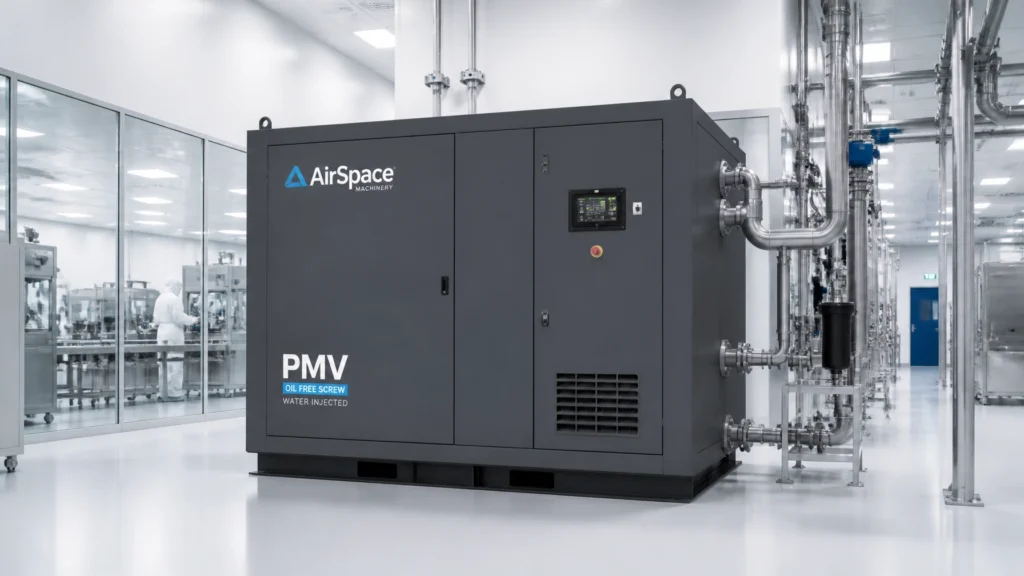
Short answer: Food conveying, fermentation support systems, textile air-jet processes, and some packaging lines may only need 2 to 5 bar, but they often need a lot of volume. Written by Penny Winston, Blog Writer, AirSpace Machinery Co., Ltd. — a 4,000 m² compressor manufacturing facility in Shanghai, ISO 9001:2015 certified and CE marked. Reviewed […]
How Does Class 0 PMV Plug the $36,960/Year Filter Robbery?
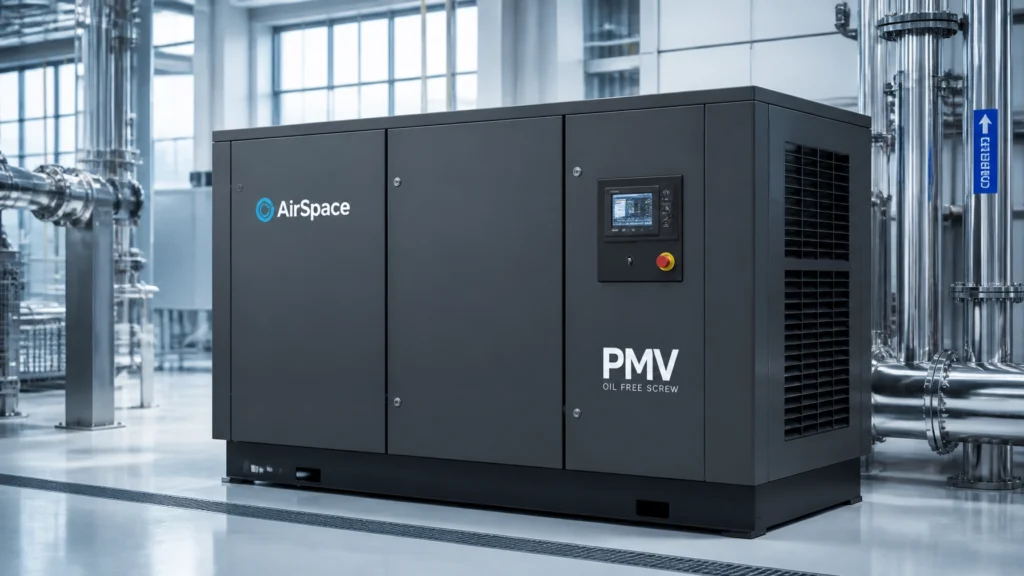
Short answer: A complete set of medical-grade filtration elements for a 75kW unit costs approximately $4,500. Written by Penny Winston, Blog Writer, AirSpace Machinery Co., Ltd. — a 4,000 m² compressor manufacturing facility in Shanghai, ISO 9001:2015 certified and CE marked. Reviewed by Richard Moore, Field Technical Manager. In the world of high-purity manufacturing, […]
Is Your Nitrogen Supplier Robbing You?
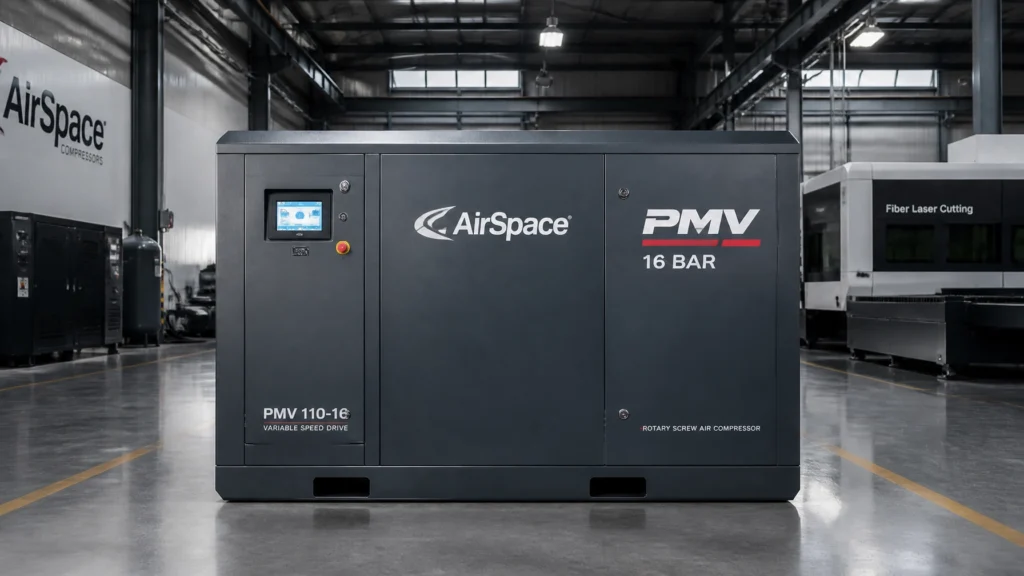
Short answer: The PMV technology maintains pressure within ±0.1 bar, preventing the "pressure dip" that causes piercing failures. Written by Penny Winston, Blog Writer, AirSpace Machinery Co., Ltd. — a 4,000 m² compressor manufacturing facility in Shanghai, ISO 9001:2015 certified and CE marked. Reviewed by Richard Moore, Field Technical Manager. If you are running a […]