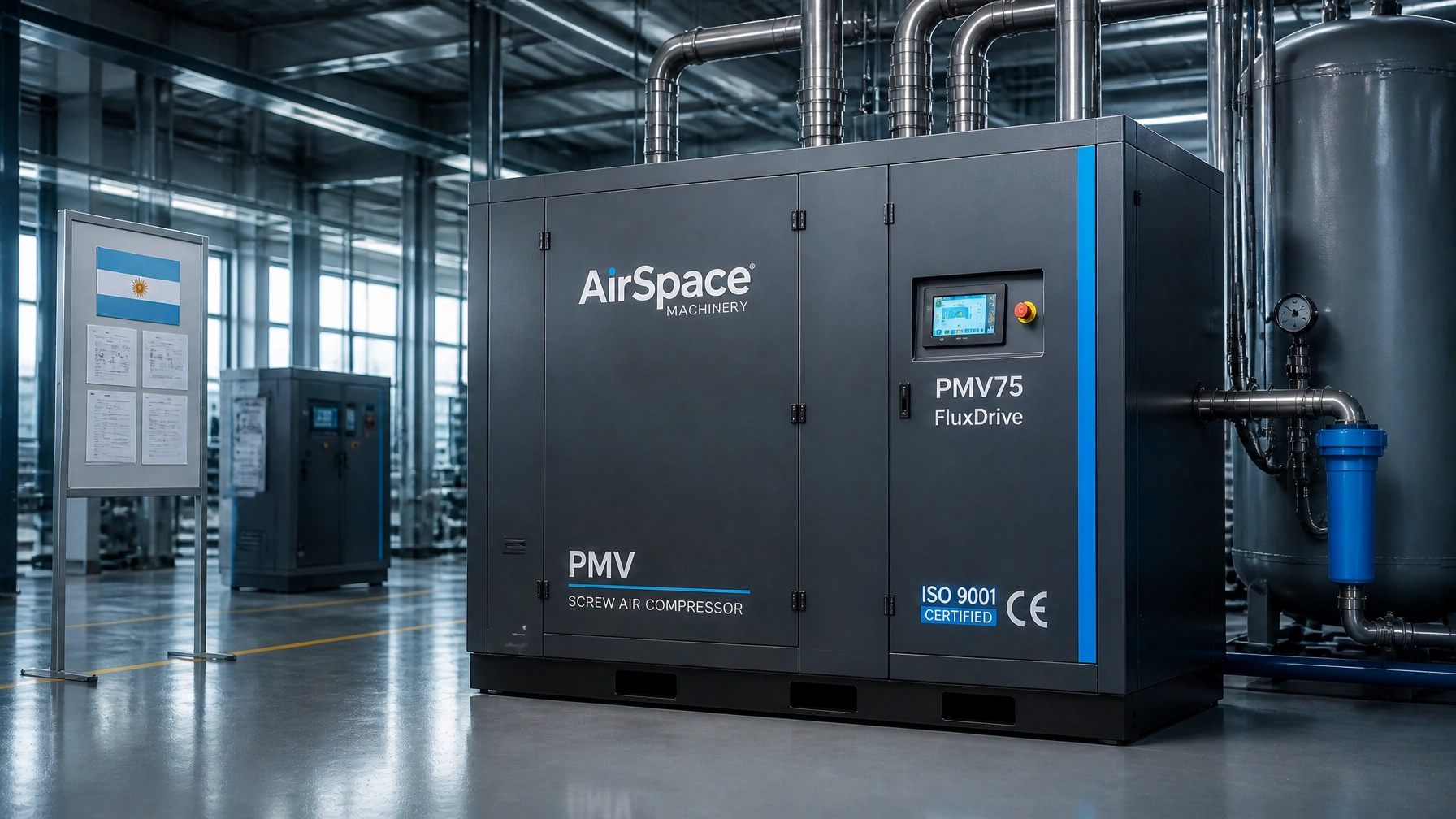
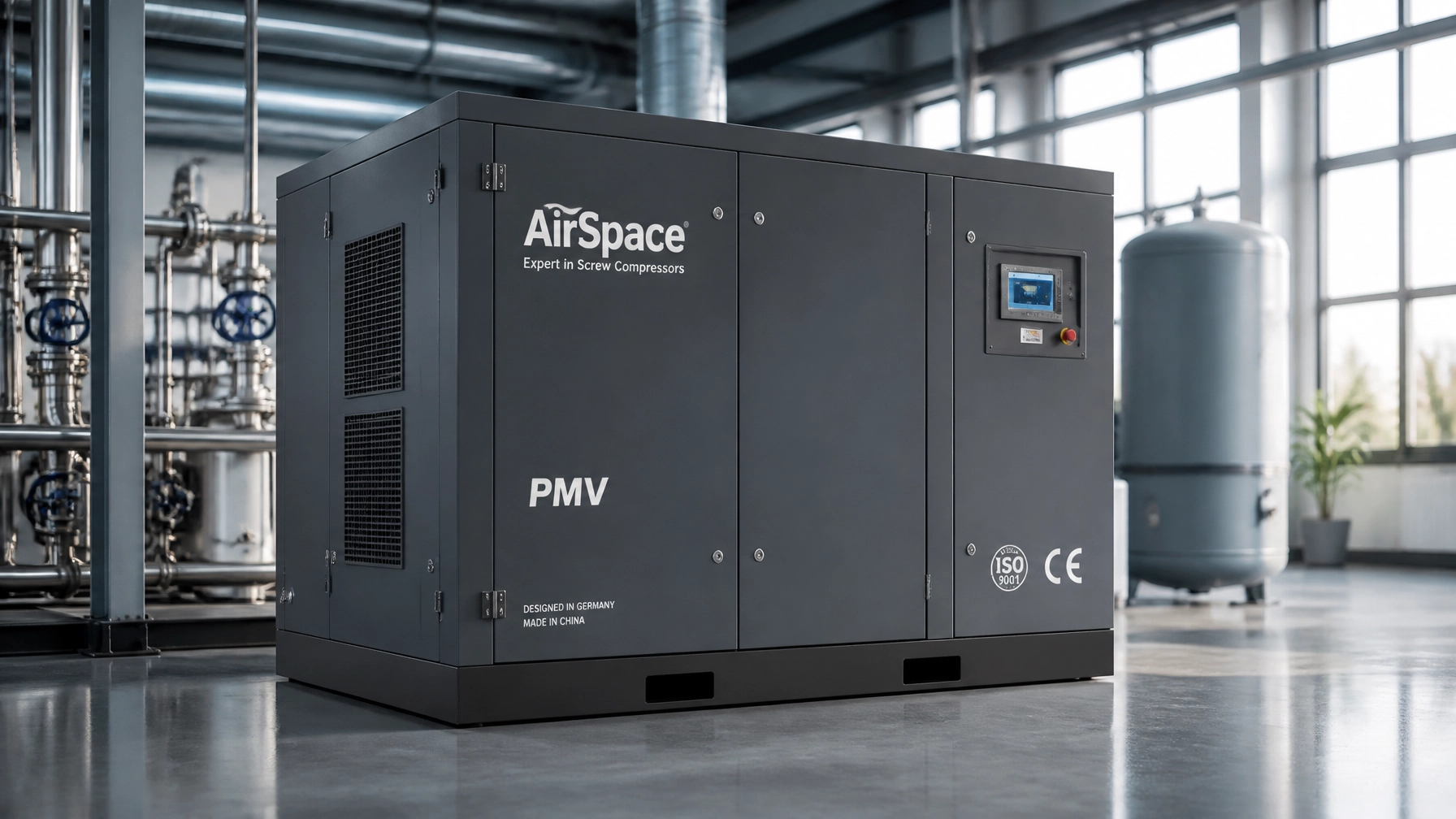
In industrial manufacturing, a high-temperature trip is more than just a nuisance alarm: it is a $8,700 production robbery in the form of unplanned downtime and accelerated component wear. The direct answer to why your compressor is overheating is almost always a cooling deficiency. Specifically, a restricted oil cooler or a stuck thermal bypass valve prevents the system from shedding the 85°C to 110°C heat generated during the compression cycle.
If your discharge temperature rises 10°C above your established baseline, the clock is ticking on your machine’s lifespan. This guide, Episode 4 of our FOCUS series, provides a technician-level diagnostic framework to identify the root cause before the safety sensor kills your power.
The 6 Root Causes of Screw Compressor Overheating
- Dirty Oil Cooler: The Number One Heat Killer
The oil cooler (radiator) is the heart of the cooling system. In most China made screw air compressor units, the cooler is an aluminum plate-fin design. Over time, ambient dust and oily mist coat these fins, creating an insulation layer. Even a 1mm layer of dust can reduce heat transfer efficiency by 30%.
Solution: Clean the cooler fins every 500 to 1,000 hours using compressed air blown from the inside out. For stubborn grease, use a non-corrosive coil cleaner, but never use high-pressure water on a hot cooler, as the thermal shock can crack the fins. - Low Oil Level or Incorrect Viscosity
Oil in a screw compressor is not just a lubricant; it is the primary coolant. It absorbs the heat of compression directly from the air end. If the oil level is below the sight glass minimum, there is less volume to absorb heat, leading to rapid temperature spikes. Furthermore, using the wrong oil grade (viscosity) can cause higher friction or poor flow through the cooler.
Solution: Check the oil sight glass while the unit is loaded. Top up only with the manufacturer-specified grade to maintain the 35% Energy Delta efficiency. - Faulty Thermostatic Bypass Valve
The thermal valve acts like a traffic cop for your oil. When the oil is cold, it bypasses the cooler to reach operating temperature quickly. As the oil heats up, the valve should close the bypass and force oil through the radiator. If the wax element inside fails or sticks, oil will continue to bypass the cooler even when the system is red-lining.
Solution: Use an infrared thermometer to measure the temperature of the oil lines entering and leaving the cooler. If the inlet line is hot but the outlet is equally hot while the machine is tripping, the valve is likely stuck. - Poor Ventilation and High Ambient Temperatures
Your compressor room must breathe. If the room is too small or lacks adequate exhaust ducting, the compressor will ingest its own hot exhaust air. This creates a feedback loop of rising heat known as a thermal short-circuit.
Solution: Measure the ambient room temperature. If it exceeds 40°C, your ventilation is insufficient. Ensure the intake air is pulled from a cool, clean source and the exhaust is ducted away from the intake. - Clogged Oil Filter
A restricted oil filter limits the flow rate of the coolant reaching the air end. Less oil flow means less heat removal. This is often accompanied by a higher differential pressure (delta-P) reading on the control panel.
Solution: Replace the oil filter every 2,000 hours or whenever the delta-P exceeds 0.5 bar. Refer to Episode 2 of this series for the specific filter replacement protocol. - Failed Cooling Fan or Fan Motor
On air-cooled units, the fan provides the vital airflow across the cooler. A broken belt, a burned-out motor, or a damaged fan blade will result in an immediate and catastrophic temperature rise.
Solution: Listen for unusual mechanical noises. Check the fan belt tension monthly and ensure the fan rotation matches the directional arrow on the housing.
Step-by-Step Diagnostic Flow for Technicians
When the high discharge temperature alarm sounds, follow this logical sequence:
- Check the Display: Note the exact discharge temperature. Is it climbing steadily or spiking suddenly?
- Measure Ambient Temperature: Is the room itself the problem? Anything over 45°C is a red zone for standard units.
- Inspect the Cooler Surface: Use a flashlight to look through the fins. If you can’t see light on the other side, it’s blocked.
- Check the Oil Sight Glass: Verify the level is between the marks while running.
- Inspect the Fan: Confirm the fan is spinning at full speed and moving air in the correct direction.
- Test the Thermostat: Feel the cooler hoses. A significant temperature difference between inlet and outlet indicates the cooler is working; no difference indicates a valve or flow issue.
Common Maintenance Mistakes to Avoid
- Cleaning the Cooler with Water While Hot: As mentioned, this causes thermal shock. Always let the unit cool down before using liquid cleaners.
- Assuming No Leak Means Sufficient Oil: Some compressors suffer from oil carryover, where oil is consumed and sent downstream. Even without a visible external leak, your oil level could be dangerously low.
- Replacing the Air End Without Checking the Cooler: Overheating is rarely caused by the air end itself unless the bearings have already failed. Always rule out the cooling circuit first.
Technical Pro Tip: Establish Your Thermal Baseline
Every factory has a different “normal.” After a full maintenance cycle (new filters, fresh oil, clean cooler), record your discharge temperature at full load. This is your baseline. If you notice a rise of 5°C to 10°C above this baseline over a few weeks, investigate immediately. Do not wait for the 105°C alarm to shut down your production line.
Engineering Freedom with AirSpace PMV Technology
Standard legacy brands often struggle when ambient temperatures hit 40°C, leading to what we call the Heat Tax: the hidden cost of lost production during summer months. AirSpace Machinery addresses this by engineering our PMV screw air compressors for extreme climates.
Our systems feature oversized aluminum coolers and high-static pressure fans, rated for continuous operation in ambient temperatures up to 55°C. Combined with our Permanent Magnet technology, which generates less internal motor heat than standard induction motors, we deliver a 35% Energy Delta and 99.9% uptime even in the harshest industrial environments.
If your current system is bleeding money due to thermal trips, it is time to upgrade to a solution designed for the real world.
Reviewed by Engineering.
Internal Knowledge Loop:
- Master Hub: The 2026 Industrial Efficiency & Purity Handbook
- Episode 1: How to Change Air Filters and Separators
- Episode 2: Replacing Precision Oil Filter Cartridges
Author: Penny Winston
Penny Winston is a Technical Writer at AirSpace Machinery, specializing in The 35% Energy Delta and The Fourth Utility Concept. With a focus on ISO 8573-1 Class 0 Integrity, she helps global manufacturers eliminate the Industrial Tax through smarter engineering and proactive maintenance.
Get a Proposal for an Extreme Climate rated system today.
📅 Last updated:
⚡ Is Your Factory Bleeding Cash?
Most fixed-speed compressors waste $3,600/year in "Unload Tax." Test your waste level in 30 seconds.
RUN THE ROI TEST →Ready to See How Much Your Facility Can Save?
Fill out the form below for a Free Energy Assessment.