Turkish industrial importers are currently facing a digital gatekeeper that can freeze millions in capital overnight: TAREKS. As of January 1, 2026, the Turkish Ministry of Trade has abolished the legacy out-of-scope loopholes for machinery, making every single air compressor shipment subject to individual digital evaluation and potential physical inspection. For a standard 50HP screw compressor, a single documentation mismatch in the TAREKS portal can lead to a 21-day "Red Lane" delay, costing importers upwards of $12,500 in warehouse fees, demurrage, and lost production uptime.
To clear customs in Istanbul Ambarli, Kocaeli, or Mersin, a China made screw air compressor must demonstrate absolute alignment between its physical CE plate, its Turkish-language user manual, and its digital Technical File. This guide provides the definitive 2026 blueprint for navigating TAREKS (Risk-Based Trade Control System) and CE certification to ensure your air system is an asset, not a customs liability.
The TAREKS Gatekeeper: Turkey's Digital Border for 2026
TAREKS is the mandatory electronic platform used by the Turkish Ministry of Trade to monitor the safety and quality of imported goods. For air compressors categorized under GTIP (HS Code) 8414, TAREKS acts as the ultimate filter.
The most significant change for 2026 is the abolition of the "Fixed Out-of-Scope" reference number. In previous years, certain low-risk or specific-use compressors could bypass intensive checks using a pre-determined code. That era has ended. Under the new 2026/32 Communiqué, every shipment must be uploaded to TAREKS on a case-by-case basis. The inspection unit, not the customs broker, now decides if a unit is truly out-of-scope or requires a full "Red Lane" physical inspection by the Turkish Standards Institution (TSE).
Without a valid 23-digit TAREKS reference number, the Turkish Single Window system will not allow a customs declaration to proceed. This makes the accuracy of the manufacturer's technical dossier the single most important factor in your supply chain velocity.
CE Certification: The Non-Negotiable Standard of Entry
Turkey is part of the Customs Union with the European Union, meaning it harmonizes its technical requirements with EU Directives. For any air compressor to enter the Turkish market, it must bear the CE mark and be supported by a comprehensive Declaration of Conformity (DoC).
The 2026 regulatory landscape requires compliance across four critical pillars:
- Machinery Directive (2006/42/EC): The primary safety standard for all industrial air compressors. Note that the industry is currently preparing for the transition to the new EU 2023/1230 Machinery Regulation in early 2027.
- Low Voltage Directive (LVD 2014/35/EU): Mandatory for all electrical components and wiring safety.
- Electromagnetic Compatibility (EMC 2014/30/EU): Ensures the compressor does not interfere with other factory electronics and is resistant to local grid fluctuations.
- Pressure Equipment Directive (PED 2014/68/EU): This is where many budget suppliers fail. Every air receiver tank and oil separator vessel must have its own PED certification and CE marking, integrated into the main unit’s technical file.
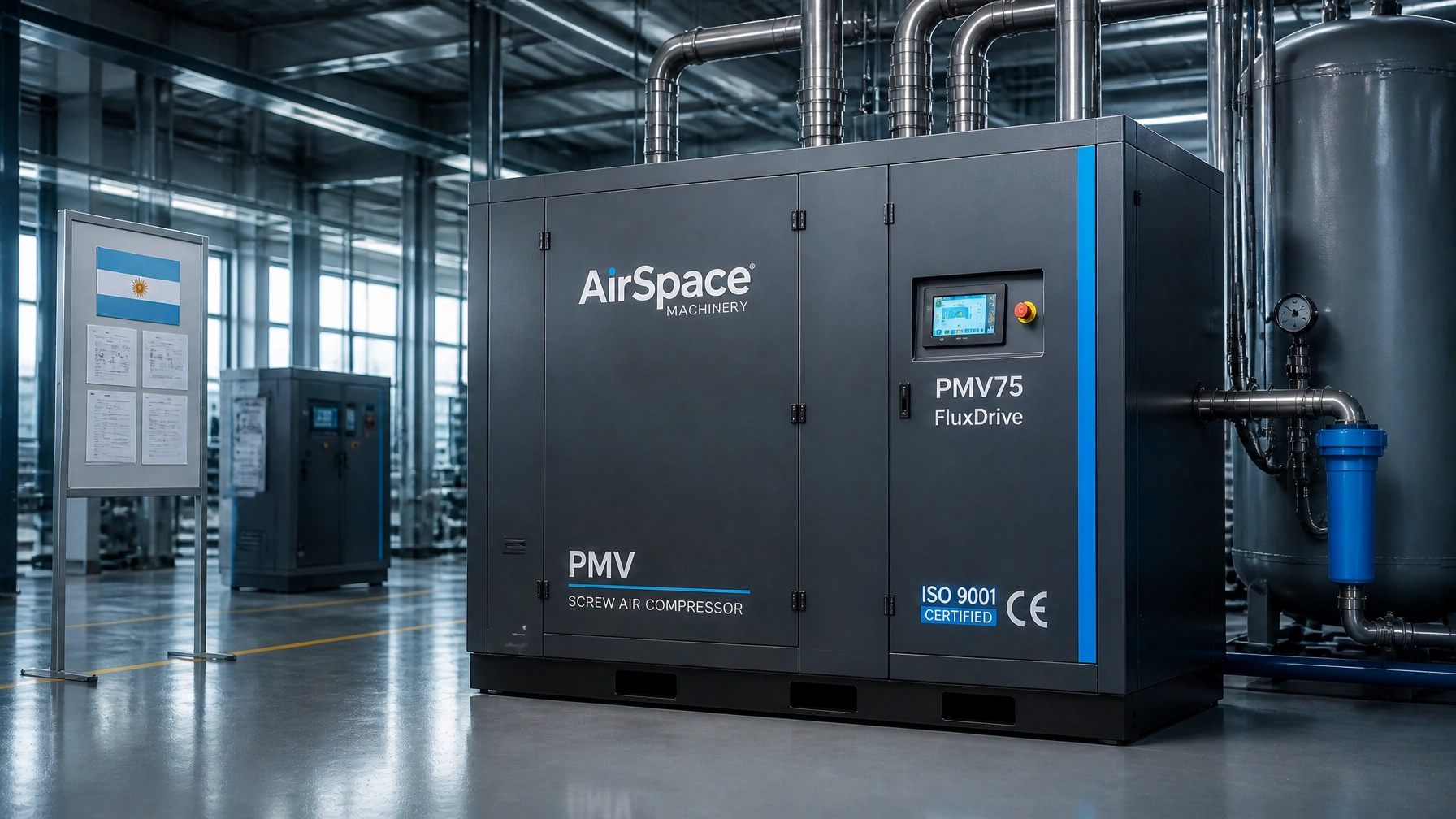
At AirSpace Machinery, we ensure every PMV screw compressor is built to ISO 8573-1 Class 0 Integrity standards where required, with all pressure vessels meeting the strict PED safety margins necessary for immediate TSE approval.

The TAREKS Inspection Flow: Green Lane vs. Red Lane
When an importer submits data into TAREKS, the system performs a real-time risk analysis. The outcome determines the speed and cost of your customs clearance.
The Green Lane (Automatic Approval) is the goal. This occurs when the importer has a clean history and the manufacturer (like AirSpace Machinery) provides a pre-validated documentation pack that triggers no red flags. Approval is often granted within minutes, issuing the TAREKS reference number immediately.
The Red Lane (Physical Inspection) involves the Turkish Standards Institution (TSE). If flagged, an inspector will visit the bonded warehouse to physically verify the compressor. They look for:
- Visible and durable CE plates that match the uploaded DoC.
- The presence of a physical Turkish user manual.
- Consistency between the motor specs on the machine and the technical reports in TAREKS.
- 2026 Update: Importers are now frequently required to upload high-resolution photos of the actual goods taken inside the Turkish customs area to the TAREKS portal before inspection.
Step-by-Step: The Turkey Compliance Process
Navigating the 2026/32 Communiqué requires a disciplined, 9-step approach:
Step 1: Classification. Verify the correct GTIP code. Stationary screw compressors typically fall under 8414.80.90.00.11.
Step 2: Registration. The Turkish importer must register in TAREKS with a qualified electronic signature.
Step 3: Dossier Preparation. The manufacturer (AirSpace) compiles the Technical File, including DoC, PED certificates, and accredited test reports (EN 60204-1).
Step 4: Pre-Shipment Check. Ensure the Declaration of Conformity is dated on or before the Bill of Lading date. TAREKS will reject any DoC dated after the ship has sailed.
Step 5: TAREKS Upload. The importer uploads the technical data and product photos to the portal upon arrival (or slightly before).
Step 6: Risk Assignment. The system assigns the shipment to a lane.
Step 7: Physical Inspection (if Red Lane). TSE inspectors verify the equipment in the bonded warehouse.
Step 8: Reference Issuance. TAREKS issues the 23-digit reference number.
Step 9: Final Clearance. The reference number is entered into the Single Window system, and KDV (VAT) is paid.

Import Duties and Taxes: The 2026 Economic Reality
While Turkey's trade relationship with the EU allows for duty-free movement via the A.TR certificate, goods originating from China operate under different rules. For a China made screw air compressor, importers must account for the following 2026 fiscal landscape:
| Category | GTIP / HS Code | Import Duty (MFN) | VAT (KDV) | 2026 Surveillance |
|---|---|---|---|---|
| Stationary Screw | 8414.80.90.00.11 | ~0% – 2.2% | 20% | N/A (unless w/ tank) |
| Piston / Reciprocating | 8414.30.20.00.00 | ~4% | 20% | $90/unit Min. Value |
| Portable Diesel | 8414.80.22.00.19 | ~2.2% | 20% | Mandatory TAREKS |
KDV (VAT) at 20% is the most significant "tax" on your industrial capital. Furthermore, Communiqué 2026/9 has introduced a surveillance regime for compressors with integrated air tanks, setting a minimum customs value of $90 per unit. Declaring below this value triggers an immediate "Surveillance Certificate" requirement, which adds weeks to the timeline.
Mandatory Technical Documentation for Turkish Entry
To avoid the common "TAREKS Robbery", where your goods are held hostage by missing paperwork, ensure your manufacturer provides:
- EU Declaration of Conformity (DoC): Must be signed, stamped, and perfectly match the invoice description.
- Accredited Test Reports: Specifically for LVD (Electrical Safety) and EMC. These should reference EN 60204-1 and relevant ISO standards.
- PED Certification: Documentation for the pressure vessels (air/oil separators) showing they meet 2014/68/EU standards.
- Turkish User Manual: A digital copy for the TAREKS upload and a physical copy inside the compressor's cabinet.
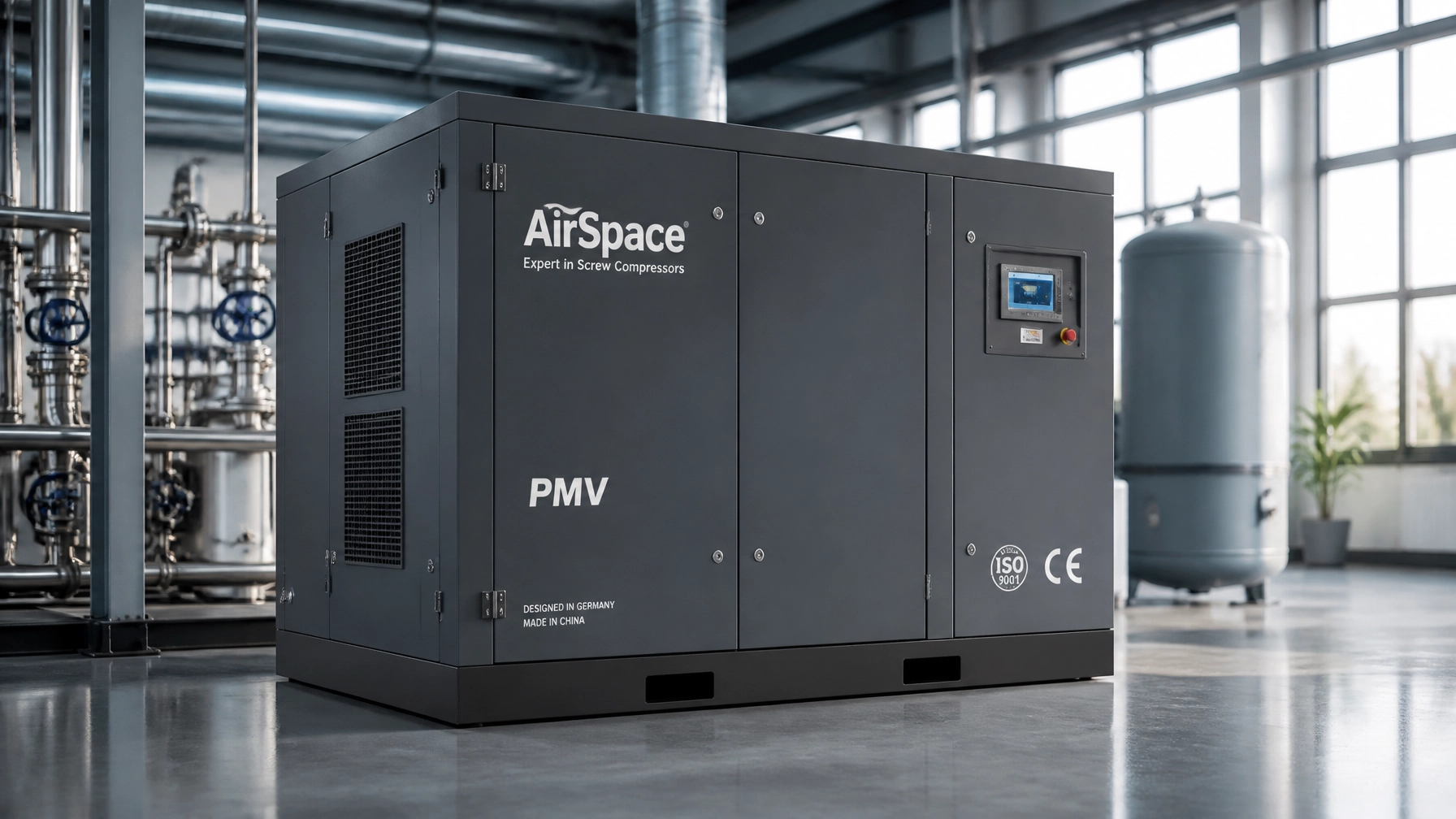
- CE Plate: A permanent, riveted metal plate on the compressor enclosure showing the Model, Serial Number, Year of Manufacture, and the CE logo.

Common TAREKS Rejections and How to Avoid Them
Even seasoned importers fall into these compliance traps:
- The "Date Trap": If your CE Declaration is dated January 15th, but your Bill of Lading is dated January 10th, TAREKS will automatically flag the document as invalid. The certification must exist before the shipment begins.
- The "Translation Leak": Using generic AI translations for your manual can lead to TSE rejection. Turkish regulations require specific safety terminology in the local language.
- The "Spec Mismatch": If the invoice says 37kW but the CE plate says 38kW due to a rounding error, the shipment will be blocked. Every digit must align.
- The "Vessel Oversight": Importing a compressor but forgetting the separate PED certificate for the internal oil separator tank.
Why AirSpace Machinery is the Authority for the Turkish Market
Turkey is a demanding industrial environment. From the high-temperature industrial zones of Bursa and Izmir to the power-intensive textile plants in Adana, your air system needs more than just a certificate, it needs engineering endurance.
AirSpace Machinery supports Turkish importers through:
- TAREKS-Ready Technical Packs: We provide a complete dossier (DoC, Test Reports, PED docs) 14 days before the ship sails, allowing your broker to pre-validate the data.
- 50Hz / 400V Optimization: Our units are engineered for the Turkish grid, utilizing high-tier components that handle the voltage fluctuations common in growing industrial parks.
- Extreme Climate Engineering: Our PMV units are rated for 45°C-50°C ambient operation, essential for the "Heat Tax" regions of the Marmara and Aegean zones.
- The 35% Energy Delta: With Turkish energy prices rising, our Permanent Magnet Variable Frequency technology delivers a measurable 35% energy saving compared to legacy fixed-speed units.
This guide is the final installment in our Global Compliance Series. For deep dives into other markets, explore our blueprints for:
- India BIS Certification Guide 🟢
- Saudi Arabia SABER and SASO Guide 🟢
- Australia & New Zealand RCM and AS/NZS Guide 🟢
- South Africa NRCS and LoA Guide 🟢
- Nigeria SONCAP and PC/SC Guide 🟢
- UAE ESMA and ECAS Guide 🟢
- Brazil INMETRO and NR-13 Guide 🟢
- Mexico NOM and ENER Guide 🟢
Conclusion: Power On, Worry Off in Turkey
Turkey’s TAREKS system is a sophisticated digital filter designed to ensure that only safe, high-quality machinery enters its borders. While it presents a significant hurdle for unprepared importers, it also serves as a quality benchmark. By ensuring your China made screw air compressor is backed by a manufacturer that understands the "Fourth Utility" concept and the rigors of ISO 8573-1 compliance, you eliminate the risk of customs delays and technical failure.
Don't let your industrial expansion be held back by a documentation error. Contact AirSpace Machinery today to receive a TAREKS-ready technical proposal for your next project.
FAQ: Turkey TAREKS and Air Compressor Imports
Q: Is TAREKS mandatory for every air compressor shipment?
A: Yes. As of January 2026, every shipment under HS Code 8414 requires a TAREKS application. Reusable out-of-scope codes have been abolished.
Q: Can I apply for TAREKS after the shipment arrives in Turkey?
A: You must initiate the application at the time of customs entry. However, documentation preparation should happen weeks before the ship sails to ensure the dates on the DoC precede the Bill of Lading.
Q: What is the KDV (VAT) rate for industrial compressors in 2026?
A: The standard industrial rate is 20%. This is calculated based on the CIF value plus any applicable duties.
Q: Does a CE mark guarantee TAREKS approval?
A: No. A CE mark is a prerequisite, but TAREKS involves a digital review of the test reports and technical files behind that CE mark. If the underlying data is incomplete, the CE mark alone will not grant entry.
Q: What happens if TSE rejects my shipment during a Red Lane inspection?
A: If the rejection is due to documentation (like a missing manual), you may be allowed to correct it. If the physical machine is unsafe or lacks a CE plate, the shipment may be ordered for re-export or destruction.
Q: Do I need an A.TR certificate for compressors made in China?
A: No. A.TR certificates are for goods in free circulation within the EU-Turkey Customs Union. China-origin goods clear under MFN (Most Favored Nation) rates unless you are using a specific investment incentive (like a Yatirim Tesvik Belgesi).
Q: How long does a TAREKS reference number remain valid?
A: The reference number is typically used for a single customs declaration. Once used for clearance, its purpose is fulfilled.
Author: Penny Winston
Penny is a Technical Writer at AirSpace Machinery, specializing in the '35% Energy Delta' framework and 'The Fourth Utility' concept. She helps global industrial leaders maintain 'ISO 8573-1 Class 0 Integrity' across complex regulatory landscapes.
Reviewed by Engineering
For real-time updates on industrial air solutions, follow AirSpace Machinery on LinkedIn.
📅 Last updated:
⚡ Is Your Factory Bleeding Cash?
Most fixed-speed compressors waste $3,600/year in "Unload Tax." Test your waste level in 30 seconds.
RUN THE ROI TEST →Ready to See How Much Your Facility Can Save?
Fill out the form below for a Free Energy Assessment.