
How Much Energy is Your Textile Mill Wasting by Using 8-Bar Air for 3-Bar Applications?
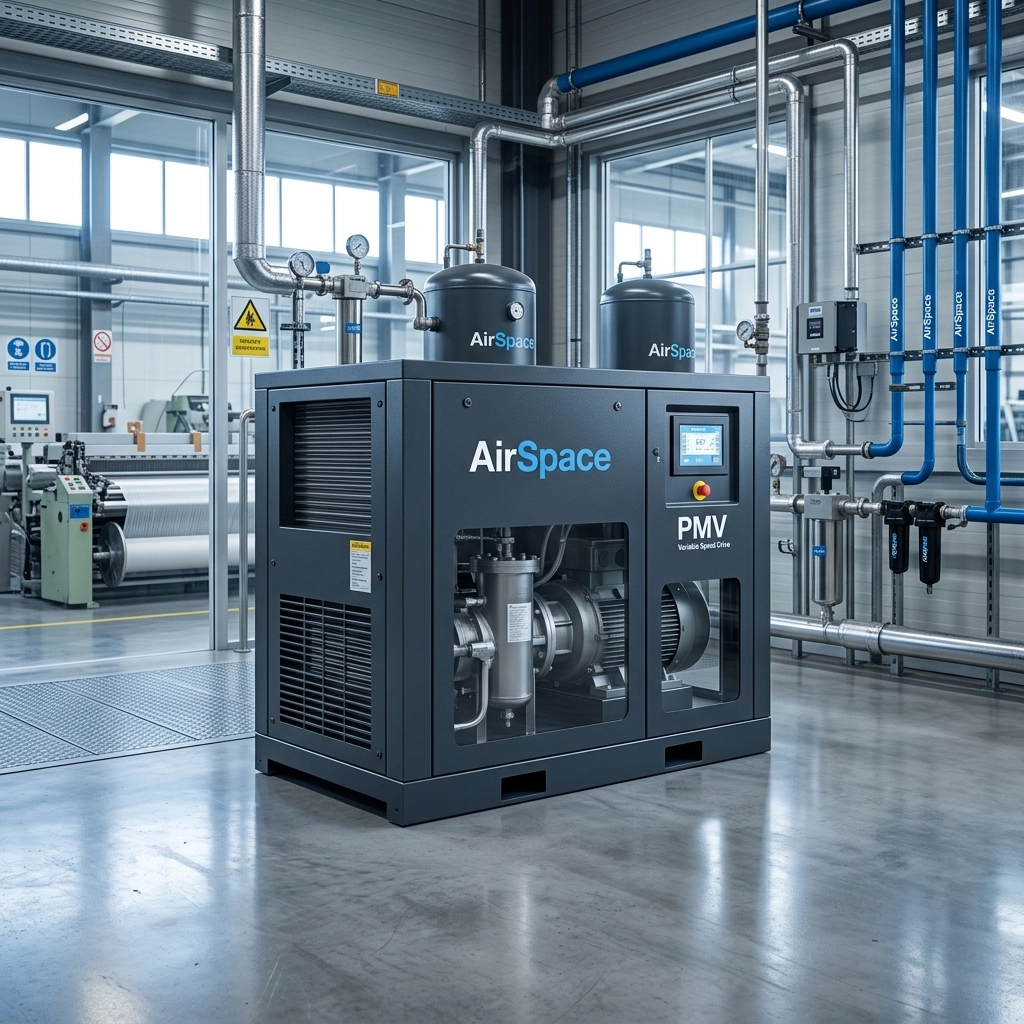
Textile mills typically waste 30% to 35% of their compressed air energy by over-pressurizing their systems. Most textile processes, such as air-jet weaving, spinning, and texturizing, require only 3 to 5 bar of pressure. However, many facilities continue to operate standard 8-bar or 10-bar screw compressors. This "Energy Crime" forces the compressor to work harder […]
The ISO Class 0 Oil-Free Compressor Knowledge : The Definitive Guide for Pharma and Food Processing

Does ISO 8573-1 Class 0 mean zero oil? Yes. In the context of industrial air compressor, ISO 8573-1 Class 0 is the most stringent air quality certification, guaranteeing that the air produced by the compressor contains zero oil contamination from the compression process itself. While Class 1 allows for ≤ 0.01 mg/m³ of oil carryover, […]
The High-Pressure Compressor Knowledge: ISO Class 0 Oil-Free Purity for 20kW+ Fiber Laser Cutting
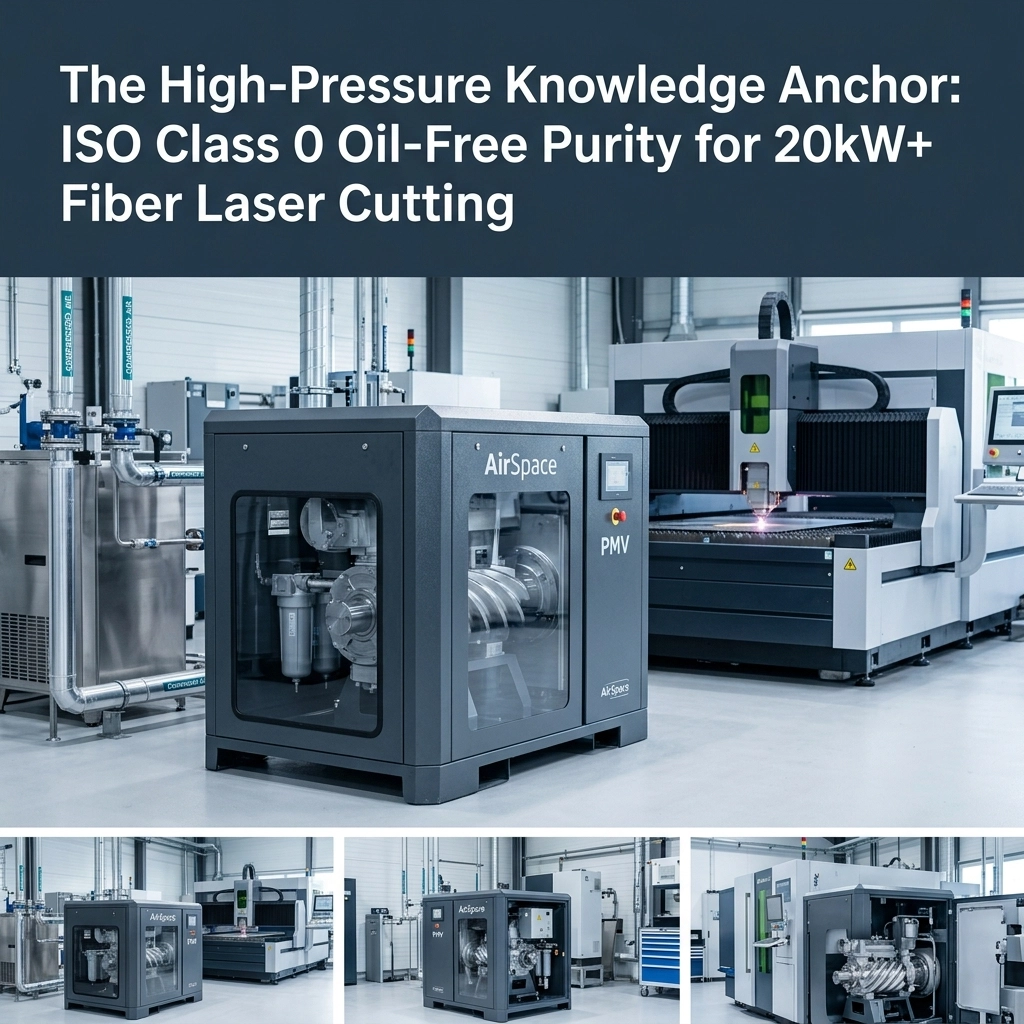
For 20kW+ fiber laser cutting compressor, ISO 8573-1 Class 0 oil-free air is the only technical standard that prevents irreversible optical damage and ensures dross-free production. At power levels exceeding 20kW, the energy density at the cutting head is so high that even trace amounts of oil vapor (measured in parts per billion) will carbonize […]
The 2026 Energy Trap: Why Standard Compressor is Taxing Your Bottom Line
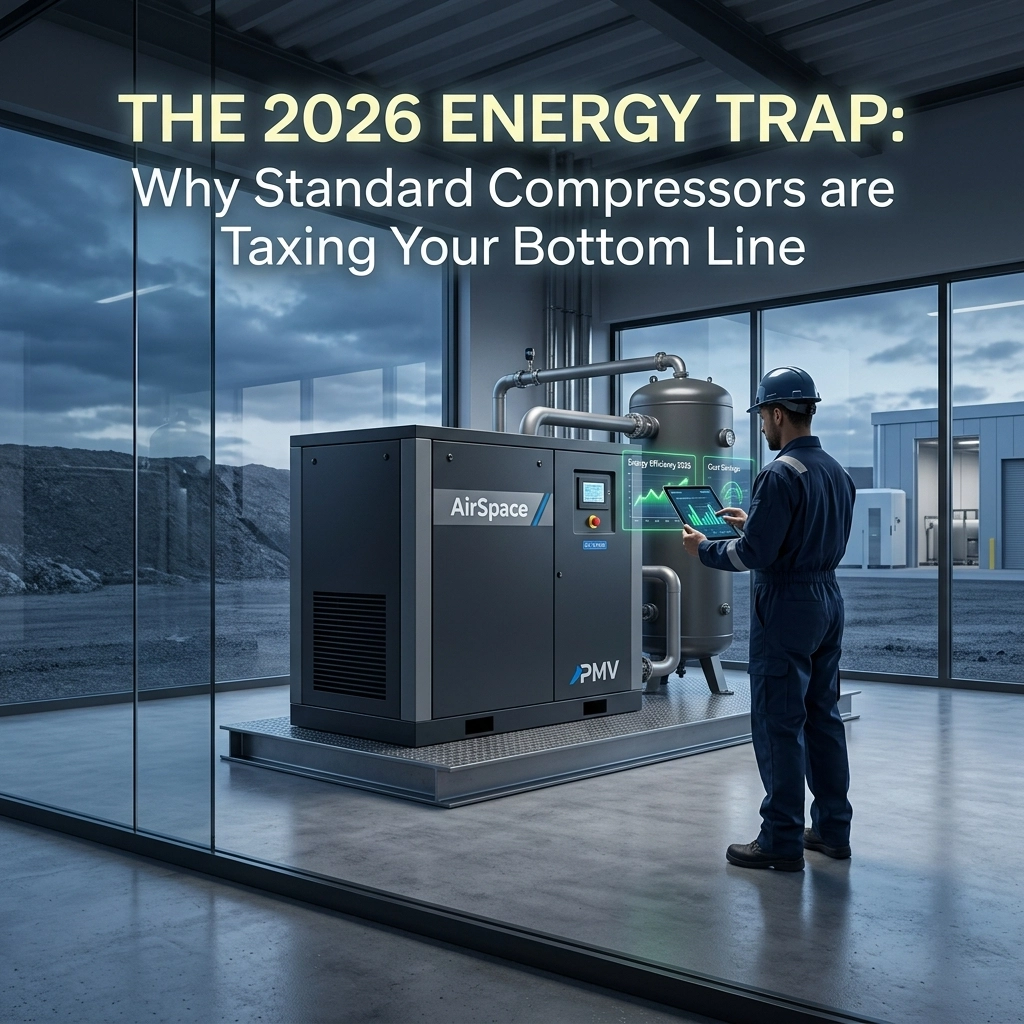
The 2026 Energy Trap is a financial phenomenon where industrial facilities lose 30-50% of their compressed air budget to “unloading losses” and “peak starting currents” inherent in fixed-speed screw compressor. As global energy prices rise and IE4/IE5 efficiency mandates tighten, maintaining a standard fixed-speed unit is no longer a neutral operational choice, it is a […]
The AU/NZ Industrial Energy Manual 2026: Navigating Structural Price Hikes with PMV Efficiency
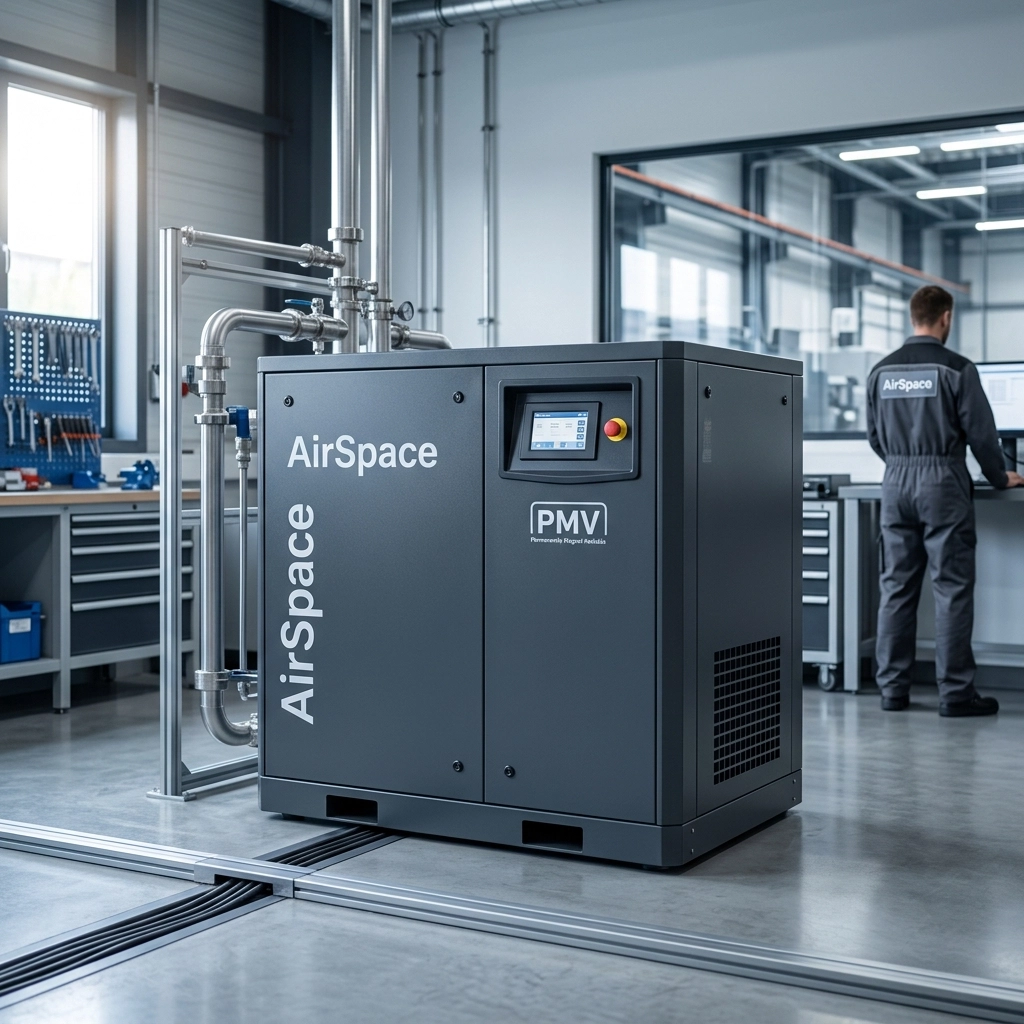
How can industrial operators in Australia and New Zealand survive the 2026 energy price surge? The answer lies in transitioning from legacy fixed-speed systems to Permanent Magnet Variable Frequency (PMV) screw air compressors, which reclaim 30–50% of energy overheads. By leveraging “The 35% Energy Delta,” companies can decouple their operational costs from the structural electricity […]
How Does ISO 8573-1 Class 0 Certification Protect Food Processing Integrity?
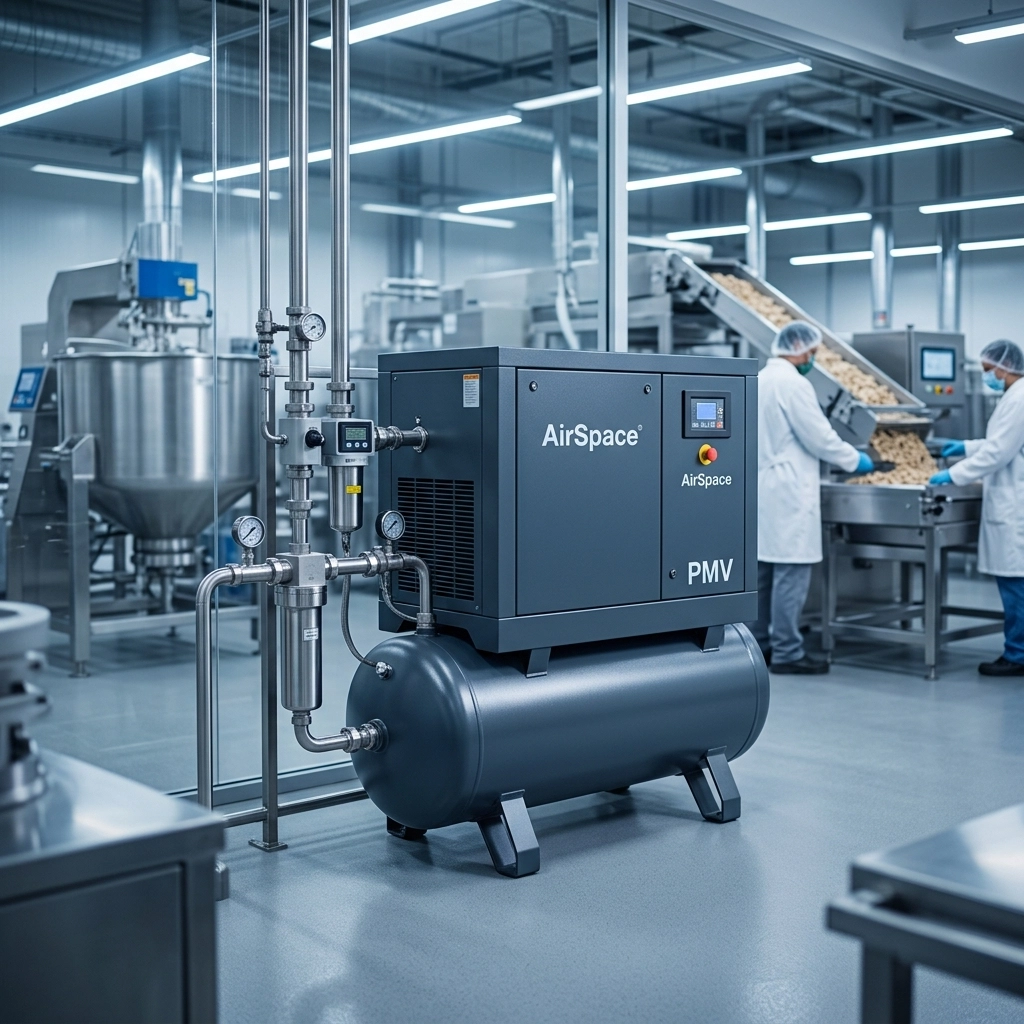
ISO 8573-1 Class 0 certification protects food processing integrity by eliminating the risk of oil contamination in the production stream through certified oil-free screw technology. Unlike lower classes, Class 0 requires oil levels to be strictly lower than Class 1 (0.01 mg/m³), effectively removing hydrocarbons that cause off-flavors, odors, and bacterial growth in food products. […]
Why Are Portable Diesel Compressors the Backbone of Indonesia’s Mining Growth?
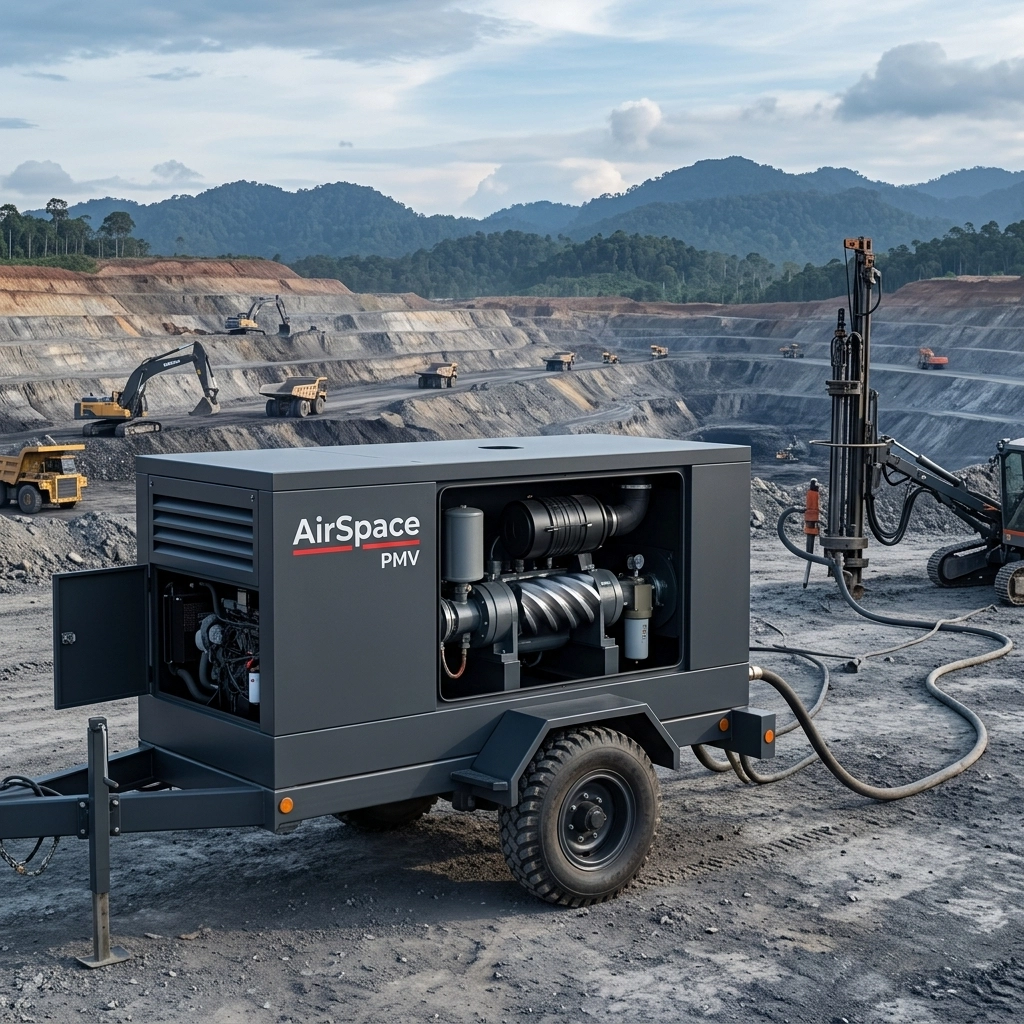
The Short Answer: Portable diesel screw compressors are the backbone of Indonesia’s mining sector because they eliminate reliance on a non-existent or unstable electrical grid in remote regions like Kalimantan and Sulawesi. These units provide 99.9% uptime in 100% humidity environments and offer a critical 7-35 day lead time advantage, allowing mining contractors to scale […]
How Does ISO 8573-1 Class 0 Certification Protect Food Processing Integrity?
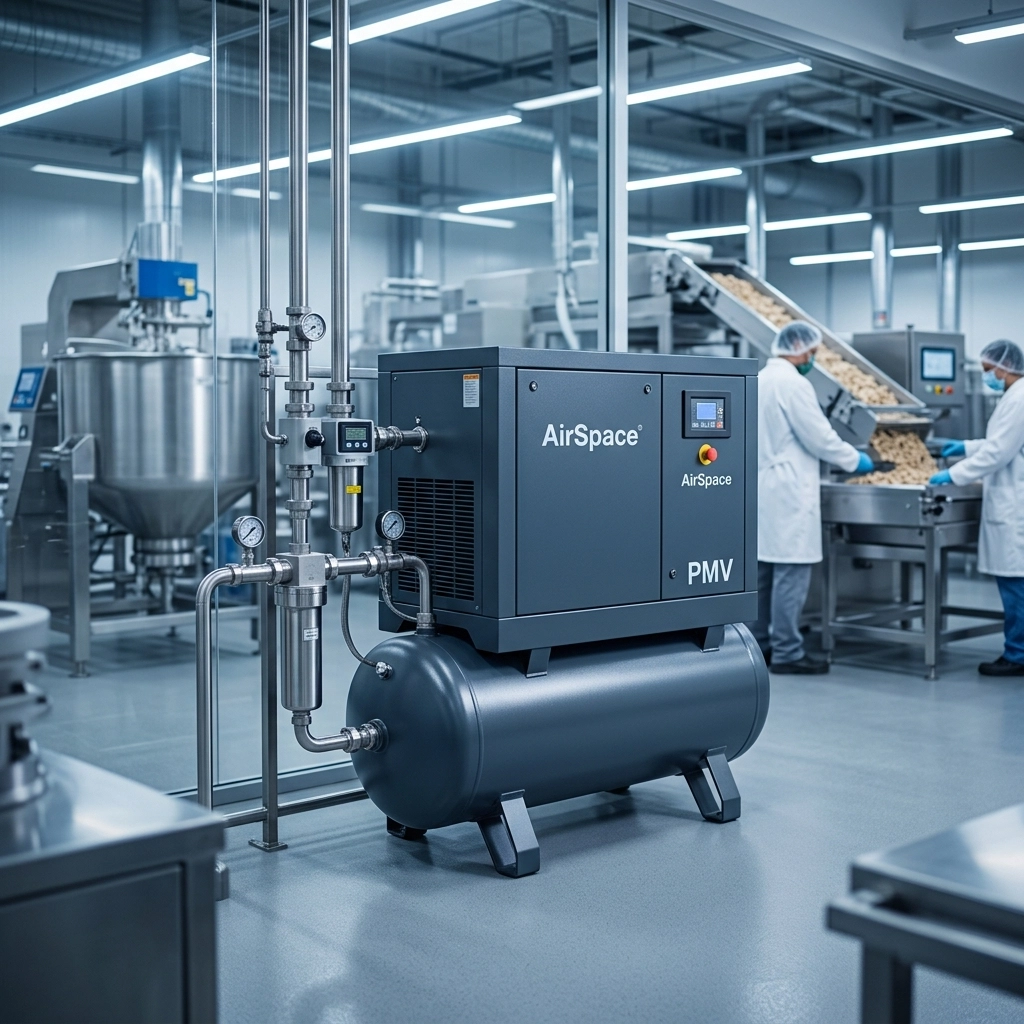
ISO 8573-1 Class 0 certification protects food processing integrity by eliminating the risk of oil contamination in the production stream through certified oil-free screw technology. Unlike lower classes, Class 0 requires oil levels to be strictly lower than Class 1 (0.01 mg/m³), effectively removing hydrocarbons that cause off-flavors, odors, and bacterial growth in food products. […]
Can VSD Screw Compressor Reduce Energy Costs in Automotive Painting Lines by 35%?
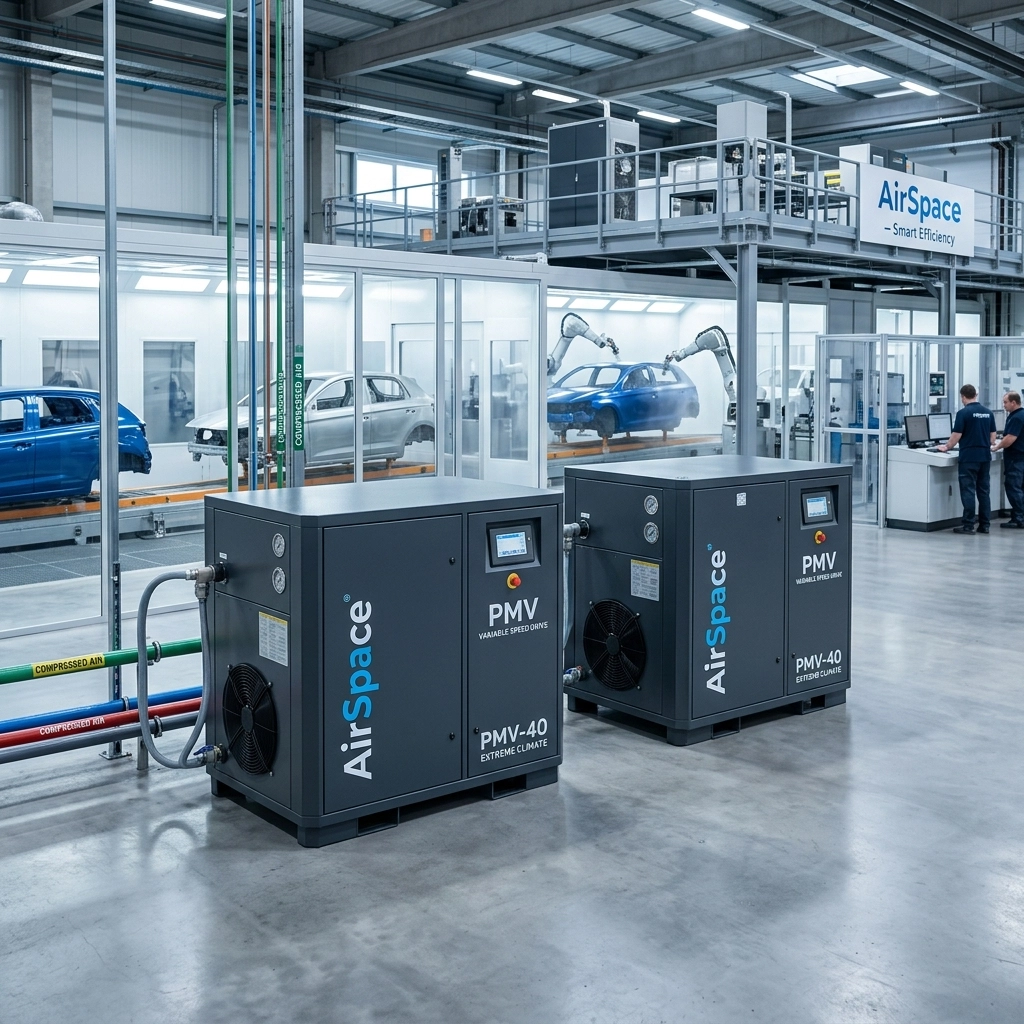
Yes. In a typical automotive painting environment, switching from a traditional fixed-speed system to a Permanent Magnet Variable Frequency (PMV) screw compressor consistently delivers a 35% energy delta. This reduction is achieved by eliminating the “idle” waste inherent in fixed-speed motors and maintaining a tighter pressure band that prevents over-pressurization. For an automotive plant manager, […]
The 16-Bar Fiber Laser Compressor Answer Manual: How Do You Solve Dross and Pressure Drops?
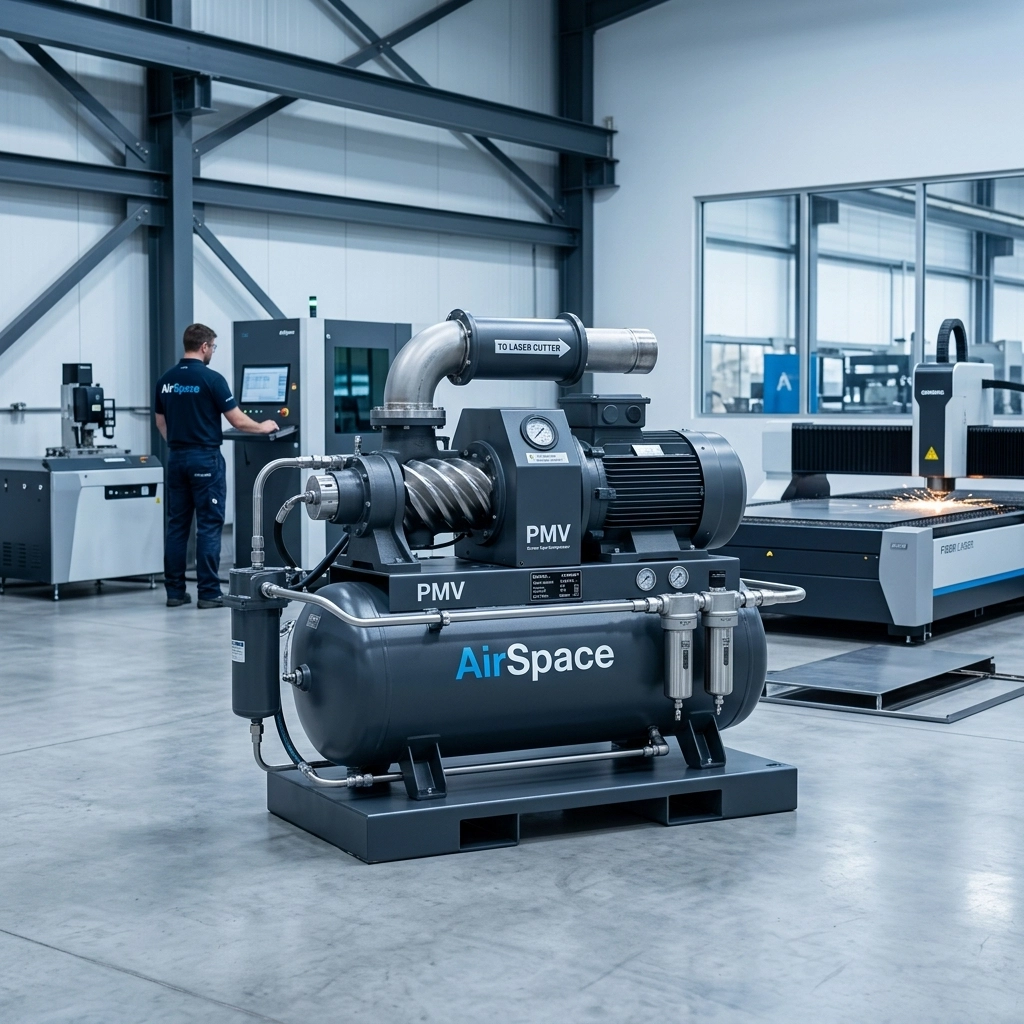
The short answer: To eliminate dross and maintain cut quality, a compressor for fiber laser requires a stable 16-bar discharge pressure with ISO 8573-1:2010 Class 1-2-1 air quality. Most 10-bar systems fail because they cannot provide the kinetic energy needed to clear molten metal (dross) from the kerf, especially in thicker materials. By using a […]