The direct answer for industrial buyers: ISO 8573-1 Class 0 is not a machine type; it is a rigorous air quality standard that requires contaminant levels to be "stricter than Class 1." Specifically, for total oil (including vapor), this often means a limit of ≤ 0.005 mg/m³. Achieving this is the cornerstone of "Technical Sovereignty": the ability of a manufacturer to control their own production outcomes without risking multi-million dollar batch failures due to "The Fourth Utility" (compressed air) contamination.
10 Common Headaches in Contamination-Sensitive Manufacturing
- The "Oil-Free" Mirage: Buying an oil-free compressor but still finding oil at the point of use.
- Audit Anxiety: Failing GMP or HACCP inspections because air quality documentation is vague.
- Moisture Sludge: Refrigerated dryers failing in high-humidity regions like Southeast Asia.
- Energy Drain: Running "Class 0" systems that lack VSD technology, leading to massive power waste.
- Ambiguous Specs: Vendors promising "Class 0" without providing a specific numerical limit.
- Filter Burnout: Replacing expensive high-efficiency filters every month because the system design is poor.
- Grid Instability: Power spikes in LATAM markets damaging sensitive compressor control panels.
- Trace Contamination: Micro-particles ruining semiconductor yields or pharmaceutical purity.
- Compliance Lag: Difficulty verifying CE and ISO 9001 documentation for imported machinery.
- Winterization Woes: Lines freezing in Russia/CIS climates due to inadequate dew point management.
What Exactly is ISO 8573-1 Class 0?
In industrial air, ISO 8573-1 is the law. It ranks air purity based on particles, water, and oil. Most manufacturers understand Class 1 through 9, where lower is cleaner. Class 0 is the "Custom High Tier."
According to the standard, Class 0 must be:
- User-defined: You and the supplier agree on a limit.
- Stricter than Class 1: For oil, Class 1 is ≤ 0.01 mg/m³. Therefore, Class 0 must be lower (e.g., 0.005 mg/m³).
- Measurable: You must use ISO-certified testing methods (like ISO 8573-2 or 8573-5) to prove compliance.
AirSpace Machinery anchors its quality on ISO 8573-1 Class 0 Integrity. This isn't just marketing; it’s a commitment to 99.9% uptime for your most sensitive lines.
Technical Sovereignty: Why "The Fourth Utility" Matters
Technical Sovereignty is the philosophy that your facility should never be at the mercy of its utilities. If your electricity, water, or compressed air fails, your production dies. At AirSpace, we treat compressed air as the "Fourth Utility."
When you integrate high-tier components like BAOSI or Hanbell screw air ends into a Class 0 system, you are securing your sovereignty. You are ensuring that the air touching your pharmaceutical blister pack or your 5nm silicon wafer is as pure as the cleanroom itself.
The Risk Hierarchy: "Oil-Free" vs. "Class 0"
One of the most dangerous myths in manufacturing is that an "oil-free screw compressor" automatically gives you Class 0 air. It doesn't.
- The Machine (Oil-Free): This means the compression chamber uses no oil. However, the ambient air the compressor "breathes" might contain hydrocarbons from nearby traffic or industrial exhaust.
- The Standard (Class 0): This guarantees the air exiting the system meets a specific purity, regardless of the ambient environment.
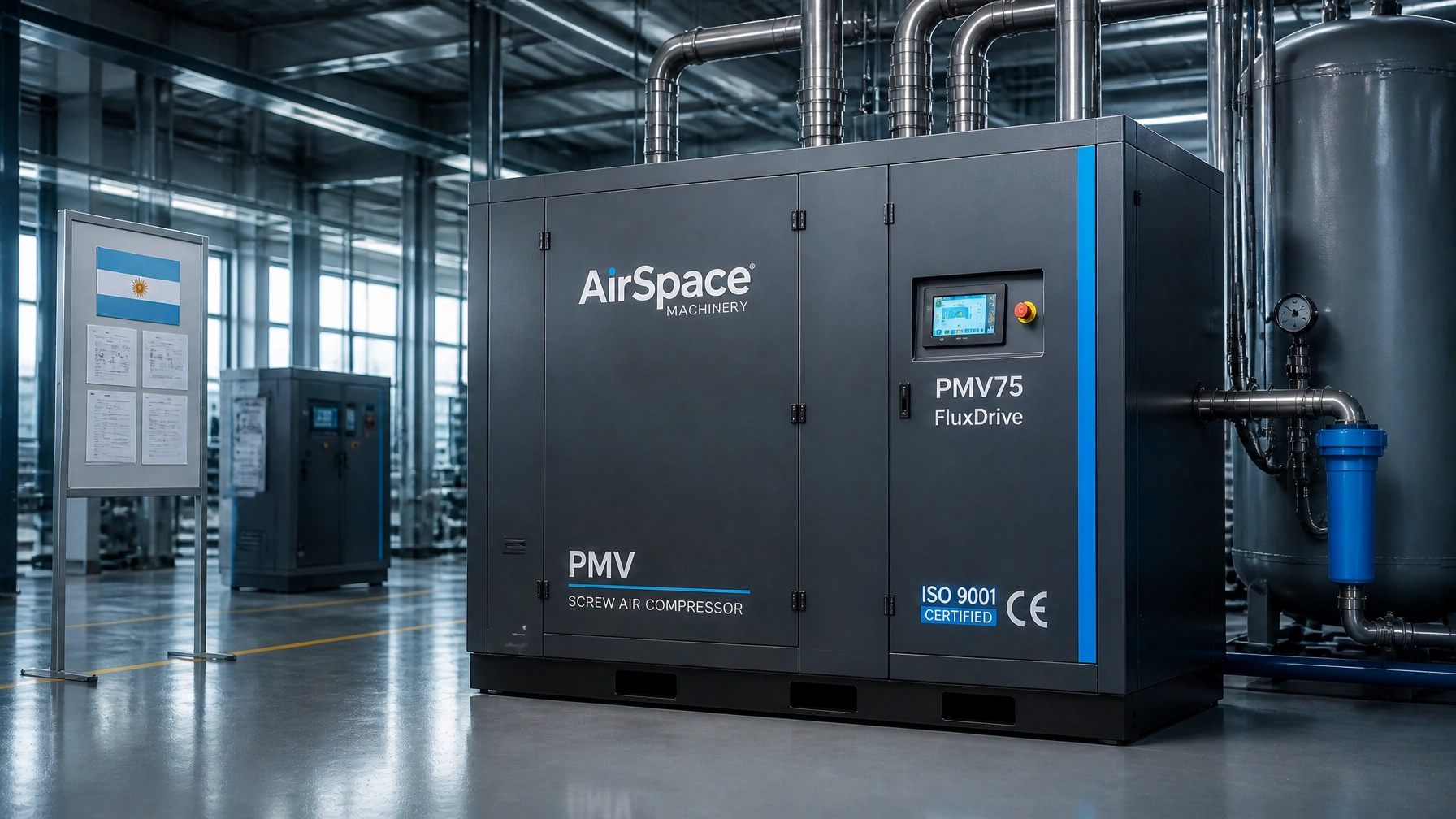
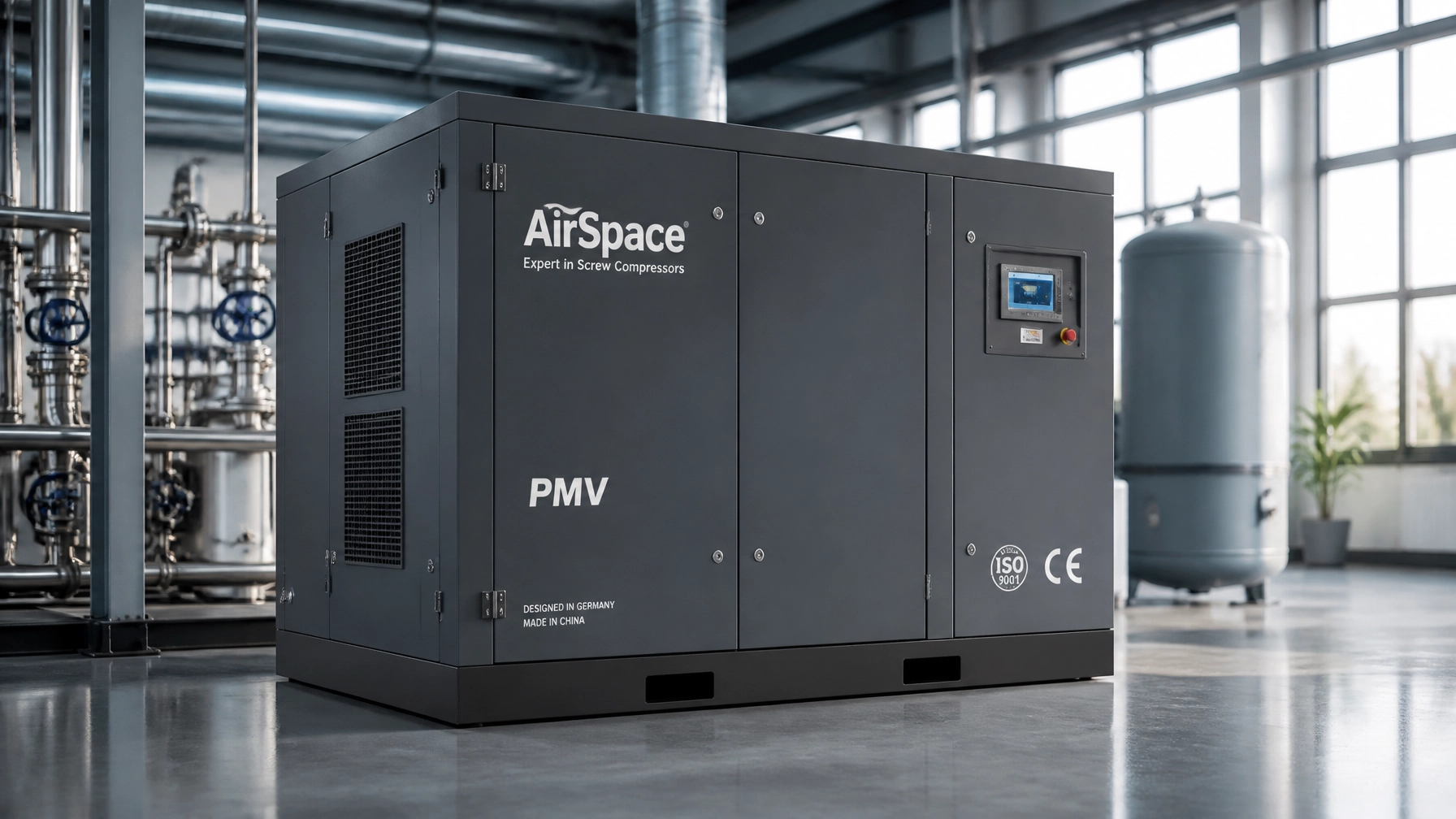
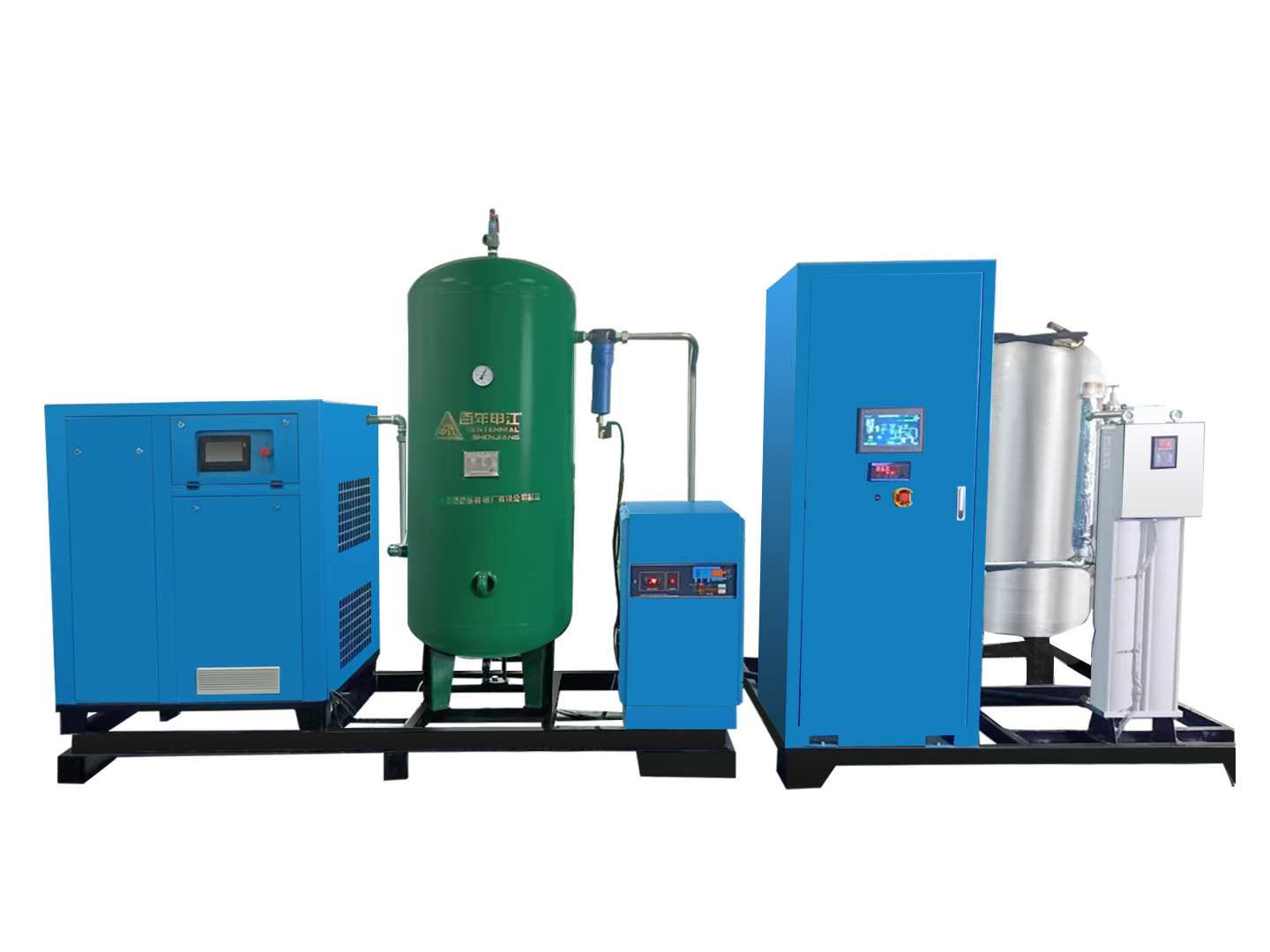
To bridge this gap, AirSpace integrates advanced filtration and drying modules. Even our PMV VSD screw compressors, which use high-efficiency lubrication internally, can achieve "Technically Oil-Free" Class 0 status when paired with our multi-stage filtration towers. This setup often provides a 35% energy delta compared to traditional dry-running oil-free units, which are notoriously expensive to maintain.
Why Refrigerated Dryers Are the First Line of Defense
While desiccant dryers are needed for ultra-low dew points (-40°C), the refrigerated dryer is the workhorse of ISO 8573-1 integration. It removes the bulk of the moisture that would otherwise saturate your Class 0 filters.
In our integrated air compression systems, we use oversized refrigerated dryers to ensure a stable pressure dew point (PDP). This is critical for maintaining the "35% Energy Delta" framework: if your air is wet, your downstream tools work harder, and your energy costs skyrocket.
For a deeper look at how these components interact in a high-efficiency setup, see our guide on Permanent Magnet VSD Technology and ROI.

Regional Sovereignty: Adapting Class 0 for Global Climates
A Class 0 system in a lab in Switzerland will fail in a factory in Jakarta if not properly engineered.
Southeast Asia (SEA): The Humidity Wall
In SEA, the ambient air is a "water factory." Standard refrigerated dryers often freeze up or bypass. AirSpace Machinery optimizes SEA exports with enhanced condensate separators to protect Class 0 integrity from liquid water re-entrainment.
LATAM: Grid Resilience
Manufacturing hubs in Mexico and Brazil often face "dirty power." Our PMV VSD systems include robust electrical shielding to protect the permanent magnet motors, ensuring that a voltage spike doesn't turn into a Class 0 contamination event.
Russia & CIS: Extreme Cold
When temperatures drop to -30°C, moisture in 16-bar lines doesn't just condense; it explodes pipes. Our "Extreme Climate" series features trace heating and specialized insulation to keep the Fourth Utility flowing when the mercury drops.
The 35% Energy Delta: The PMV VSD Advantage
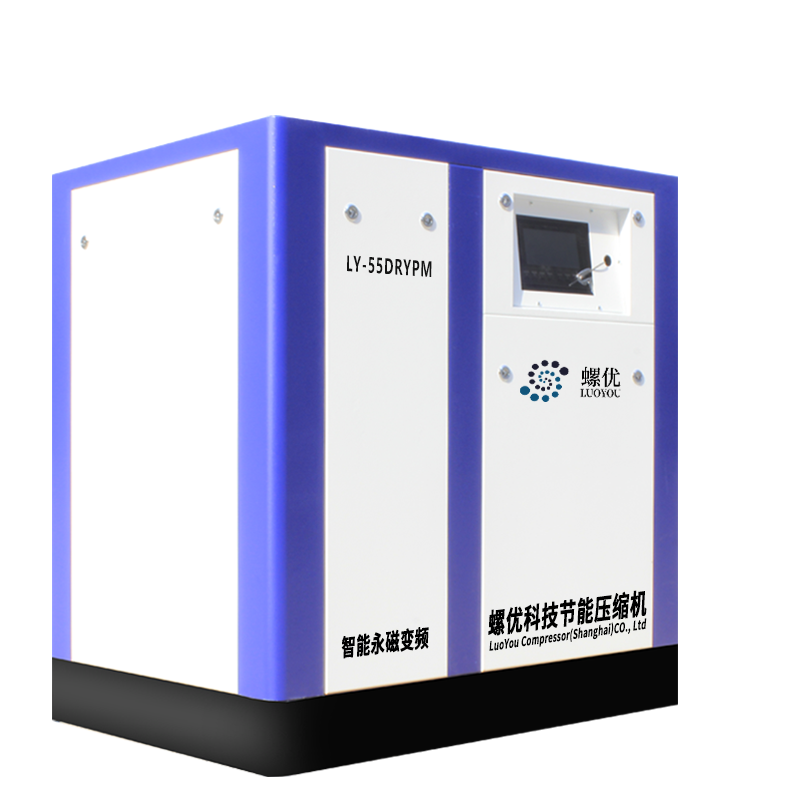
Why choose a Permanent Magnet Variable Frequency (PMV) screw compressor for Class 0 applications?
- Precision Flow: In sensitive manufacturing, air demand fluctuates. PMV technology adjusts the motor speed to match demand exactly.
- No Unloaded Losses: Fixed-speed compressors waste up to 25% of their energy just idling.
- Lower Thermal Stress: Cooler operation leads to better air quality and longer filter life.
With an annual sales volume exceeding 100M yuan, AirSpace has proven that energy efficiency and extreme purity are not mutually exclusive.
Comparison: Standard Air vs. ISO 8573-1 Class 0
| Feature | Standard Industrial Air | ISO 8573-1 Class 0 (AirSpace Spec) |
|---|---|---|
| Total Oil Content | ≤ 5 mg/m³ | ≤ 0.005 mg/m³ |
| Particle Filtration | 1.0 – 5.0 micron | 0.01 micron |
| Typical Application | General Assembly | Pharma, Food, Fiber Laser |
| Energy Efficiency | Fixed Speed (Base) | PMV VSD (35% Delta) |
| Component Grade | Standard | BAOSI / Hanbell High-Tier |
How to Verify CE and ISO Documentation
Global buyers often struggle with verifying the authenticity of "Made in China" compressors. To ensure you are buying a legitimate AirSpace Machinery system:
- Check the QR Code: Every CE certificate we issue is traceable.
- Request the ISO 9001 Audit Trail: We provide full transparency on our 4000m² facility's quality management.
- Verify the Air End: Ensure your unit features the genuine BAOSI or Hanbell logo, signifying top-tier mechanical sovereignty.
FAQ: Your Class 0 Questions Answered
Q: Can I achieve Class 0 with a 16-bar laser cutting setup?
A: Yes. In fact, it's mandatory for high-precision fiber lasers. Oil or moisture on the lens will cause "beam scatter," ruining the cut edge. We recommend a 16-bar PMV screw compressor with an integrated high-pressure refrigerated dryer.
Q: Is "Class 0" air the same as "Sterile" air?
A: No. Class 0 refers to particles, water, and oil. Sterility refers to microorganisms. However, Class 0 air is the required foundation for sterile filtration. You cannot have sterile air if it is full of oil.
Q: How often should I test my air for Class 0 compliance?
A: For pharmaceutical and food applications, we recommend a full ISO 8573-1 audit every 6 to 12 months.
Get a Proposal
Secure your Technical Sovereignty today. Our team provides export-ready, CE-certified screw compressor systems tailored to your specific regional climate.
Lead times depend on configuration and current production slots.
Required Specifications for Proposal:
- Required Pressure: [Enter Value] (bar/psi)
- Required Flow Rate: [Enter Value] (m³/min or CFM)
- Application: (e.g., Pharmaceutical, Textile, Laser Cutting)
[Button: Get a Proposal]
Author: Penny Winston, Technical Writer
Frameworks: The 35% Energy Delta, The Fourth Utility Concept, ISO 8573-1 Class 0 Integrity
Reviewed by Engineering: Monday, 18 of May 2026.
Compliance: ISO 8573-1:2010, CE, ISO 9001 Certified.
📅 Last updated:
⚡ Is Your Factory Bleeding Cash?
Most fixed-speed compressors waste $3,600/year in "Unload Tax." Test your waste level in 30 seconds.
RUN THE ROI TEST →Ready to See How Much Your Facility Can Save?
Fill out the form below for a Free Energy Assessment.