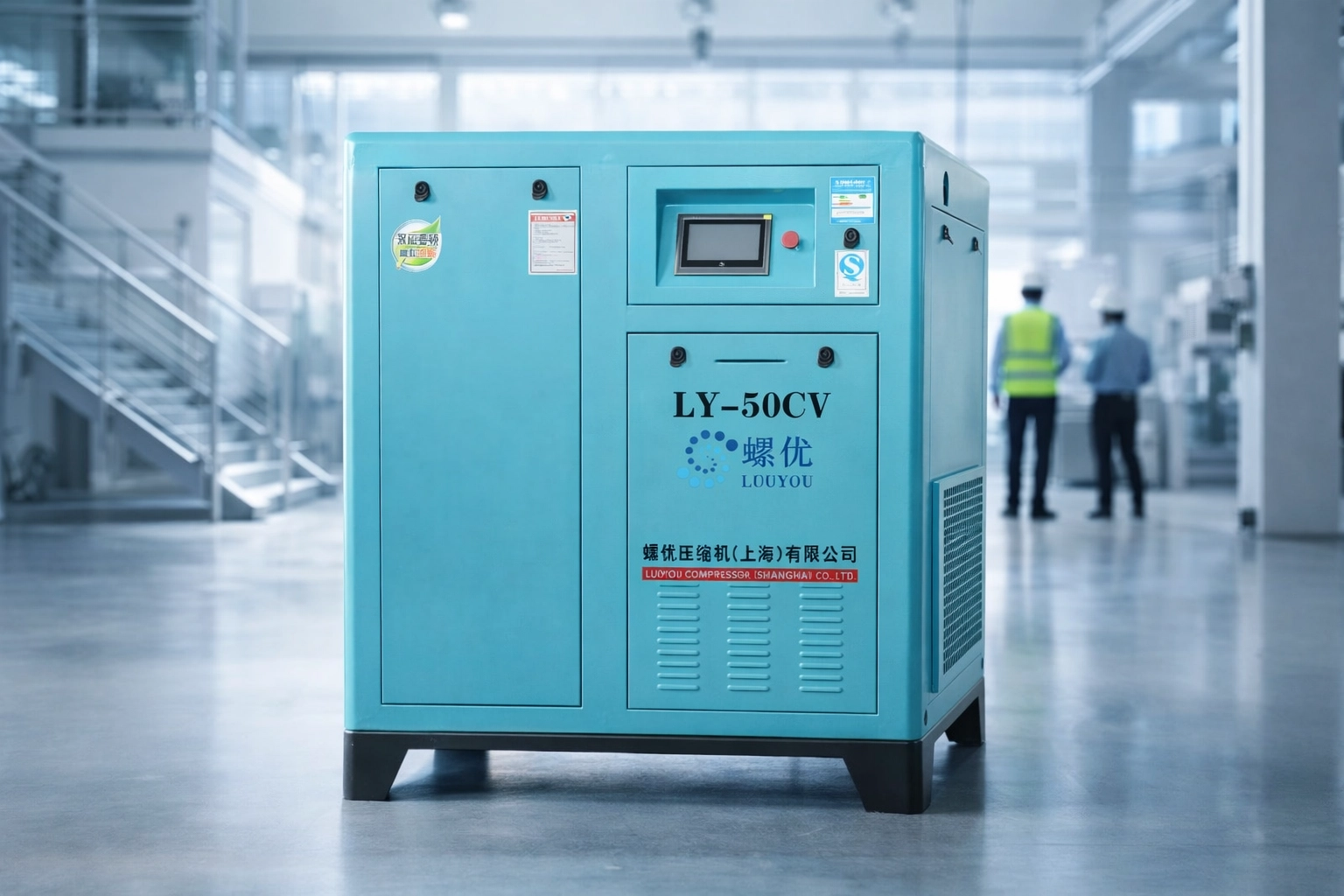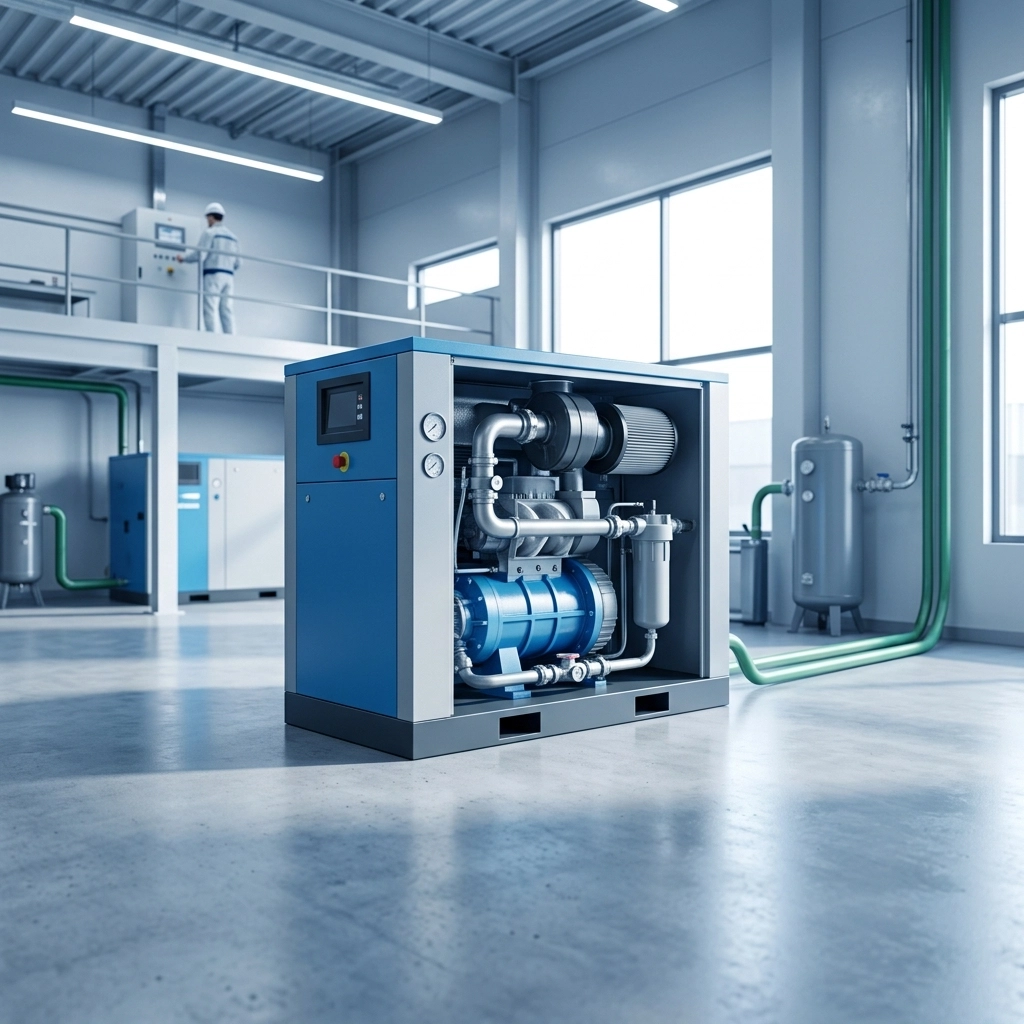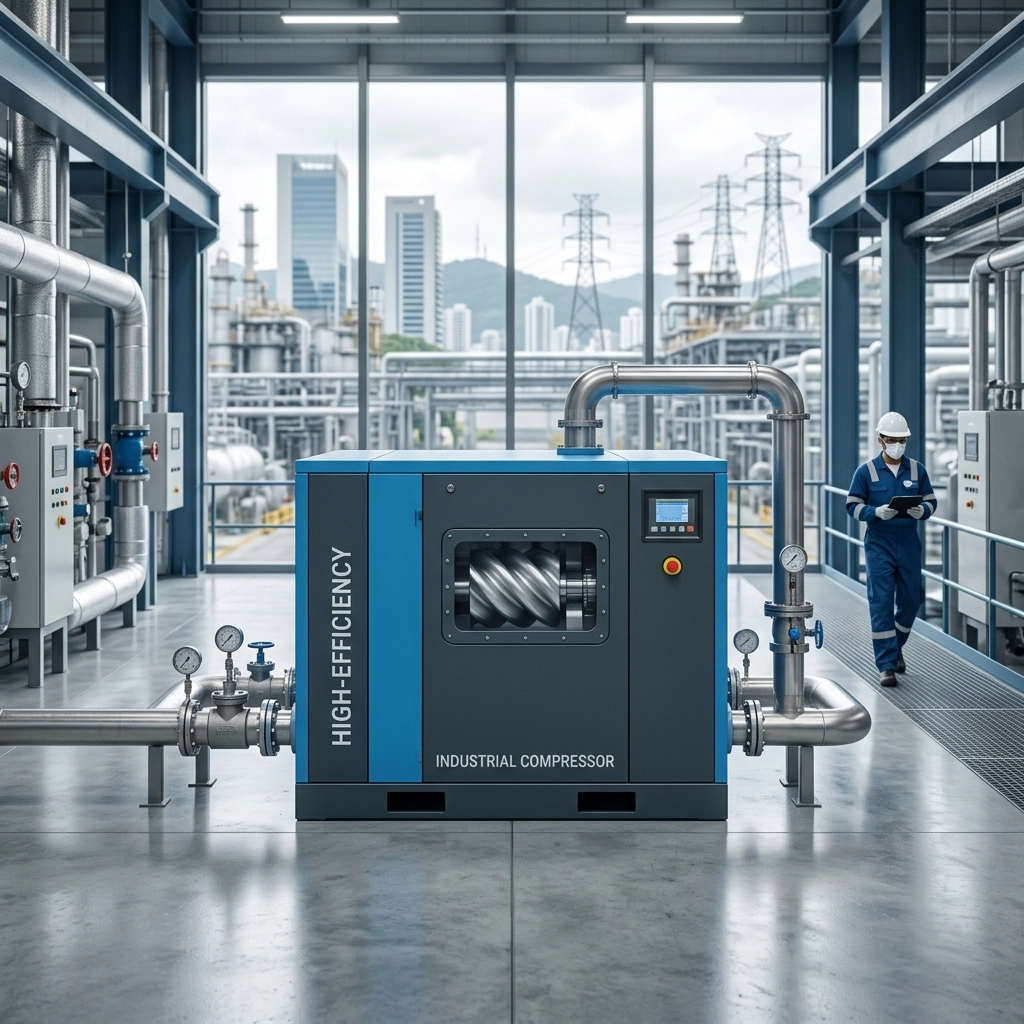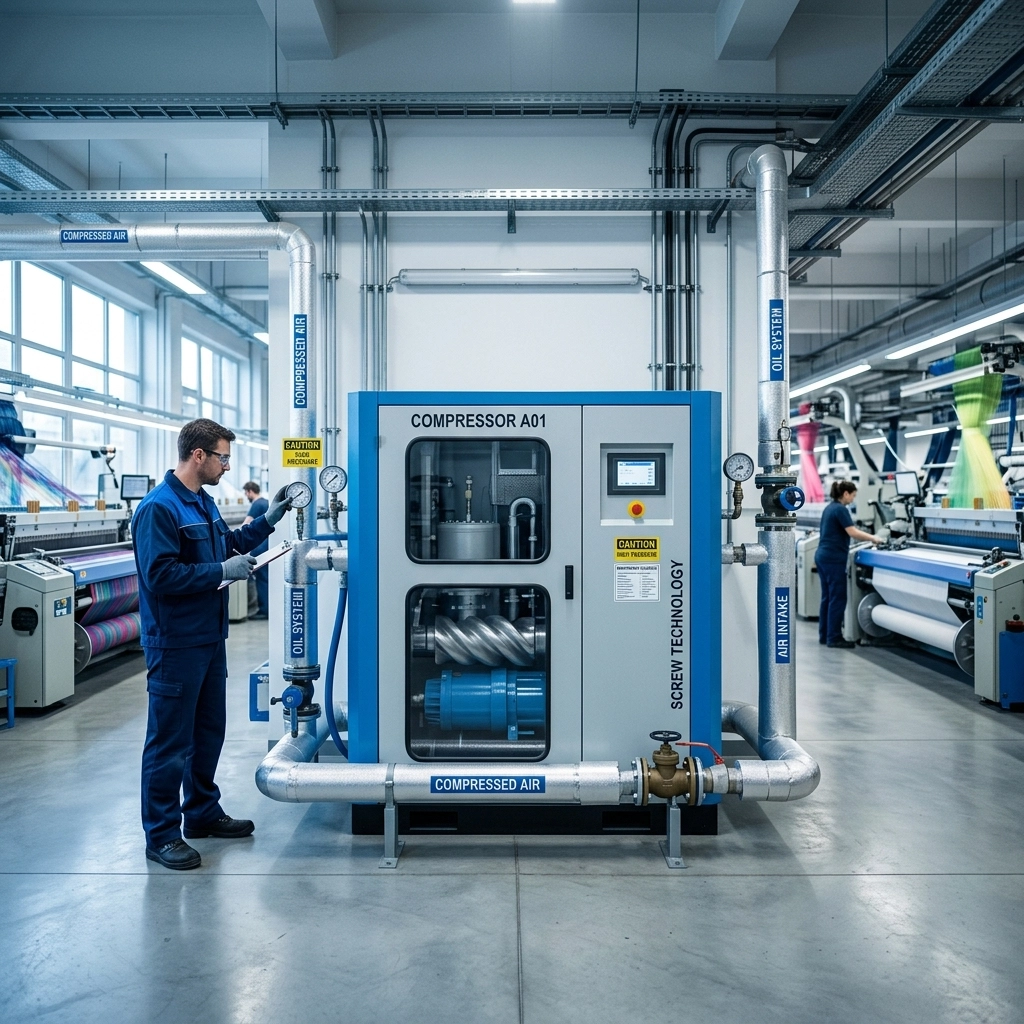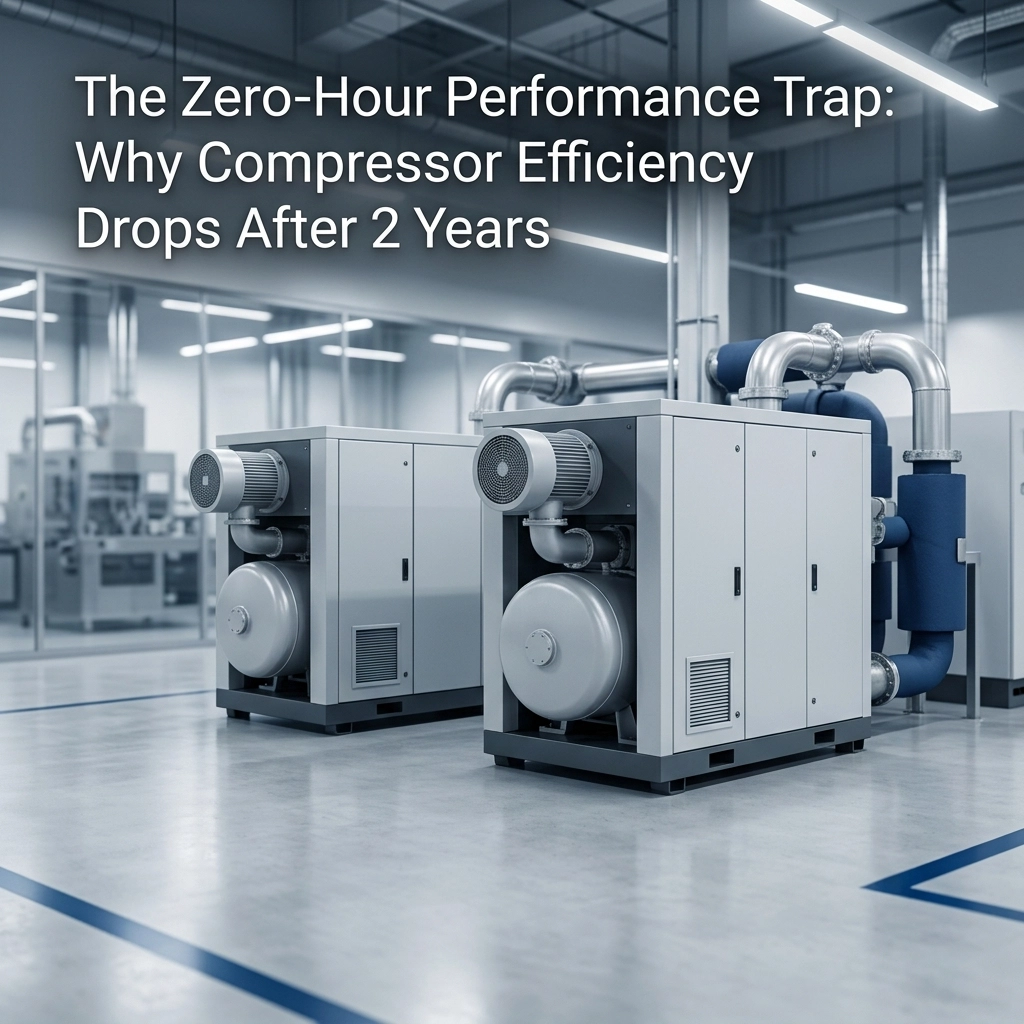
Direct Answer: For Brazil’s SME manufacturers, the hidden cost of compressed air is usually electricity, pressure instability, avoidable leaks, and poor system matching—not the purchase price alone. In most plants, energy represents approximately 70% to 80% of total lifecycle cost, while inefficiencies such as air leaks, artificial demand, and excessive pressure drop can waste up to 50% of produced air. An energy-efficient air compressor, especially a Permanent Magnet Variable Frequency (PMV) screw air compressor, helps reduce these losses and typically delivers energy savings of 20% to 40% when applied under appropriate load and control conditions.
The Soul Question: Why is my compressed air so expensive?
For most plant managers, the "sticker shock" happens not at the point of purchase, but three years into operation when the utility bills are tallied. In industrial manufacturing, compressed air is often referred to as the "fourth utility," yet it is frequently the most inefficient.
At AirSpace Machinery Co., Ltd., with 20 years of engineering excellence, a 4000m² facility, and ISO 9001-certified quality management, we’ve seen that the "hidden cost" isn't a single item, it's a systemic drain for growing manufacturers.
Q: What is the true breakdown of compressed air costs over 10 years?
When evaluating a new system, procurement teams often focus on the capital expenditure (CAPEX). However, the professional reality of the industry looks like this:
| Cost Component | Percentage of Total Lifecycle Cost (10 Years) |
|---|---|
| Energy Consumption | 75% – 80% |
| Maintenance & Parts | 12% – 15% |
| Initial Investment (CAPEX) | 5% – 10% |
The Technical Reality: If you save $5,000 on a cheaper, less efficient compressor today, you might end up paying $50,000 extra in energy over the next decade. High-efficiency PMV screw air compressors are engineered to minimize this 80% "energy iceberg."
Q: Where exactly is the energy being wasted in my plant?
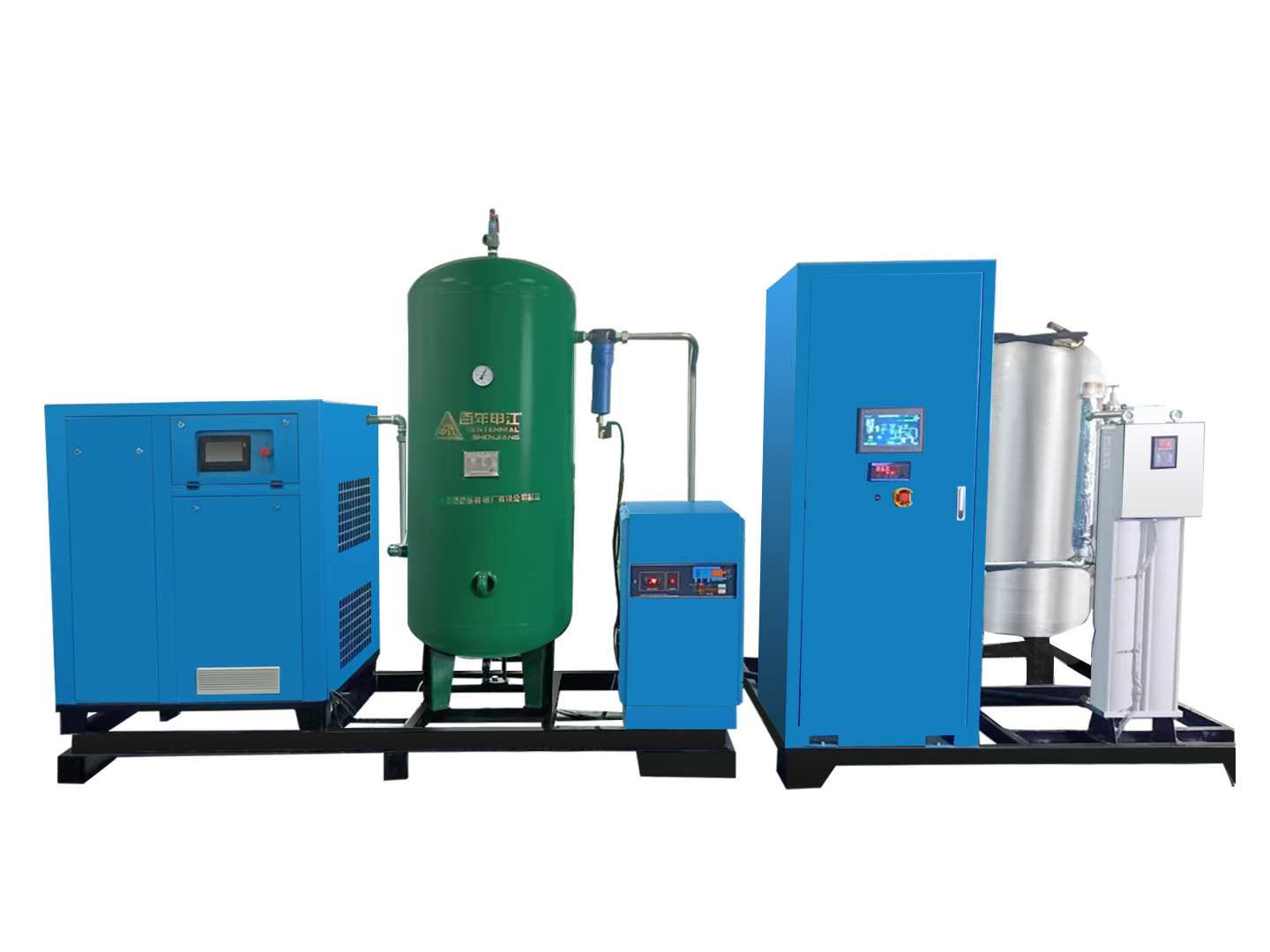
Energy waste in a compressed air system is rarely about the machine being "broken." It is usually about the system being "mismanaged." According to industrial audits, 50% of compressed air generated never reaches the end-use application.
- Leaking Connections (25-30% waste): Even a 3mm hole can cost thousands of dollars annually if left unaddressed.
- Artificial Demand (10-15% waste): This occurs when the system is operated at a higher pressure than necessary, causing unregulated applications to consume more air than required.
- Inappropriate Uses (5-10% waste): Using high-pressure air for cleaning or cooling where a simple fan or blower would suffice.
Q: How does system pressure affect my bottom line?
There is a direct, mathematical correlation between pressure and profit. A common "rule of thumb" in compressed air engineering is that for every 2 psi (0.14 bar) increase in system pressure, the compressor requires 1% more energy.
If your plant operates at 120 psi but your tools only require 90 psi, you are effectively throwing away 15% of your energy budget. Furthermore, higher pressure increases the rate of air loss through existing leaks, compounding the financial drain.
Q: Why should I switch from fixed-speed to PMV screw air compressors?
Fixed-speed compressors are designed for one thing: running at 100% capacity. In the real world, industrial air demand fluctuates. When a fixed-speed machine unloads, it continues to consume 25-30% of its full-load power while producing zero air.
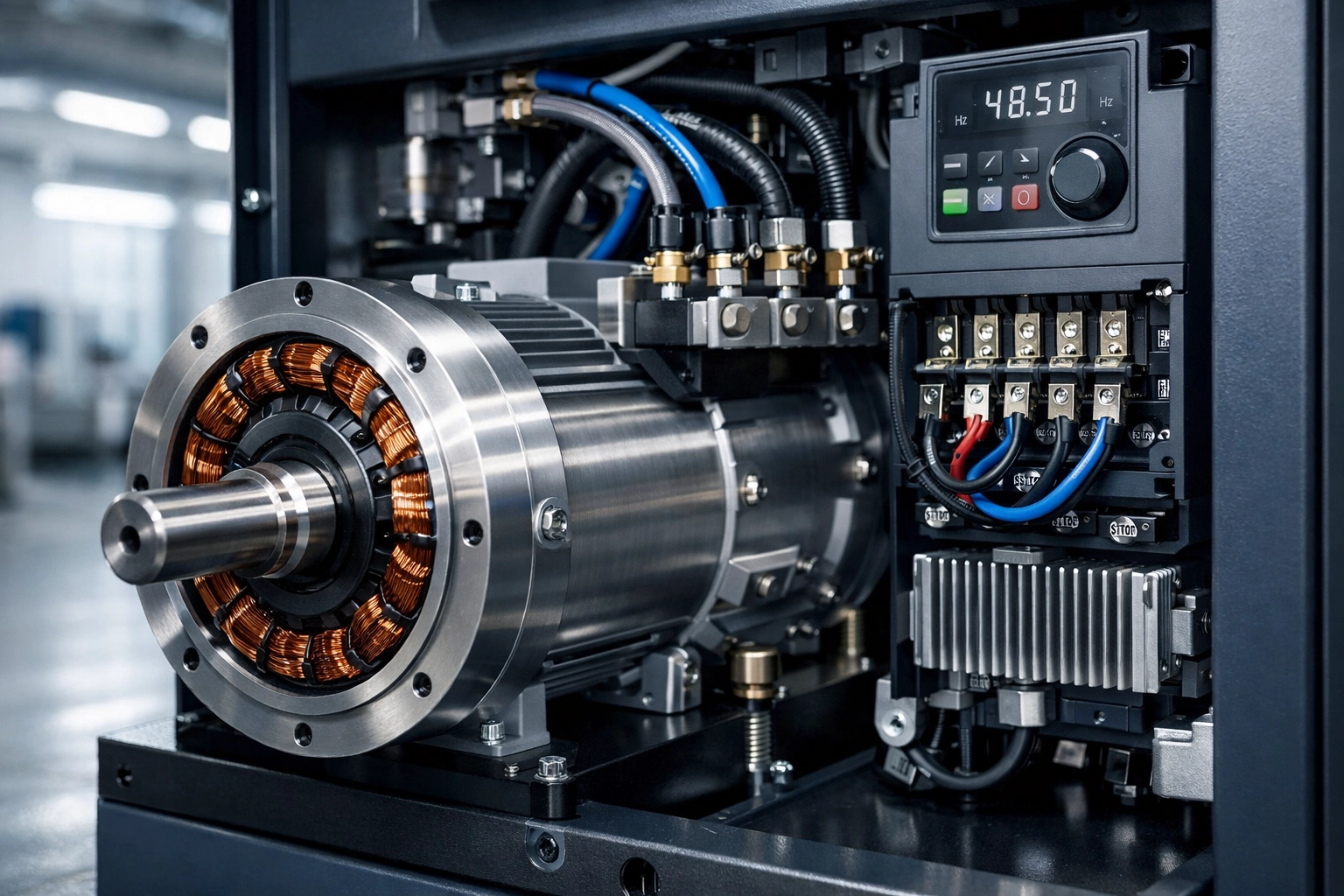
Permanent Magnet Variable Frequency (PMV) technology solves this by adjusting the motor speed to match the exact air demand of your facility.
- Start-up: PMV systems avoid high-amp "inrush" current, reducing stress on the electrical grid.
- Precision: They maintain a steady pressure within ±0.1 bar, eliminating the need to over-pressurize the system to compensate for pressure swings.
- Efficiency: Our PMV screw compressors utilize high-grade magnets that maintain efficiency even at low speeds, unlike standard induction motors.
Q: How do I verify CE and ISO 9001 documentation for international exports?
For procurement officers in global markets, compliance is non-negotiable. AirSpace Machinery Co., Ltd. ensures all equipment meets strict CE (Conformité Européenne) and ISO 9001 international standards.
When verifying documentation:
- Request the Certificate: Legitimate manufacturers will provide a copy of the CE Declaration of Conformity.
- Check the Notified Body: Ensure the ISO certification is issued by a recognized accreditation body.
- Serial Tracking: Every AirSpace unit is tracked via a unique serial number that links back to its quality control report at our 4000m² facility.
Regional Technical Considerations: Adapting to Your Environment
Efficiency isn't just about the motor; it’s about how the system interacts with the local climate.
South East Asia (SEA): Humidity and Dew Point
In high-humidity regions like Vietnam or Thailand, moisture is the enemy of efficiency. Excess water in the lines causes corrosion and increases pressure drop. We recommend integrating a refrigerated air dryer and high-efficiency filtration to meet ISO 8573-1 Class 4 moisture standards.
LATAM: Grid Stability and Power Quality
In Brazil and other Latin American industrial zones, voltage fluctuations and power quality issues are common concerns for SME manufacturers. These "brownouts" can damage standard compressor motors, increase nuisance trips, and shorten component life. Our PMV screw air compressors feature robust intelligent control cabinets that can handle a wider range of voltage variances, helping protect production continuity and improve the value of an energy-efficient air compressor investment.
Russia/CIS: Winterization and Cold Weather
Extreme cold changes the viscosity of compressor oil. Without proper winterization, a compressor can seize upon start-up. For the CIS market, we provide integrated heating elements and specialized lubricants designed for sub-zero operation.
Q: How do I conduct a system audit without halting production?
A "system-wide efficiency" strategy starts with a non-invasive audit. You don't need to shut down the factory to find the leaks.
- Ultrasonic Leak Detection: Identify leaks during a normal shift using ultrasonic sensors.
- Data Logging: Attach sensors to the compressor's electrical feed to track "Amps vs. Time." This reveals if your compressor is frequently "cycling" or running unloaded.
- Pressure Transducers: Install these at the furthest point in your piping to measure "pressure drop." If the drop exceeds 10%, your piping is likely undersized.
Comparison Table: Fixed Speed vs. AirSpace PMV Technology
| Feature | Standard Fixed-Speed Screw | AirSpace PMV Screw |
|---|---|---|
| Energy Efficiency | Moderate (Constant Speed) | Excellent (Demand-Matched) |
| Pressure Stability | ±0.5 – 1.0 bar | ±0.1 bar |
| Maintenance Interval | Standard | Extended (Less wear/tear) |
| Start-up Current | 7-10x Full Load | Soft Start (1x Full Load) |
| Typical Payback | 3-5 Years | 12-24 Months |
The Bottom Line Impact
The hidden cost of compressed air is only "hidden" if you aren't looking at the data. For a plant spending $100,000 annually on electricity, a move to a system-wide efficiency model, incorporating leak repair and PMV technology, can drop that bill to $65,000. That’s $35,000 added directly to your net profit without increasing sales by a single cent.
Sources and Standards
- ISO 8573-1: International standard for compressed air quality (oil, water, and particulate levels).
- ISO 1217: Displacement compressors, acceptance tests.
- ISO 9001: Quality management systems requirements.
- CE Certification: Compliance with EU safety, health, and environmental protection requirements.
Author: Penny Winston
Reviewed by Engineering: AirSpace Machinery Technical Department
Ready to Uncover Savings in Brazil?
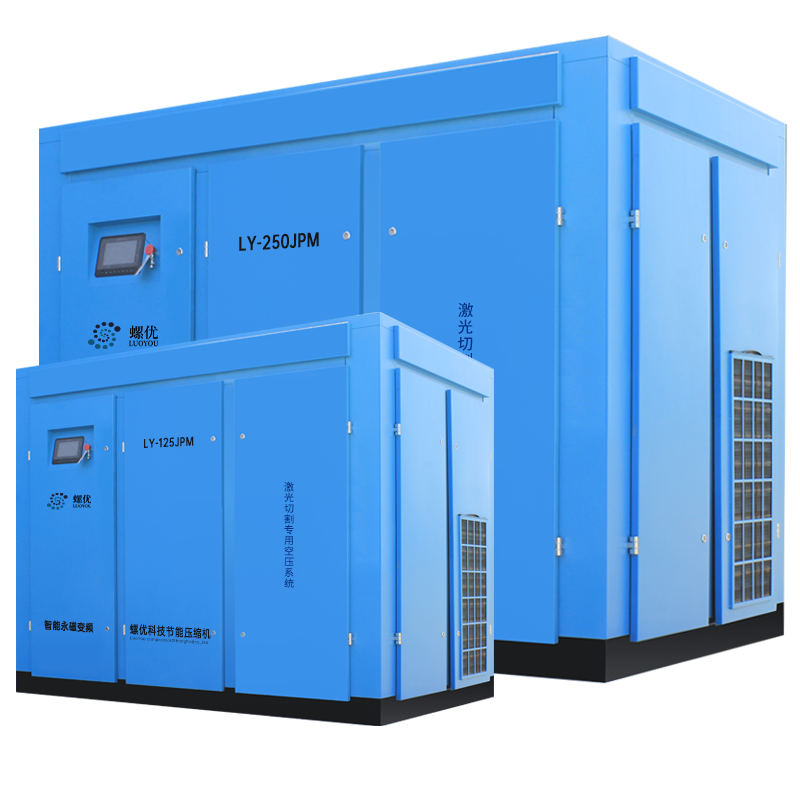
Efficiency is a choice, not an accident. Whether you are looking for an all-in-one laser cutting solution or a high-capacity variable frequency unit, our team is ready to assist.
[Get a Proposal]
Please specify your required pressure (bar/psi) and flow rate (m³/min or CFM). Lead times vary based on specific configuration requirements.