
How Can You Slash the ‘Pressure Tax’ in High-Pressure PET Blowing Operations?
PET blowing isn't just about making bottles; it’s about managing the 'Pressure Tax', the massive energy penalty plants pay for every bar of pressure over-generated. In 2026, staying competitive means moving beyond the 'brute force' approach of 40-bar compression. By integrating AirSpace PMV technology and two-stage screw compression, manufacturers can realize a 35% energy delta […]
Are Your Seals Compliant? 7 Mistakes You’re Making with 2026 PFAS and F-Gas Regulations
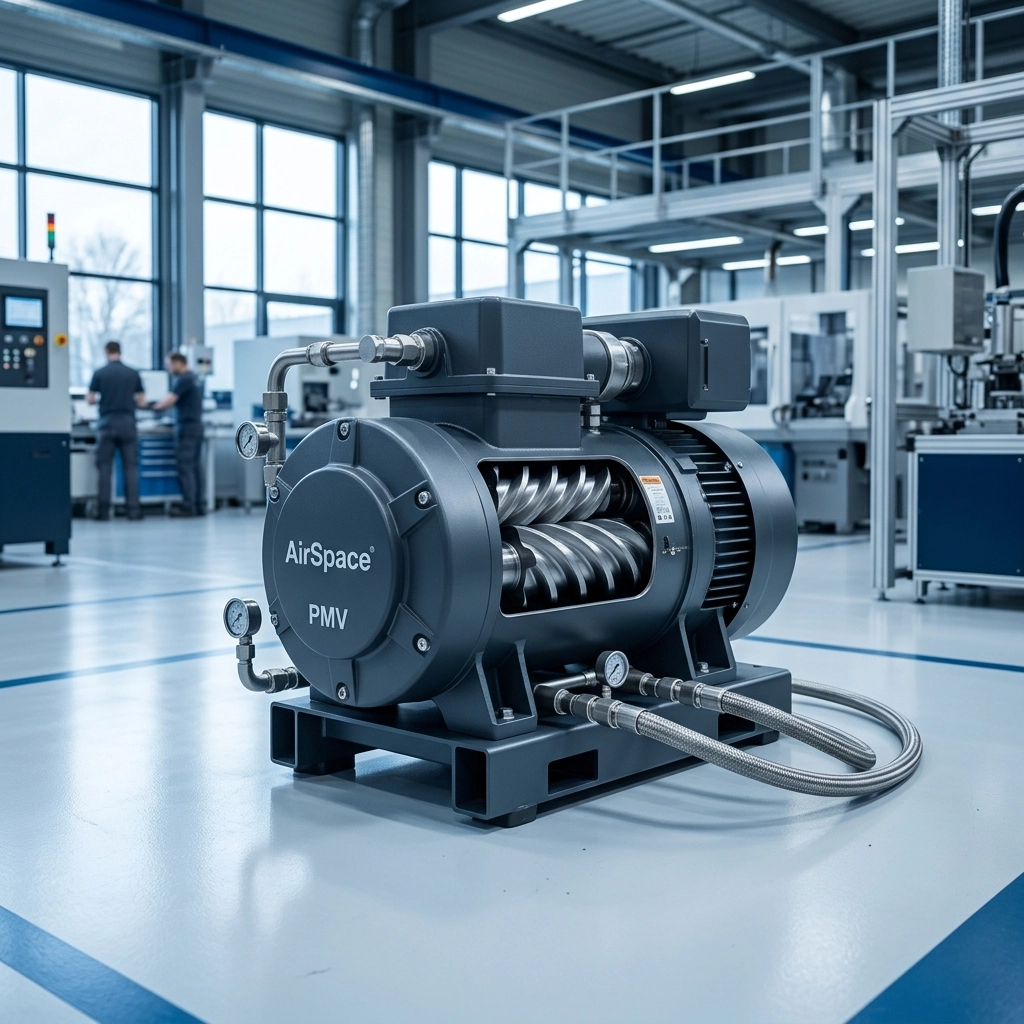
The short answer for industrial procurement and engineering teams is: Yes, your seals are likely a compliance risk. As of May 2026, regulations like Minnesota’s PRISM and the European Union’s tightening F-Gas mandates classify many common fluoropolymers (PTFE) and fluoroelastomers (FKM/Viton®) as "intentionally added PFAS." If your screw compressor systems or refrigerated dryers contain these […]
How Can Textile Plants Integrate PMV Technology With Legacy Lines to Cut Energy Costs by 35%?
Direct Answer: Integrating Permanent Magnet Variable Frequency (PMV) technology into legacy textile lines requires a systematic approach to matching air demand with motor speed. By replacing traditional fixed-speed screw compressors with PMV units, factories can achieve a 35% energy delta and maintain precise pressure stability of +/- 0.1 bar. This stability is critical for spinning […]
How Can ISO 8573-1 Class 0 Standards Protect Your Technical Sovereignty in Sensitive Manufacturing?

The direct answer for industrial buyers: ISO 8573-1 Class 0 is not a machine type; it is a rigorous air quality standard that requires contaminant levels to be "stricter than Class 1." Specifically, for total oil (including vapor), this often means a limit of ≤ 0.005 mg/m³. Achieving this is the cornerstone of "Technical Sovereignty": […]
VSD Vs Fixed-Speed: Which Is Better For Your 2026 Factory Operating Budget?
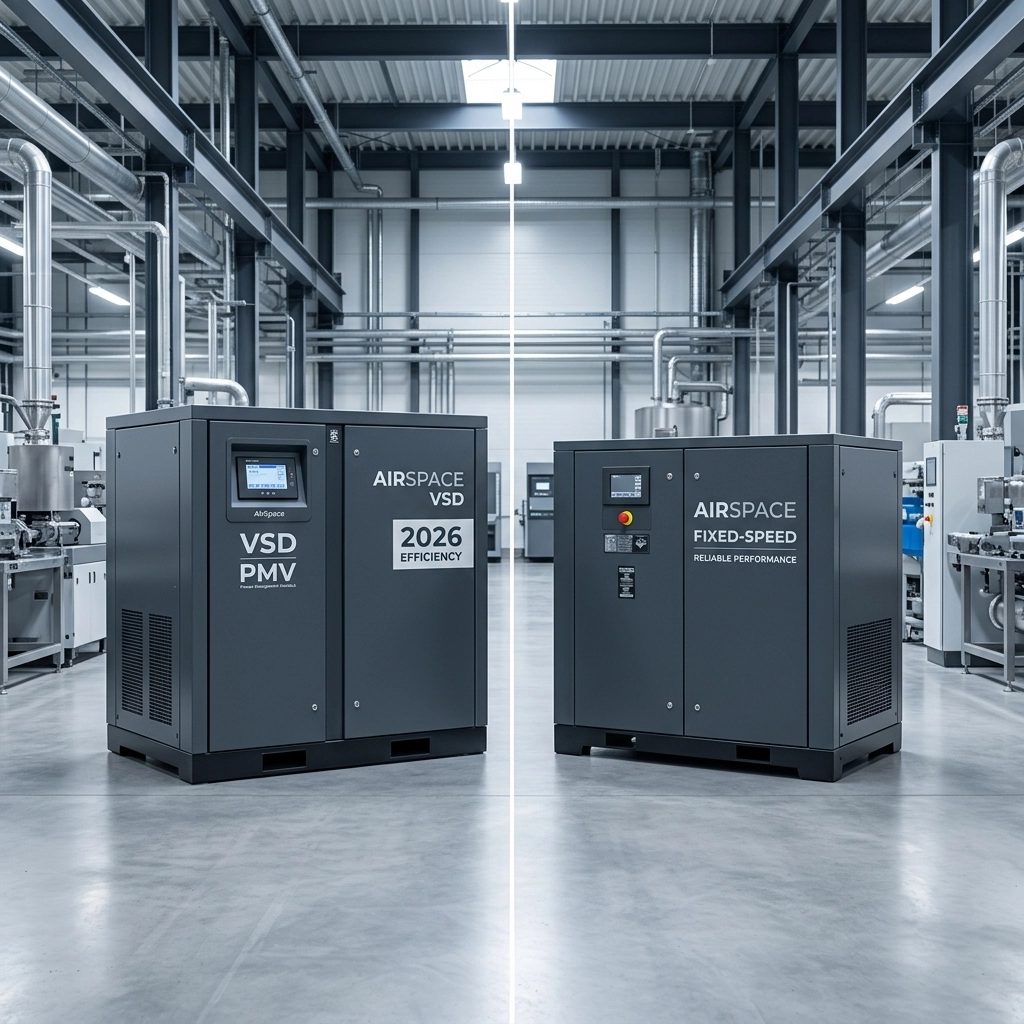
For 90% of modern manufacturing facilities, a Permanent Magnet Variable Frequency (PMV) VSD compressor is the superior choice for a 2026 operating budget, delivering a verified 35% Energy Delta over fixed-speed alternatives. While fixed-speed units offer lower upfront CAPEX, they impose a hidden "Unload Tax" that can drain thousands of dollars in wasted electricity annually. […]
16 Bars of Pure Efficiency: Why Fiber Laser Ops are Abandoning Traditional Air Units
The short answer: Fiber laser operators are switching to 16-bar air systems because they offer up to 90% cost savings compared to liquid nitrogen while maintaining high-speed cutting for carbon steel and stainless. By utilizing AirSpace’s Permanent Magnet Variable Frequency (PMV) technology, facilities achieve a 35% energy delta over traditional fixed-speed units, ensuring that “The […]
Why is PMV the Only Move Left? The Death of the Fixed-Speed Compressor in 2026
Direct Answer: Permanent Magnet Variable Frequency (PMV) technology has become the industrial standard in 2026 because it eliminates the "Unload Tax": the massive energy waste caused by fixed-speed compressors running at full power while delivering zero air. By utilizing high-tier BAOSI and Hanbell components combined with IE4/IE5 permanent magnet motors, PMV systems deliver a consistent […]
Why Is “Oil-Free” No Longer Enough? The New 2026 Standard for Purity Explained
In 2026, the label "oil-free" is a marketing claim, not a technical specification. For high-stakes industries like pharmaceutical manufacturing and semiconductor fabrication, the new baseline for air purity is ISO 8573-1 Class 0 integrity. This standard requires a defined, third-party-verified oil concentration of less than 0.01 mg/m³, often specified as low as 0.003 mg/m³ for […]
What is the “Unload Tax”? How Your Current Compressor is Stealthily Eating Your Profits

The "Unload Tax" is the energy penalty paid by factories using fixed-speed air compressors that continue to draw 15% to 35% of their full rated power even when they are not producing any air. This inefficiency occurs during the "unload" phase of the load/unload cycle, essentially charging you for power that does nothing but spin […]
How Much Energy is Your Textile Mill Wasting by Using 8-Bar Air for 3-Bar Applications?
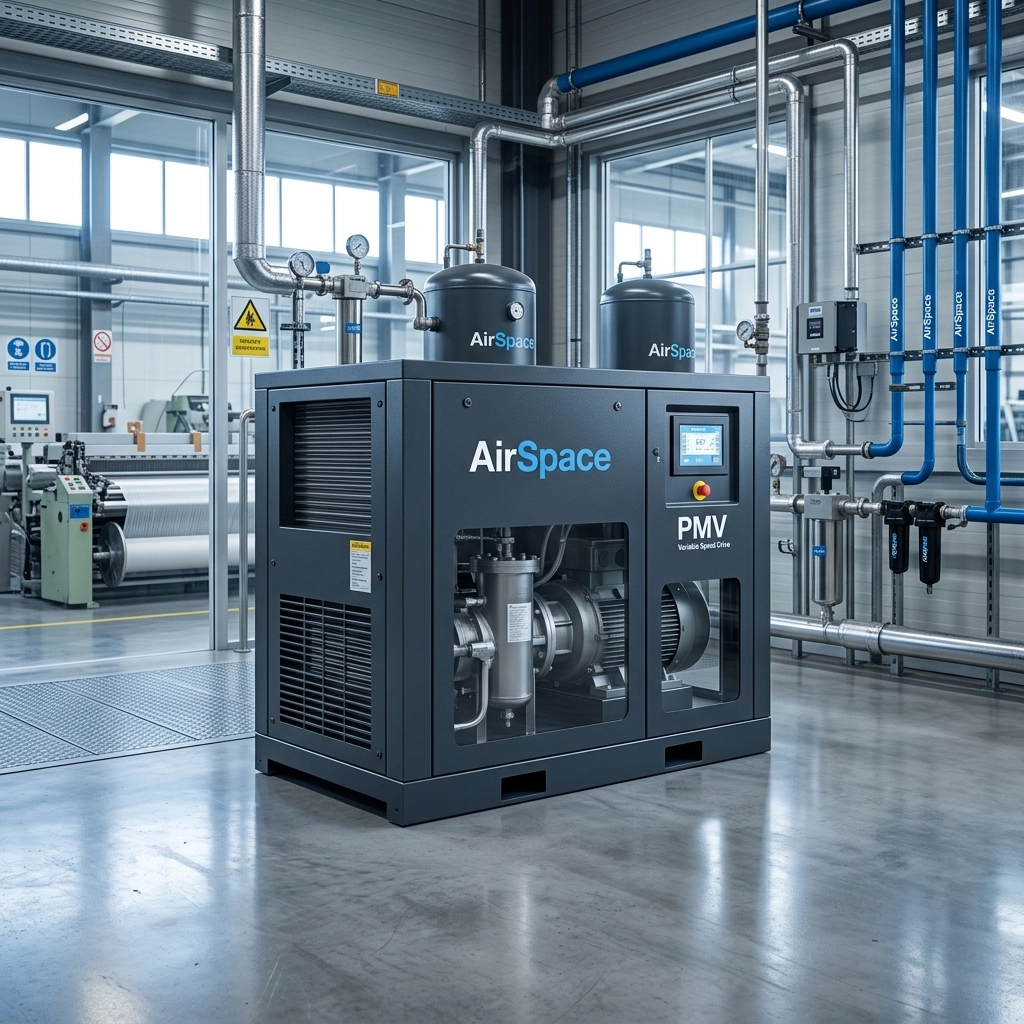
Textile mills typically waste 30% to 35% of their compressed air energy by over-pressurizing their systems. Most textile processes, such as air-jet weaving, spinning, and texturizing, require only 3 to 5 bar of pressure. However, many facilities continue to operate standard 8-bar or 10-bar screw compressors. This “Energy Crime” forces the compressor to work harder […]