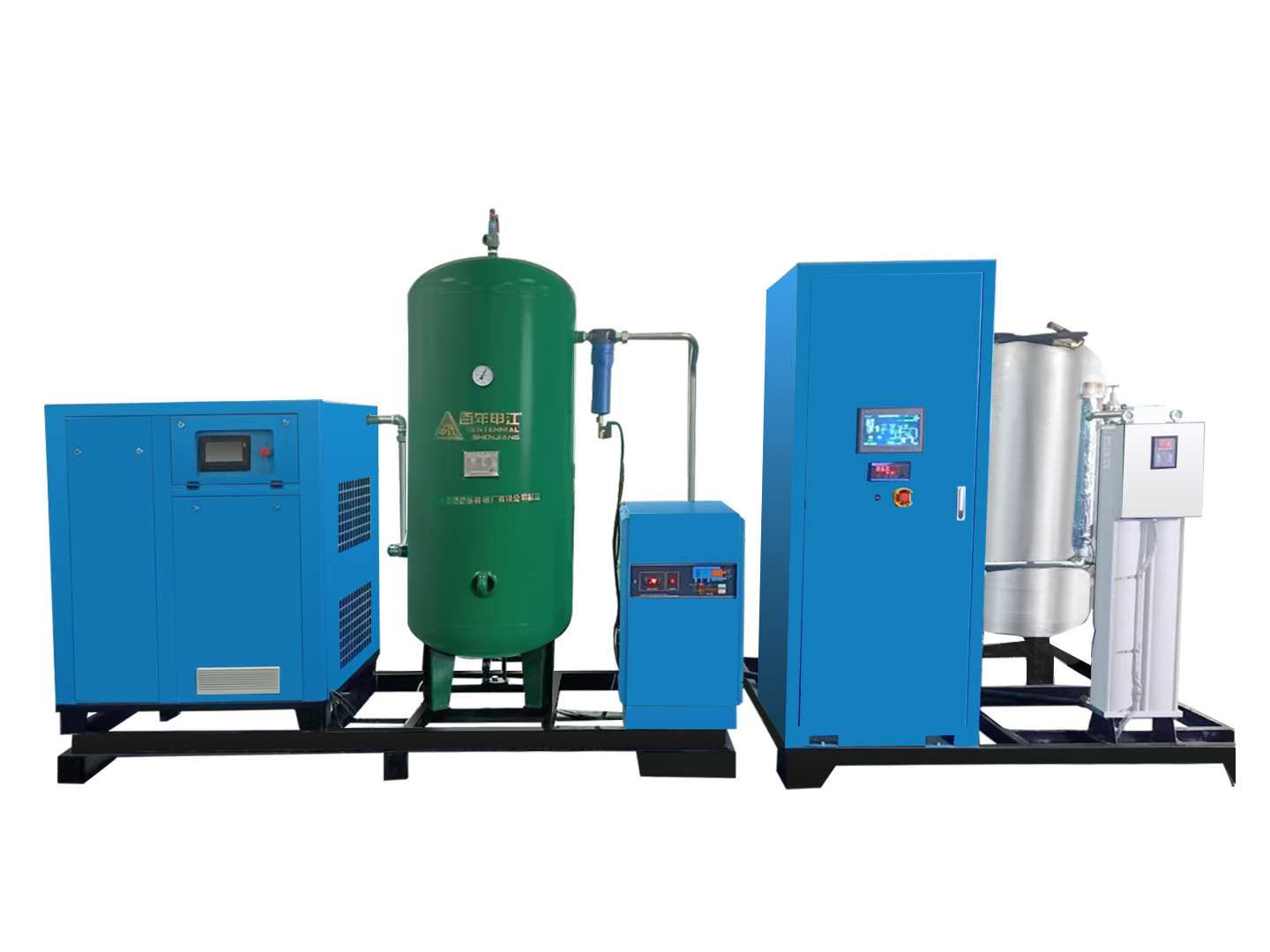
The short answer for industrial procurement and engineering teams is: Yes, your seals are likely a compliance risk. As of May 2026, regulations like Minnesota’s PRISM and the European Union’s tightening F-Gas mandates classify many common fluoropolymers (PTFE) and fluoroelastomers (FKM/Viton®) as "intentionally added PFAS." If your screw compressor systems or refrigerated dryers contain these materials, you may face mandatory reporting, product bans, or legal liability. Non-compliance is no longer an option for companies aiming for "The Fourth Utility" reliability.
Why are industrial seals suddenly a PFAS and F-Gas problem?
For decades, the compressed air industry relied on PTFE (Teflon™) and FKM for their heat and chemical resistance. However, 2026 marks a regulatory cliff. Over 18 U.S. states and the EU now use the OECD-style definition of PFAS, "at least one fully fluorinated carbon atom", which captures these common seal materials.
At AirSpace Machinery, we’ve tracked a 35% energy delta between modern, compliant PMV VSD systems and legacy fixed-speed units. But energy isn't the only metric anymore; material integrity is the new benchmark for ISO 8573-1 Class 0 Integrity.
7 Mistakes Manufacturers Make with 2026 Compliance
1. Assuming "Industrial Use" provides a blanket exemption
Many managers believe PFAS rules only target consumer goods like non-stick pans or waterproof jackets. In 2026, this is a dangerous fallacy. Laws such as Minnesota’s reporting statute apply to any product containing intentionally added PFAS sold or distributed in the state. This includes the O-rings inside your LY-355JPM PMV screw compressor and the gaskets in your downstream filtration.
2. Relying on "Article" or "Polymer" exemptions
In the past, polymers were often exempt from chemical reporting under TSCA. Today, state-level "product-level" controls ignore these discrete chemical exemptions. If a finished article (like a screw compressor) contains a PFAS-based seal, the entire unit may fall under reporting requirements.
3. Treating PFAS and F-Gas regulations as unrelated
PFAS and F-Gases (fluorinated greenhouse gases) are now converging. Some F-Gases and their breakdown products (like TFA) are being categorized under the broad PFAS umbrella in jurisdictions like California. This directly impacts the refrigerated dryers used to reach specific pressure dew points.

4. Accepting vague supplier declarations
"PFAS-free" is a claim often made without referencing a specific legal definition. Many suppliers are unaware that their sub-suppliers use PFAS as process aids or slip agents in seal manufacturing. AirSpace Machinery mandates a higher standard of due diligence for our BAOSI and Hanbell-integrated components to ensure transparency.
5. Ignoring the 2026 Minnesota PRISM deadlines
The first major reporting deadline for the Minnesota PFAS law is September 15, 2026 (with a final extension to December 14). If you sell equipment into the North American market, your compliance audit must be completed now.
6. Using outdated material specifications in RFQs
Requesting "Viton or equivalent" in your procurement documents is now a risk. Without specifying a non-PFAS alternative or requiring a full chemical disclosure, you are essentially ordering a potential compliance violation.
7. Overlooking the "Greenwashing" risk in marketing
Claiming your plant is "environmentally friendly" or "sustainable" while using undisclosed PFAS-containing seals can lead to litigation. 2026 has seen a surge in "misleading claim" lawsuits against manufacturers who cannot substantiate their material safety data.
The Link Between F-Gas and Refrigerated Dryers
In a standard integrated compressor system, the refrigerated dryer is a critical component for moisture removal. However, 2026 F-Gas regulations have forced a shift away from high-GWP (Global Warming Potential) refrigerants.
When auditing your system:
- Check the Refrigerant: Is it a low-GWP HFO?
- Check the Dryer Seals: Are they compatible with new refrigerants without relying on PFAS-heavy elastomers?
AirSpace Machinery’s extreme climate engineered series uses compliant sealing materials that maintain 99.9% uptime even under these new regulatory constraints.
Procurement Audit Checklist: 2026 Seal Compliance
Use this table to audit your current compressor and dryer suppliers:
| Audit Point | Requirement | Why it Matters |
|---|---|---|
| Material Disclosure | Full CAS number list for all elastomers. | Identifies hidden PTFE/FKM. |
| Definition Alignment | Does the supplier use the OECD PFAS definition? | Ensures compliance with MN and EU laws. |
| F-Gas GWP | Refrigerant GWP must be < 150 for new installs. | Prevents early equipment obsolescence. |
| Certification | CE and ISO 9001:2015 documentation. | Verifies manufacturing standards. |
| Traceability | Batch-level material tracking. | Essential for 2026 reporting portals. |
How AirSpace Machinery Leads in Compliant Air Solutions
At AirSpace Machinery Co., Ltd., we don't just build compressors; we provide high-tier engineering solutions that anticipate regulatory shifts. Our PMV (Permanent Magnet Variable Frequency) technology provides the 35% energy delta needed to offset rising compliance costs.
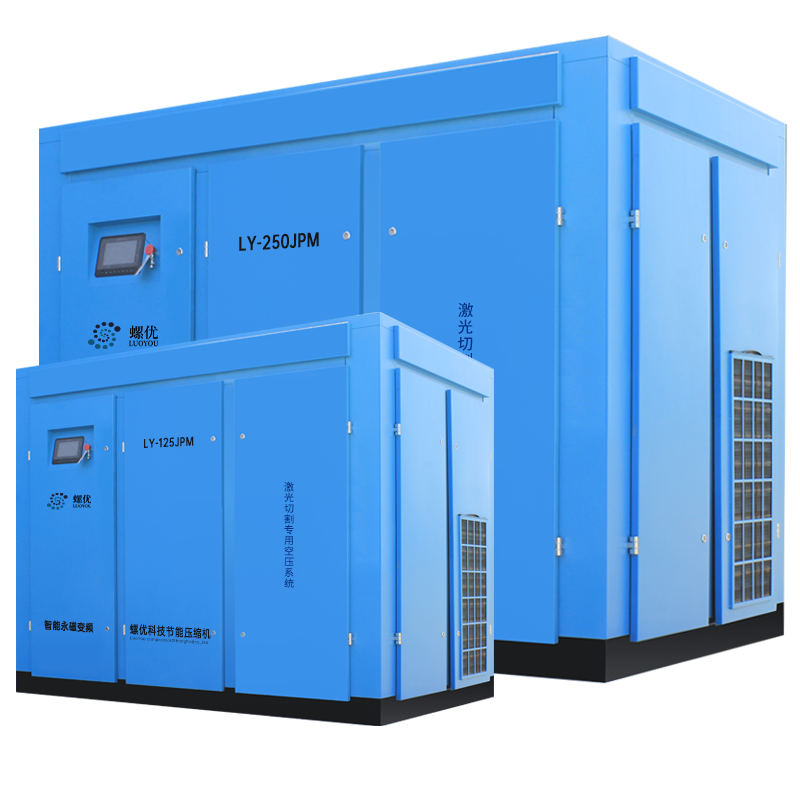
We have integrated compliant sealing materials into our core screw-type offerings, ensuring that your LY-125JPM or LY-250JPM units are ready for global export markets, including Russia-CIS, LATAM, and SEA.
Niche Headache: SEA Humidity and Seal Degradation
In Southeast Asia, high humidity combined with legacy F-Gas refrigerants can accelerate seal degradation. We utilize high-performance, PFAS-compliant alternatives that handle the "SEA Humidity Factor" without compromising the ISO 8573-1 Class 0 Integrity of your air stream.

Frequently Asked Questions (Q&A)
Q: Can I just replace my seals with EPDM to be compliant?
A: Not always. While EPDM is generally PFAS-free, it lacks the oil resistance of FKM. In oil-injected screw compressors, this could lead to catastrophic seal failure. You need a engineered solution, contact our technical support for a material compatibility review.
Q: Does AirSpace provide CE and ISO 9001 documentation for export?
A: Yes. Every unit we ship includes verified CE and ISO 9001:2015 documentation. We support global logistics and export requirements for all manufacturing hubs.
Q: How does PMV technology help with compliance?
A: By reducing energy consumption by 35% compared to fixed-speed units, PMV technology lowers the overall environmental footprint of your facility, helping meet ESG (Environmental, Social, and Governance) targets that often go hand-in-hand with PFAS reporting.
Get a Proposal for a Compliant System
Ready to upgrade to a 2026-compliant, high-efficiency screw compressor system? Our technical team will help you configure a system that meets both your flow requirements and regulatory mandates.
Note: Lead times vary based on specific configuration and material requirements.
Please provide your requirements below:
- Required Pressure (bar/psi): ________
- Required Flow (m³/min or CFM): ________
- Application Industry: ________
Author: Penny Winston
Technical Writer, AirSpace Machinery Co., Ltd.
Expert in The 35% Energy Delta, The Fourth Utility Concept, and ISO 8573-1 Class 0 Integrity.
Reviewed by Engineering
Compliance Division, AirSpace Machinery Co., Ltd.
Internal Links:
📅 Last updated:
⚡ Is Your Factory Bleeding Cash?
Most fixed-speed compressors waste $3,600/year in "Unload Tax." Test your waste level in 30 seconds.
RUN THE ROI TEST →Ready to See How Much Your Facility Can Save?
Fill out the form below for a Free Energy Assessment.