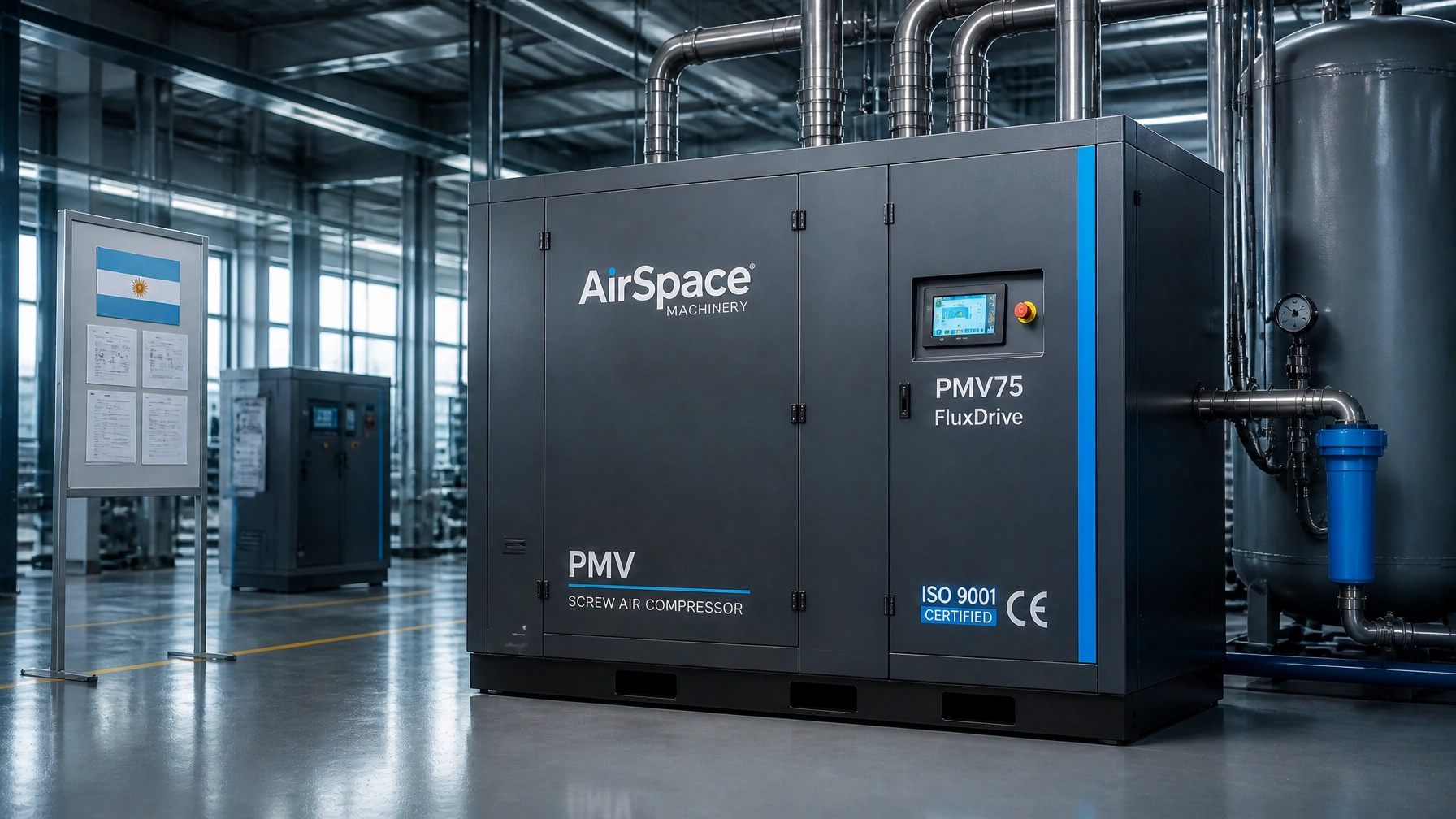
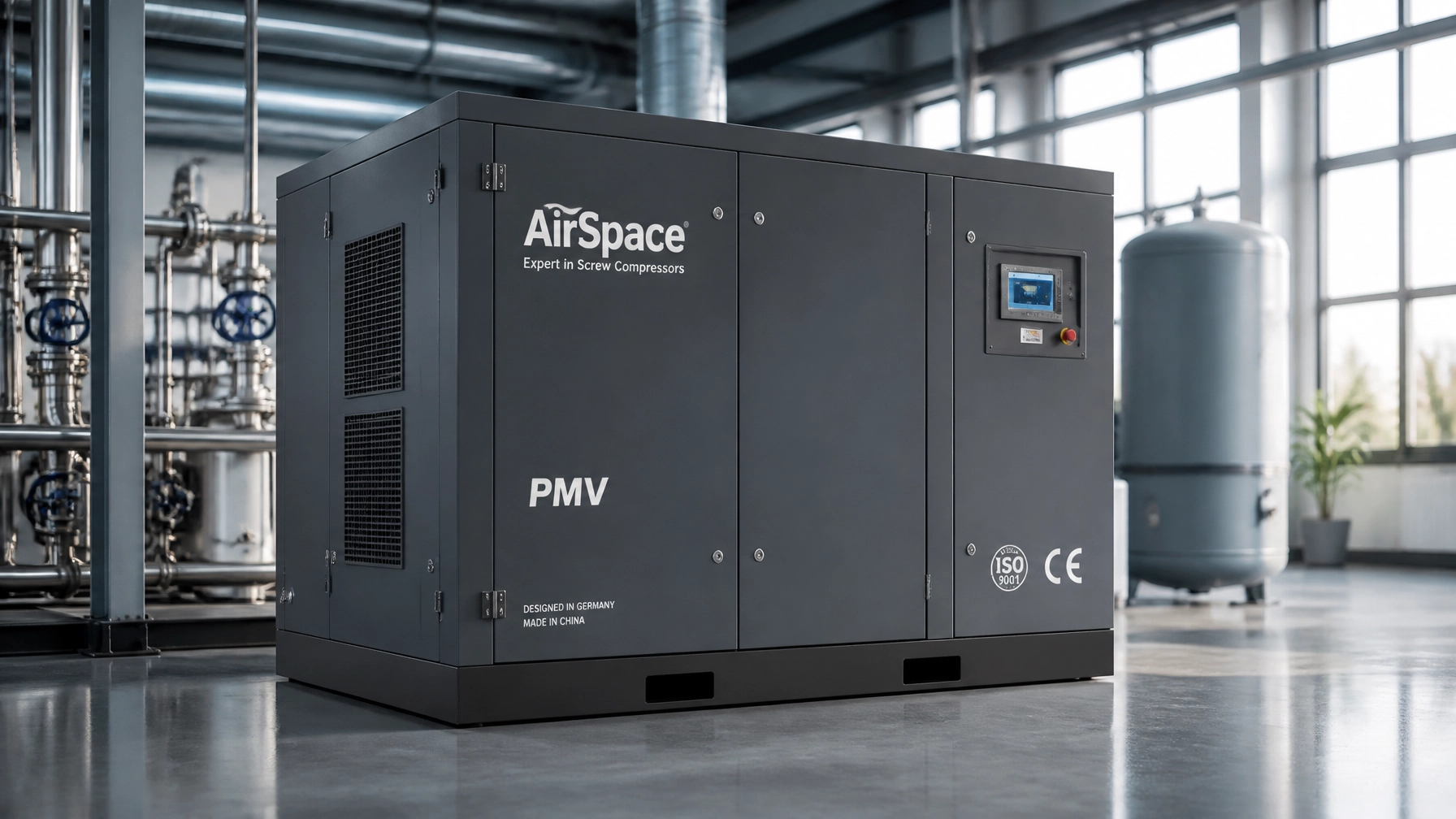
Not all TÜV Class 0 claims in the Chinese air compressor market are created equal. Here is how procurement teams can verify authentic testing, protect sensitive production lines, and avoid costly compliance traps. When evaluating a TÜV Class 0 certified air compressor for pharmaceutical, food, or electronics manufacturing, factory marketing badges are never enough.
What Is TÜV Class 0 Certification , And Why It Matters
ISO 8573-1 Class 0 represents the absolute pinnacle of compressed air purity. Under this international standard, oil contamination, aerosol, liquid, and vapor, must be undetectable across rigorous laboratory testing protocols. When a supplier offers a TÜV Class 0 certified air compressor, they are promising zero measurable oil carryover into downstream pipelines.
Unlike self-declared specifications from budget suppliers or legacy industry giants that rely on internal estimates, independent third-party validation by testing authorities like TÜV Rheinland or TÜV SÜD ensures that oil-free screw air compressors meet strict purity limits. For contamination-sensitive sectors, this certification is the primary defense against ruined product batches, sterilization failure, and regulatory penalties.
5 Red Flags When a Supplier Claims TÜV Class 0
Navigating international equipment procurement requires deep technical skepticism. Procurement teams evaluating a TÜV Class 0 certified air compressor must watch out for these five critical warning signs:
- No Certificate Number or Document ID: If a supplier's website or quotation displays a generic TÜV logo without a traceable certificate identification number or verification link, treat the claim with extreme caution.
- Certificate Issued to a Different Entity: Many trading entities or secondary assemblers display certificates belonging to completely different component manufacturers or unrelated corporate shells.
- Only a Single Legacy Model Tested: Some manufacturers test a single small prototype in a laboratory setting while marketing the entire 10 HP to 540 HP product range as "fully certified."
- Expired or Near-Expiry Documentation: Audits lapse. A certificate that expired two years ago provides zero legal or operational protection for current capital expenditures.
- Inability to Provide Full Test Reports: If a vendor provides only a glossy marketing badge but refuses or delays sharing the multi-page third-party test report detailing ISO 8573-1 testing parameters, walk away.

How to Verify a TÜV Class 0 Certificate in 3 Steps
Verifying supplier documentation does not require an engineering degree, but it does demand a structured, forensic approach to vendor compliance.
- Step 1: Request the Full Certificate PDF and Document ID. Ask for the complete, unredacted certificate file directly from the vendor. Check the issuing body database to confirm active status and matching corporate names.
- Step 2: Examine the Scope and Pressure Thresholds. Confirm whether the certification covers the exact model configuration you are purchasing, whether oil-free screw, low-pressure, or variable frequency units ranging from 10 HP to 540 HP.
- Step 3: Require the Third-Party Test Report. Insist on reviewing the underlying laboratory test data verifying that oil aerosol and hydrocarbon vapor levels remain strictly below detectable limits under operating loads.
Why a Trading Company Can Offer Better TÜV Class 0 Assurance Than a Single Factory
A common misconception in industrial procurement is that buying directly from a single factory guarantees superior compliance. In reality, a single factory is locked into its own proprietary air end supplier, single-line tooling, and fixed product catalog. If their specific manufacturing run encounters supply chain bottlenecks or technical limitations, your project suffers.
As an agile engineering-focused trading and supply partner, AirSpace Machinery operates differently. We maintain direct, vetted access to multiple TÜV-certified partner factories across China. This flexibility allows us to match your exact pressure, flow, and purity requirements with the most rigorously audited production lines available. Whether you need a compact 20 HP oil-free unit or a massive 180 HP permanent magnet variable frequency system, we provide objective verification, multi-brand adaptability, and uncompromised compliance. Explore our core engineering standards and background on our Master Hub.
TÜV Class 0 Air Compressor Applications , Where Certification Is Non-Negotiable
Deploying uncertified compressed air in sensitive environments is a financial catastrophe waiting to happen. ISO 8573-1 Class 0 integrity is mandatory across several high-stakes industries:
- Pharmaceutical GMP Cleanrooms: Where compressed air directly contacts active pharmaceutical ingredients, any trace of oil compromises human safety and triggers FDA or EMA audit failures.
- Food and Beverage Aseptic Packaging: Dairy, brewing, and bottling facilities rely on oil-free compression to prevent product rancidity, off-flavors, and costly product recalls.
- Electronics Semiconductor Fabrication: Microchip production requires particle-free and hydrocarbon-free pneumatic control air to prevent microscopic circuit defects.
- Medical Device Manufacturing: Cleanroom assembly tools and packaging lines demand absolute purity to maintain sterility standards.
Frequently Asked Questions
Can I trust a Chinese air compressor with TÜV Class 0 certification?
Yes, provided you independently verify the test report, certificate ID, and issuing authority. Top-tier Chinese manufacturing facilities utilize world-class air ends and rigorous quality protocols that match or exceed European legacy standards, supported by CE and ISO 9001 compliance.
How much does a TÜV Class 0 certified air compressor cost?
While initial capital investment for true oil-free systems is higher than lubricated alternatives, advanced permanent magnet variable frequency (PMV) technology achieves a 35% energy delta that recovers the price difference within 12 to 18 months of continuous industrial operation.
Is TÜV Class 0 the same as oil-free?
Not necessarily. Many compressors are marketed as "oil-lubricated with filtration" or "oil-free design," but only units certified to ISO 8573-1 Class 0 guarantee zero detectable oil content under extreme testing conditions.
How do I know if a TÜV certificate is genuine?
Cross-reference the certificate number on the official verification portal of the issuing organization (such as TÜV Rheinland or TÜV SÜD) and ensure the applicant name matches your direct supplier.
What is the difference between TÜV Rheinland, TÜV SÜD, and TÜV Nord?
All three are globally recognized independent testing and certification organizations based in Germany. They operate under strict European accreditation standards, though individual certificates carry specific scope codes and testing dates that must be verified independently.
Conclusion : Your Assurance Starts with Verification
Procuring high-performance industrial equipment requires moving beyond marketing brochures and demanding verifiable technical proof. By enforcing strict ISO 8573-1 Class 0 verification, scrutinizing audit documentation, and partnering with flexible, multi-factory suppliers like AirSpace Machinery, your facility secures reliable, contamination-free operations. Contact our engineering team today to review compliance documentation and request a tailored quotation for your facility.
Author: Johnny Wayne : PMV & Oil-Free Technical Consultant, AirSpace Machinery Co., Ltd.
Reviewed by Engineering: AirSpace Technical Quality Assurance Group
Contact: AirSpace Machinery Co., Ltd. | Website: chinacompressor.org | Standards: CE, ISO 9001, TÜV-Audited Supply Partnerships
📅 Last updated:
⚡ Is Your Factory Bleeding Cash?
Most fixed-speed compressors waste $3,600/year in "Unload Tax." Test your waste level in 30 seconds.
RUN THE ROI TEST →Ready to See How Much Your Facility Can Save?
Fill out the form below for a Free Energy Assessment.