Last Updated: September 6, 2026
This comprehensive guide is designed for facility managers, maintenance technicians, and plant engineers who want to eliminate costly compressed air leaks from their systems. Whether you operate a manufacturing facility, processing plant, or any industrial operation that relies on compressed air, understanding these common mistakes will help you protect your bottom line, extend equipment life, and optimize system efficiency.
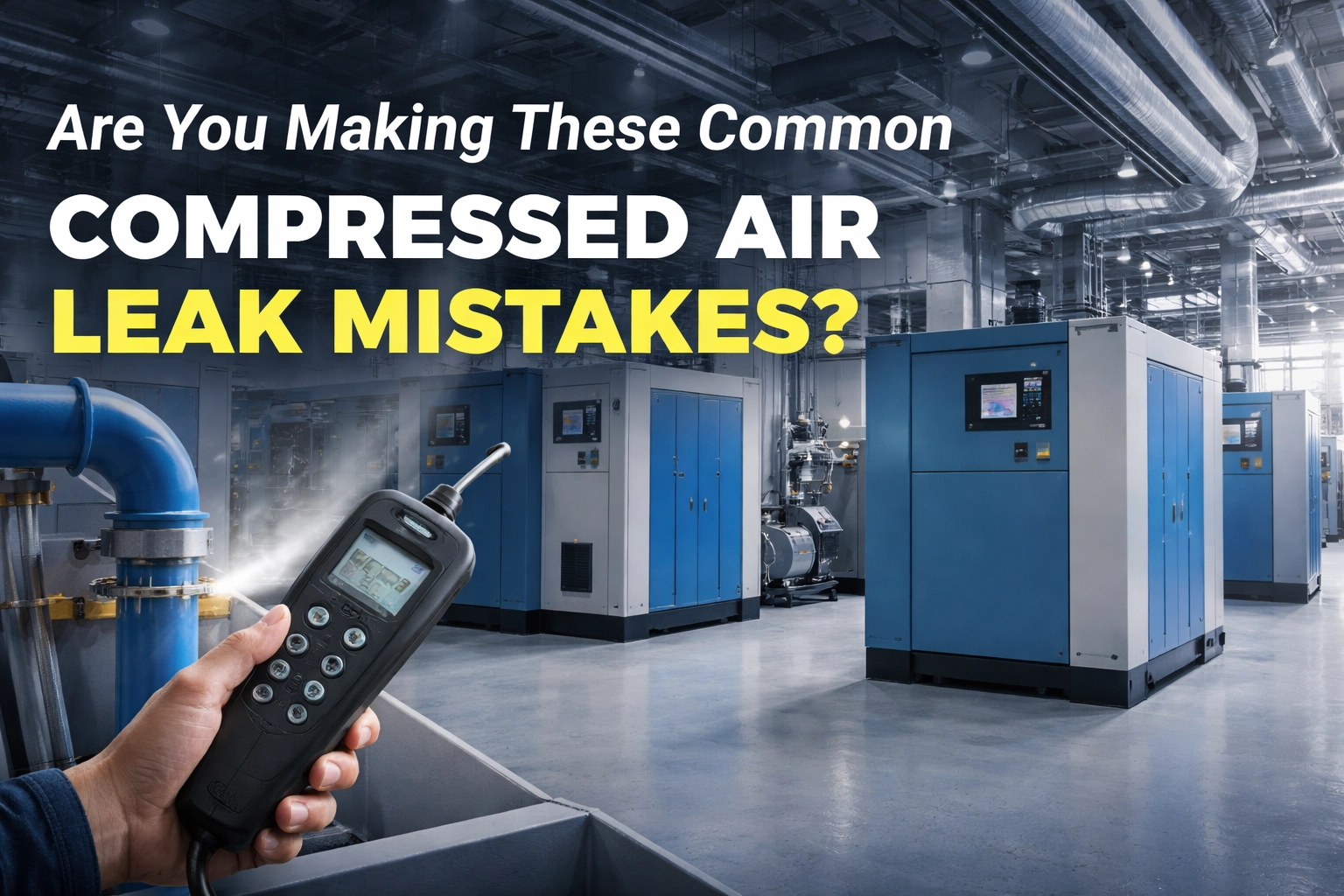
Compressor air leaks are silent profit killers. A single quarter-inch leak in your system can drain anywhere from $2,500 to $8,000 from your annual operating budget. Yet most facilities unknowingly make the same preventable mistakes that allow these costly leaks to persist for months or even years.
At AirSpace Machinery, we have seen countless compressed air systems underperforming due to overlooked leak issues. The good news? Most of these problems are entirely avoidable once you know what to look for. Let us walk through the most common compressed air leak mistakes and, more importantly, how to fix them.
Mistake 1: Ignoring Common Leak Points Like Threaded Joints and Condensate Drains
Many facility managers focus their leak detection efforts on obvious components like main pipes and tanks while completely overlooking the most common leak sources.
Threaded joints and connectors are notorious leak points because they loosen naturally under constant vibration from your energy-efficient air compressor systems. Condensate drains and traps often get neglected during routine maintenance despite being frequent culprits. Valve seals and O-rings deteriorate silently as heat and pressure take their toll over time.
Other commonly missed locations include quick disconnects, pipe joints, flanges, areas where thread sealant was applied, and point-of-use devices. If you are only checking the big, visible components, you are likely missing where most of your air is actually escaping.
According to the U.S. Department of Energy, compressed air leaks can account for 20 to 30 percent of a compressor’s output in a typical industrial facility, representing one of the largest sources of wasted energy in manufacturing operations.
Mistake 2: Operating at Higher System Pressure Than Your Applications Require
Here is a mistake we see constantly: facilities running their systems at higher PSI than their applications actually require. It seems harmless, but excessive pressure creates several problems at once.
Higher pressure means more stress on every seal, joint, and connection in your system. This accelerates wear and dramatically increases leak frequency. It also wastes energy since your compressor works harder to maintain unnecessary pressure levels.
Many plants operate with 10 to 20 PSI more than they actually need. Reducing your system pressure to match actual demand can cut leak rates and energy consumption simultaneously. An energy-efficient air compressor paired with proper pressure management delivers the best of both worlds.
Mistake 3: Depending Only on Visual Inspections to Find Air Leaks
Walking through your facility and looking for obvious problems is better than nothing, but visual inspections alone miss the majority of compressed air leaks. Most leaks are invisible to the naked eye.
The soapy water method remains one of the most effective detection techniques available. Simply apply a solution of soapy water to suspected leak points and watch for bubbles forming. Where bubbles appear, air is escaping.
For quieter environments, listening for hissing sounds can help identify larger leaks. However, in noisier industrial settings, this approach falls short. Ultrasonic leak detectors are the gold standard for comprehensive leak detection. These devices pick up the high-frequency sound waves that leaks produce, even in loud factory environments.

Mistake 4: Installing Double-Ferrule Compression Fittings Incorrectly
Double-ferrule compression fittings present a particular challenge that trips up even experienced technicians. There are more than 20 different assembly methods out there, but only one correct way to install these fittings.
The rear ferrule is the most common source of performance issues. When it is missing or installed backwards, leaks are almost guaranteed. This single installation error accounts for a surprising number of chronic leak problems in compressed air systems.
Always follow manufacturer specifications exactly when installing fittings. If you are unsure, consult with your equipment provider. At AirSpace Machinery, our engineering team provides detailed installation guidance for all components to prevent these common mistakes.
Mistake 5: Over-Tightening Connections and Damaging Seals
When a leak is discovered, the natural instinct is to tighten the connection until it stops. This approach often backfires badly.
Over-tightening damages threads, crushes seals, and deforms fittings. The result is often a worse leak than you started with, plus a component that now needs complete replacement rather than simple adjustment.
The proper approach involves gradual tightening in small increments while testing for leaks between each adjustment. Use a torque wrench when specifications are available. If a connection will not seal properly after reasonable tightening, the seal or fitting itself likely needs replacement.
Mistake 6: Making Partial Repairs Instead of Conducting a Full System Assessment
Replacing only the damaged section of a hose or fixing only the specific joint that is leaking might seem efficient. In reality, this patchwork approach often leads to recurring issues.
When one component fails, similar components of the same age and usage pattern are likely close behind. A single hose failure usually indicates that other hoses in the system are nearing the end of their service life as well.
Comprehensive system assessment identifies not just current leaks but potential future failure points. This proactive approach prevents the frustrating cycle of fixing one leak only to have another appear weeks later.
Mistake 7: Failing to Schedule Regular Compressed Air Leak Audits
The most expensive compressed air leaks are the ones you never find. Without scheduled leak audits, problems accumulate silently while your energy bills climb.
Best practice calls for formal leak detection audits at least quarterly, with monthly spot checks on known problem areas. Document every leak found, the repair performed, and the date. This data helps identify patterns and predict future maintenance needs.
Professional leak audits using ultrasonic equipment can detect problems that in-house inspections miss. Many facilities find that professional audits pay for themselves many times over through the leaks they uncover.
Prevention Strategies: How to Build a Leak-Resistant Compressed Air System
Detection is essential, but prevention is even better. Several practices dramatically reduce leak frequency from the start.
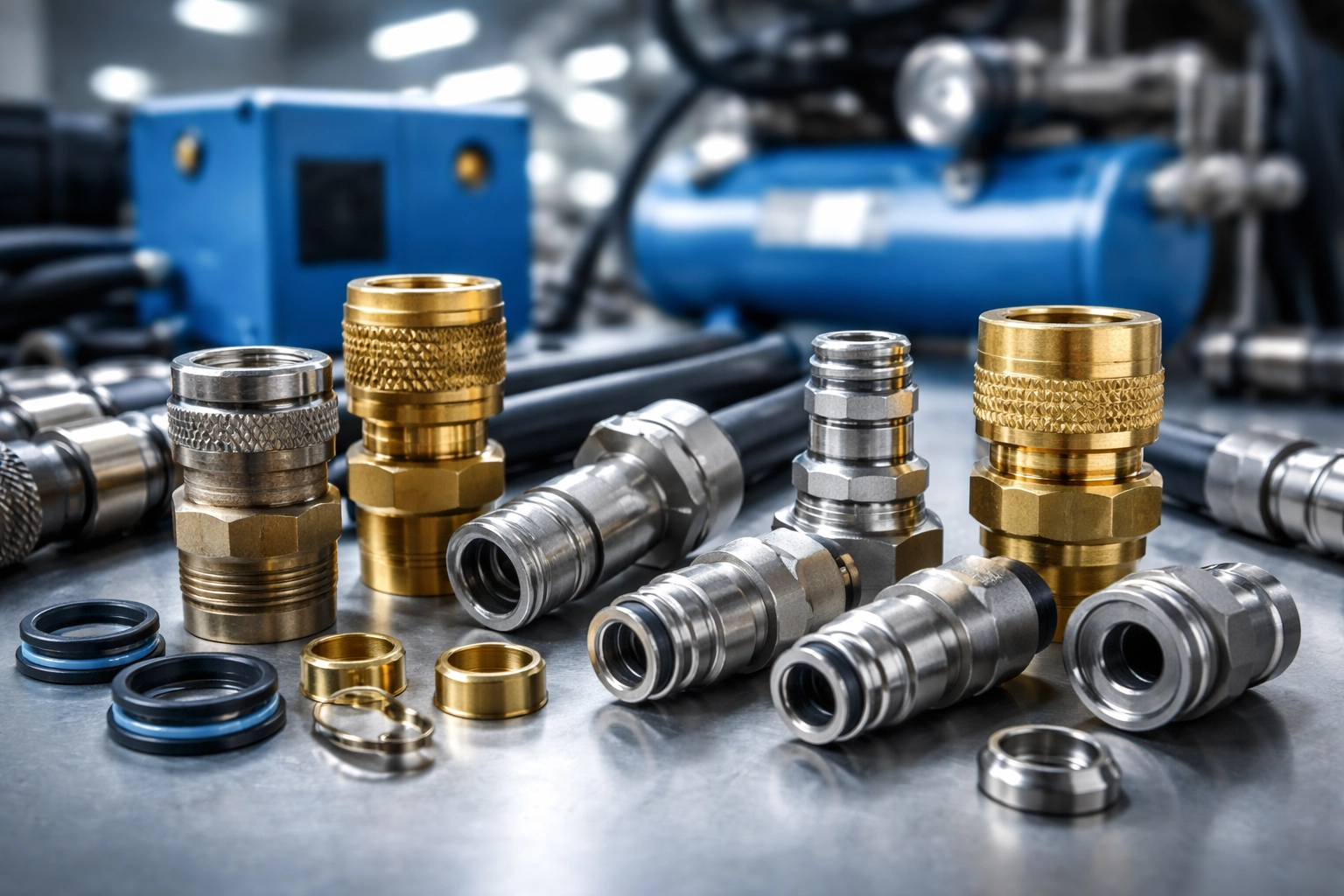
Use quality fittings, hoses, and tubing throughout your system. Budget components often cost more in the long run through higher leak rates and shorter service life. Apply thread sealant correctly and consistently on all threaded connections.
Verify all connections after initial pressurization. New installations often develop small leaks once the system reaches operating pressure. Catching these immediately prevents them from worsening over time.
Specify an energy-efficient air compressor with variable frequency drive technology. These systems adjust output to match demand, reducing unnecessary pressure fluctuations that stress connections and accelerate seal wear.
The Bottom Line: Why Leak Prevention Delivers Rapid Return on Investment
Compressed air leaks are not inevitable. With proper detection methods, correct installation practices, and regular maintenance audits, most facilities can reduce their leak rates by 50 percent or more.
The financial impact is substantial. Between direct energy savings and reduced maintenance costs, a comprehensive leak management program typically delivers return on investment within the first year.
Ready to improve your compressed air system efficiency? Our engineering team at AirSpace Machinery can help you specify the right energy-efficient air compressor for your application and provide guidance on leak-resistant system design.
Get a Proposal: Visit https://www.chinacompressor.org/contact-us to discuss your requirements. Pressure (bar/psi) and flow (m³/min or CFM) specifications required. Lead time depends on configuration.
Reviewed by Engineering | AirSpace Machinery Co., Ltd.
CE and ISO 9001 Certified
Sources and Standards
Leak cost estimates based on Compressed Air and Gas Institute (CAGI) guidelines for industrial compressed air systems. Detection methods reference ISO 11011 standards for compressed air energy audits. Installation practices align with manufacturer specifications for industrial fitting assemblies.
Frequently Asked Questions About Compressor Air Leaks
How much money can a single compressed air leak cost my facility per year?
A single quarter-inch leak in your compressed air system can cost between $2,500 and $8,000 annually in wasted energy. The exact cost depends on factors such as your local electricity rates, system operating pressure, and how many hours per day your compressor runs. Larger leaks or multiple small leaks can quickly multiply these losses into tens of thousands of dollars.
What is the most effective method for detecting compressed air leaks in a noisy industrial environment?
Ultrasonic leak detectors are the gold standard for finding compressed air leaks in loud factory settings. These devices detect the high-frequency sound waves that escaping air produces, which are inaudible to the human ear but easily picked up by ultrasonic sensors. This technology allows technicians to pinpoint leaks accurately even when background noise makes traditional listening methods impossible.
How often should I schedule compressed air leak audits for my facility?
Best practice recommends conducting formal leak detection audits at least quarterly, with monthly spot checks on areas known to be problematic. Documenting every leak found, along with the repair performed and date, helps identify patterns and predict future maintenance needs. Many facilities find that professional ultrasonic audits pay for themselves multiple times over through the energy savings they enable.
Why does running my compressor at higher pressure increase the risk of air leaks?
Higher operating pressure places more stress on every seal, joint, fitting, and connection throughout your compressed air system. This accelerated stress causes components to wear out faster and dramatically increases the frequency of leaks developing. Additionally, your compressor must work harder to maintain unnecessary pressure levels, wasting energy even before accounting for any leaks.
What are the most commonly overlooked locations for compressed air leaks?
The most frequently missed leak sources include threaded joints and connectors that loosen from vibration, condensate drains and traps that are neglected during maintenance, and valve seals and O-rings that deteriorate over time. Quick disconnects, pipe joints, flanges, areas with thread sealant, and point-of-use devices are also commonly overlooked during inspections.
Can over-tightening a connection actually make a compressed air leak worse?
Yes, over-tightening is a common mistake that often backfires significantly. Excessive torque can damage threads, crush seals, and deform fittings, resulting in a worse leak than you started with. The proper approach is to tighten gradually in small increments while testing for leaks between each adjustment, and to use a torque wrench when manufacturer specifications are available.
How can an energy-efficient air compressor help reduce leak-related problems?
Energy-efficient air compressors with variable frequency drive (VFD) technology adjust their output to match actual demand, which reduces unnecessary pressure fluctuations throughout your system. These fluctuations stress connections and accelerate seal wear over time. By maintaining steadier operating conditions and allowing precise pressure management, VFD compressors help extend component life and reduce the frequency of new leaks developing.
📅 Last updated:
⚡ Is Your Factory Bleeding Cash?
Most fixed-speed compressors waste $3,600/year in "Unload Tax." Test your waste level in 30 seconds.
RUN THE ROI TEST →Ready to See How Much Your Facility Can Save?
Fill out the form below for a Free Energy Assessment.