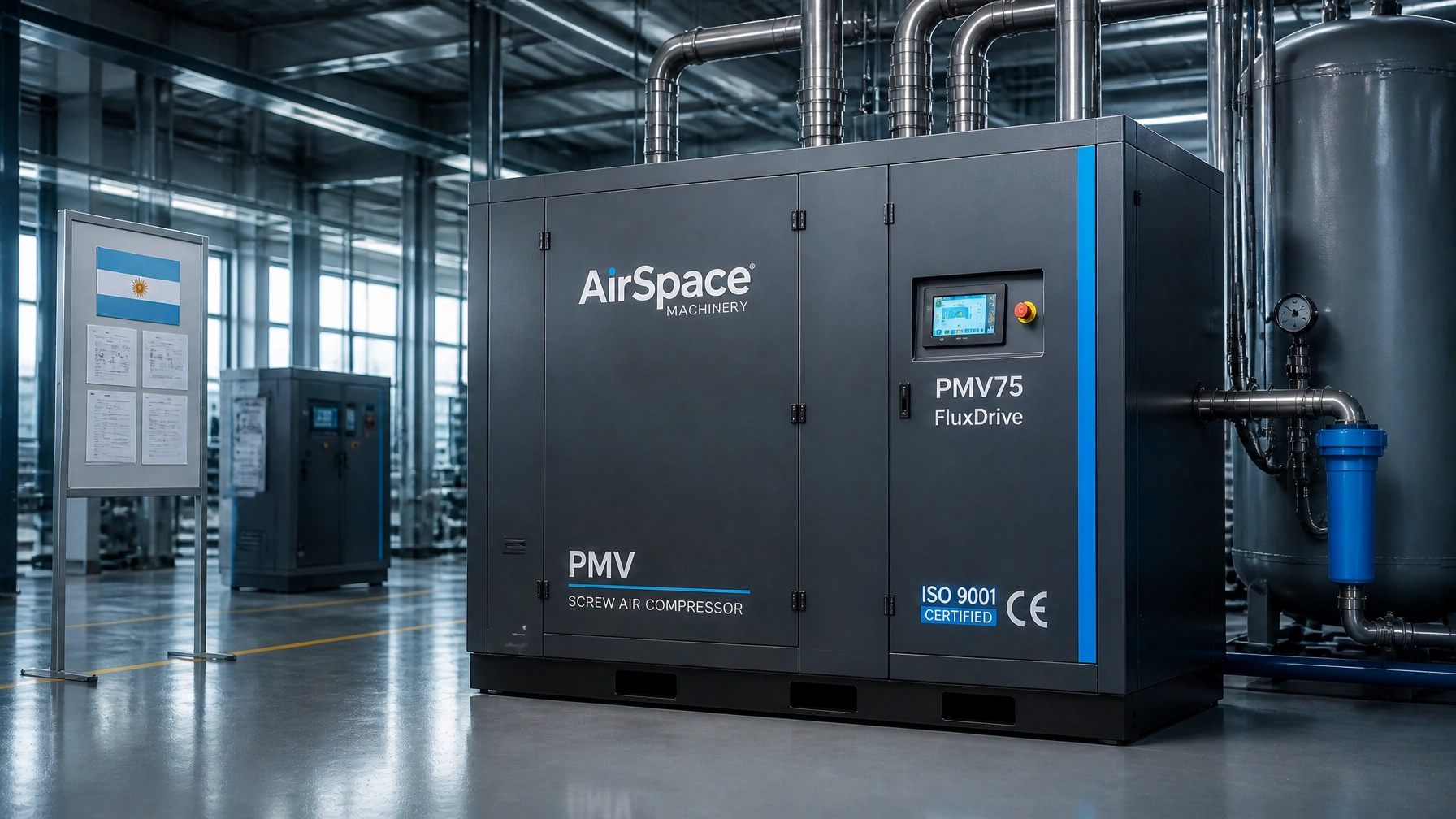
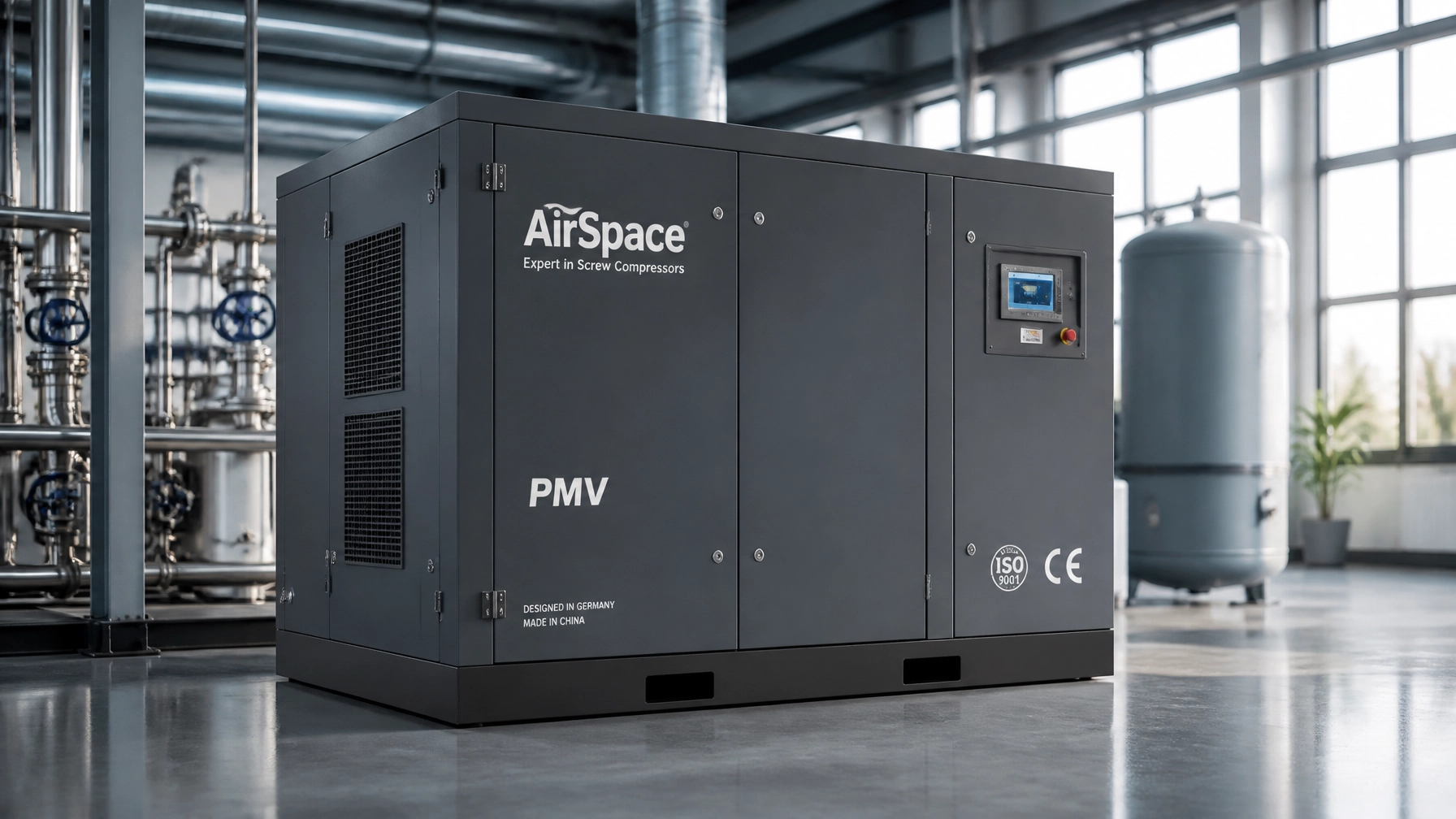
Class 0 air is the highest standard of air purity defined by ISO 8573-1, ensuring that oil content, in liquid, aerosol, or vapor form, is strictly below 0.01 mg/m³. For food and pharmaceutical managers, that matters for one blunt reason: a single drop of oil can trigger a product recall, fail an audit, shut down a batch, and wreck sleep for weeks. In these environments, Class 0 is not a badge. It is an insurance policy against catastrophic contamination.
At AirSpace Machinery Co., Ltd., we have spent 20 years perfecting the engineering behind oil-free screw air compressors. With a 4000m² state-of-the-art facility and annual sales exceeding 100M yuan, we support manufacturers that need compressed air to stay invisible, clean, and audit-ready. The real value is simple: fewer contamination worries, fewer worst-case scenarios, and more confidence when quality managers sign off on production.
Why Does ISO 8573-1 Class 0 Certification Matter for Your Facility?
Class 0 certification matters because it is the only way to guarantee that no oil is added during the compression process, meeting standards even more stringent than Class 1. While Class 1 allows for 0.01 mg/m³ of oil, Class 0 is a bespoke standard agreed upon between the manufacturer and the user that must be technically “cleaner” than Class 1.
For many, the confusion lies in “technically oil-free” versus “Class 0 certified.” Many standard compressors use filters to scrub oil out of the air. We don’t do that. Our oil-free screw air compressors are designed from the ground up to ensure that the compression chamber never sees a drop of lubricant. This eliminates the risk of filter failure or heat-induced oil carryover.
The Technical Thresholds of Purity
According to the ISO 8573-1:2010 standards, Class 0 air must meet the following:
- Oil Content: < 0.01 mg/m³ (Total oil).
- Stability: Purity remains consistent regardless of temperature spikes or filter age.
- Particles: Stringent limits on 0.1–5.0 μm particles to prevent mechanical interference in sensitive equipment.
Is a Pharmaceutical Grade Oil-Free Air Compressor Mandatory?
Yes, a pharmaceutical grade oil-free air compressor is mandatory for any process where compressed air comes into direct contact with products, packaging, or laboratory environments. For pharma managers, the stakes are brutally practical: one contamination event can mean rejected batches, failed audits, deviation reports, and uncomfortable calls with regulators.
When you are manufacturing pills or vaccines, compressed air may touch tablet coating, mixing, packaging, instrument air, or product transfer steps. If that air contains oil vapor, you are not dealing with a minor maintenance issue. You are dealing with a contamination risk that can compromise sterility, product integrity, and audit outcomes. That is why Class 0 matters. It helps managers sleep at night because the compression process does not introduce oil into the air stream. Our systems are engineered for these high-consequence environments, backed by 20 years of experience in the field. We also help buyers review compliance and international standards, with CE and ISO 9001 documentation available for verification.

Why is an Oil-Free Air Compressor for Electronics Factory Use Non-Negotiable?
In an electronics factory, an oil-free air compressor is non-negotiable because oil aerosols can settle on silicon wafers and circuit boards, causing permanent defects and manufacturing “shorts.” As microchips get smaller, the margin for error disappears. A single droplet of oil is a mountain to a 5-nanometer transistor.
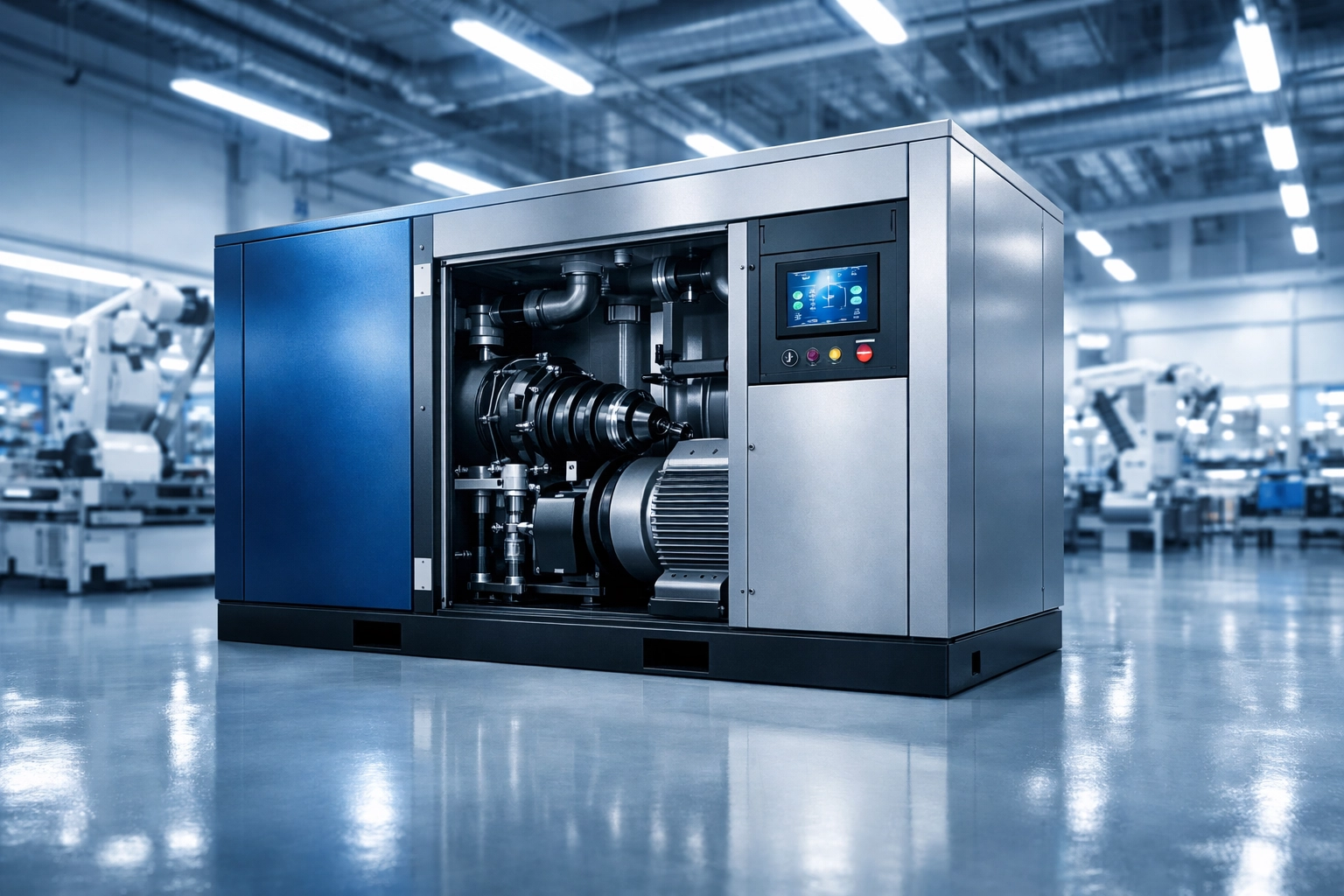
Modern electronics manufacturing requires ultra-dry, ultra-clean air. Our Permanent Magnet Variable Frequency (PMV) Screw Air Compressors provide this by combining oil-free technology with intelligent control. The PMV system ensures that the motor only works as hard as it needs to, which is a massive energy saver for factories running 24/7. When you factor in the 100M yuan in annual sales we achieve, much of that comes from tech-heavy regions where precision is the only currency that matters.
How Does PMV Technology Save Energy in Oil-Free Systems?
PMV technology saves energy by precisely matching the motor speed to the actual air demand, eliminating the “blow-off” waste common in fixed-speed compressors. Standard compressors often run at full tilt and then vent excess air when demand drops. Our PMV screw compressors use permanent magnet motors that adjust in real-time.
For a high-output factory, this translates to:
- Lower Electricity Bills: Energy savings can reach up to 35% compared to traditional units.
- Stable Pressure: No more pressure drops during peak hours.
- Longevity: Reduced wear and tear on the screw elements.
If you’re looking for a compressor at a glance, the PMV oil-free model is the gold standard for efficiency.
How to Prevent Contamination in Harsh Operating Environments?
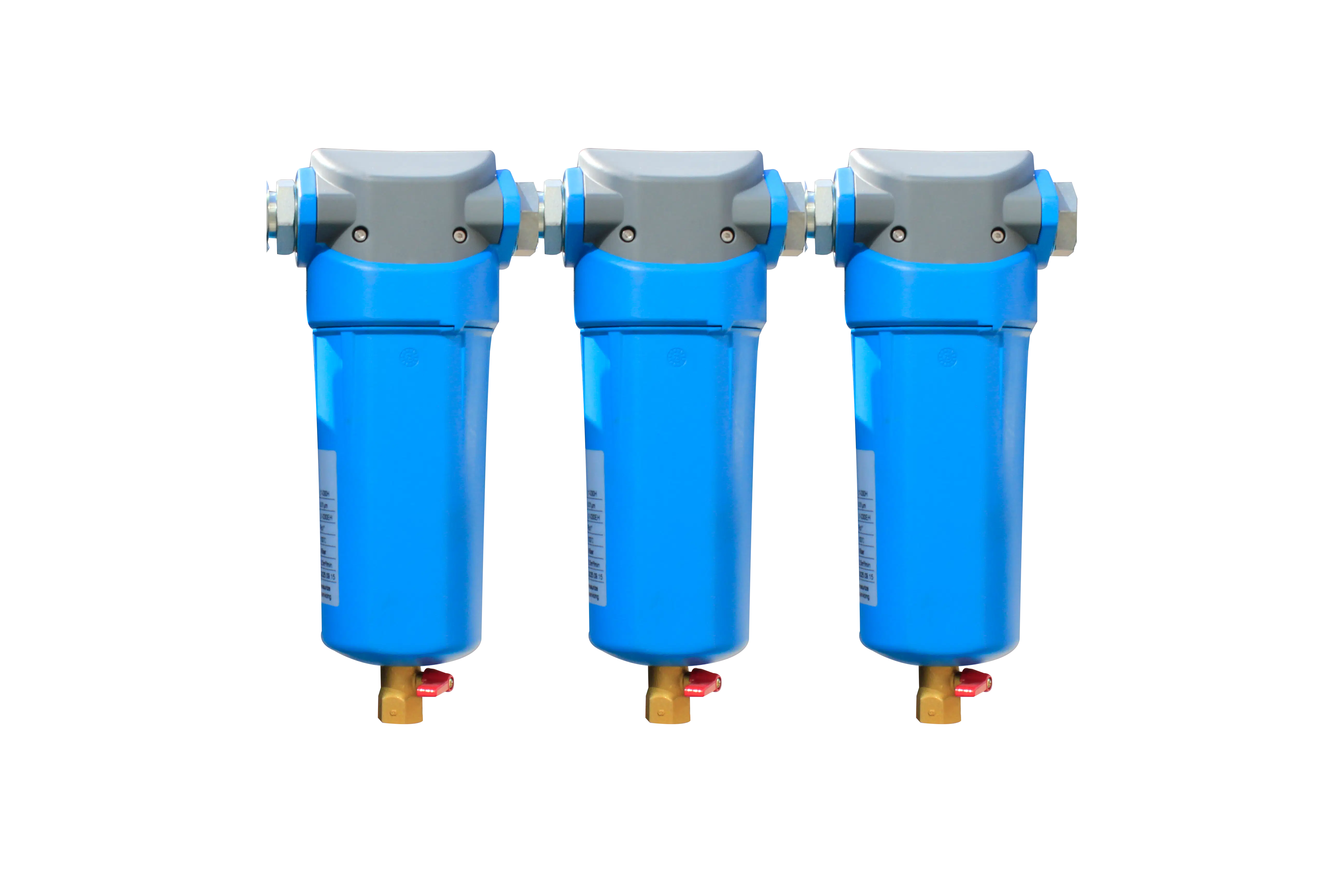
Contamination is prevented through a combination of Class 0 oil-free design and high-efficiency downstream filtration to handle ambient pollutants. While the compressor might be oil-free, the air it “breathes” from the factory floor might not be. This is why we integrate triple high-efficiency air filters into our systems.
In regions like Southeast Asia (SEA), high humidity and high ambient temperatures can lead to excessive moisture and airborne contaminants. Our solutions for these markets include enhanced cooling systems and desiccant dryers to maintain a pressure dew point of –70°C. In LATAM markets, where grid stability can be an issue, our PMV controllers are designed to handle voltage fluctuations without compromising the air purity.
Engineering Excellence: The AirSpace Machinery Difference
We don’t just build machines; we help reduce contamination risk. Our 4000m² facility is dedicated to the philosophy that compressed air should be invisible, stable, and audit-ready. If a food plant manager or pharma quality lead is thinking about oil carryover, that is already a bad day. The goal is simple: help them trust the air system enough to sleep at night.
Our 20-year history in the manufacturing of high-performance industrial air compression systems has taught us that every factory is different. Whether you need a portable model for a construction site or a massive stationary unit for a chemical plant, the engineering remains world-class.
Verifying Quality and Logistics
We understand the concerns of global buyers. When you partner with us:
- Documentation: All units come with verifiable CE and ISO 9001 documentation.
- Export Support: We provide full logistics support for international shipping, ensuring your unit arrives calibrated and ready for installation.
- Lead Times: Our production schedule is optimized for efficiency, though final lead times depend on your specific configuration and customization needs.
Ready to Upgrade to Class 0 Purity?
Choosing the right compressor is a technical decision that affects your bottom line for a decade or more. Don’t settle for “oil-removed” air when you can have “oil-free” air.
[Get a Proposal]
To provide an accurate quote, please include your required Pressure (bar/psi) and Flow Rate (m³/min or CFM) in your inquiry.
Author Box
Penny Winston
Penny is a technical writer at AirSpace Machinery Co., Ltd., specializing in making complex air compression technology accessible to global manufacturers. With a focus on energy efficiency and ISO standards, she helps factories optimize their air systems for the modern age.
Reviewed by Engineering
This article has been reviewed for technical accuracy by the AirSpace Machinery Engineering Department. All claims regarding ISO 8573-1 standards and PMV performance are based on internal testing and international regulatory benchmarks.
Sources and Standards
- ISO 8573-1:2010: Compressed air : Part 1: Contaminants and purity classes.
- ISO 9001: Quality management systems.
- CE Certification: European Conformity for health, safety, and environmental protection.
📅 Last updated:
⚡ Is Your Factory Bleeding Cash?
Most fixed-speed compressors waste $3,600/year in "Unload Tax." Test your waste level in 30 seconds.
RUN THE ROI TEST →Ready to See How Much Your Facility Can Save?
Fill out the form below for a Free Energy Assessment.