CE and ISO 9001 For Air Compressor
The Direct Answer: How to Verify CE and ISO 9001 Certifications on Air Compressor
To verify CE and ISO 9001 certifications when importing industrial equipment from China, you must authenticate the certificate directly with the issuing body, cross-check the certificate number in official databases, and request supporting test reports that match the exact product you intend to purchase. Never rely solely on documentation provided by the supplier. Contact the certifying laboratory or registrar directly, use their online verification portals, and ensure the company name on the certificate matches your supplier exactly.
This verification process protects your business from counterfeit documentation, customs delays, and potential safety liabilities. At AirSpace Machinery Co., Ltd., we maintain verified CE and ISO 9001 certifications across our full range of Energy-Efficient Air Compressor systems, backed by 20 years of engineering excellence and transparent documentation practices.
Why Certificate Verification Matters for Global Buyers
Fake certifications remain a persistent problem in international equipment sourcing. Counterfeit CE marks and fraudulent ISO 9001 certificates can result in customs rejection, equipment seizure, workplace safety violations, and legal liability in your home market. European Union regulations require that CE-marked equipment genuinely meets all applicable EU directives, and importers bear legal responsibility for non-compliant products entering the market.
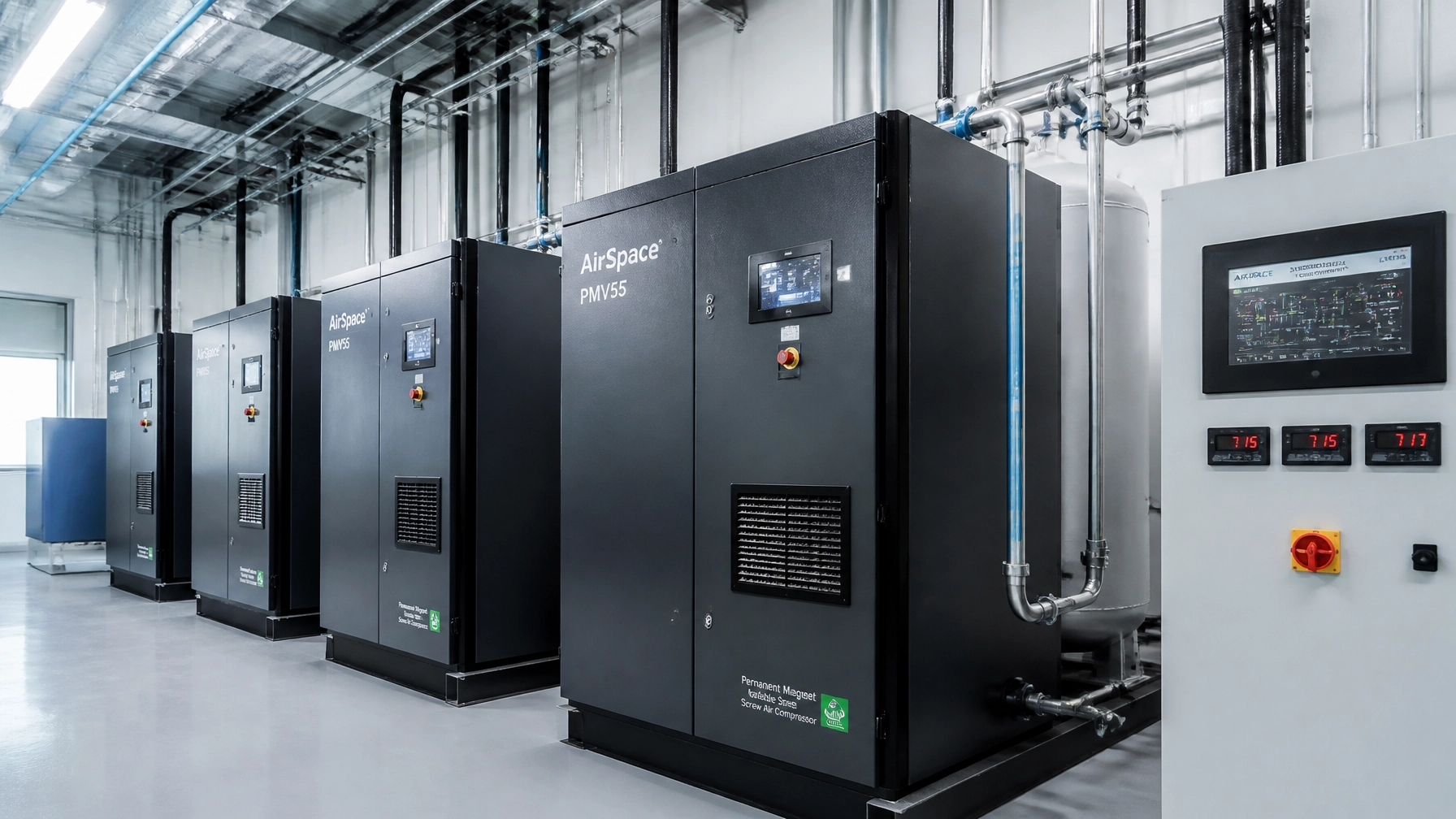
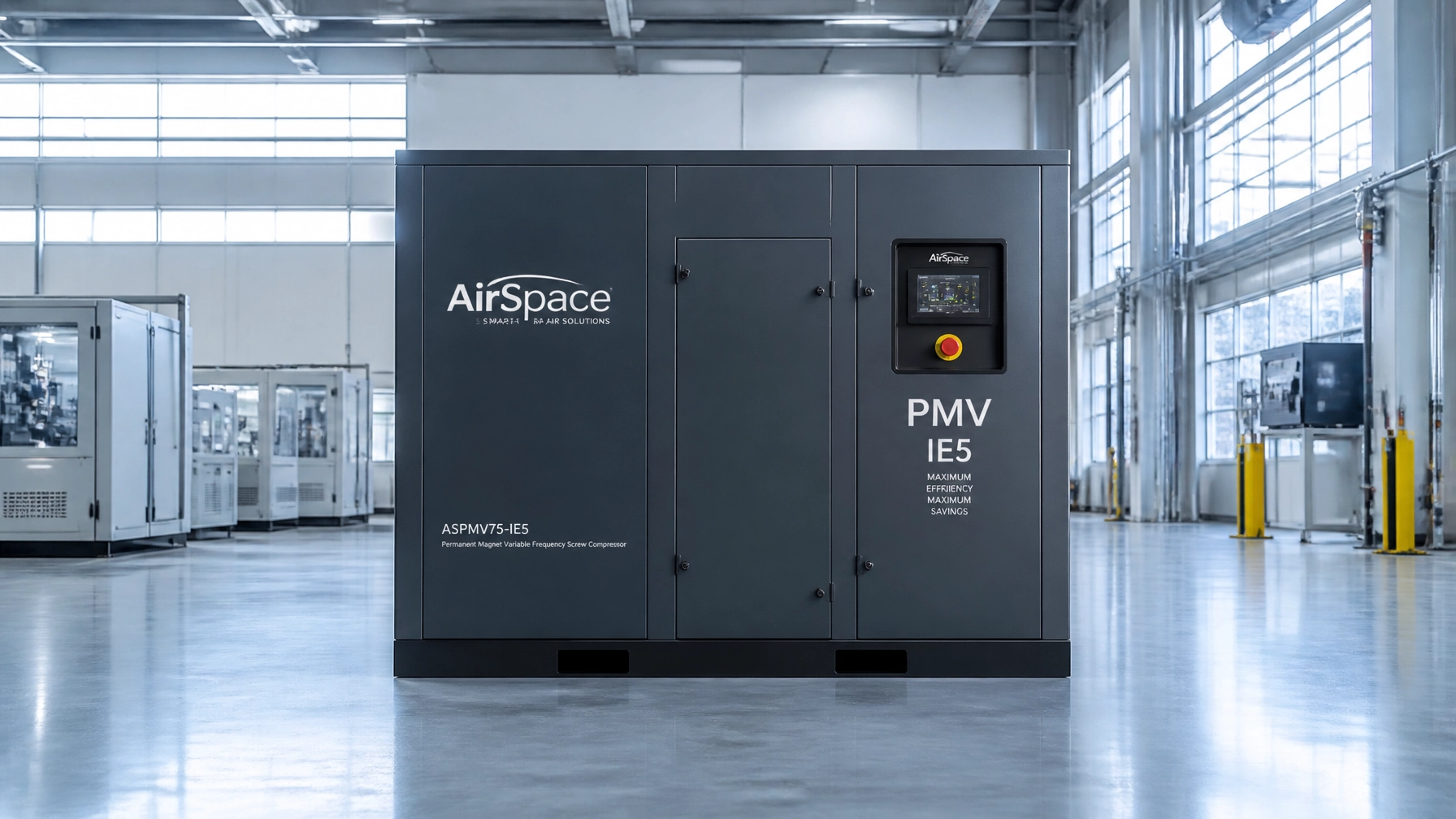
For industrial equipment such as Permanent Magnet Variable Frequency (PMV) Screw Air Compressors, proper certification confirms that electrical safety, electromagnetic compatibility, and pressure equipment requirements have been independently tested and verified. ISO 9001 certification demonstrates that the manufacturer operates a documented quality management system with consistent production standards.
Step-by-Step CE Certificate Verification Process
The CE marking verification process requires systematic document review and direct confirmation with the testing laboratory.
First, request the complete certificate in PDF format from your supplier. Photographic images or scanned copies without embedded document security features indicate potential manipulation. Legitimate certificates include unique certificate numbers, the full legal name of the certified company, the specific product models covered, applicable EU directives, and the name and accreditation number of the testing laboratory.
Second, verify that the certificate is current. CE certificates typically require reassessment every three years. Certificates older than three years may indicate that the manufacturer has not maintained ongoing compliance testing or that product designs have changed without recertification.
Third, confirm the testing laboratory appears on the official list of Notified Bodies maintained by the European Commission NANDO database. This database lists all organizations authorized to perform conformity assessments under EU product safety directives. If the laboratory is not listed, the certificate may lack legal validity for EU market entry.
Fourth, contact the certifying laboratory directly using contact information from the official NANDO listing, not from the certificate itself. Request confirmation that the certificate number is valid, currently active, and associated with the company name on your supplier documentation. Many testing organizations now provide online certificate verification portals where you can enter certificate numbers and receive instant authentication.
Fifth, request the complete test report accompanying the certificate. This report should contain photographs of the tested equipment, component specifications, and detailed test results. Verify that product photographs and component markings in the report match the exact equipment you intend to purchase. Any discrepancies between tested products and shipped goods invalidate the certification coverage.
Step-by-Step ISO 9001 Certificate Verification Process
ISO 9001 certification verification follows a parallel authentication pathway through different official channels.
Request the complete ISO 9001 certificate from your supplier, noting the certificate number, the scope of certification, the certification body name, and the accreditation body logo. Legitimate ISO 9001 certificates include the CNCA (Certification and Accreditation Administration of China) accreditation mark for Chinese certification bodies or equivalent national accreditation marks for international registrars.
Verify the certification body through the International Accreditation Forum (IAF) CertSearch database at iafcertsearch.org. This global database contains over 500,000 valid management system certificates issued by accredited certification bodies worldwide. Enter your supplier’s company name or certificate number to confirm the certificate exists and remains valid.
For certificates issued by Chinese certification bodies, verify accreditation through the CNCA official website. The CNCA maintains a searchable database of accredited certification bodies and their issued certificates. Cross-reference the certification body accreditation number with this database to confirm authorization.
Contact the certification body directly to confirm certificate validity and scope. Verify that the certified scope covers the specific products you intend to purchase. An ISO 9001 certificate for general manufacturing operations may not cover specialized product lines unless explicitly stated in the certification scope.
Red Flags That Indicate Potentially Fake Certifications
Several warning signs indicate potentially fraudulent documentation requiring additional investigation.
Company name mismatches between the certificate and your supplier represent significant red flags. Trading companies frequently present certificates belonging to their manufacturing partners, but you must obtain written confirmation explaining the relationship and verify that the certified manufacturer actually produces the equipment you will receive.
Certificates without unique certificate numbers or with numbers that do not return results in official databases indicate probable forgery. Certificates with unusual formatting, spelling errors, or low-resolution logos suggest document manipulation.
Suppliers who resist providing test reports, decline to share certification body contact information, or discourage direct verification have something to hide. Legitimate manufacturers welcome certification verification because it demonstrates their compliance investment.
Test reports showing “Fail” results on any parameter, even if subsequently marked as “Pass” after retesting, require explanation. Request documentation of corrective actions taken between test iterations.
Independent Testing: The Final Verification Layer
Certificate verification confirms documentation authenticity but does not guarantee that shipped products match certified samples. Independent testing of production samples provides the ultimate verification layer.
Select a testing laboratory with ISO 17025 accreditation from a reputable national accreditation body. Never use testing facilities recommended by your supplier, as independence cannot be guaranteed. Arrange for sample selection by a third party, not by the supplier, to ensure randomly selected units represent actual production quality.
For Permanent Magnet Variable Frequency (PMV) Screw Air Compressors and other industrial air compression equipment, independent testing should verify electrical safety parameters, pressure vessel compliance, noise emission levels, and energy efficiency claims. Compare test results against the original certification test reports to confirm consistency.
How AirSpace Machinery Co., Ltd. Supports Buyer Verification
AirSpace Machinery Co., Ltd. operates with full transparency in certification documentation. Our CE and ISO 9001 certifications cover our complete range of Energy-Efficient Air Compressor systems, including Permanent Magnet Variable Frequency (PMV) Screw Air Compressors manufactured at our 4000m² facility.
We provide complete certificate packages including PDF certificates with unique verification numbers, full test reports with product photographs, certification body contact information for direct verification, and scope documentation confirming product coverage.
Our 20 years of engineering excellence includes continuous certification maintenance with regular surveillance audits and recertification assessments. We welcome buyer verification inquiries and provide direct contact pathways to our certification bodies upon request.
For international buyers requiring customs documentation, we prepare certification packages formatted for import authority requirements in target markets. Our export documentation includes declaration of conformity statements, technical construction files, and certification authentication letters.

Taking the Next Step
Verifying CE and ISO 9001 certifications protects your business from compliance risks and demonstrates due diligence to regulatory authorities. When evaluating Energy-Efficient Air Compressor suppliers, certification verification should precede commercial negotiations.
AirSpace Machinery Co., Ltd. invites prospective buyers to verify our certifications directly and review our complete technical documentation. Visit our product pages at chinacompressor.org/shop to review specifications, or contact our team at chinacompressor.org/contact-us to request certification packages and discuss your compressed air requirements.
Sources and Standards Referenced
CE Marking: European Commission Regulation (EU) 765/2008 on accreditation and market surveillance. NANDO (New Approach Notified and Designated Organisations) database maintained by the European Commission.
ISO 9001:2015: Quality management systems requirements published by the International Organization for Standardization. IAF CertSearch database maintained by the International Accreditation Forum.
CNCA: Certification and Accreditation Administration of the People’s Republic of China, responsible for accreditation of certification bodies operating in China.
ISO 17025: General requirements for the competence of testing and calibration laboratories, International Organization for Standardization.
Author
Penny Winston | AirSpace Machinery Co., Ltd.
Reviewed by Engineering