Title: Keeping the Air Flowing: Essential Maintenance Tips for Rotary Screw Compressors
Main Content:
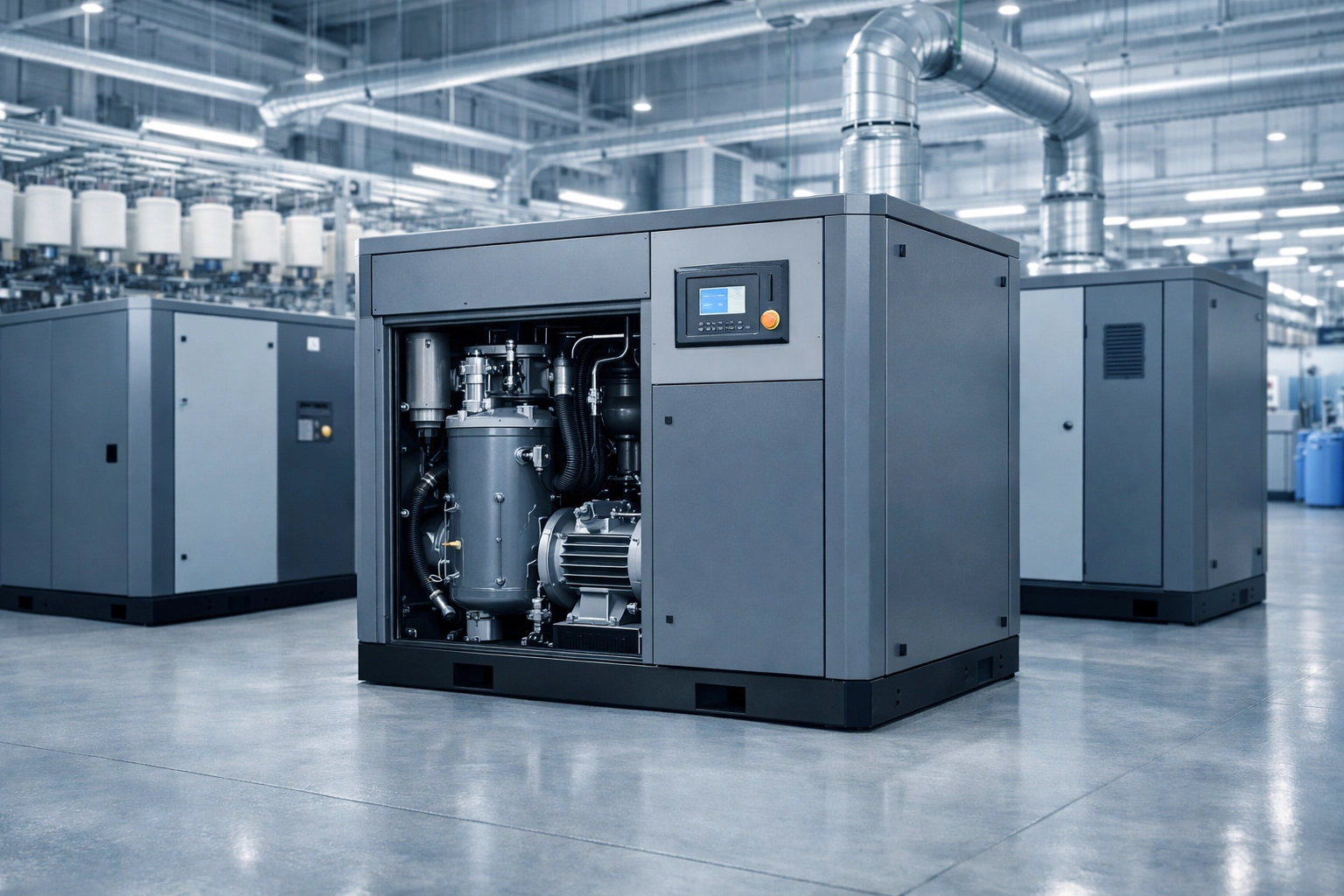
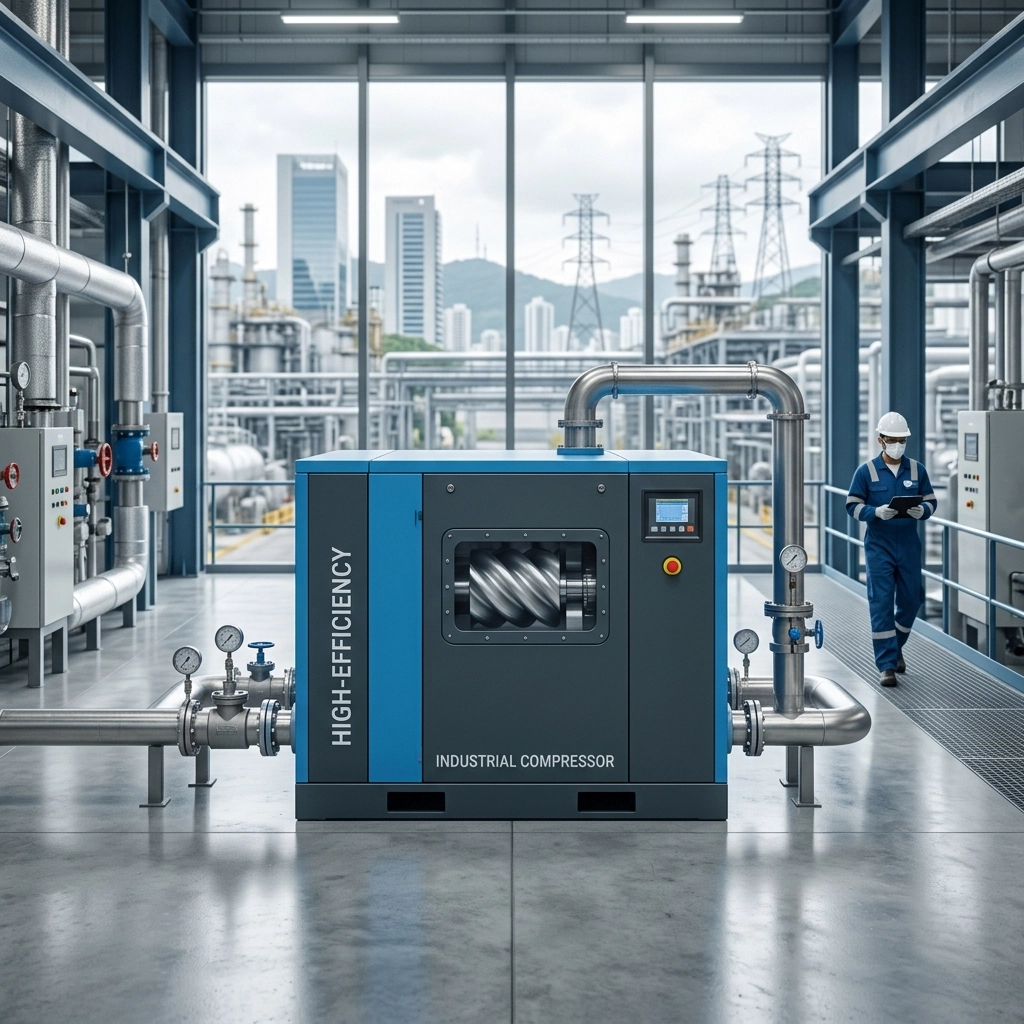
Rotary screw compressors are pieces of vital machinery in numerous industries, providing a reliable source of compressed air. However, like any mechanical device, they require routine maintenance to operate efficiently and prolong their lifespan. Whether you’re a facility manager, part of a maintenance team, or a business owner, understanding the principles of rotary screw compressor maintenance is crucial to keeping your operations running smoothly.
1. Establish a Maintenance Schedule
Regular maintenance is key to avoiding significant breakdowns. Develop a maintenance schedule based on the manufacturer’s recommendations and your operational environment. A typical maintenance routine should include:
– Daily Checks: Inspect oil levels, temperature readings, and listen for unusual noises.
– Weekly Tasks: Clean air intake filters and check for air leaks.
– Monthly Maintenance: Replace oil and filters, check belts and drive components for wear.
– Annual Overhaul: A thorough inspection, including replacement of worn parts, test of safety controls, and verification of capacity.
2. Stay Ahead of Common Issues
Familiarizing yourself with typical problems can save time and money. Common issues include:
– Oil Contamination: This can lead to compressor failures. Regular oil changes and using quality lubricants are essential.
– Air Leaks: Even small leaks can significantly impact efficiency and increase costs. Use ultrasonic leak detectors to identify hidden leaks early.
– Temperature Fluctuations: Monitor temperature variations to prevent overheating and enhance reliability.
3. Practice Preventive Measures
Preventive measures are a best practice to ensure the longevity and reliability of your compressor. Consider these actions:
– Install Proper Filters: Quality filters prevent dust and debris from entering the system, reducing wear and tear.
– Routine Component Checks: Periodically inspect vital components such as the intake valves, separators, and discharge lines for damage or wear.
– Keep the Environment Clean: Maintaining a dust-free environment around the compressor can reduce the amount of contaminants that enter the system and improve overall performance.
By integrating these maintenance practices into your operations, you can ensure your rotary screw compressor remains a robust, reliable source of compressed air. Both experienced professionals and newcomers will find that attentive maintenance is the cornerstone of optimal equipment performance.
—
Relevant Hashtags:
#RotaryScrewCompressor #AirCompressorMaintenance #FacilitiesManagement #PreventiveMaintenance #IndustrialEquipment
Key Takeaway Points:
– Establish a regular maintenance schedule to catch and fix issues early.
– Be aware of common issues such as oil contamination and air leaks that can disrupt operations.
– Implement preventive measures, including quality filtration and routine component checks, to enhance longevity and efficiency.
– Create a clean environment around the compressor to reduce the risk of contaminants affecting performance.
– Engage both seasoned professionals and newcomers in the importance of proper machinery maintenance.