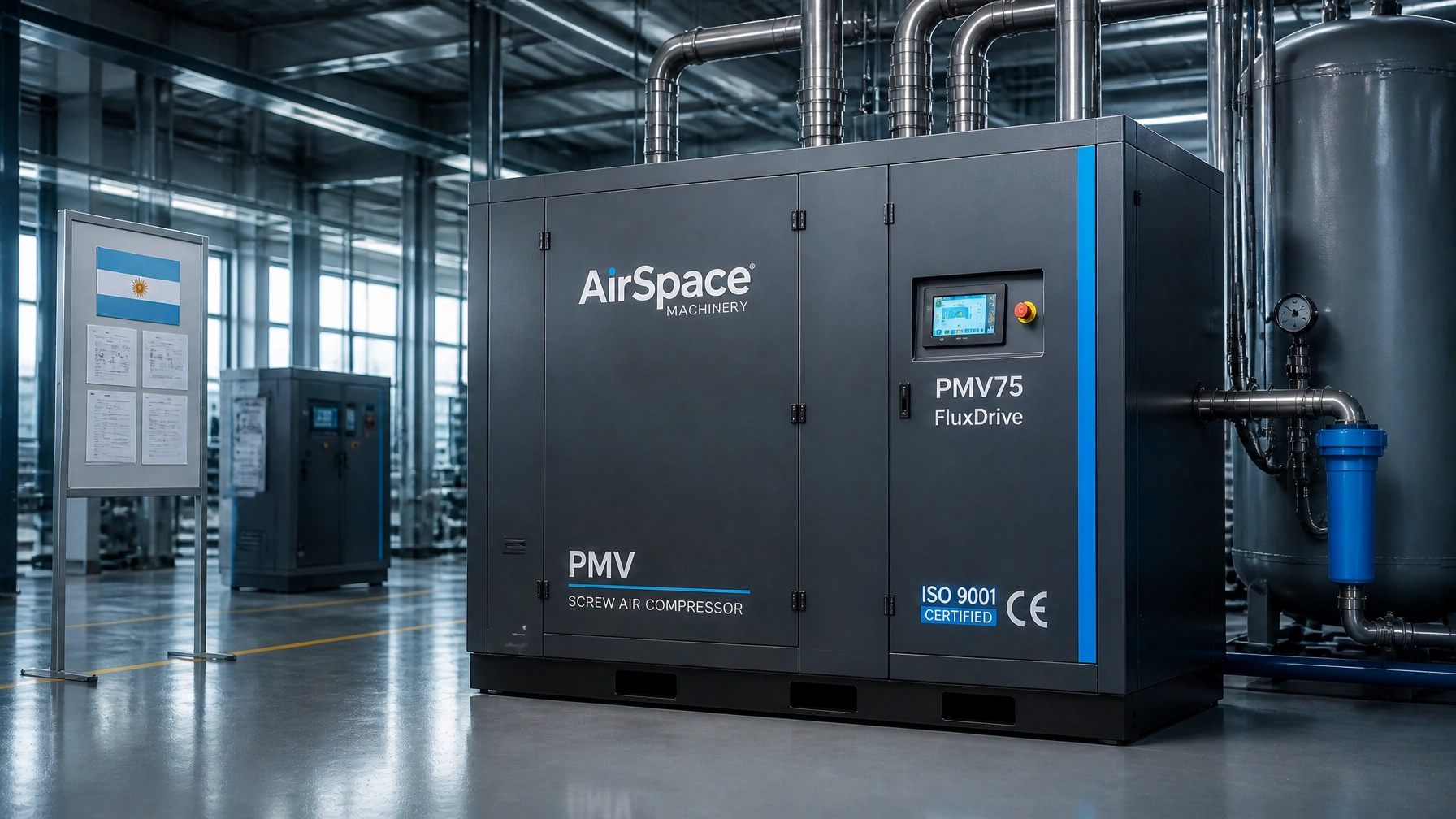
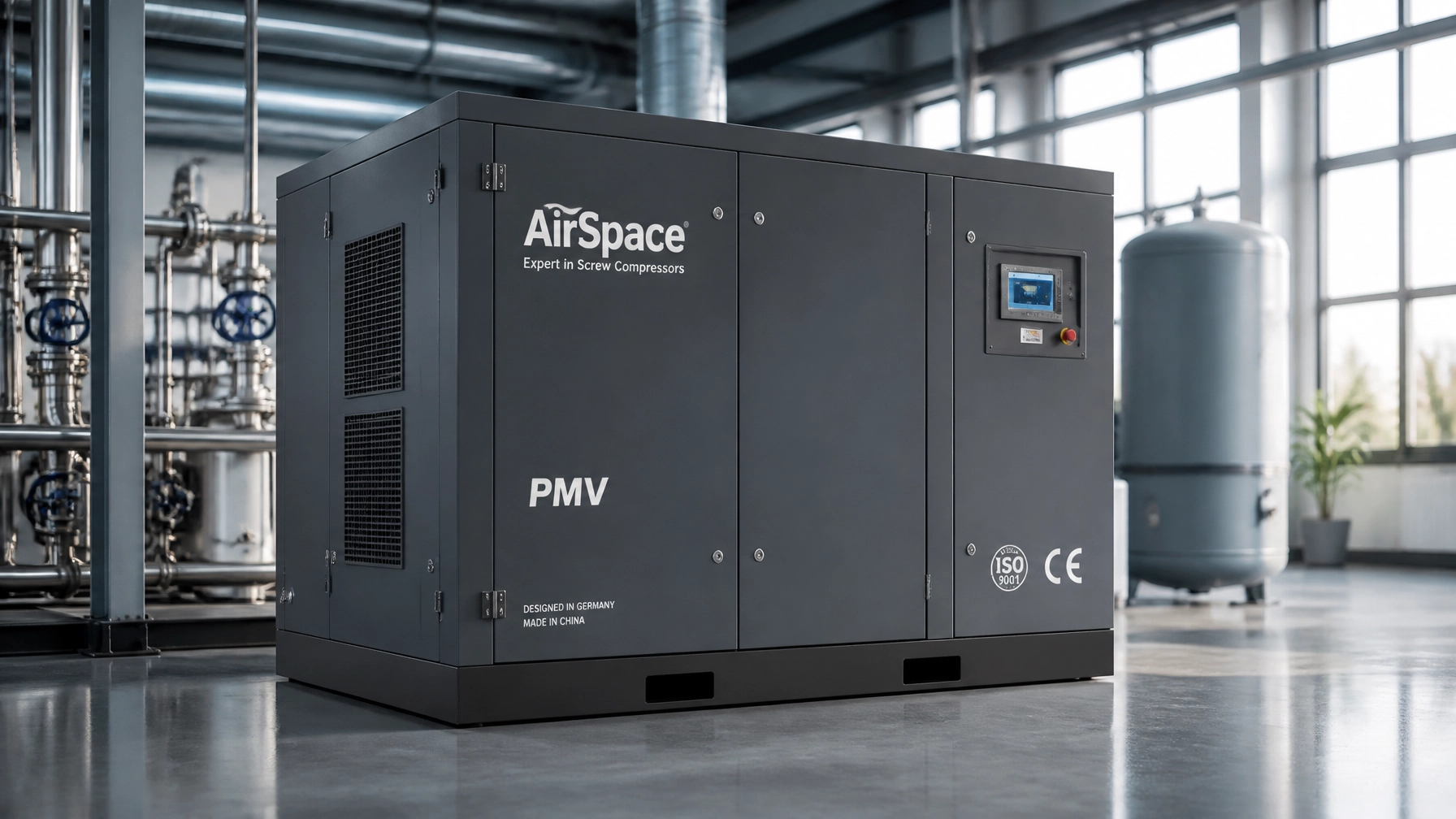
For 2026 industrial laser operations, switching from nitrogen to 16-bar compressed air as an assist gas reduces hourly operating costs from approximately $40/hr to $4/hr. This transition plugs a massive hidden “Nitrogen Tax,” delivering annual savings exceeding $31,000 per machine for typical high-duty cycles. By utilizing Permanent Magnet Variable Frequency (PMV) technology, manufacturers can achieve a 35% energy delta compared to legacy fixed-speed units, resulting in a full capital equipment ROI in just 6 to 10 months.
The $31,000 Annual Nitrogen Robbery
If your fiber laser has been running exclusively on nitrogen since early 2026, you are likely overpaying for assist gas by as much as 900%. In the current manufacturing landscape, nitrogen is no longer just a consumable; it is a significant drain on profitability. We refer to this as the “Nitrogen Tax.”
Legacy brands and gas suppliers often suggest that nitrogen is the only path to quality. However, for 80% of fabrication tasks, including mild steel up to 12mm and various aluminum grades, a clean, dry, 16-bar compressed air supply provides identical structural performance at a fraction of the cost.
The Quantified Cost Gap: $40/hr vs $4/hr
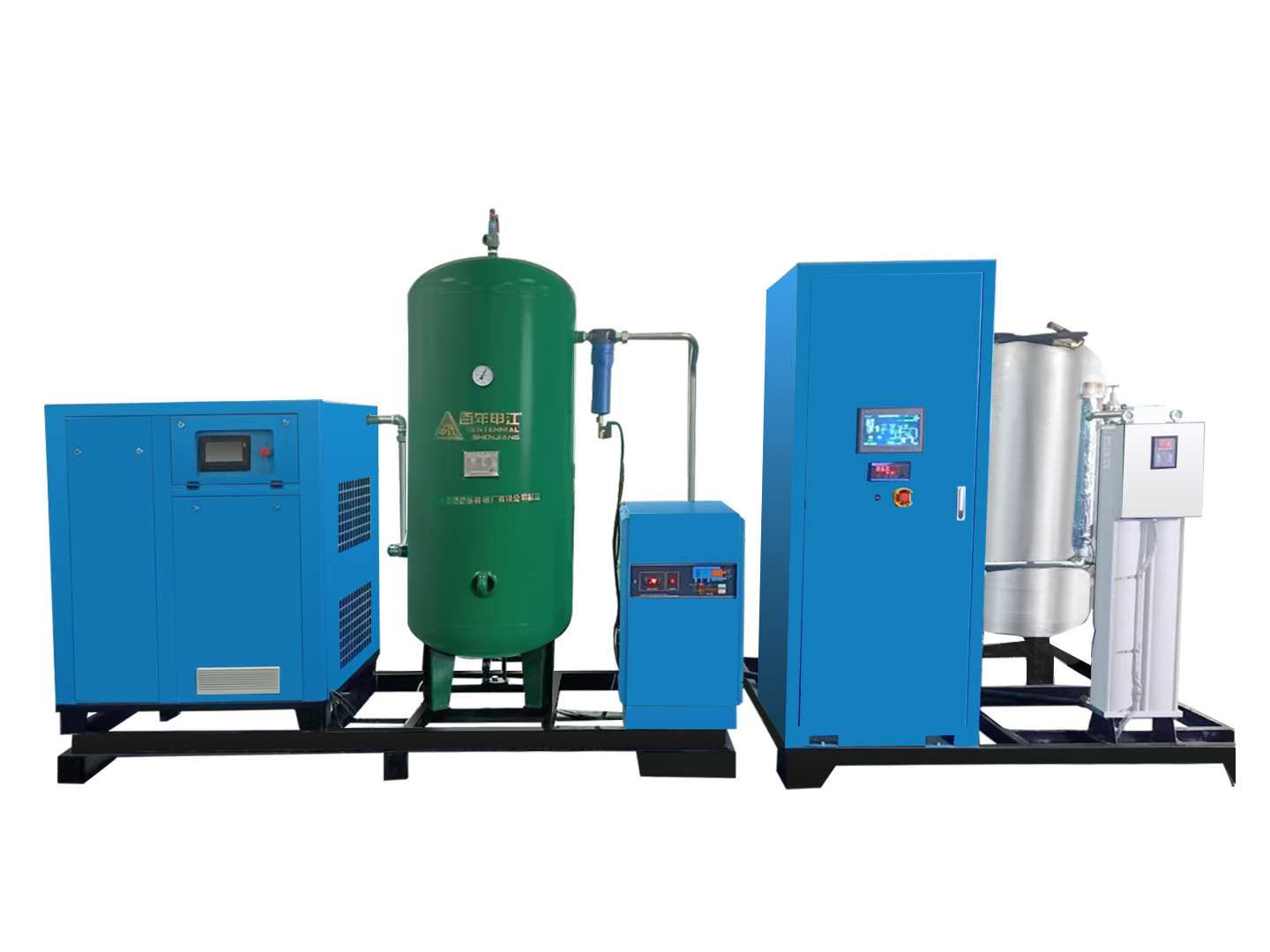
When you buy nitrogen, you are paying for the gas, the delivery, the tank rental, and the “convenience.” When you use a dedicated 16-bar China made screw air compressor, you are only paying for the electricity to compress ambient air.
- Nitrogen Assist Gas Cost: $35.00 – $45.00 per hour (inclusive of delivery and evaporation losses).
- 16-Bar Compressed Air Cost: $3.50 – $4.50 per hour (inclusive of electricity at $0.15/kWh and maintenance).
For a shop running 8 hours a day, 250 days a year, the math is sobering:
- Annual Nitrogen Spend: $80,000.
- Annual AirPower Spend: $8,000.
- Potential Savings: $72,000 per year.
Even with a more conservative duty cycle, the savings rarely drop below $31,000 annually. This is capital that should be in your expansion fund, not your supplier’s pocket.

5-Year TCO Comparison: 16-Bar Air vs Nitrogen
The following table breaks down the Total Cost of Ownership (TCO) for a single 4kW fiber laser over a five-year horizon.
| Cost Element | Nitrogen (Bulk/Dewar) | 16-Bar PMV Air System |
|---|---|---|
| Initial Equipment Investment | $0 (Rental) | $18,500 (One-time) |
| Annual Consumable/Gas Cost | $38,000 | $0 |
| Annual Electricity Cost | $0 | $3,200 |
| Annual Maintenance/Filters | $0 | $1,200 |
| 5-Year Total TCO | $190,000 | $40,500 |
| 5-Year Total Savings | — | $149,500 |
The 35% Energy Delta: Why PMV Matters
Not all air compressors are created equal. In the laser cutting world, gas demand is highly fluctuating. A fixed-speed “Legacy” compressor wastes enormous amounts of energy during the unload cycle, a phenomenon we call the Unload Tax Robbery.
AirSpace Machinery utilizes Permanent Magnet Variable Frequency (PMV) technology coupled with IE5 ultra-efficient motors. This setup creates a 35% energy delta compared to standard units. Instead of the motor spinning at 100% speed while your laser is repositioning or changing sheets, our PMV system scales power consumption precisely to your CFM demand.
Engineering Excellence: The AirSpace Advantage
To ensure your laser optics remain pristine and your cuts remain consistent, our 16-bar systems are built with:
- Ultra-Precision Rotors: Featuring a 5:6 profile for maximum air delivery with minimum vibration.
- 55°C Tropical Rating: Designed for extreme climates, ensuring the “Heat Tax” doesn’t degrade your 99.9% uptime.
- ISO 8573-1 Class 0 Integrity: Integrated multi-stage filtration and refrigerated dryers ensure the air is oil-free and moisture-free, preventing lens contamination.
Decision Matrix: When is Air Acceptable?
The primary concern with air is the “oxide layer.” While nitrogen provides a silver, mirror-like edge, air-cut edges have a thin layer of oxidation. For parts that will be powder-coated or for structural mild steel, this is often preferred as it saves thousands in gas costs without affecting the final product.
| Material Type | Thickness | Recommended Gas | Why |
|---|---|---|---|
| Mild Steel | 1mm – 12mm | 16-Bar Compressed Air | High speed, lowest cost, excellent for coating. |
| Stainless Steel | 1mm – 4mm | 16-Bar Compressed Air | Fast cutting, acceptable edge for industrial parts. |
| Stainless Steel | 5mm+ | Nitrogen | Prevents oxidation; necessary for cosmetic mirror finish. |
| Aluminum | All | 16-Bar Compressed Air | Air provides a cleaner edge than oxygen for most alloys. |
The 6-10 Month Payback Math
Let’s look at a real-world scenario. A mid-sized fabrication shop in Southeast Asia recently replaced their liquid nitrogen Dewar system with an AirSpace 15HP Variable Frequency Screw Air Compressor.
- Investment Cost: $16,000 (System + Installation).
- Previous Nitrogen Monthly Spend: $2,800.
- New Electricity + Maintenance Monthly Cost: $450.
- Monthly Cash Flow Improvement: $2,350.
- Payback Period: $16,000 / $2,350 = 6.8 Months.
After month seven, that $2,350 stays in the company’s bank account every single month. This is the essence of “Engineering Freedom.”
Common Questions from Laser Operators
Can you cut stainless steel with compressed air instead of nitrogen?
Yes. You can cut stainless steel with 16-bar compressed air. The edge will have a brownish tint due to oxidation, but the cutting speed is often faster than nitrogen for thicknesses under 4mm. If the part is being painted or is a structural component, air is the most economical choice.
Is 16 bar enough for fiber laser cutting?
For the vast majority of 1kW to 6kW fiber lasers, 16 bar is the “sweet spot.” It provides enough pressure to clear the molten metal from the kerf effectively. High-power lasers (12kW+) may sometimes require 20-25 bar for very thick plates, but 16 bar covers 90% of standard fabrication needs.
What dew point is needed for laser cutting?
To protect your fiber laser’s sensitive optics and prevent “micro-explosions” in the kerf, you need a Pressure Dew Point (PDP) of +3°C to +5°C (achieved by a refrigerated dryer) for standard work. For ultra-high precision, ISO 8573-1 Class 0 requirements may dictate a desiccant dryer reaching -40°C. Our systems come standard with high-performance refrigerated dryers that satisfy most OEM requirements.
Conclusion: Stop Paying the Nitrogen Tax
The data for 2026 is clear. Unless you are producing medical-grade stainless or aerospace components requiring zero oxidation, nitrogen is a “tax” you no longer need to pay. By switching to a 16-bar AirSpace PMV system, you gain the 35% energy delta, achieve a 99.9% uptime, and see a full return on your investment before the year is out.
Don’t let legacy gas contracts bleed your margins. It is time to treat your air supply as the “Fourth Utility” it is.
Get a Proposal
Ready to quantify your specific savings? Our engineering team can provide a detailed TCO breakdown for your facility.
- Contact us on WhatsApp: +86 138 0000 0000
Author: Penny Winston
Technical Writer specializing in The 35% Energy Delta, The Fourth Utility Concept, and ISO 8573-1 Class 0 Integrity.
Reviewed by Engineering
📅 Last updated:
⚡ Is Your Factory Bleeding Cash?
Most fixed-speed compressors waste $3,600/year in "Unload Tax." Test your waste level in 30 seconds.
RUN THE ROI TEST →Ready to See How Much Your Facility Can Save?
Fill out the form below for a Free Energy Assessment.