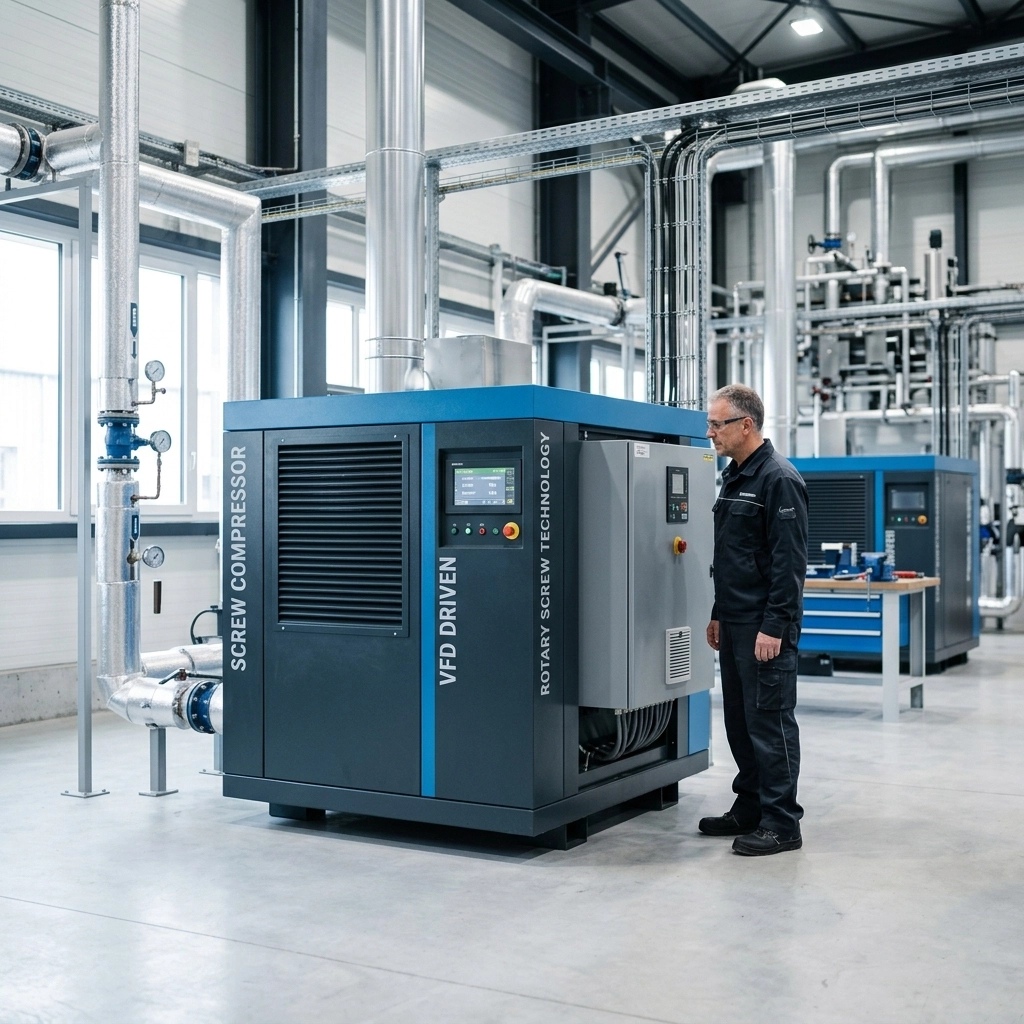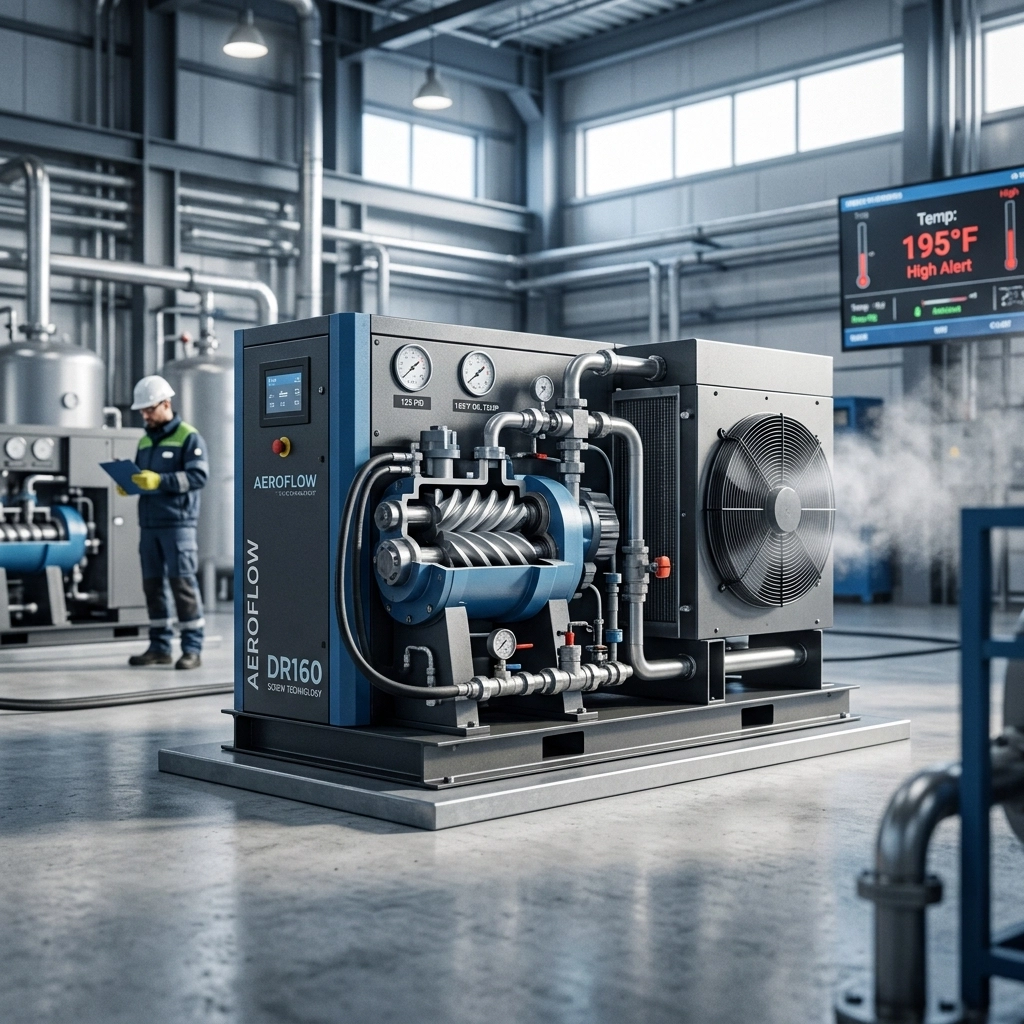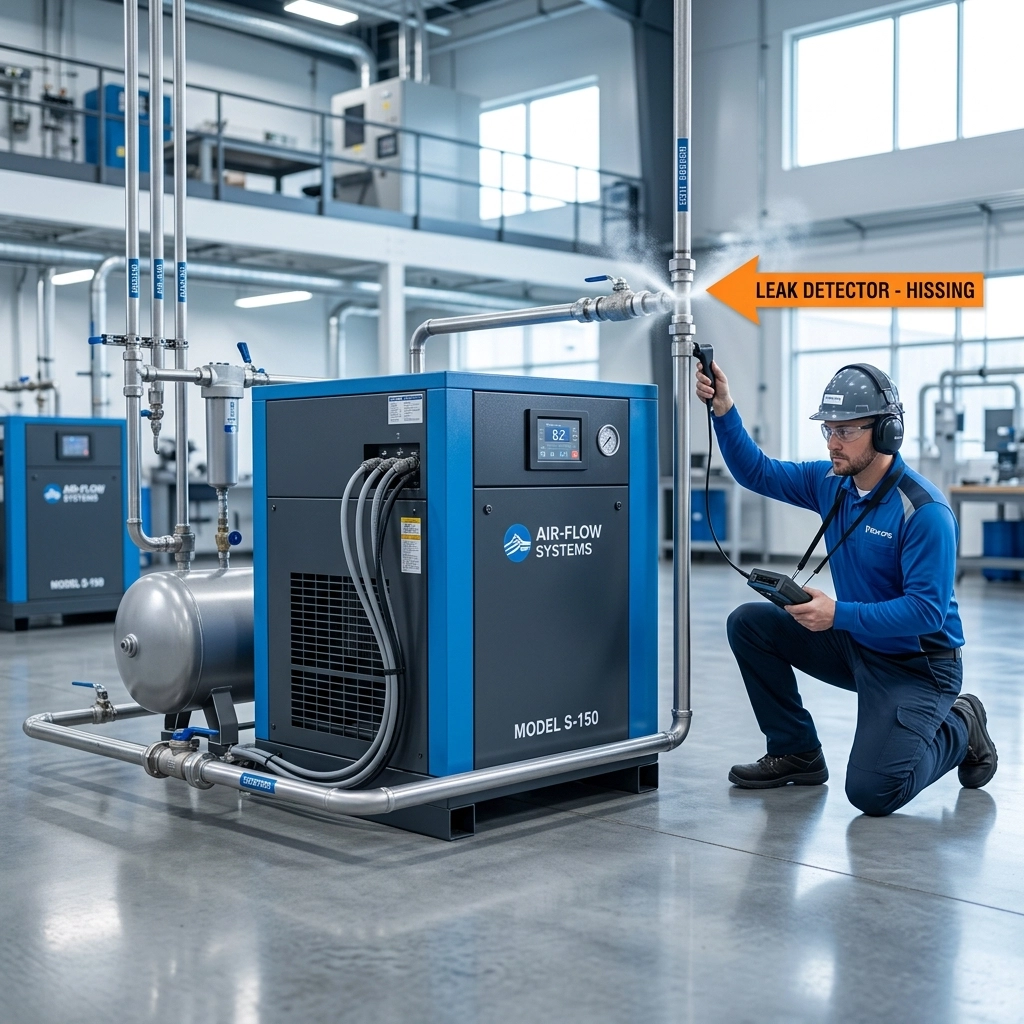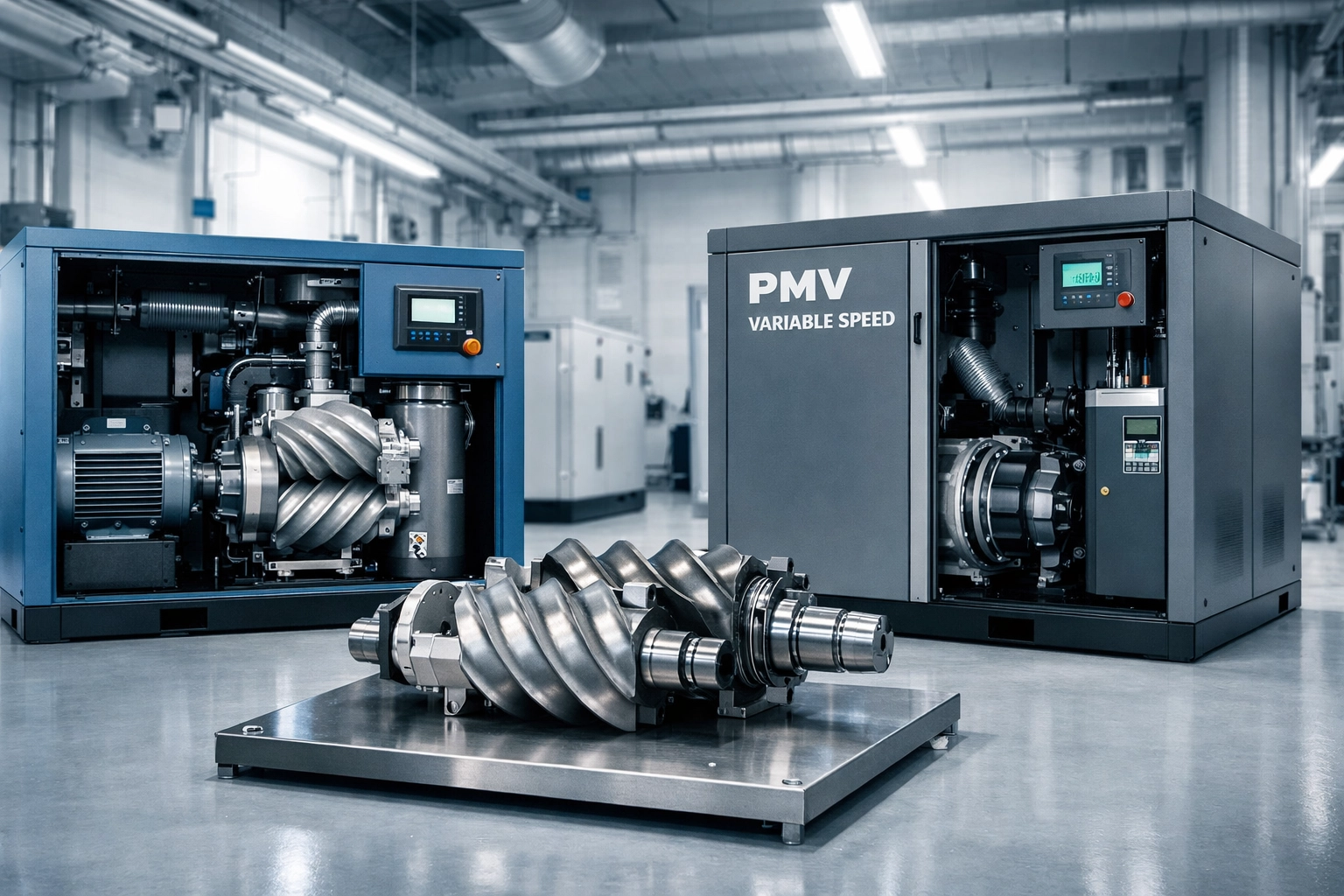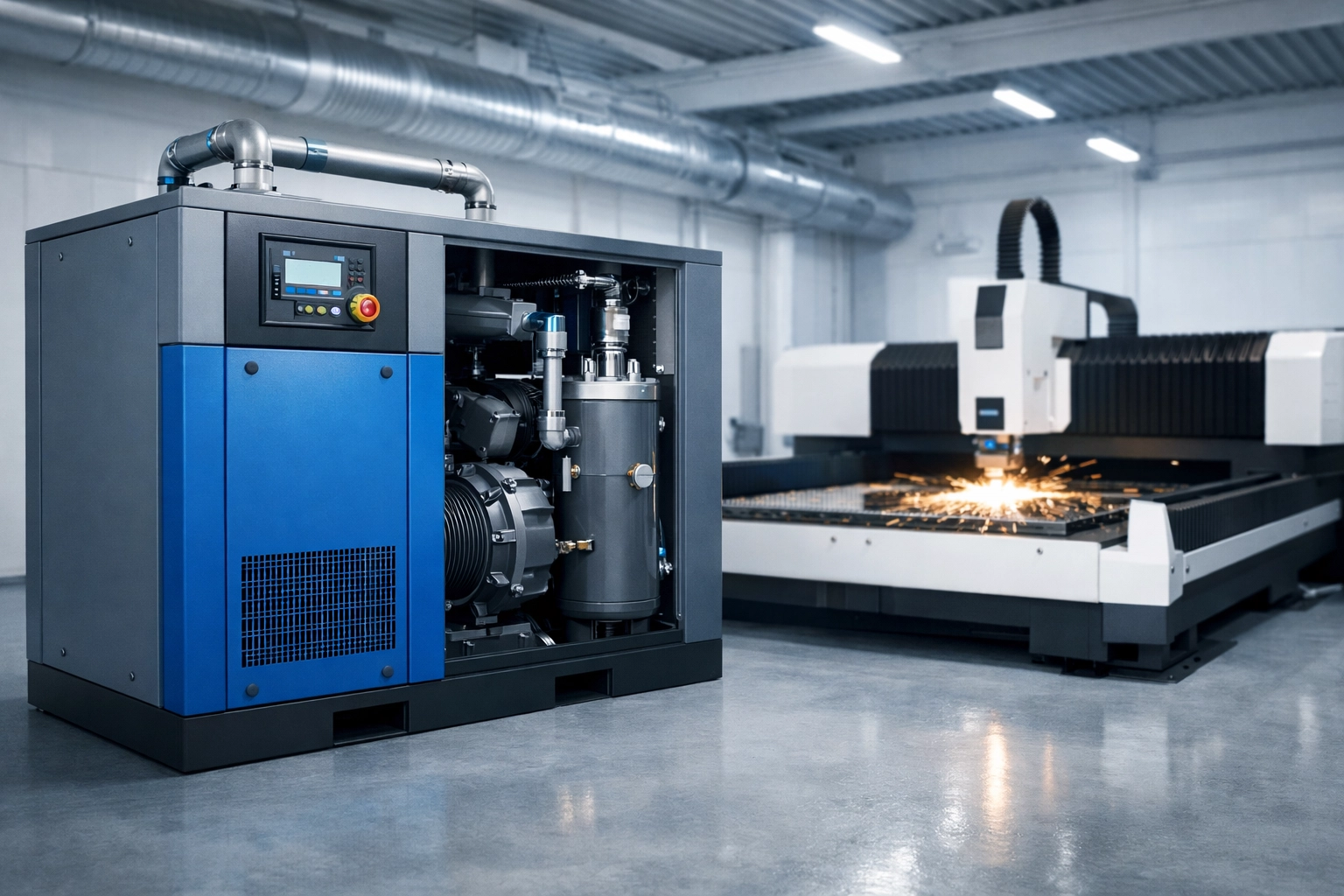
A screw compressor overheats when its internal thermal management system cannot dissipate the heat generated during the compression process, typically due to low oil levels, clogged coolers, poor ambient ventilation, or mechanical wear. At AirSpace Machinery Co., Ltd., with over 20 years of engineering excellence and a 4000m² state-of-the-art manufacturing facility, we understand that downtime during peak summer months is not an option for industrial operations. Maintaining a heavy-duty rotary screw air compressor requires a proactive approach to thermal dynamics to ensure 24/7 reliability.
Why is my air compressor overheating as temperatures rise?
The primary cause of compressor overheating in summer is the rise in ambient intake air temperature, which reduces the efficiency of the cooling system and pushes the discharge temperature above the safety threshold (typically 100°C to 110°C).
When the air entering the unit is already warm, the oil, which acts as the primary cooling medium in a screw compressor, cannot shed heat effectively through the aftercooler. This creates a feedback loop where the internal temperature climbs until the thermal protection sensor triggers a mandatory shutdown. For a silent industrial air compressor 20HP-180HP, the enclosure that provides noise reduction can also trap heat if the ventilation design is not optimized for high-capacity industrial environments.
Fix 1: Is your cooling oil level and quality sufficient?
Inadequate oil levels or degraded lubricant is the most common reason for overheating; you must ensure the oil is at the “Full” mark during operation and that the lubricant has not exceeded its service life.
In a heavy duty rotary screw air compressor, the oil serves three critical roles: lubrication, sealing, and, most importantly, cooling. The oil absorbs the heat of compression directly at the screw rotors. If the oil level is low, there is less volume to absorb that heat, leading to rapid temperature spikes. Furthermore, using the wrong grade of oil can lead to foaming or varnishing, which coats the internal surfaces of the cooler and reduces heat transfer efficiency.
Action Plan:
- Check the oil sight glass while the unit is running under load.
- Verify the oil change interval. If the oil is dark or smells burnt, replace it immediately.
- Ensure you are using high-grade synthetic oil designed for high-temperature stability.
Fix 2: Are the aftercoolers and filters physically blocked?
Clogged cooling fins and dirty air filters restrict airflow and prevent heat dissipation; cleaning these components with compressed air or specialized cleaners is the fastest way to drop operating temperatures.
A silent industrial air compressor 20HP-180HP pulls a massive volume of air through its cooling package. In dusty factory environments, the fine fins of the oil cooler and aftercooler act like a vacuum filter, trapping debris. Once these fins are blocked, the fan cannot pull enough air through to cool the oil. Similarly, a clogged intake filter forces the compressor to work harder (increasing the compression ratio), which naturally generates more heat.
Maintenance Tip:
Blow out the coolers from the inside out using dry compressed air. If the blockage is oily or greasy, a chemical “brightener” or pressure wash may be required, though care must be taken not to bend the fragile aluminum fins.
Fix 3: Does your compressor room have adequate ventilation?
If the hot air exhausted by the compressor is allowed to recirculate back into the intake, the unit will overheat regardless of its internal condition; you must install ducting or exhaust fans to remove heat from the room.
Many overheating issues are not “compressor problems” but “room problems.” A 50HP compressor generates enough heat to warm a small building. Without proper ducting, that heat stays in the compressor room. We recommend that the ambient temperature in the compressor room stays within 5°C to 10°C of the outside temperature. For our AirSpace Machinery PMV compressor specs, we design for high-performance thermal stability, but even the best engineering cannot overcome a vacuum-sealed room or a “short-circuit” in airflow.
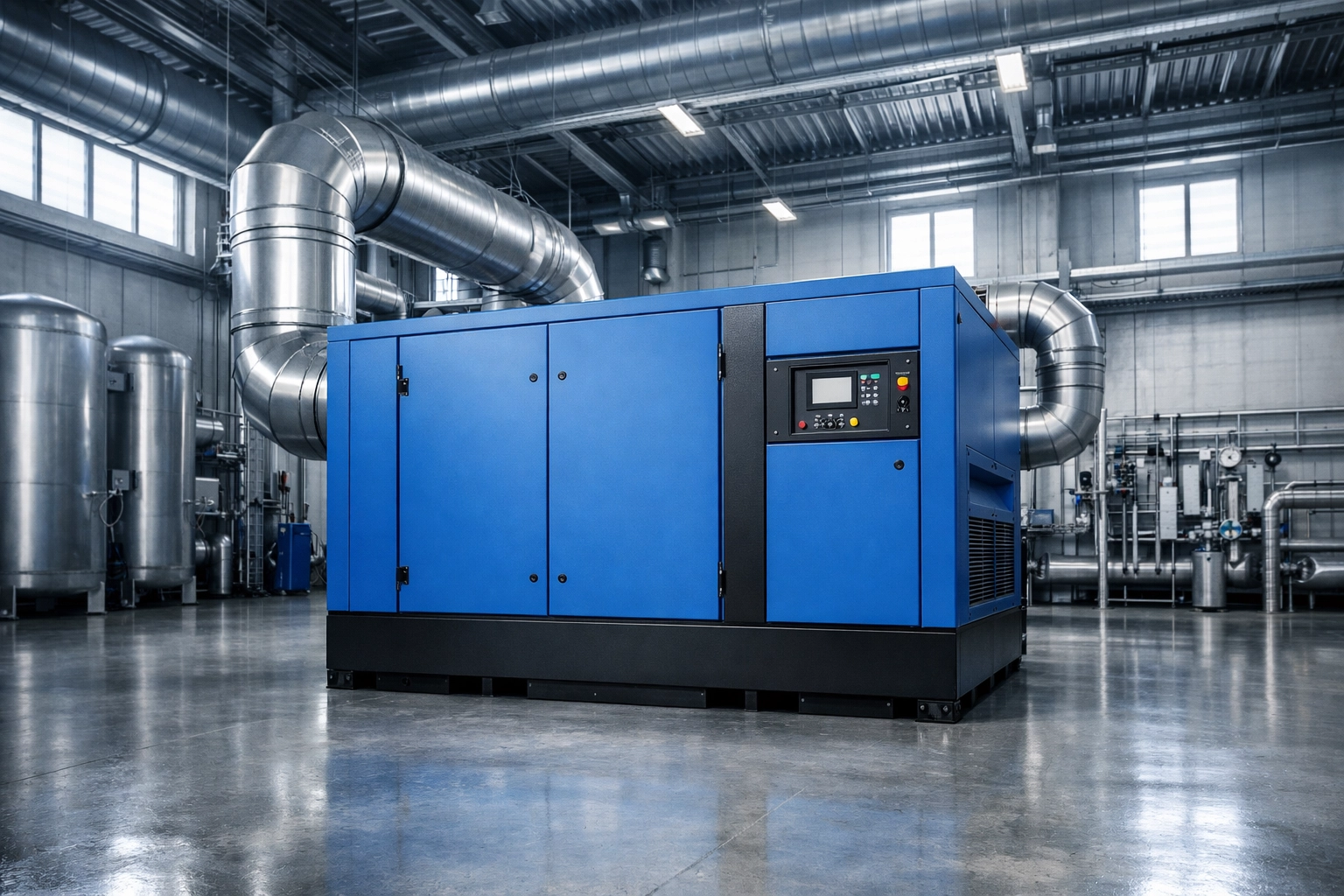
Fix 4: Is your PMV technology optimized for the load?
Permanent Magnet Variable Frequency (PMV) technology reduces overheating by matching motor speed to air demand, preventing the excessive heat generation associated with frequent “Load/Unload” cycles found in fixed-speed units.
Standard fixed-speed compressors generate significant heat during the “Unload” cycle because the motor continues to spin at full speed. In contrast, the AirSpace Machinery PMV compressor specs highlight our use of advanced frequency drives that slow the motor down when demand drops. This results in lower mechanical friction and less heat buildup. If your PMV unit is overheating, check the variable frequency drive (VFD) cooling fan and the parameters to ensure the motor isn’t running at a suboptimal frequency for extended periods.
Fix 5: Is the thermal valve functioning correctly?
A malfunctioning thermal bypass valve prevents oil from flowing to the cooler, causing the compressor to overheat within minutes of starting; replacing the valve element is the required fix.
The thermal valve acts like a thermostat in a car. When the compressor is cold, the valve bypasses the cooler to help the unit reach operating temperature quickly (preventing moisture condensation). Once the oil reaches a specific temperature (usually around 70°C), the valve should open to send oil through the cooler. If the element is stuck closed, the oil stays hot, and the unit trips.
How to test:
Carefully feel the pipes leading to and from the oil cooler. If the compressor is hot (e.g., 95°C) but the lines to the cooler are cool to the touch, the thermal valve is likely defective.
Technical Standards and Global Reliability
To ensure world-class performance, AirSpace Machinery Co., Ltd. adheres to rigorous international standards. Our manufacturing processes are ISO 9001 certified, and every heavy duty rotary screw air compressor we ship carries the CE mark, verifying compliance with European safety and environmental requirements.
| Specification Category | Standard/Requirement |
|---|---|
| Quality Management | ISO 9001:2015 |
| Safety Compliance | CE Certification |
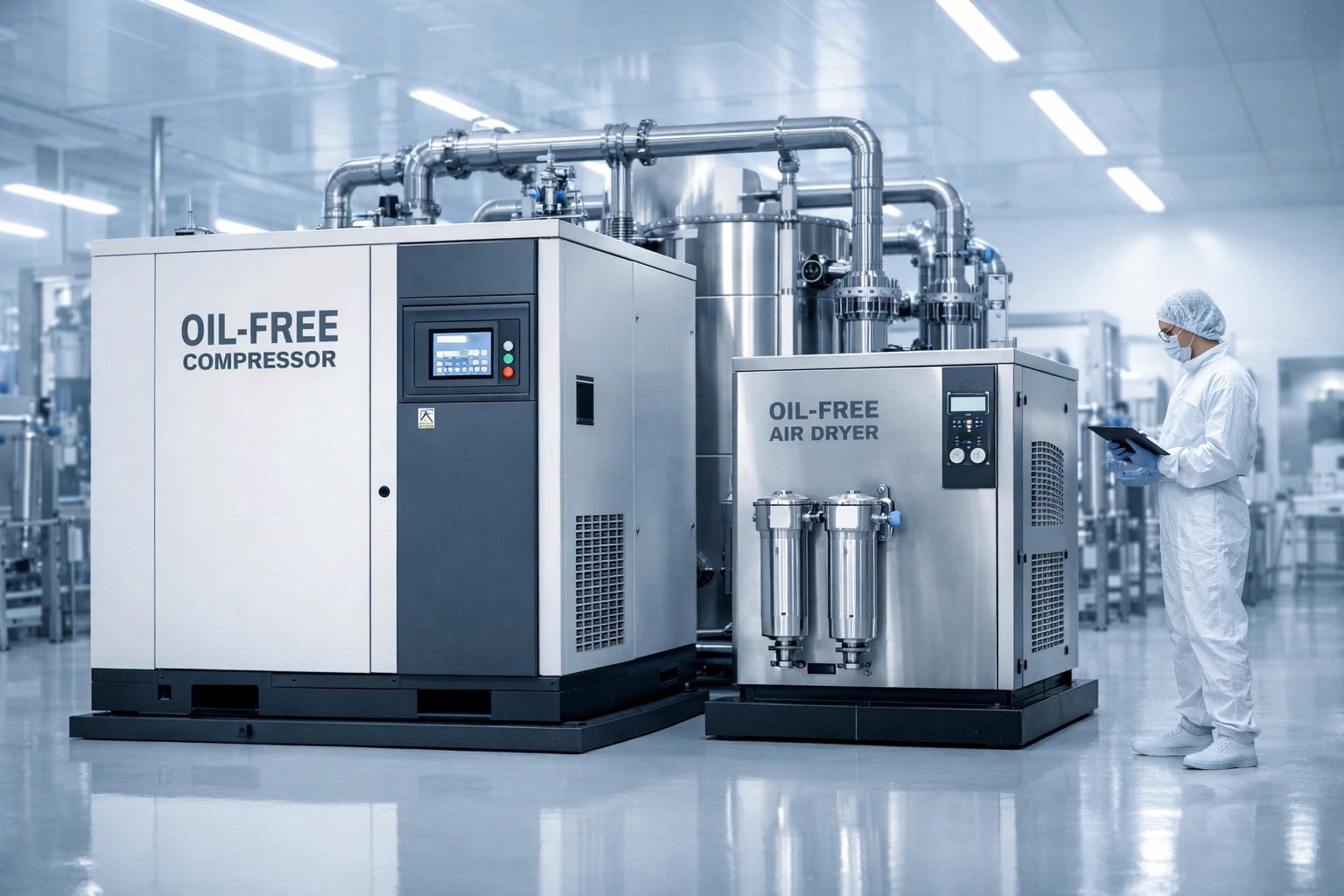
| Air Quality (Oil-Free) | ISO 8573-1 Class 0 (Optional) |
| Testing Protocol | PNEUROP / CAGI PN2CPTC2 |
For our partners in Southeast Asia (SEA), we specifically optimize our cooling packages to handle high humidity and high dew point conditions. For LATAM markets, our PMV drives are engineered to handle grid instability and voltage fluctuations that can otherwise cause motor overheating.
Summary of Fast Fixes for Overheating
| Problem | Quick Fix |
|---|---|
| Low Oil | Top up with approved synthetic screw oil. |
| Dirty Cooler | Clean fins with compressed air (Inside-out). |
| Poor Airflow | Open doors/windows or install exhaust ducting. |
| Clogged Filter | Replace air intake filter. |
| Thermal Valve | Replace the thermostatic element. |
Get Expert Support Today
Don’t let the summer heat shut down your production line. Whether you are looking for a new silent industrial air compressor 10HP-540HP or need technical advice on your current AirSpace Machinery PMV compressor specs, our team is ready to assist. With 100M yuan in annual sales and a reputation built on 20 years of reliability, we provide the heavy-duty solutions your business deserves.
Note: When requesting a proposal, please specify your required pressure (bar/psi) and flow rate (m³/min or CFM). Lead times vary based on specific configurations and export requirements.
Author: Penny Winston
AI Blog Writer, AirSpace Machinery Co., Ltd.
Penny specializes in translating complex thermodynamic engineering into actionable maintenance advice for global industrial plant managers.
Reviewed by Engineering
This content has been reviewed by the AirSpace Machinery Engineering Department for technical accuracy regarding rotary screw cooling systems and PMV drive specifications.