The hidden costs of oil contamination in food and beverage processing systems include direct product loss, massive regulatory fines, brand reputation damage, and equipment downtime that can exceed $10 million per incident for large-scale manufacturers. To mitigate these risks, facilities must adhere to ISO 8573-1 Class 0 air quality standards by utilizing oil-free screw compressors or advanced Permanent Magnet Variable Frequency (PMV) screw technology. These systems eliminate the risk of oil aerosols entering the production line, ensuring consumer safety and operational continuity.
Author: Penny Winston
The Multi-Million Dollar Threat of Product Recalls
Product recalls triggered by oil contamination represent the single most significant hidden cost, with direct expenses averaging $10 million per event. When industrial lubricants or compressor oil aerosols penetrate the food supply chain, the immediate result is "scrap", the total loss of the affected batch. However, the financial hemorrhaging does not stop there.
Beyond the physical loss of product, manufacturers face astronomical costs associated with recall logistics, administrative handling, and legal fees. According to industry data, large-scale contamination events can escalate to over $100 million when accounting for lost sales and the long-term impact on consumer trust. In many cases, a single confirmed instance of oil contamination can shutter a facility entirely, as regulatory bodies like the FDA or EFSA demand rigorous cleanup and system audits before production can resume. By switching to oil-free screw air compressors, manufacturers remove the source of the risk entirely.
Operational Downtime and Premature Equipment Wear
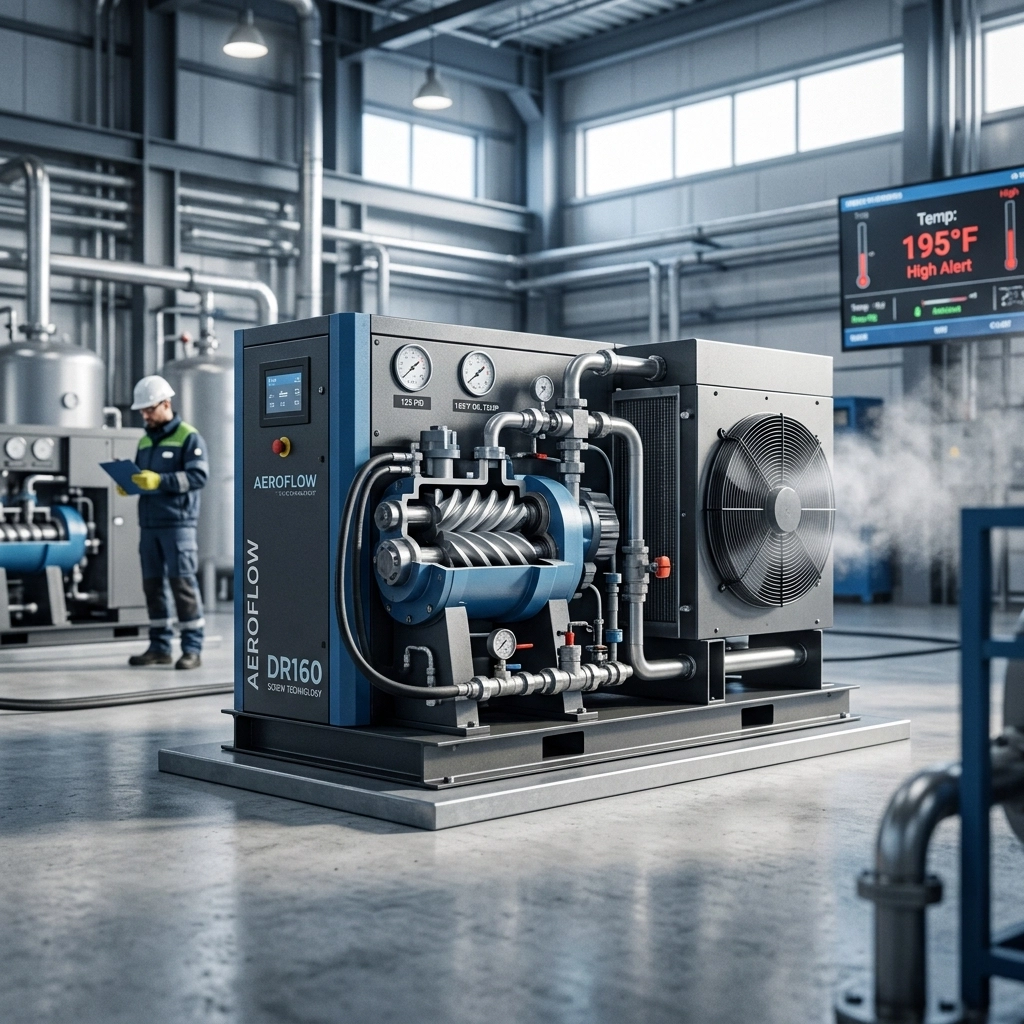
Oil contamination in compressed air lines causes premature wear on pneumatic components and sensors, leading to unplanned downtime that often costs 10 times more than preventive maintenance. When oil-rich air travels through the distribution network, it degrades seals, clogs sensitive valves, and creates a "sludge" when mixed with ambient dust.
This contamination forces frequent system shutdowns for deep cleaning and component replacement. In high-output food and beverage facilities, every minute of downtime translates to thousands of dollars in lost productivity. Our Permanent Magnet Variable Frequency (PMV) Screw Air Compressors are designed to prevent these inefficiencies. By maintaining precise pressure control and utilizing high-efficiency filtration, these systems ensure that the air interacting with food-grade machinery is clean and dry.
Adhering to ISO 8573-1: The Standard for Air Purity
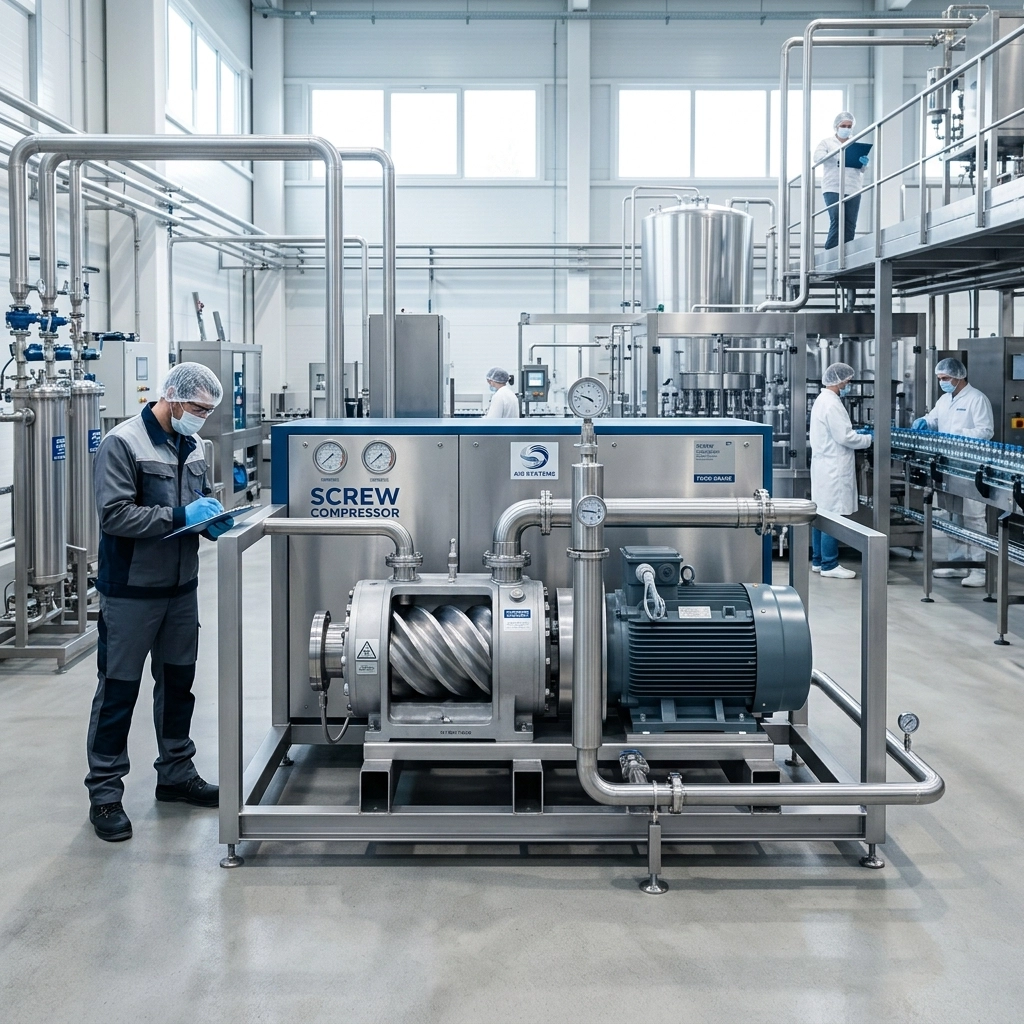
Compliance with ISO 8573-1:2010 Class 0 is the only way to verify that a compressed air system is truly oil-free and safe for food contact. This international standard categorizes air quality based on the concentration of contaminants, including oil (aerosols, liquids, and vapors), water, and particles.
For the food and beverage industry, "Class 0" is the gold standard, signifying that the compressor has been tested to show zero risk of oil contamination. Many facilities mistakenly believe that using "technically oil-free" air, achieved by heavily filtering a standard lubricated compressor, is sufficient. However, filters can fail, and higher ambient temperatures can cause oil vapor to pass through even the best filtration systems. At AirSpace Machinery Co., Ltd., our screw compressors are engineered to meet these stringent requirements, backed by CE and ISO 9001 certifications to guarantee global compliance.
How PMV Technology Eliminates Risk and Saves Energy
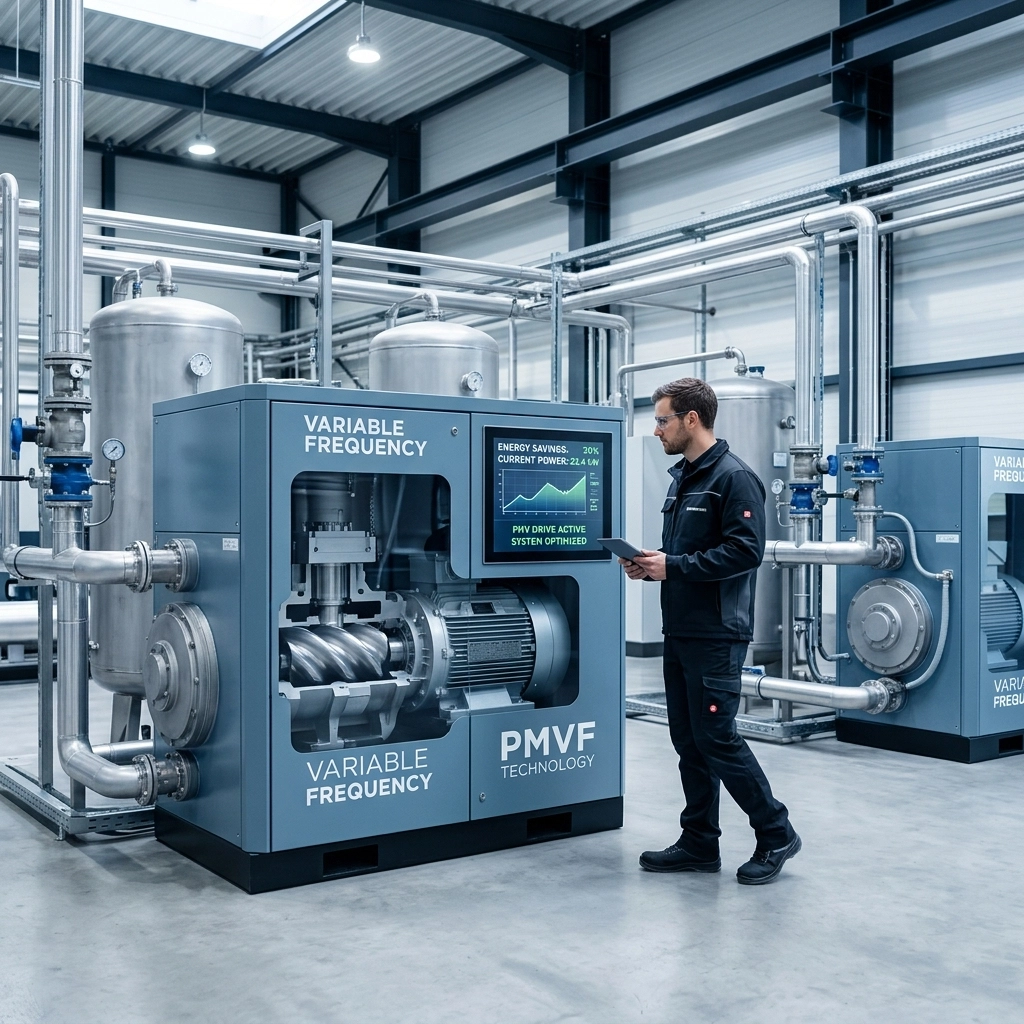
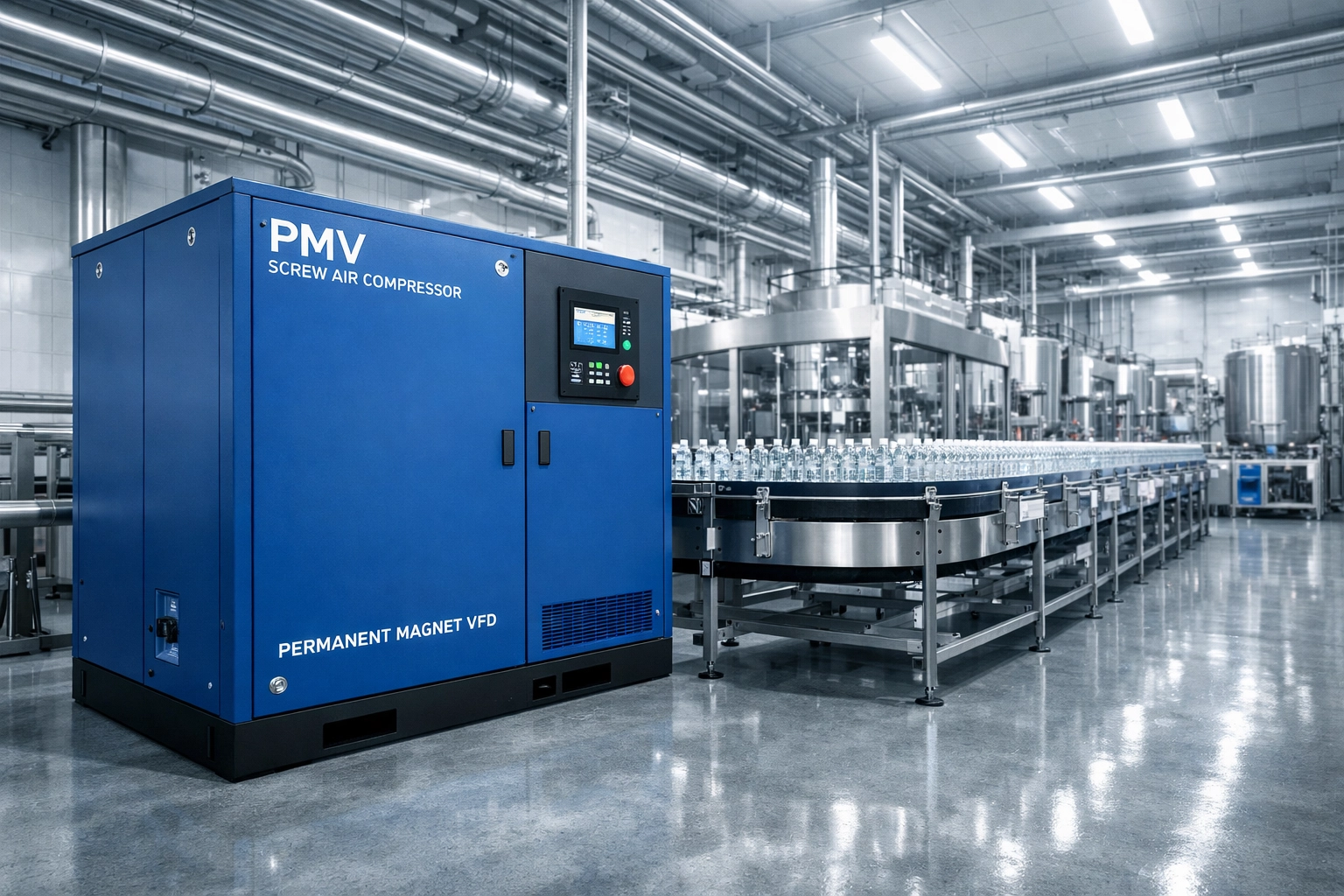
Permanent Magnet Variable Frequency (PMV) technology delivers energy savings of up to 35% while providing the stable, high-purity air required to prevent contamination. Standard fixed-speed compressors often "pulse" or cycle, which can cause temperature fluctuations that lead to moisture and oil vapor carryover.
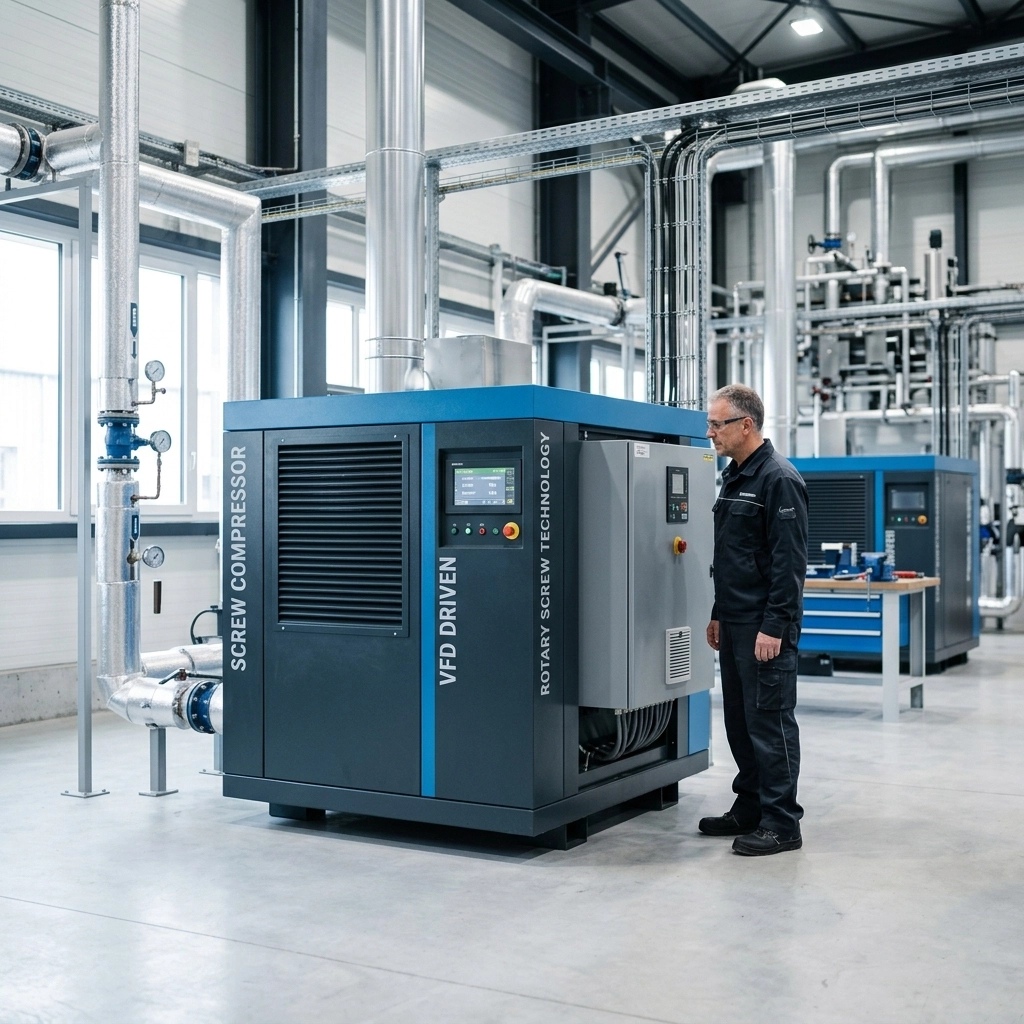
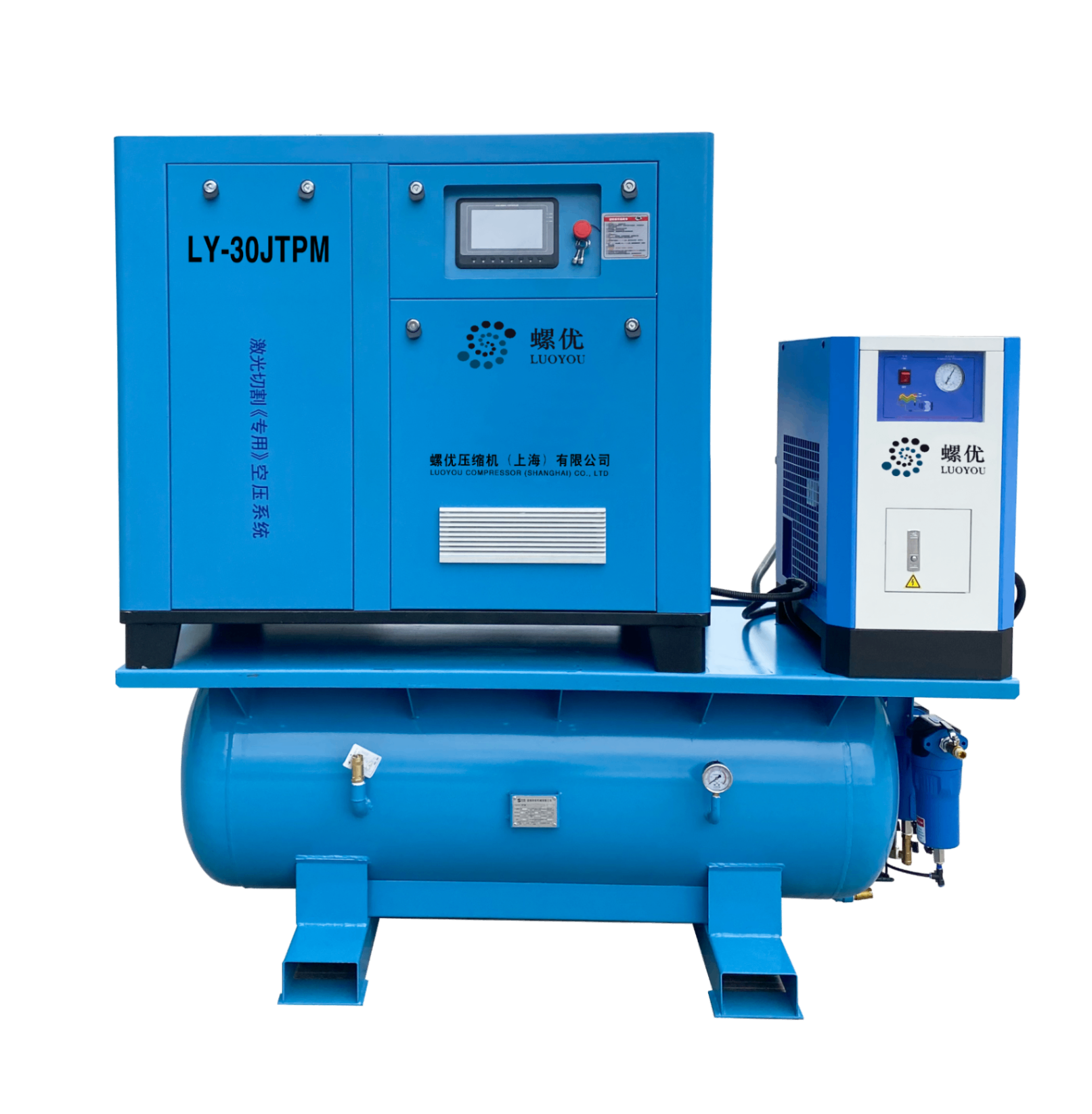
PMV screw compressors, such as the LY-20CV, adjust their motor speed in real-time to match the exact air demand. This stability not only lowers electricity bills but also ensures that the air treatment components (like refrigerated dryers and line filters) operate at their peak efficiency. By maintaining a constant, low-temperature discharge, PMV systems reduce the likelihood of oil vapors migrating into the processing line.
Administrative, Testing, and Spill Management Costs
The hidden administrative costs of managing oil-lubricated systems, including laboratory testing, spill disposal, and hazardous waste handling, can exceed $2 per gallon of oil used. Manufacturers often overlook the labor hours required to monitor oil levels, perform oil-water separation in condensate drains, and document compliance for safety audits.
In a food-safe environment, every drop of oil must be accounted for. Laboratory testing for contaminants like metals or solvents in the system can cost hundreds of dollars per drum. Transitioning to an oil-free screw architecture removes these administrative burdens, allowing engineering teams to focus on production rather than chemical management.
Global Engineering Excellence: The AirSpace Advantage
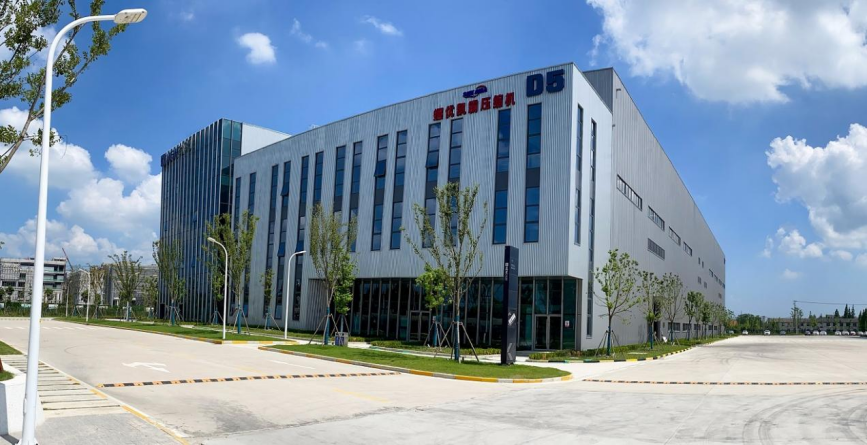
With 20 years of engineering excellence and a 4000m² state-of-the-art facility, AirSpace Machinery Co., Ltd. provides the technical reliability needed to safeguard food processing lines. Our annual sales of 100M yuan are a testament to our commitment to quality and the trust our global partners place in our technology.
We understand that global buyers have unique concerns regarding logistics and documentation. We provide full export support and ensure all CE and ISO 9001 documentation is readily available for verification. Whether you are operating in the high-humidity environments of Southeast Asia or the grid-unstable regions of Latin America, our PMV screw compressors are built for resilience.
Regional Considerations for Air Purity
- Southeast Asia (SEA): High humidity levels increase the risk of moisture-oil emulsions. Our integrated refrigerated dryers are essential for maintaining dew points that prevent microbial growth.
- Latin America (LATAM): Grid instability can damage standard motors. Our PMV systems feature robust variable frequency drives that protect against power surges.
- Russia/CIS: Cold weather requires specialized lubricants for standard compressors; however, our oil-free screw designs eliminate "cold start" sludge issues entirely.
Summary of Hidden Costs vs. Prevention
| Hidden Cost Category | Lubricated Screw System | Oil-Free/PMV Screw System |
|---|---|---|
| Recall Risk | High (Potential $10M+ loss) | Zero Risk (Class 0 Air) |
| Energy Consumption | Standard | Up to 35% Savings |
| Maintenance Labor | High (Oil changes/testing) | Low (No oil to manage) |
| Regulatory Fines | High risk of non-compliance | Fully compliant (CE/ISO 9001) |
| Productivity | Frequent downtime for cleaning | Continuous, stable operation |
Final Inspection and Quality Assurance
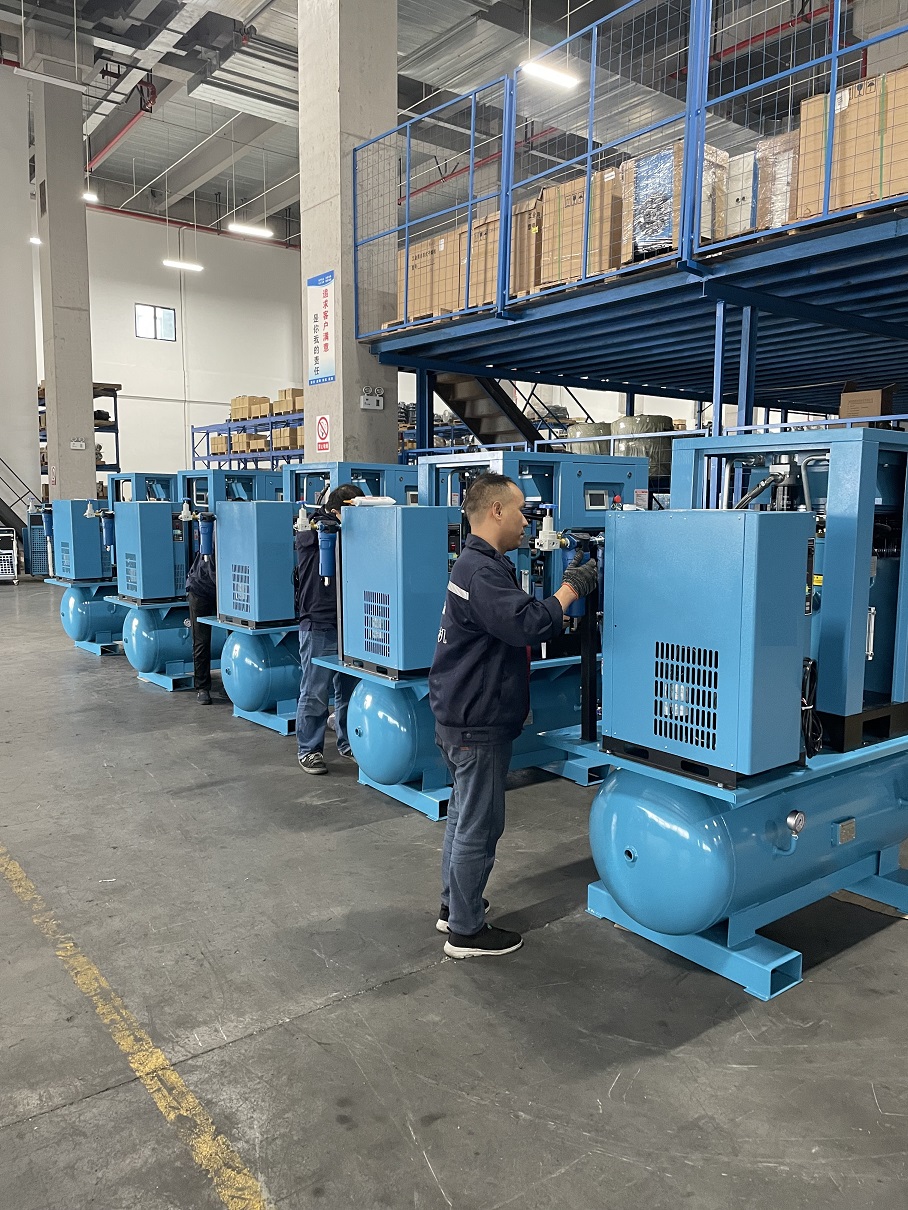
At AirSpace Machinery, every unit undergoes a rigorous multi-point inspection before it leaves our floor. We ensure that every integrated screw compressor meets the specific pressure and flow requirements of your facility, whether you are running a boutique craft brewery or a massive dairy processing plant.
Get a Proposal for Your Facility
Protecting your brand from the hidden costs of oil contamination starts with selecting the right equipment. Our team of engineers is ready to help you configure a system that meets your specific needs. Please note that lead times depend on your specific configuration and regional shipping requirements.
To receive a tailored quote, please provide the following mandatory information:
- Required Pressure: (Specify in bar or psi)
- Required Flow Rate: (Specify in m³/min or CFM)
Sources and Standards Cited
- ISO 8573-1:2010: International standard for compressed air contaminants and purity classes.
- ISO 9001:2015: Quality management systems requirements.
- CE Marking: Certification for health, safety, and environmental protection standards for products sold within the European Economic Area.
- Industry Data: Average food recall costs sourced from GMA (Grocery Manufacturers Association) and associated insurance liability studies.
Reviewed by Engineering