In today’s competitive industrial landscape, energy costs represent a significant portion of operational expenses. Air compressors, vital for numerous applications across diverse sectors, are often substantial energy consumers. Optimizing their energy efficiency is not just an environmentally responsible practice, but also a financially prudent strategy. This article delves into the intricacies of enhancing energy efficiency in air compressor systems, highlighting proven techniques and technologies.
Understanding Air Compressor Energy Consumption
Air compressors convert electrical energy into pneumatic energy. However, this conversion is inherently inefficient, with a significant portion of the input energy being dissipated as heat. The efficiency of an air compressor is influenced by several factors, including the type of compressor (reciprocating, rotary screw, centrifugal), its operating pressure, maintenance practices, and the overall system design.
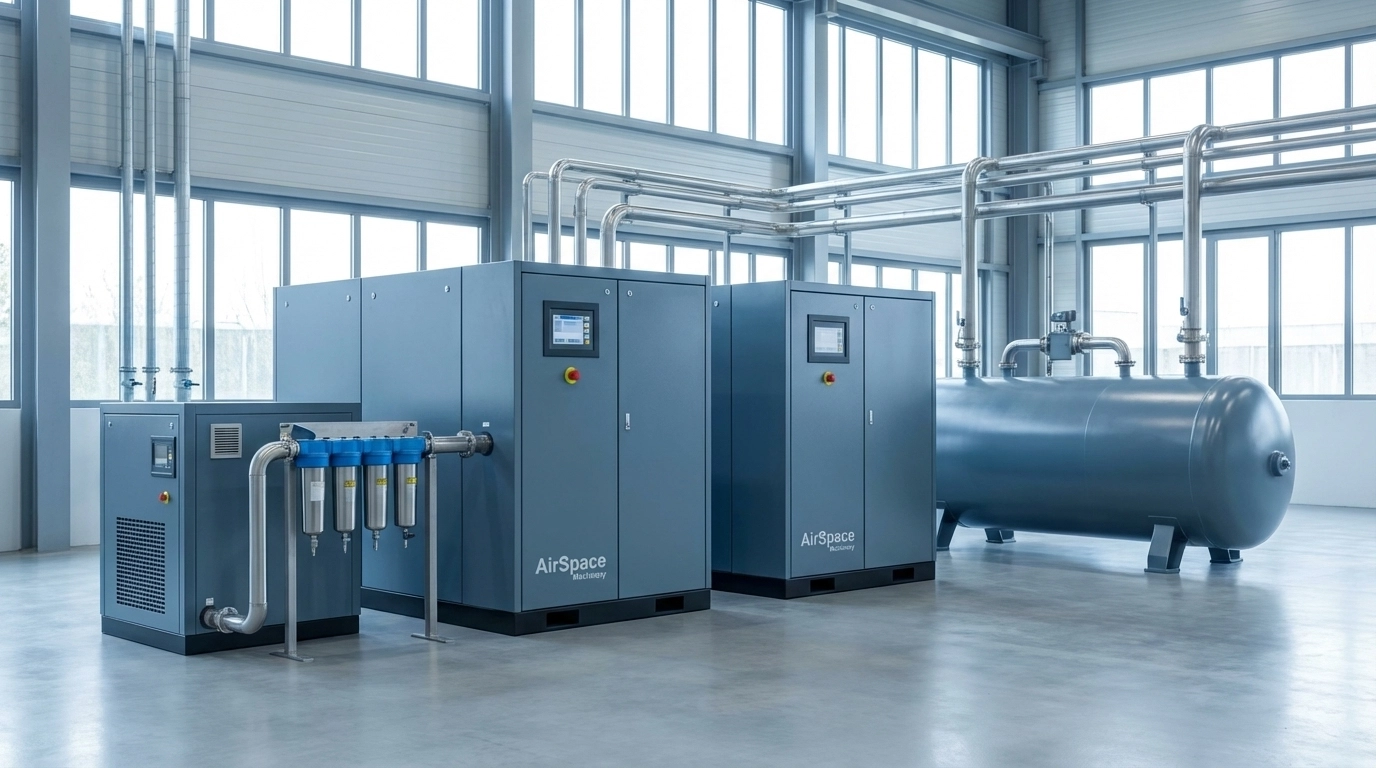
Rotary screw compressors, commonly used in industrial settings, offer advantages in terms of continuous operation and relatively consistent airflow. However, their energy consumption can be considerable, particularly if not properly maintained or operated at optimal parameters. Reciprocating compressors, while often more efficient at lower flow rates, may be less suitable for continuous, high-demand applications. Centrifugal compressors are generally employed in large-scale industrial applications where high flow rates are required, and their efficiency is highly dependent on the specific application and operating conditions. AirSpace Compressor offers a range of energy efficient compressor models tailored to meet diverse industrial needs.
Strategies for Enhancing Energy Efficiency
Several strategies can be implemented to improve the energy efficiency of air compressor systems:
1. Leak Detection and Repair: Air leaks are a major source of energy waste. Even small leaks can accumulate over time, resulting in significant energy losses. Regular leak detection surveys using ultrasonic leak detectors are essential. Promptly repairing identified leaks can substantially reduce energy consumption. Luoyou Compressor recommends routine inspections and preventative maintenance to minimize leakage.
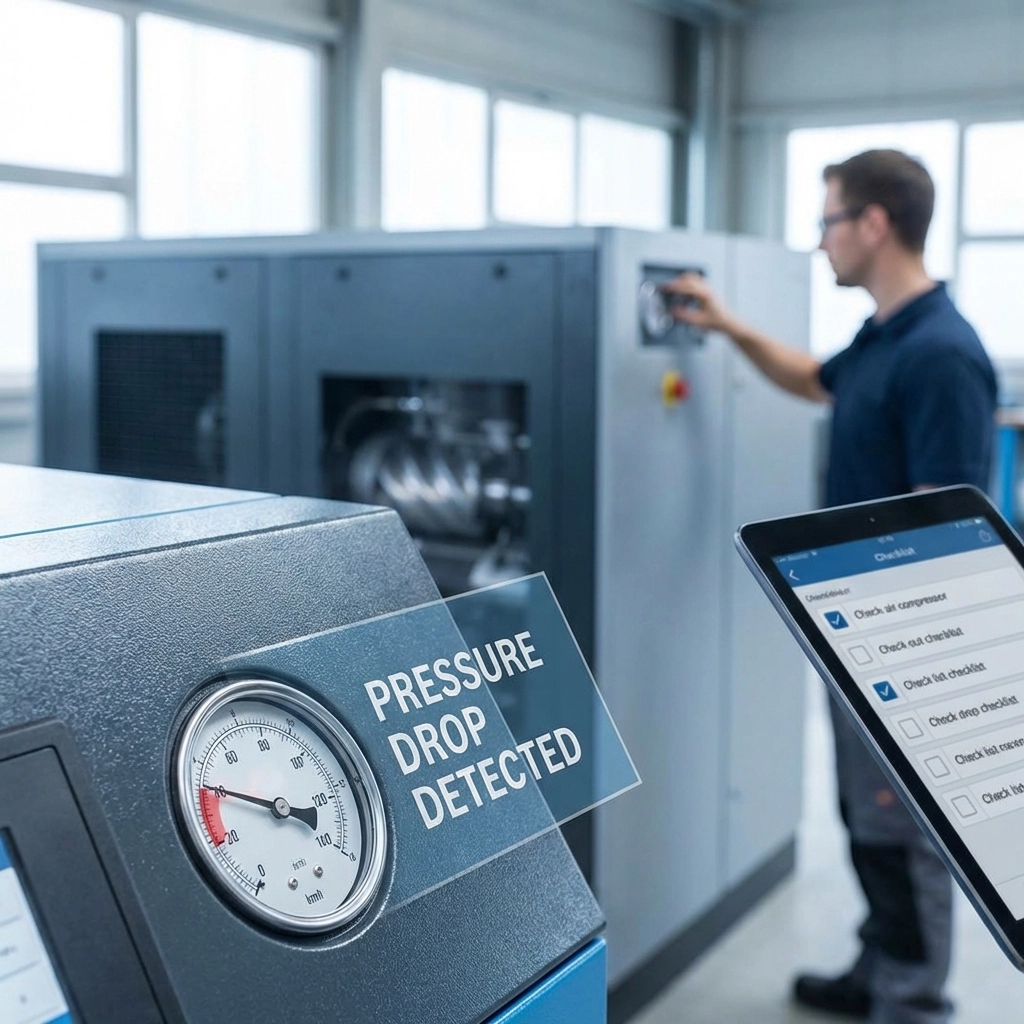
2. Optimizing Operating Pressure: Operating the air compressor at the lowest possible pressure required for the application can significantly reduce energy consumption. Every 2 psi reduction in pressure can result in approximately 1% energy savings. Implementing pressure regulators and optimizing system design to minimize pressure drops can further enhance efficiency.
3. Implementing Variable Speed Drives (VSDs): VSDs adjust the motor speed of the air compressor to match the actual air demand. This is particularly beneficial in applications with fluctuating air demands. VSDs can significantly reduce energy consumption compared to traditional fixed-speed compressors, which often operate at full capacity even when the air demand is low. AirSpace Compressor offers VSD-equipped compressors for optimized energy performance.
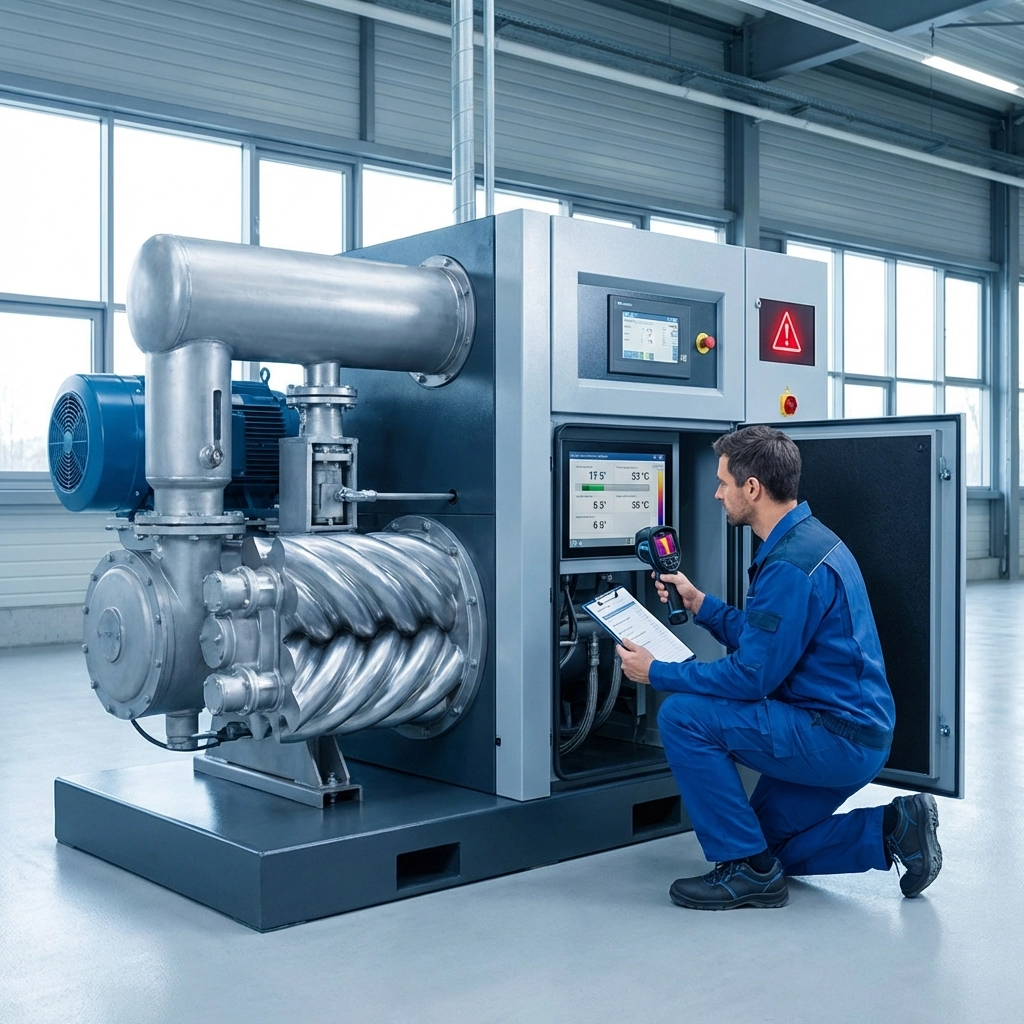
4. Proper Maintenance: Regular maintenance is crucial for maintaining the efficiency of air compressors. This includes cleaning or replacing air filters, lubricating moving parts, and ensuring proper cooling. Neglecting maintenance can lead to increased friction, higher operating temperatures, and reduced efficiency.
5. Heat Recovery: Air compressors generate a significant amount of heat as a byproduct of the compression process. This heat can be recovered and used for other purposes, such as space heating or preheating water. Heat recovery systems can significantly improve the overall energy efficiency of the system.
6. System Design Optimization: The design of the entire compressed air system plays a crucial role in energy efficiency. Proper sizing of pipes, minimizing bends and restrictions, and strategically locating air receivers can reduce pressure drops and improve system performance. A well-designed system minimizes energy waste and ensures optimal performance.
7. Selecting Energy Efficient Compressors: When purchasing a new air compressor, it is essential to select a model that is designed for energy efficiency. Look for compressors with high-efficiency motors, optimized compression cycles, and intelligent control systems. Luoyou Compressor provides a range of energy efficient air compressors designed for optimal performance and minimal energy consumption.
Industry Insights and Best Practices
The compressed air industry is continuously evolving, with ongoing advancements in compressor technology and energy efficiency. Manufacturers are increasingly focusing on developing compressors with improved designs, advanced control systems, and enhanced energy-saving features. Staying abreast of these advancements and adopting best practices can help organizations optimize their compressed air systems and reduce their energy footprint.
Regularly auditing the compressed air system, monitoring energy consumption, and implementing a comprehensive energy management plan are essential steps towards achieving sustainable energy savings. Partnering with experienced compressed air specialists, such as AirSpace Compressor and Luoyou Compressor, can provide valuable insights and guidance in optimizing system performance and maximizing energy efficiency.