Powering Pneumatic Tools in CNC Machining Operations
One of the primary functions of an air compressor in a CNC machine is to provide power to pneumatic tools. CNC machines utilize a range of tools such as drills, saws, and grinders that necessitate compressed air for their operation.
Cooling the Cutting Area to Extend Tool Life
Another important function of an air compressor in a CNC machine is to provide cooling to the cutting area. CNC machines utilize cutting tools, such as drills and saws, that generate a significant amount of heat during operation. This heat can cause the cutting tools to wear out quickly, which can lead to reduced efficiency and accuracy.
Debris Removal for Improved Cutting Accuracy
When a CNC machine cuts or drills, it produces a significant amount of debris, such as metal chips and dust. This debris can accumulate in the cutting area, affecting the accuracy of the cuts and potentially damaging the machine. An air compressor can be used to blow away debris, keeping the area clean and free of obstructions.
Controlling Machine Operations with Pneumatic Precision
Air compressors can also be utilized to regulate various functions of a CNC machine. For example, an air compressor can be used to activate clamps and hold-downs that secure the workpiece in place during cutting or drilling processes. It can also be used to control the movement of the machine’s axes, ensuring accurate and precise cuts.
Lubrication of Parts for Smooth CNC Machine Performance
Lubrication is crucial for ensuring the smooth operation of a CNC machine. An air compressor can be utilized to distribute lubricating oil to different machine components, such as cutting tools and bearings. This ensures that the machine operates smoothly and efficiently, reducing wear and tear on its components and extending its lifespan.
How often should I maintain the air compressor used in CNC machining?
Regular maintenance is essential for optimal performance and typically includes daily drain of moisture from tanks, weekly inspection of air filters, and monthly checks of belts and connections. Most manufacturers recommend comprehensive servicing every 500 to 1,000 operating hours.
Can I use an oil-free air compressor for CNC machine applications?
Yes, oil-free air compressors are suitable for many CNC applications and are particularly beneficial when clean, uncontaminated air is critical. They eliminate the risk of oil contamination in the finished product and reduce the need for oil filtration systems. However, oil-free compressors may have higher upfront costs and potentially shorter service intervals compared to oil-lubricated models.
What pressure level is required for pneumatic tools in CNC machines?
Most pneumatic tools used in CNC machines operate efficiently at pressures between 70 and 120 PSI (pounds per square inch). The specific pressure requirements vary depending on the tool type and application. It is important to maintain consistent pressure levels, as fluctuations can affect tool performance, cutting accuracy, and overall machining quality.
How does compressed air quality affect CNC machining precision?
Compressed air quality directly impacts CNC machining precision and product quality. Contaminants such as moisture, oil particles, and dust can cause tool wear, affect surface finishes, and lead to dimensional inaccuracies. Installing proper air treatment systems including dryers, filters, and separators ensures clean, dry air that maintains machining accuracy and protects sensitive components.
What are the energy-saving options for air compressors in CNC production facilities?
Variable speed drive (VSD) compressors can reduce energy consumption by 35-50% by adjusting motor speed to match actual air demand. Additional energy-saving measures include implementing heat recovery systems, fixing air leaks promptly, and optimizing system pressure settings. Regular energy audits help identify inefficiencies and opportunities for reducing operational costs in CNC production environments.
Why is moisture removal important in CNC air compressor systems?
Moisture in compressed air can cause corrosion in pneumatic components, affect the quality of surface finishes, and lead to premature tool wear in CNC machines. Water contamination can also freeze in air lines during cold conditions, causing blockages and equipment damage.
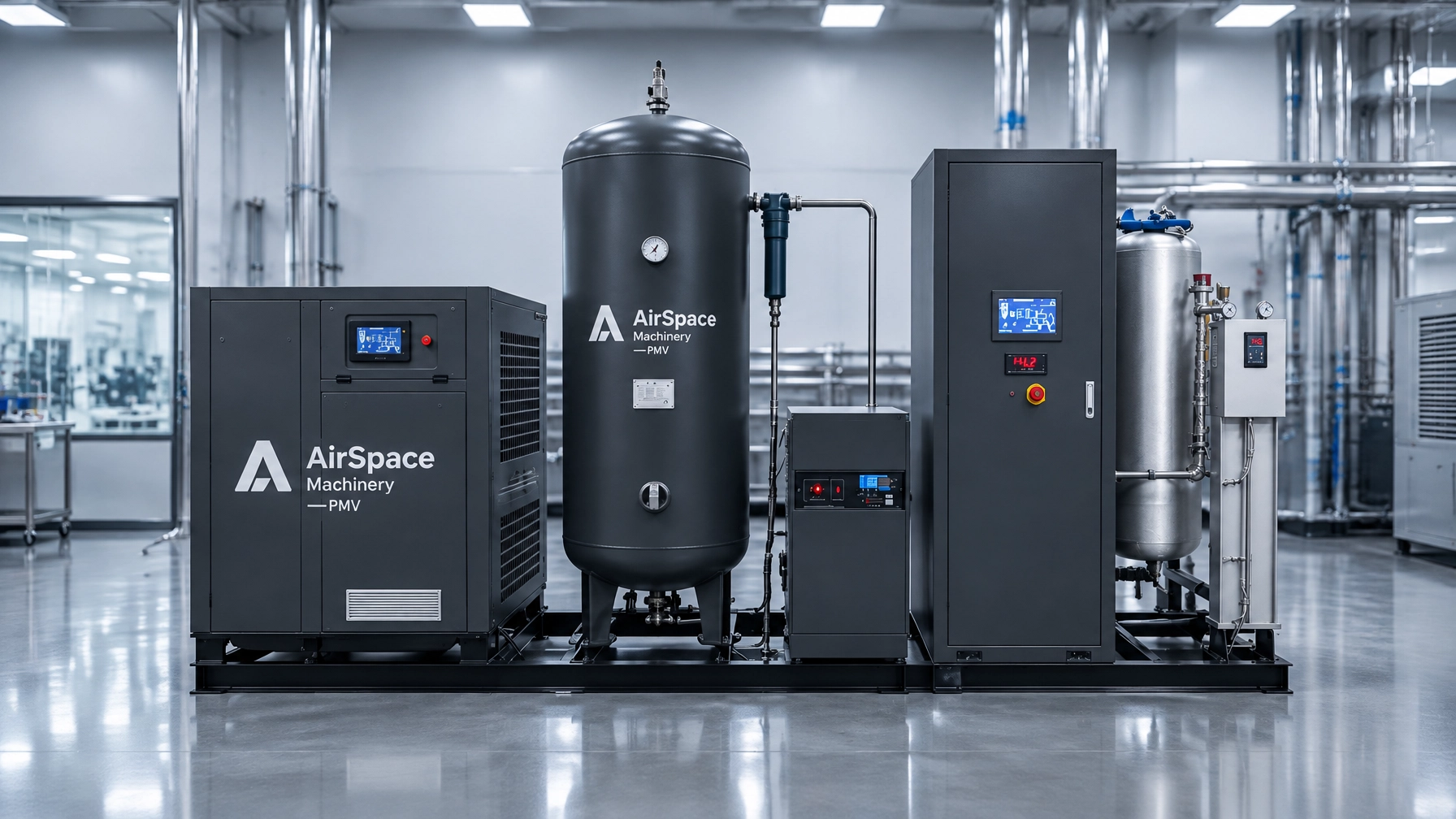
An air compressor is a device that converts power into potential energy by compressing and storing air under pressure. Compressed air is widely used in various industries, including manufacturing, where it is an energy saving crucial component in CNC machines. In this article, we will explore the various functions of an air compressor in a CNC machine.
Function 1: Powering Pneumatic Tools. One of the primary functions of an air compressor in a CNC machine is to provide power to pneumatic tools. CNC machines utilize a range of tools such as drills, saws, and grinders that necessitate compressed air for their operation. The air compressor provides the necessary power to operate these tools, ensuring that the CNC machine can perform its functions efficiently.
Function 2: Cooling the Cutting Area. Another important function of an air compressor in a CNC machine is to provide cooling to the cutting area. CNC machines utilize cutting tools, such as drills and saws, that generate a significant amount of heat during operation. This heat can cause the cutting tools to wear out quickly, which can lead to reduced efficiency and accuracy. An air compressor blows a stream of cool air over the cutting area, which reduces the temperature and extends the lifespan of the cutting tools.
Function 3: Debris Removal. When a CNC machine cuts or drills, it produces a significant amount of debris, such as metal chips and dust. This debris can accumulate in the cutting area, affecting the accuracy of the cuts and potentially damaging the machine. An air compressor can be used to blow away debris, keeping the area clean and free of obstructions.
Function 4: Controlling Machine Operations. Air compressors can also be utilized to regulate various functions of a CNC machine. For example, an air compressor can be used to activate clamps and hold-downs that secure the workpiece in place during cutting or drilling processes. It can also be used to control the movement of the machine’s axes, ensuring accurate and precise cuts.
Function 5: Lubrication of Parts. Lubrication is crucial for ensuring the smooth operation of a CNC machine. An air compressor can be utilized to distribute lubricating oil to different machine components, such as cutting tools and bearings. This ensures that the machine operates smoothly and efficiently, reducing wear and tear on its components and extending its lifespan.
Air compressors play a crucial role in the operation of CNC machines. They power pneumatic tools, cool the cutting area, remove debris, control machine operations, energy saving and lubricate parts. Without air compressors, CNC machines would not be able to function efficiently and accurately. Therefore, it is crucial to ensure that the air compressor receives proper maintenance and regular servicing to ensure it operates at its optimal performance.
⚡ Is Your Factory Bleeding Cash?
Most fixed-speed compressors waste $3,600/year in "Unload Tax." Test your waste level in 30 seconds.
RUN THE ROI TEST →Ready to See How Much Your Facility Can Save?
Fill out the form below for a Free Energy Assessment.