Permanent Magnet Variable Frequency (PMV) screw air compressors represent a breakthrough in industrial compressed air efficiency. With over 20 years of engineering experience in Energy-Efficient Air Compressor systems, we've seen how PMV technology transforms manufacturing operations by delivering 30-50% energy savings compared to traditional fixed-speed units.
But here's what most people get wrong about PMV compressors: they think it's just about variable speed control. The real game-changer lies in how permanent magnet motors and variable frequency drives work together to create an intelligent compressed air system that responds instantly to your actual demand.
How PMV Technology Actually Works
Permanent Magnet Motors: The Efficiency Foundation
Unlike traditional induction motors that create magnetic fields using copper windings, permanent magnet motors use high-grade rare earth magnets. These motors achieve IE4 or IE5 efficiency levels and maintain consistent performance across variable speeds.
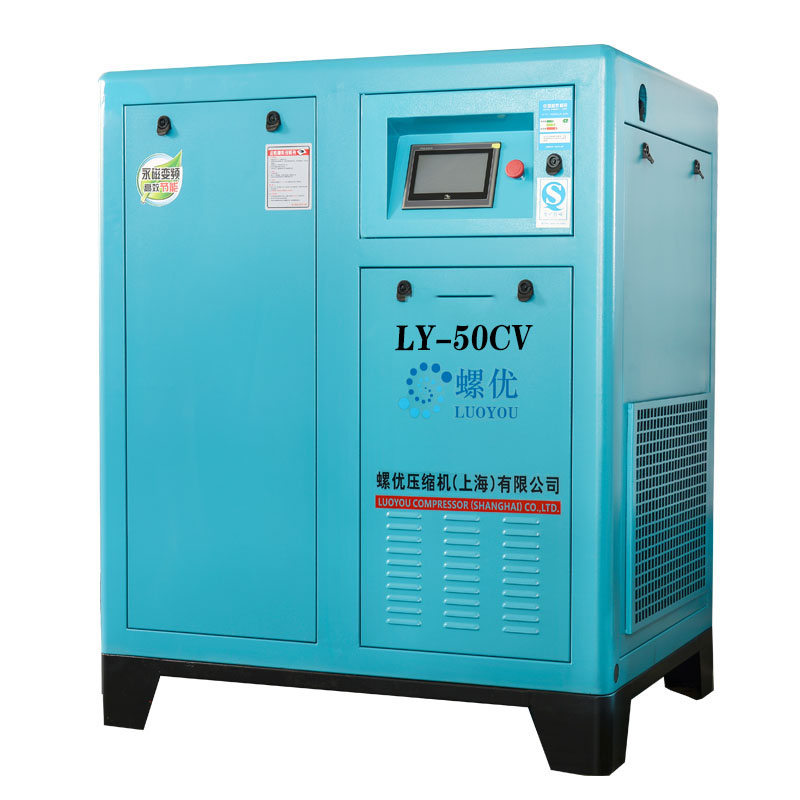
The key advantage? PM motors don't experience the efficiency drop-off that induction motors suffer at partial loads. When your air demand fluctuates throughout the day, a permanent magnet motor maintains optimal efficiency whether running at 30% or 100% capacity.
Variable Frequency Drives: The Intelligence Layer
The VFD acts as the brain of your PMV system. Instead of the crude load/unload cycling that wastes energy in fixed-speed compressors, the VFD continuously adjusts motor speed to match your actual air consumption in real-time.
Here's how it works: pressure sensors feed data to the VFD controller, which instantly calculates the exact motor speed needed to maintain your target pressure. No more overshooting pressure and bleeding off excess air. No more running unloaded and burning electricity for nothing.
Energy Savings That Actually Matter
The 30-50% Energy Reduction Reality
PMV compressors deliver substantial energy savings, but the actual percentage depends on your demand profile. Operations with highly variable air consumption see savings approaching 50%, while steady-load applications typically achieve 30-35% reductions.
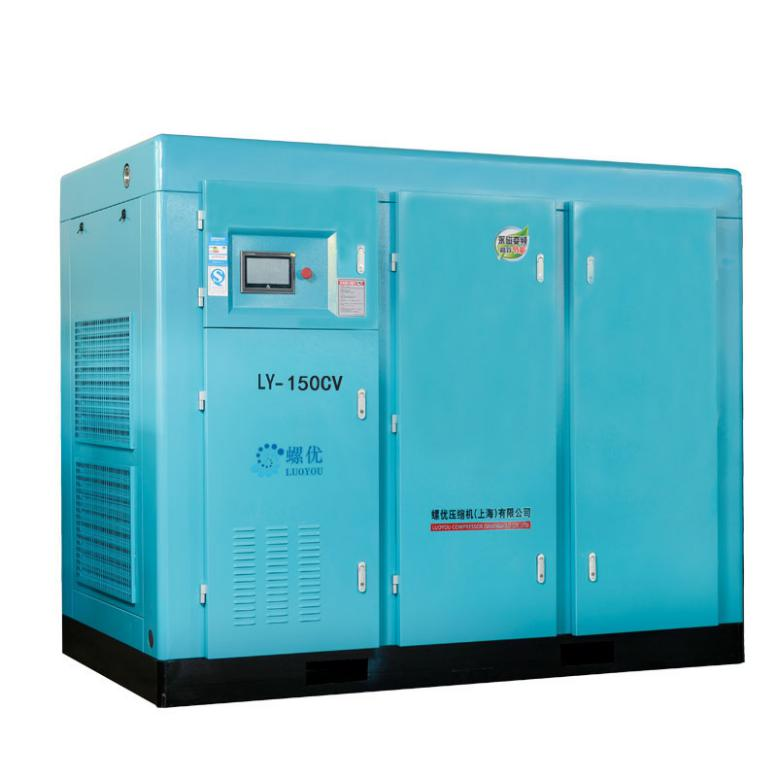
The savings come from three sources:
-
Eliminated Off-Load Running: Fixed-speed compressors consume 25-40% of full load power while running unloaded. PMV units simply slow down or stop.
-
Reduced Pressure Band: Tight pressure control (±0.1 bar) means you can run lower system pressure without risking shortages.
-
Optimized Partial Load Efficiency: PM motors maintain high efficiency even at 30% speed, unlike induction motors that lose efficiency rapidly below 75% load.
Control Strategies: VSD vs Load/Unload
Variable Speed Drive (VSD) Control
PMV compressors use VSD as their primary control method. The system modulates motor speed continuously from 30-100% to maintain constant pressure. This provides superior efficiency and pressure stability compared to traditional load/unload control.
When Load/Unload Still Makes Sense
Even PMV compressors use load/unload control at the extreme low end of their operating range. When air demand drops below 30% of compressor capacity, the unit will unload rather than continue slowing down. This prevents motor overheating and maintains system stability.

Common PMV Misconceptions Debunked
Myth 1: "PMV Compressors Are Too Complex"
Reality: Modern PMV systems are actually more reliable than traditional compressors. Fewer mechanical stress cycles from constant start/stop operation mean longer component life. The VFD provides comprehensive diagnostics and predictive maintenance capabilities.
Myth 2: "The ROI Doesn't Justify the Cost"
Reality: With energy costs representing 70-80% of total compressor ownership costs over 10 years, PMV systems typically pay for themselves within 12-24 months in multi-shift operations.
Myth 3: "Variable Speed Affects Air Quality"
Reality: PMV compressors maintain consistent discharge temperature and moisture levels across their speed range. Air quality actually improves due to more stable operating conditions.
Proper Sizing and Turndown Capabilities
The 3:1 Turndown Rule
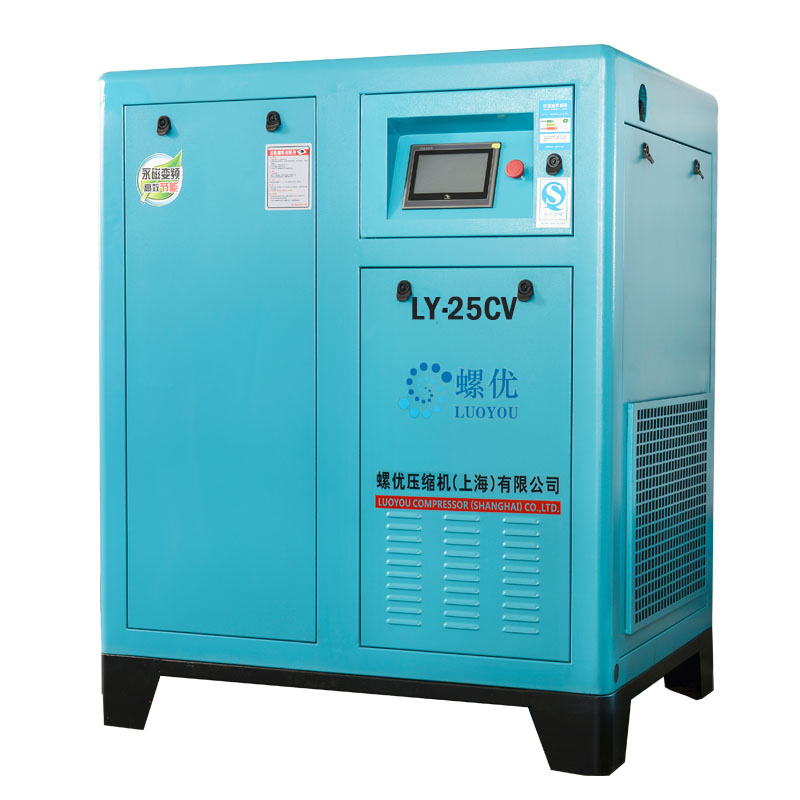
PMV compressors typically offer 3:1 turndown ratio, meaning a 75 kW unit can efficiently operate down to 25 kW output. This wide operating range eliminates the need for multiple small compressors in many applications.
Sizing Strategy
Size your PMV compressor for average demand, not peak demand. The unit's ability to temporarily run above rated capacity during demand spikes, combined with receiver tank storage, handles peak loads efficiently.
For operations with highly variable demand:
- Size for 70-80% of average demand
- Use larger receiver tanks (5-10 gallons per CFM)
- Consider multiple smaller PMV units instead of one large fixed-speed unit
Installation Best Practices
Electrical Considerations
PMV compressors require proper electrical installation to maximize benefits:
- Install isolation transformers if power quality is poor
- Ensure adequate conductor sizing for VFD installations
- Use proper EMI/RFI filtering to prevent interference
- Install bypass contactors for emergency fixed-speed operation
Environmental Requirements
Position PMV compressors in temperature-controlled environments when possible. High ambient temperatures reduce VFD efficiency and can trigger thermal protection.
System Integration
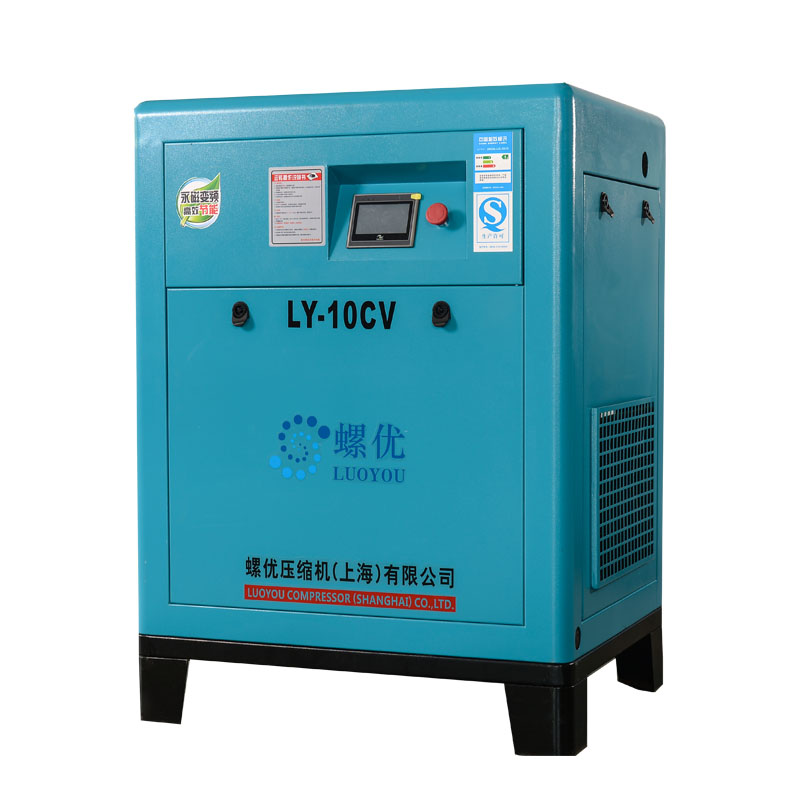
Integrate PMV compressors with existing compressed air management systems:
- Connect pressure sensors at point-of-use locations
- Program cascading control for multiple compressor installations
- Set up remote monitoring for predictive maintenance
- Configure demand-based sequencing for optimal efficiency
Applications and Industries
Manufacturing Operations
PMV compressors excel in manufacturing environments with fluctuating air demand. Automotive assembly lines, food packaging, and textile production benefit significantly from the precise pressure control and energy savings.
Multi-Shift Operations
Facilities operating 16-24 hours daily see maximum PMV benefits. The technology's ability to reduce energy consumption during low-demand periods (lunch breaks, shift changes) creates substantial cost savings.
High-Pressure Applications
Operations requiring 10+ bar pressure benefit from PMV technology's efficiency at high pressures. Traditional compressors lose significant efficiency at elevated pressures, while PM motors maintain performance.
Our CE and ISO 9001 certified PMV screw air compressors deliver proven reliability in demanding industrial environments. With 20 years of engineering experience, we've optimized these systems for maximum efficiency and minimal maintenance requirements.
Ready to Transform Your Compressed Air System?
PMV technology isn't just about energy savings: it's about creating a smarter, more responsive compressed air system that adapts to your operation's needs. Whether you're running a small machine shop or a large manufacturing facility, properly sized and installed PMV compressors deliver measurable improvements in efficiency, reliability, and operating costs.
Get a Proposal for your specific application and discover how much you can save with Energy-Efficient Air Compressor technology.
Author: Penny Winston | AirSpace Machinery
Reviewed by Engineering
Sources/Standards:
- ISO 1217: Displacement compressors – Acceptance tests
- IEC 60034-30-1: Rotating electrical machines – Efficiency classes of line operated AC motors
- Performance data based on ISO 1217 standard testing conditions