The global industrial air compressor market is projected to reach $42.9 billion by 2026, with energy efficiency emerging as the primary driver of purchasing decisions. For manufacturing operations, compressed air systems typically account for 10-30% of total electrical consumption, making efficiency improvements a direct path to substantial cost reductions.
At AirSpace Machinery Co., Ltd., we’ve witnessed firsthand how strategic compressor upgrades deliver immediate operational benefits and long-term cost savings. This comprehensive guide examines the technologies, strategies, and regulatory changes shaping energy-efficient compressed air systems in 2026.
Understanding Energy Efficiency in Modern Air Compressors
Energy-efficient air compressors optimize the relationship between electrical input and compressed air output through advanced motor technologies, intelligent control systems, and precision engineering. The most significant efficiency gains come from Variable Speed Drive (VSD) technology, which dynamically adjusts motor speed based on real-time air demand.
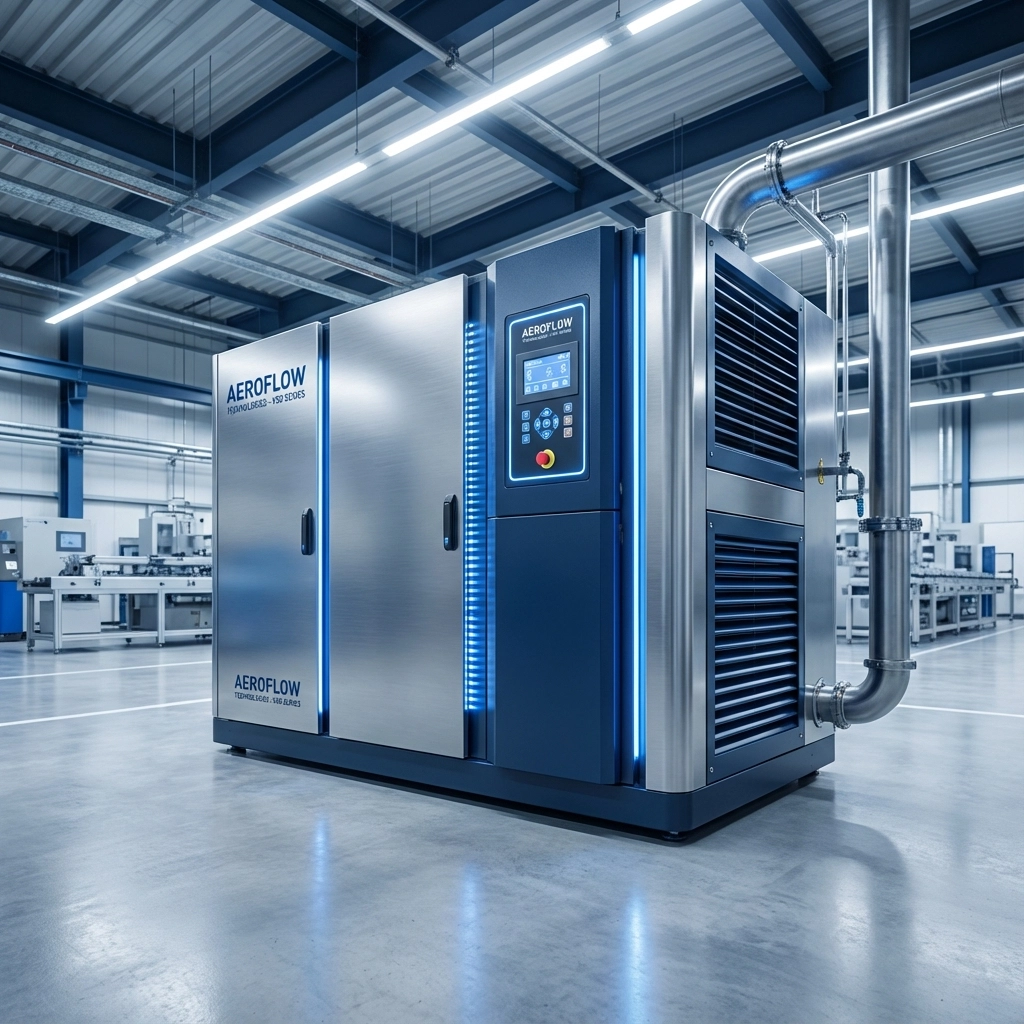
Rotary screw compressors with VSD technology currently represent 44.6% of the energy-efficient compressor market, delivering measurable performance improvements over traditional fixed-speed models. The U.S. Department of Energy validates that properly optimized rotary screw compressors achieve 30% to 60% energy savings compared to older systems.
Variable Frequency Drive (VFD) technology provides even more dramatic results in applications with fluctuating air demand. Independent testing by the Carbon Trust demonstrates that VFD-equipped systems reduce energy consumption by up to 35% when air demand varies throughout operational cycles.
Key Technologies Driving Cost Reduction
Permanent Magnet Variable Frequency (PMV) Screw Air Compressors
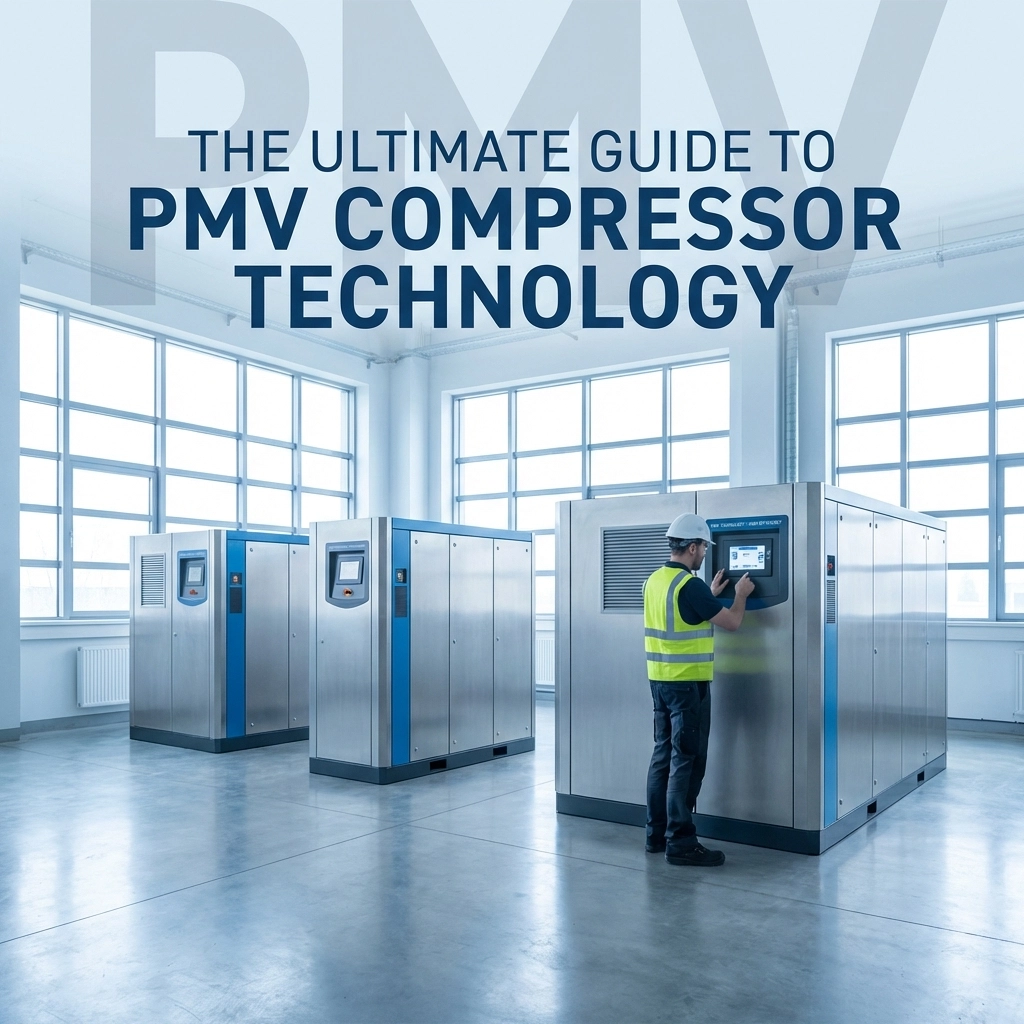
PMV technology represents the current pinnacle of compressor efficiency. These systems combine high-efficiency permanent magnet motors with sophisticated frequency control, delivering superior energy performance across variable load conditions. PMV compressors maintain optimal efficiency rates from 25% to 100% capacity, unlike traditional systems that experience significant efficiency drops at partial loads.
Advanced Lubrication Systems
Pressure-lubricated compressors utilizing synthetic lubricants reduce energy consumption by up to 20% while extending equipment lifespan. Advanced lubrication systems minimize internal friction, reduce heat generation, and maintain consistent performance across extended operational periods.
Smart Control Integration
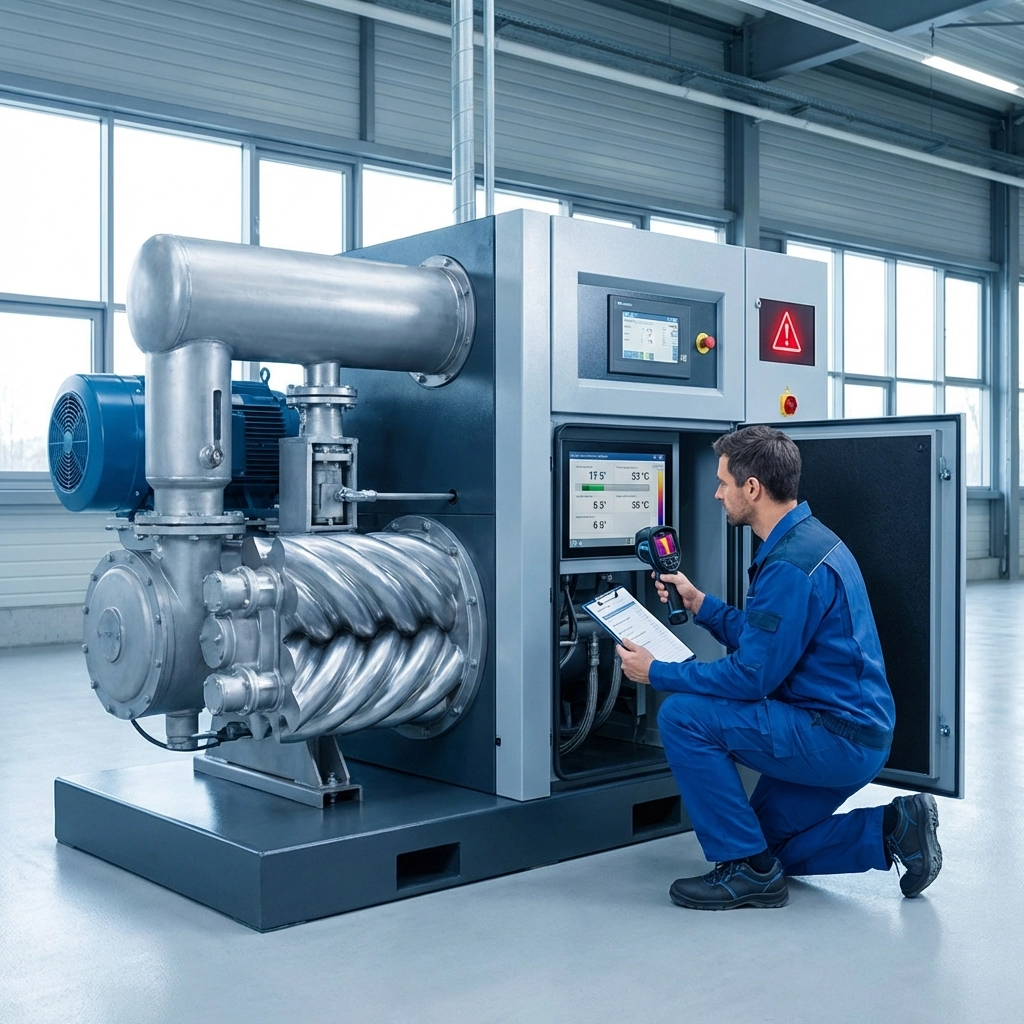
IoT-enabled compressors now feature predictive maintenance capabilities, real-time performance monitoring, and automated optimization algorithms. These systems identify inefficiencies before they impact operations, reducing maintenance costs by 15-20% while maximizing energy performance.
Regulatory Landscape Driving Efficiency Standards
New regulatory requirements mandate minimum isentropic efficiency standards for air compressors manufactured after January 10, 2025. These Department of Energy regulations establish performance benchmarks that compel industrial facilities to evaluate existing equipment and prioritize efficiency upgrades.
Canadian harmonization efforts mirror U.S. standards, creating consistent efficiency requirements across North American manufacturing operations. European CE certification standards continue to emphasize energy performance as a primary qualification metric for industrial compressed air systems.
Strategic Cost Reduction Implementation
Comprehensive Energy Auditing
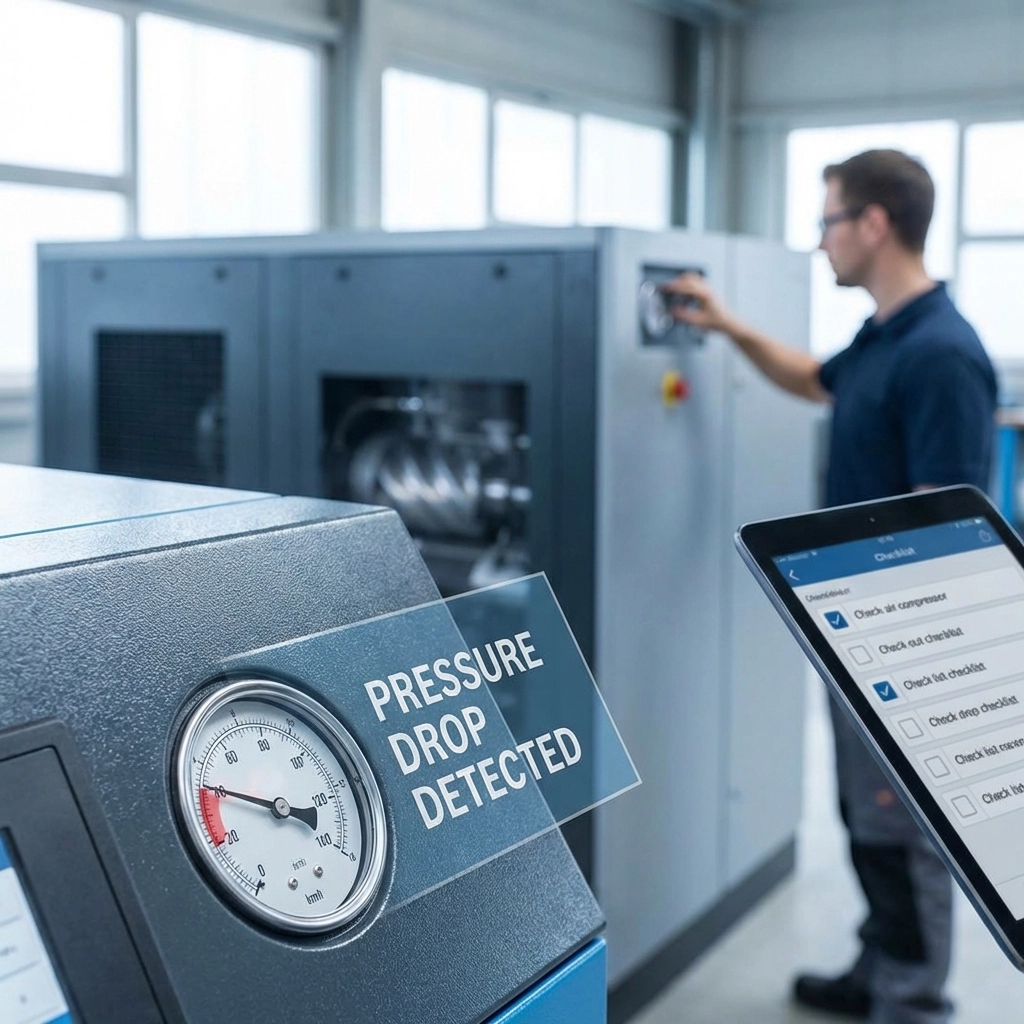
Before implementing efficiency upgrades, conduct a 7-day energy audit of existing compressed air infrastructure. Professional audits identify specific inefficiencies in piping networks, pressure settings, and compressor loading patterns that directly impact operational costs.
Third-party audits provide objective assessments of current performance and quantify potential savings from various upgrade scenarios. These audits examine pressure drop calculations, leak detection, and demand profiling to establish baseline measurements for improvement tracking.

Total Cost of Ownership (TCO) Analysis
Energy-efficient compressor selection requires comprehensive TCO evaluation rather than initial purchase price comparison. Compressed Air and Gas Institute (CAGI) verified data sheets provide standardized performance metrics for accurate efficiency comparisons between manufacturers and models.
TCO analysis incorporates:
- Initial equipment investment
- Installation and commissioning costs
- Annual energy consumption at local utility rates
- Scheduled maintenance requirements
- Expected equipment lifespan
- Warranty coverage and service availability
Load Profile Matching
Optimal compressor selection depends on accurate load profile analysis. Manufacturing operations with fluctuating air demand achieve maximum savings through VSD/VFD technology implementation. Constant high-demand applications may realize superior performance from fixed-speed twin-screw designs optimized for continuous operation.
Multi-stage centrifugal compressors deliver exceptional efficiency for extreme volume requirements exceeding typical rotary screw capacity ranges. These systems excel in large-scale manufacturing environments requiring consistent high-volume compressed air delivery.
Advanced Efficiency Optimization Strategies
Pressure Optimization
Reducing system operating pressure by 2 PSI typically decreases energy consumption by 1%. Comprehensive pressure audits identify opportunities to lower operating pressures without compromising production requirements. Modern compressors maintain consistent pressure delivery while operating at optimized setpoints.

Heat Recovery Implementation
Compressor heat recovery systems capture waste heat for facility heating, process preheating, or hot water generation. Up to 90% of electrical energy input converts to recoverable heat, providing substantial utility cost offsets in appropriate applications.
System Integration and Control
Central control systems coordinate multiple compressors for optimal efficiency across varying demand conditions. Master controllers automatically sequence equipment operation, balance loading, and minimize energy consumption while maintaining required pressure and flow specifications.
Technology Trends Shaping 2026 Market Dynamics
AI-Powered Optimization
Artificial intelligence integration enables real-time performance optimization based on historical data analysis and predictive modeling. AI systems continuously adjust operating parameters to maximize efficiency while anticipating maintenance requirements and operational changes.
Industry 4.0 Connectivity
Enhanced connectivity features provide remote monitoring capabilities, performance analytics, and integration with existing manufacturing execution systems. Smart device integration enables facility-wide energy management and optimization across interconnected systems.

Portable Oil-Free Solutions
Advanced portable oil-free compressors now incorporate smart monitoring capabilities and energy-efficient motor technologies. These systems address specialized applications requiring contamination-free compressed air while maintaining energy performance standards comparable to stationary installations.
Implementation Best Practices for Maximum ROI
Phased Upgrade Strategies
Large-scale efficiency improvements benefit from phased implementation approaches that minimize operational disruption while delivering incremental cost savings. Priority upgrades target highest-consumption equipment first, generating immediate savings to fund subsequent phases.
Professional Installation and Commissioning
Proper installation and commissioning ensure optimal performance from energy-efficient equipment. Professional commissioning validates system performance, verifies efficiency ratings, and establishes baseline measurements for ongoing performance monitoring.
Ongoing Performance Monitoring
Continuous performance monitoring identifies efficiency degradation before it significantly impacts operational costs. Regular performance reviews track energy consumption trends, maintenance requirements, and optimization opportunities.
Market Outlook and Strategic Positioning
The Asia Pacific region leads energy-efficient compressor adoption with projected 31.6% market share during 2026–2035. Rapid industrialization and supportive government policies drive aggressive efficiency standards implementation across emerging markets.
Leading manufacturers continue investing in R&D initiatives focused on variable-speed drive expansion, enhanced Industry 4.0 connectivity, and intelligent control systems. These developments position compressed air systems as strategic assets contributing to operational efficiency rather than utility commodities.
The convergence of regulatory pressure, rising energy costs, and technological advancement creates optimal conditions for compressed air infrastructure evaluation and efficiency upgrades. Organizations implementing comprehensive efficiency strategies realize both immediate operational benefits and long-term competitive advantages through reduced energy dependence and enhanced operational reliability.
Manufacturing operations prioritizing energy-efficient compressed air systems position themselves for sustained cost advantages while meeting increasingly stringent environmental and regulatory requirements driving 2026 industrial equipment standards.