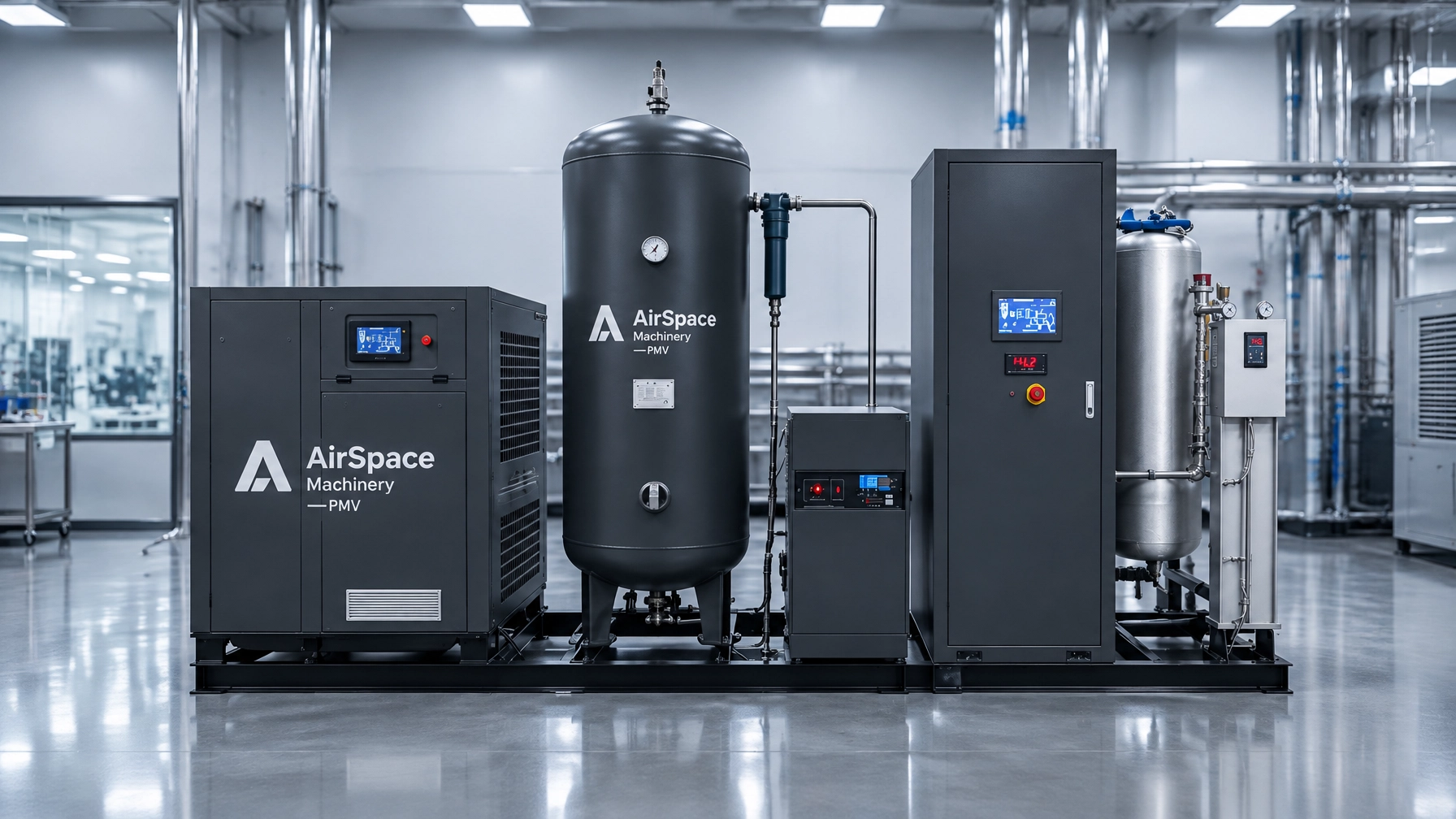
Critical Functions of Air Compressor Filters
Protect the compressor Filters are essential components that protect the internal parts of the compressor from damage caused by contaminants and impurities. Without effective filters, the internal components of the compressor may become obstructed or corroded, resulting in premature failure and expensive repairs.
Key Benefits of Proper Air Compressor Filtration
Improved Air Quality Clean and filtered compressed air is essential for many applications, including painting, sandblasting, and pneumatic tools. By removing contaminants from the compressed air, filters help to ensure that the air is safe and free from impurities, reducing the risk of contamination and ensuring the highest quality output.
How often should I replace the filters in my air compressor system?
The replacement frequency for air compressor filters depends on the filter type, operating environment, and usage intensity. Intake filters typically require replacement every 1,000 to 2,000 operating hours or sooner in dusty environments, while coalescing and particulate filters should be changed when pressure differential indicators show they are saturated.
What happens if I run my air compressor without proper filtration?
Operating an air compressor without proper filtration can lead to severe consequences including accelerated wear on internal components, contaminated compressed air output, and significantly reduced equipment lifespan. Contaminants such as dust, oil, and moisture can cause corrosion, blockages, and damage to valves, bearings, and seals.
What is the difference between coalescing filters and particulate filters?
Coalescing filters are specifically designed to remove oil aerosols and water vapor from compressed air by causing tiny droplets to merge into larger droplets that can be easily drained away. Particulate filters, on the other hand, are engineered to capture solid contaminants such as dust, rust, pipe scale, and other debris using layered filtration media.
Which air compressor filter is best for food processing applications?
Food processing applications typically require a combination of coalescing filters, particulate filters, and activated carbon filters to meet stringent air quality standards such as ISO 8573-1 Class 1. Activated carbon filters are particularly important in food processing because they remove odors, hydrocarbons, and oil vapors that could contaminate food products.
How do clogged filters affect air compressor energy consumption?
Clogged or dirty filters create increased pressure drop across the filtration system, forcing the compressor to work harder to maintain the required downstream pressure. This additional workload can increase energy consumption by 3% to 10% or more, significantly raising operating costs over time.
Can I clean and reuse air compressor filters instead of replacing them?
While some intake filters made of foam or certain synthetic materials can be cleaned and reused a limited number of times, most air compressor filters—including coalescing, particulate, and activated carbon filters—are designed for single use and should be replaced when saturated.
What ISO air quality class do I need for my compressed air application?
The required ISO 8573-1 air quality class depends on your specific application and industry standards. General industrial applications may only require Class 4 or Class 5 air quality, while sensitive applications such as pharmaceutical manufacturing, electronics production, and food processing typically require Class 1 or Class 2 air quality with extremely low levels of particulates, water, and oil.
Air compressors are extensively utilized in diverse industries and applications, ranging from pneumatic tools to painting and sandblasting tasks. Air compressors function by elevating the air pressure to compress it in a tank or reservoir. The compressed air can then be utilized to operate a variety of tools and machines. To ensure the quality and longevity of an air compressor system, filters play a crucial role in removing contaminants and protecting the compressor’s internal components. In this article, we will examine the various types of filters utilized in air compressor systems, their respective functions, and the advantages they offer.
1. Intake Filters
Intake filters are installed at the air compressor’s air intake point and are designed to remove contaminants, such as dust, dirt, and other debris, from the air before it enters the compressor. These filters are typically made of paper or foam and are designed to be disposable. They are designed to be replaced regularly in order to maintain the integrity and efficiency of the compressor.
2. Coalescing Filters
Coalescing filters are utilized to eliminate oil and water vapors from compressed air. These filters utilize a combination of mechanical and chemical processes to capture and bond with contaminants, enabling their easy removal from compressed air. Coalescing filters are typically made of specially treated fibers and are designed to be replaced when they become saturated.
3. Particulate Filters
Particulate filters are utilized to eliminate solid impurities from compressed air, such as rust, dirt, and other debris. These filters function by utilizing multiple layers to capture particles of varying sizes, thereby preventing them from entering the compressed air. Particulate filters are frequently used in combination with coalescing filters to achieve thorough filtration of compressed air.
4. Activated Carbon Filters
Activated carbon filters are utilized to remove odors and other gases from compressed air. These filters work by using activated carbon to adsorb contaminants, which adhere to the surface of the carbon. Activated carbon filters are frequently utilized in applications that necessitate pure and odor-free compressed air, such as in the food processing and pharmaceutical manufacturing industries.
Functions of Filters
1. Protect the compressor
Filters are essential components that protect the internal parts of the compressor from damage caused by contaminants and impurities. Without effective filters, the internal components of the compressor may become obstructed or corroded, resulting in premature failure and expensive repairs.
2. Improve Air Quality
Filters help ensure that compressed air is free from contaminants, providing clean and safe air for use in various applications. Clean and filtered compressed air is essential in industries that require high-quality air, such as food processing and pharmaceutical manufacturing.
3. Improve Efficiency
Filters help maintain the efficiency and performance of an air compressor system by removing contaminants that can cause blockages and reduce airflow. By ensuring that the compressed air is free of impurities, filters help optimize the compressor’s performance, reduce energy consumption, and save on operating costs.
Benefits of Filters
1. Improved Air Quality
Clean and filtered compressed air is essential for many applications, including painting, sandblasting, and pneumatic tools. By removing contaminants from the compressed air, filters help to ensure that the air is safe and free from impurities, reducing the risk of contamination and ensuring the highest quality output.
2. Reduced Downtime
Air compressors that lack filters are more susceptible to breakdowns and malfunctions due to contaminated air. By utilizing filters, air compressors can operate smoothly and efficiently, thereby reducing the risk of expensive downtime caused by repairs and maintenance.
3. Increased Longevity
Filters help protect the internal parts of the compressor from damage caused by contaminants and impurities. By removing these impurities, filters help to extend the life of the compressor, thereby reducing the need for costly repairs and replacements.
Conclusion
Air compressor filters play a critical role in ensuring the efficiency, longevity, and quality of an air compressor system. By removing contaminants from compressed air, filters help protect the internal parts of the compressor, improve air quality, and increase efficiency. Choosing the appropriate filters for your air compressor system is crucial to guarantee that the air is devoid of impurities and safe for use in diverse applications. By understanding the various types of filters that are available and their respective functions, you can choose the most appropriate filters for your air compressor system. This will ensure reliable and optimal performance for many years to come.
⚡ Is Your Factory Bleeding Cash?
Most fixed-speed compressors waste $3,600/year in "Unload Tax." Test your waste level in 30 seconds.
RUN THE ROI TEST →Ready to See How Much Your Facility Can Save?
Fill out the form below for a Free Energy Assessment.