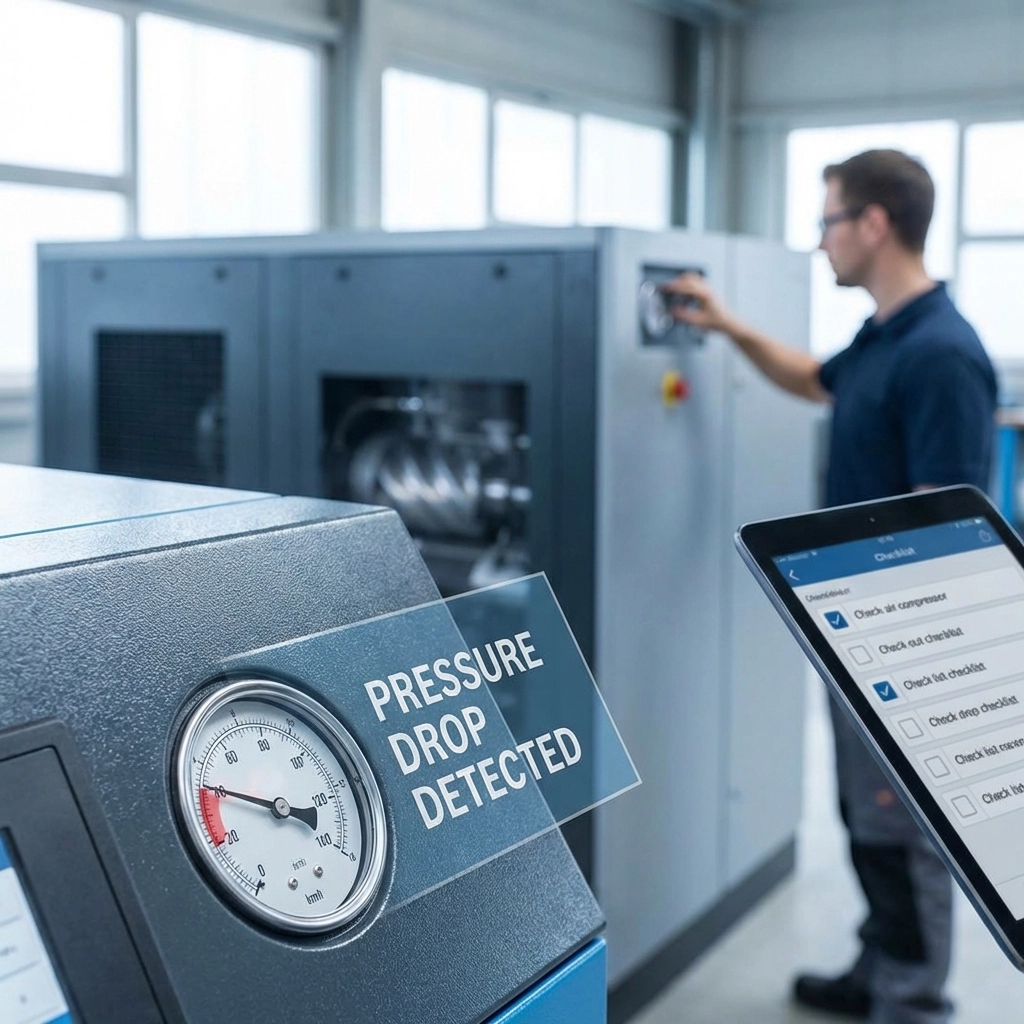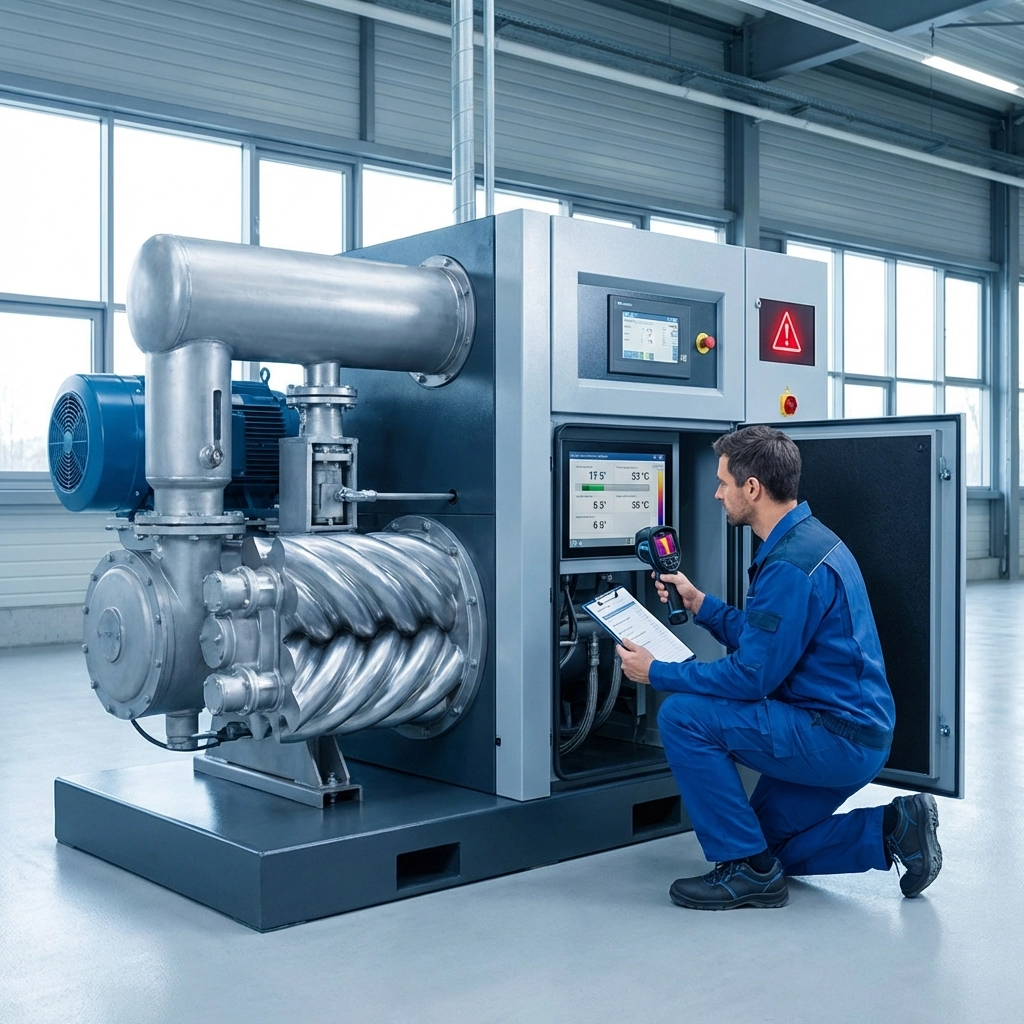
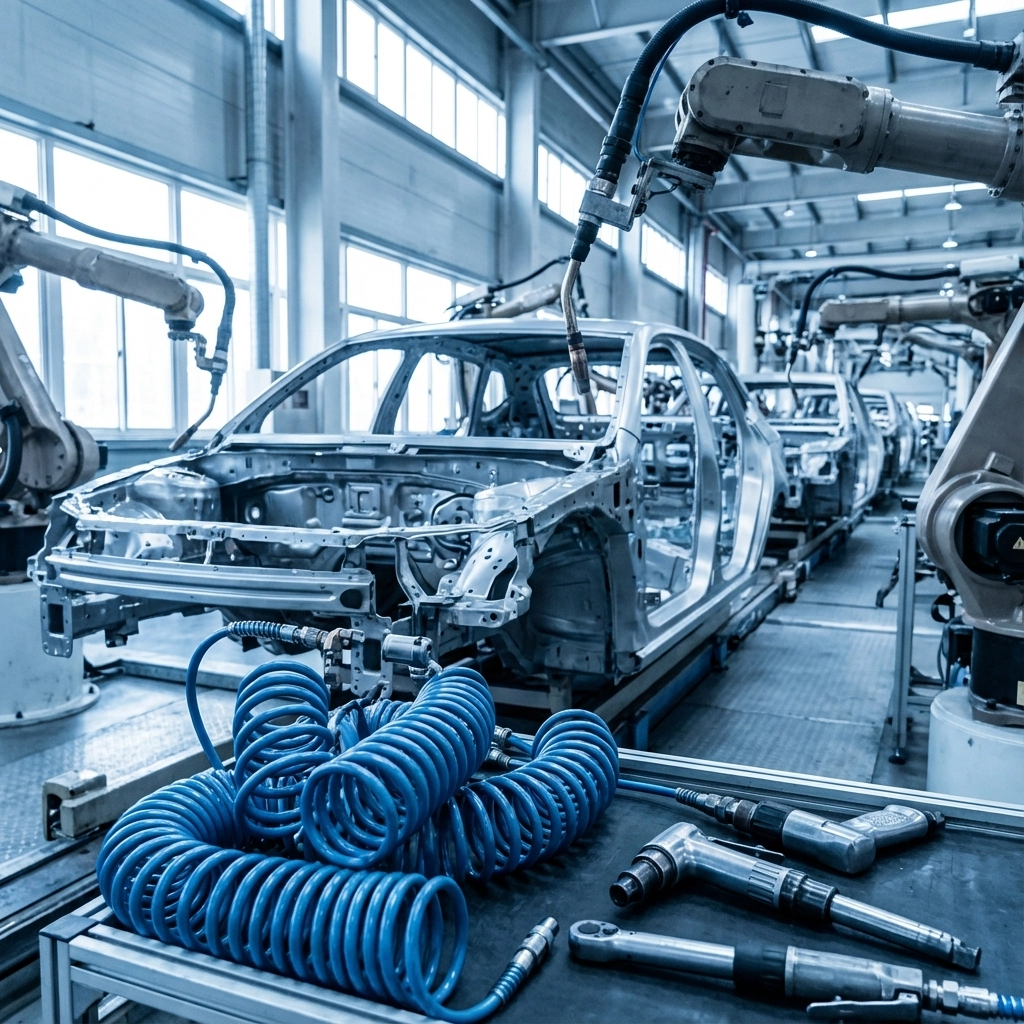
Compressed air systems represent the fourth utility in automotive manufacturing facilities, powering everything from pneumatic assembly tools to robotic automation systems. Selecting the right high-performance compressed air infrastructure directly impacts production efficiency, product quality, and operational costs across your entire manufacturing operation.
Understanding Automotive Manufacturing Air Demand Profiles
Automotive production facilities present unique compressed air challenges compared to other industrial applications. Paint booth operations require oil-free air at consistent pressures between 90-120 PSI, while assembly line pneumatic tools demand rapid cycling capabilities with minimal pressure fluctuations.
Calculate your facility’s total CFM requirements by cataloging all simultaneous air-consuming processes during peak production shifts. Assembly stations typically consume 15-25 CFM per workstation, while automated systems may require 50-150 CFM depending on actuator size and cycling frequency. Factor in a 20-30% safety margin to accommodate production increases and equipment additions.
Peak demand calculations must account for:
- Simultaneous tool operation across multiple assembly lines
- Pneumatic conveying systems for parts handling
- Quality control equipment requiring precise pressure regulation
- Paint booth atomization systems with stringent air purity requirements
- Robotic system actuators operating at high cycle rates
Rotary Screw vs. Reciprocating Compressor Technologies
Rotary Screw Compressors deliver superior performance for automotive manufacturing applications requiring continuous operation above 25 HP. These systems provide consistent pressure output with minimal pulsation, critical for precision assembly operations and automated equipment. Variable Frequency Drive (VFD) equipped rotary screw units automatically adjust motor speed to match air demand, delivering energy savings up to 35% compared to fixed-speed alternatives.
Modern rotary screw systems integrate advanced oil separation technology, achieving less than 3 ppm oil carryover without secondary treatment. This proves essential for paint finishing operations where oil contamination compromises coating adhesion and surface quality.
Reciprocating Compressors remain viable for smaller facilities or applications with intermittent air demand patterns. Two-stage reciprocating units efficiently generate pressures up to 175 PSI, suitable for high-pressure testing equipment and specialized tooling applications.
Oil-Free vs. Lubricated System Selection
Oil-free compressed air systems eliminate contamination risks in critical automotive applications. Paint spray operations, brake component assembly, and electronic component handling require Class 0 oil-free air per ISO 8573-1 standards.
Oil-free technologies include:
- Water-injected screw compressors providing natural cooling without oil
- Oil-free rotary screw units with specialized coatings and bearings
- Centrifugal compressors for high-volume applications above 500 CFM
Lubricated systems paired with advanced filtration achieve comparable air quality at lower initial costs. Multi-stage filtration trains incorporating coalescent separators, activated carbon adsorbers, and particulate filters consistently deliver air meeting automotive industry purity requirements.
System Sizing and Capacity Planning
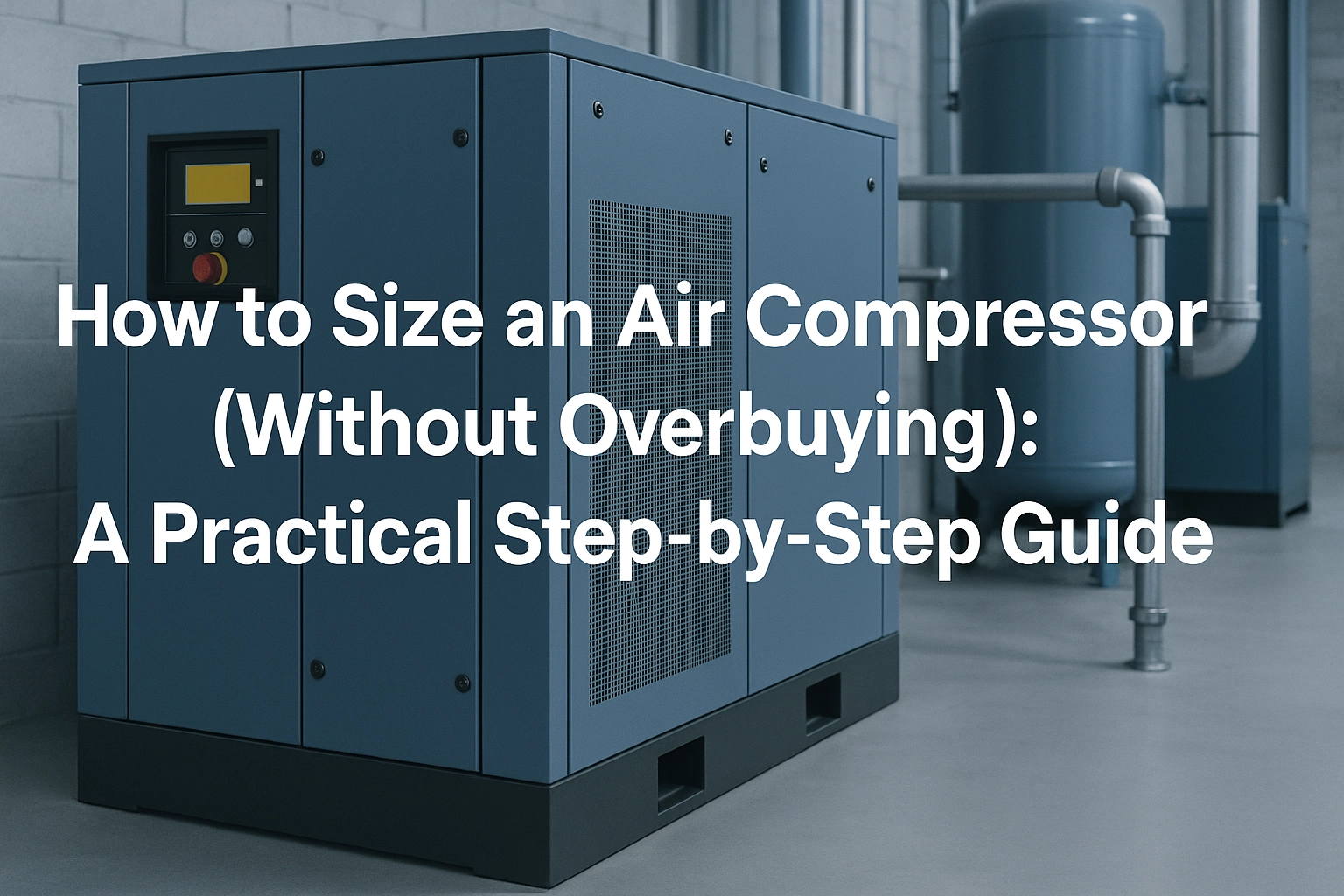
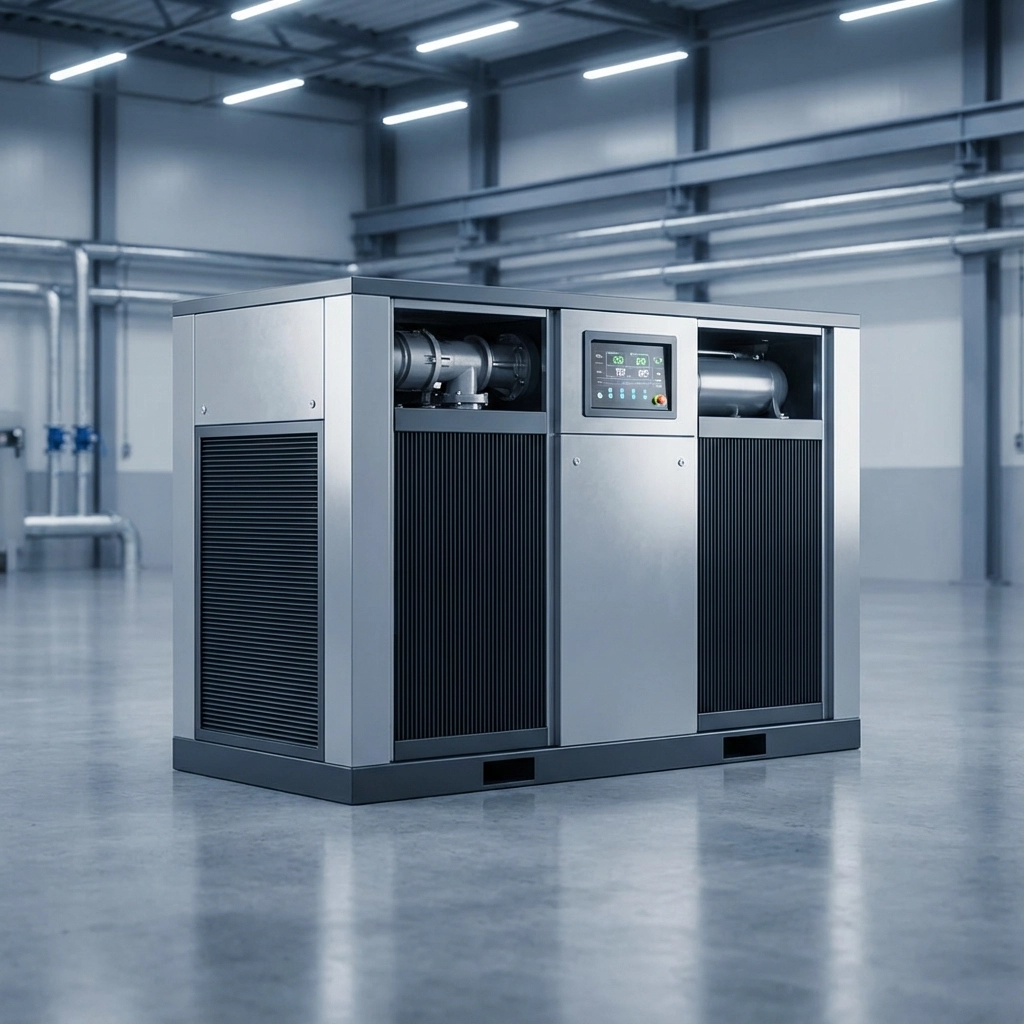
Proper capacity sizing prevents costly over-specification while ensuring adequate air supply during peak production periods. Automotive facilities typically operate with base load compressors handling 60-70% of average demand, supplemented by trim units managing demand fluctuations.
Implement these sizing strategies:
- Install multiple smaller units rather than single large compressors for improved redundancy
- Size primary compressors for base load operation at 70-80% capacity
- Configure trim units with VFD control for responsive demand matching
- Plan for future expansion by oversizing distribution piping by 25-30%
Storage tank sizing follows the 1-gallon per CFM rule for reciprocating compressors, while rotary screw systems require 2-4 gallons per CFM depending on control strategy and demand variation patterns.
Distribution System Design for Manufacturing Efficiency
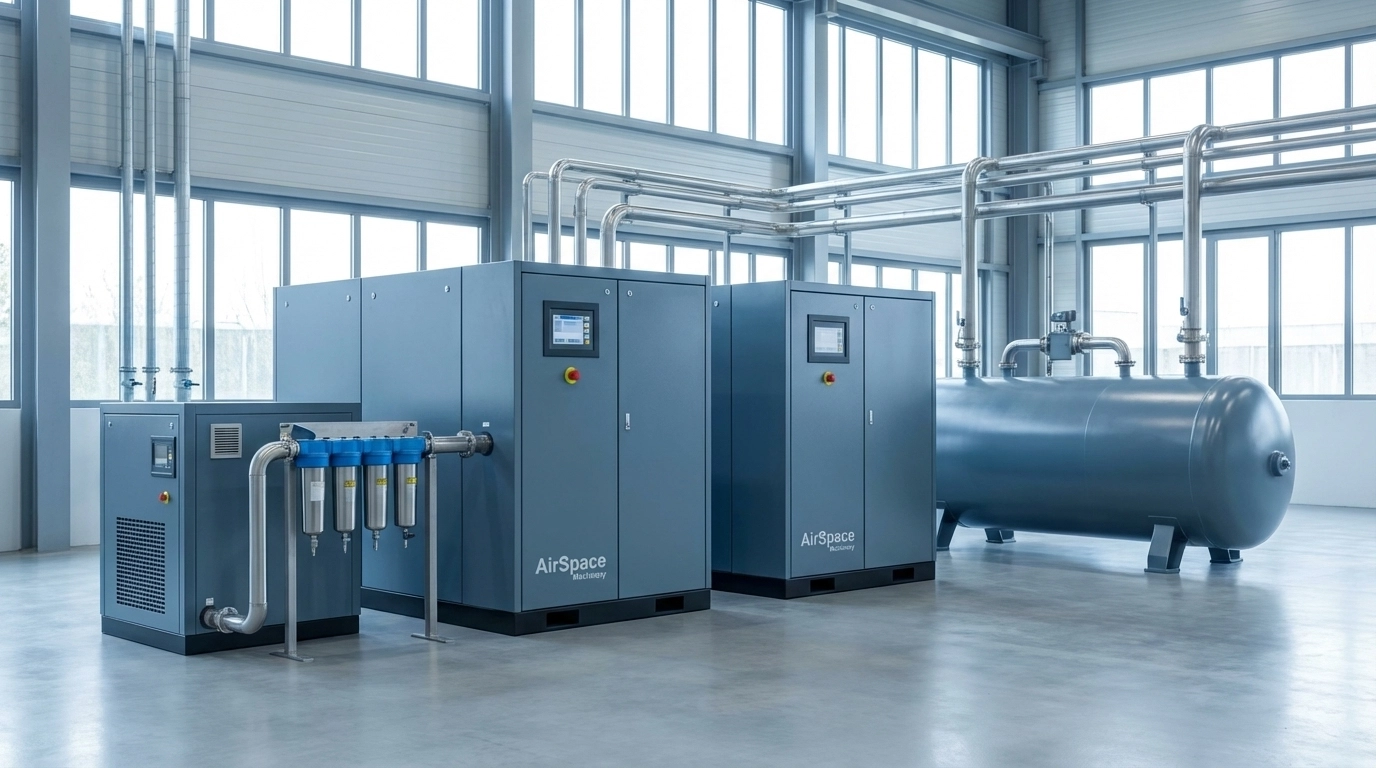
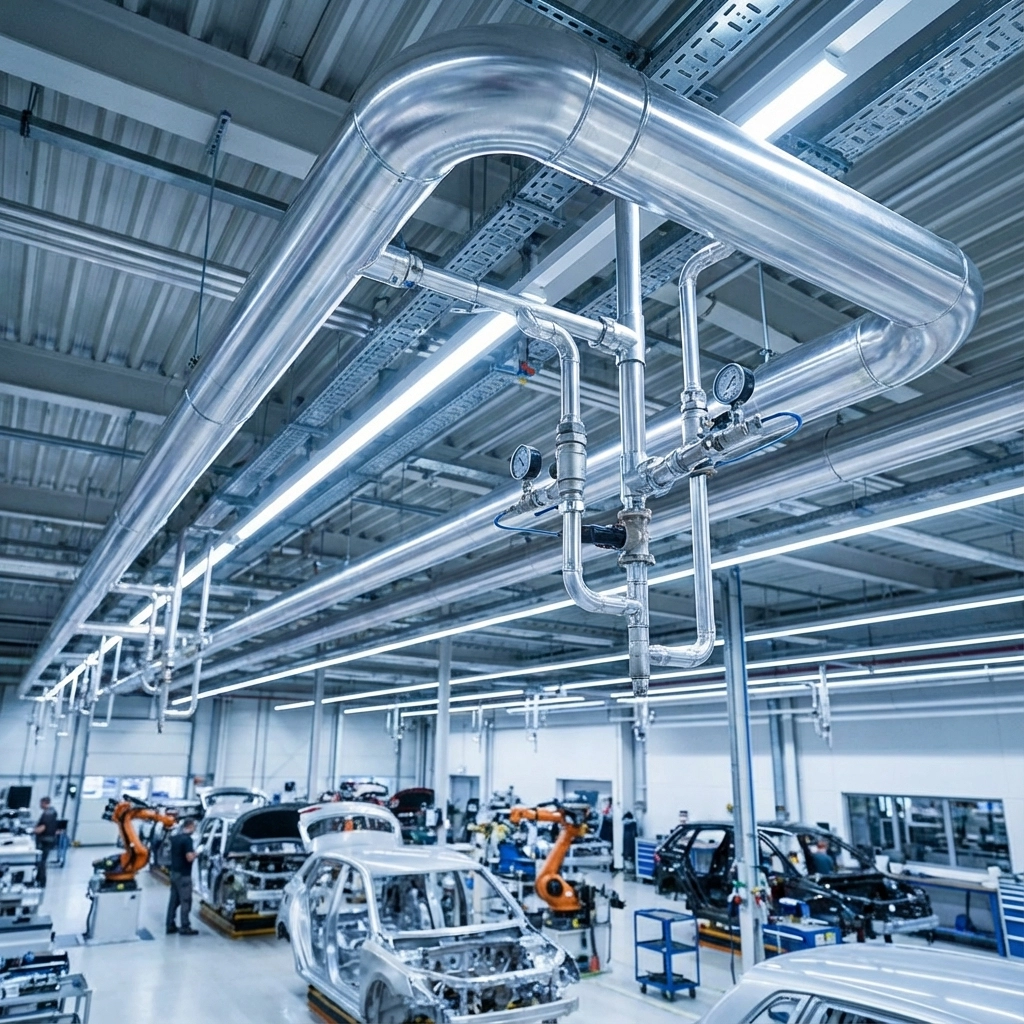
Closed-loop piping configurations ensure uniform pressure distribution throughout automotive manufacturing facilities. Ring main systems eliminate dead-ends and provide redundant flow paths, maintaining consistent pressure even during maintenance shutdowns.
Aluminum piping systems offer superior performance compared to traditional steel installations. Aluminum’s smooth internal surface reduces friction losses by 20-30%, while corrosion resistance prevents internal scale formation that contaminates compressed air streams.
Critical design considerations include:
- Minimum 6-inch diameter mains for facilities above 500 CFM
- Pressure drop limitations not exceeding 3% from compressor to furthest outlet
- Condensate drainage at all low points and directional changes
- Isolation valves every 150-200 feet for maintenance flexibility
- Dedicated feeds for critical applications requiring consistent pressure
Advanced Air Treatment and Quality Control
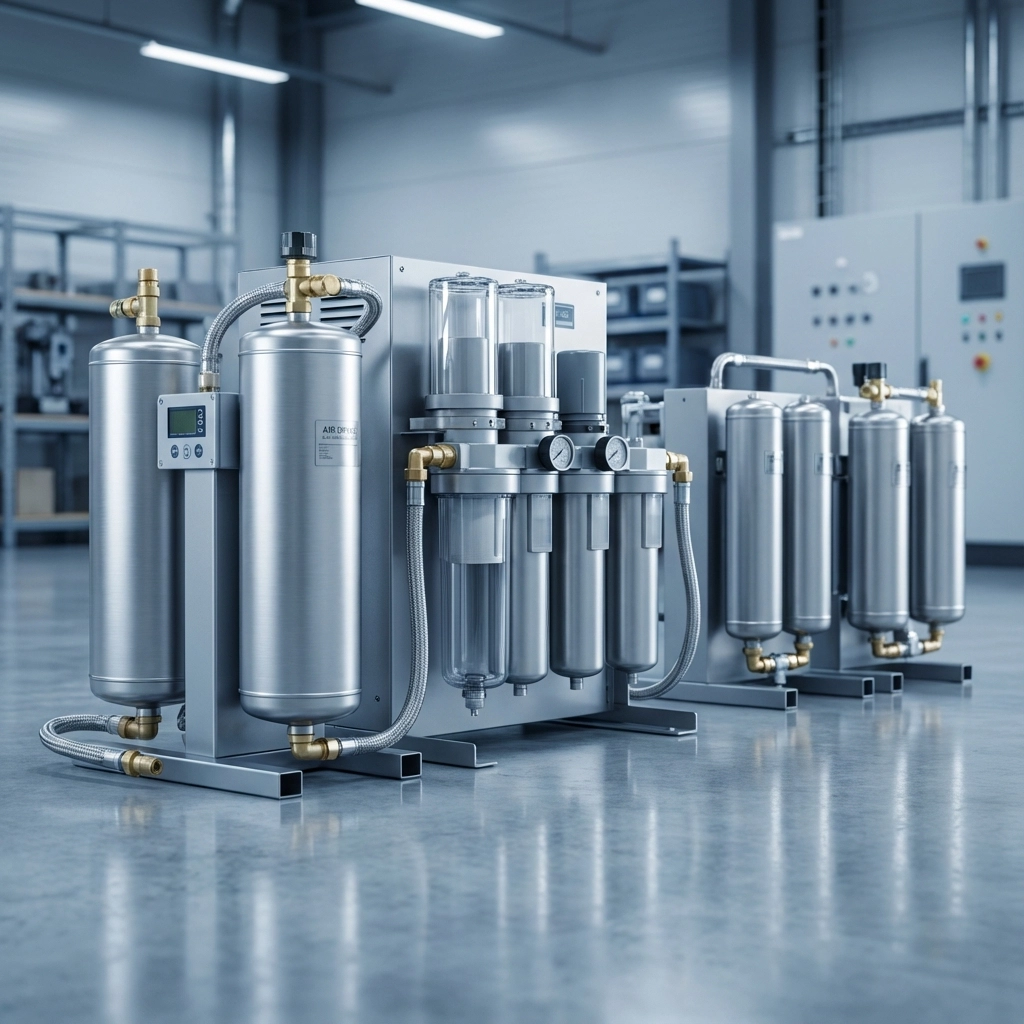
Automotive manufacturing demands precise air quality control across diverse applications. Refrigerated air dryers maintain pressure dew points of 35-39°F, preventing condensation in distribution systems and end-use equipment.
Multi-stage filtration systems typically include:
- Particulate pre-filters removing contaminants down to 1 micron
- Coalescent separators extracting oil and water aerosols
- Activated carbon adsorbers eliminating oil vapors and odors
- Final particulate filters achieving 0.1 micron filtration efficiency
Desiccant air dryers achieve pressure dew points down to -40°F for critical applications. Heatless regenerative designs provide reliable performance with minimal maintenance requirements, while heated purge systems offer energy-efficient operation for high-flow applications.
Energy Efficiency and Operating Cost Optimization
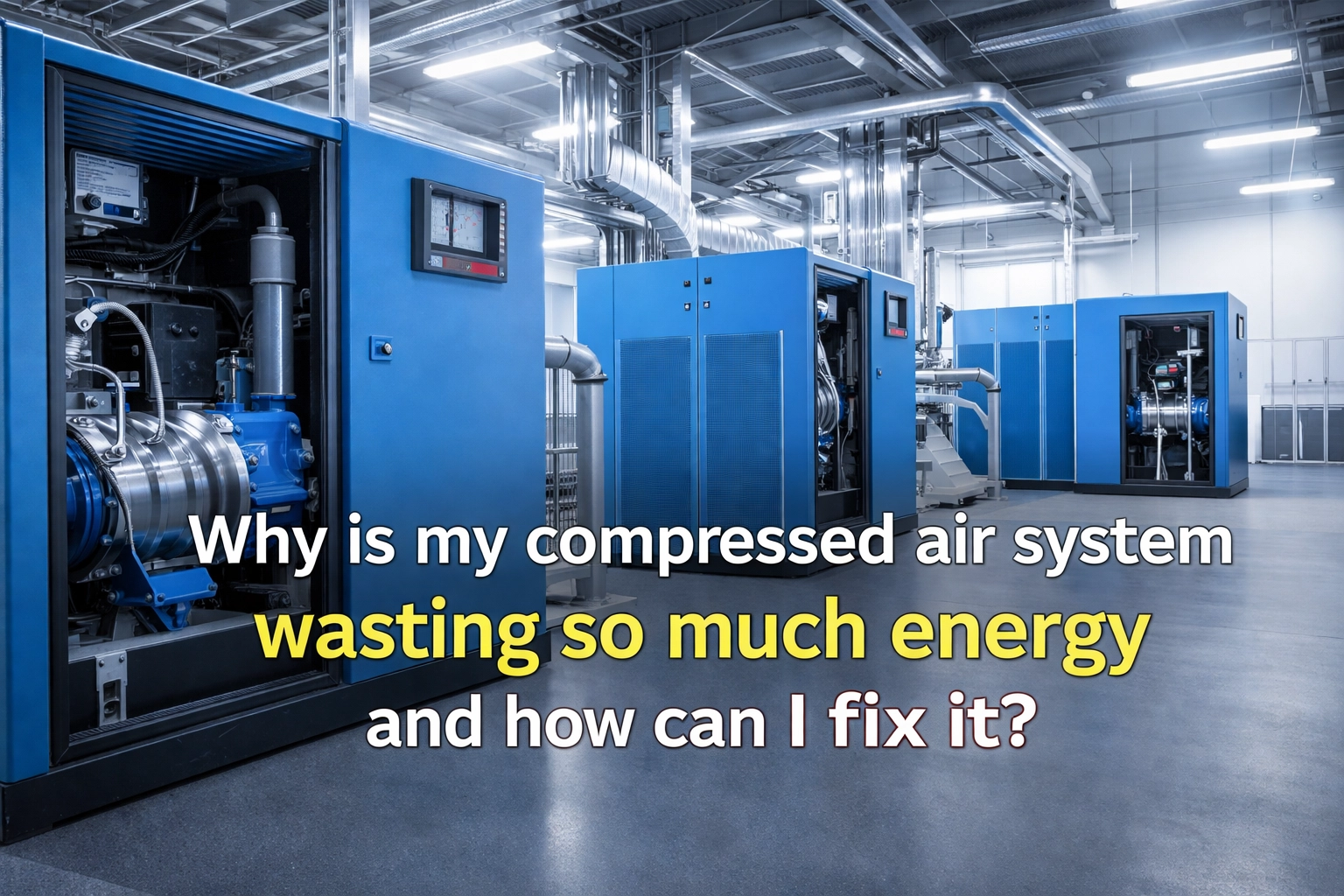
Compressed air systems typically consume 10-15% of total facility electrical demand in automotive manufacturing plants. Variable Speed Drive (VSD) technology reduces energy consumption by matching compressor output to actual demand, eliminating unloaded running periods that waste 15-35% of input power.
Energy optimization strategies include:
- Installing VSD compressors for applications with varying demand
- Implementing automatic start/stop controls for standby units
- Optimizing system pressure settings to minimum acceptable levels
- Regular leak detection and repair programs preventing waste
- Heat recovery systems capturing waste heat for facility heating
Compressed air leak detection programs identify waste points consuming significant energy. A 1/8-inch leak at 100 PSI wastes approximately 32 CFM, costing $2,500 annually in electrical consumption at average industrial rates.
Reliability and Maintenance Considerations
Automotive production schedules demand maximum compressed air system reliability. Implement redundant compressor configurations preventing single-point failures that halt production lines.
Preventive maintenance programs should address:
- Oil and filter changes per manufacturer recommendations
- Belt tension and alignment verification on reciprocating units
- Cooler cleaning preventing temperature-related shutdowns
- Condensate drain testing ensuring moisture removal
- Vibration analysis identifying bearing wear before failure
Remote monitoring systems provide real-time visibility into compressor performance, enabling predictive maintenance scheduling and immediate failure notification. IoT-enabled controllers track operating parameters, energy consumption, and maintenance intervals through cloud-based dashboards.
Integration with Plant Automation Systems
Modern compressed air systems integrate seamlessly with plant-wide automation networks. Ethernet/IP and Modbus communication protocols enable real-time monitoring and control from central plant management systems.
Smart compressed air controllers provide:
- Remote start/stop capability coordinated with production schedules
- Pressure optimization based on downstream demand sensing
- Energy consumption reporting for cost allocation and optimization
- Predictive maintenance alerts preventing unscheduled downtime
- Integration with plant energy management systems

Selecting the optimal compressed air system requires careful analysis of your specific automotive manufacturing requirements, from air quality specifications to redundancy needs. Partner with experienced compressed air specialists who understand automotive production demands and can design systems delivering reliable, efficient performance supporting your manufacturing objectives.
For comprehensive compressed air solutions tailored to automotive manufacturing applications, explore AirSpace Machinery’s complete product portfolio designed for high-performance industrial environments.