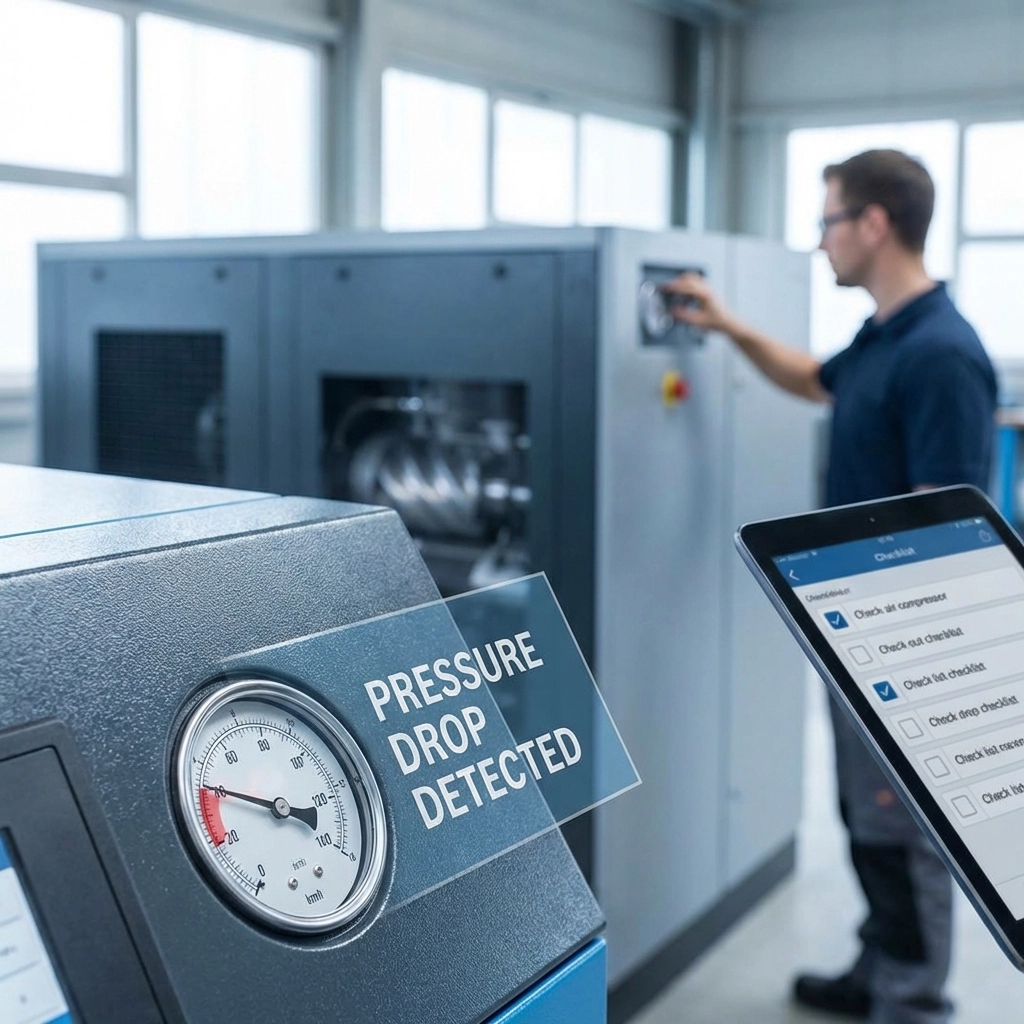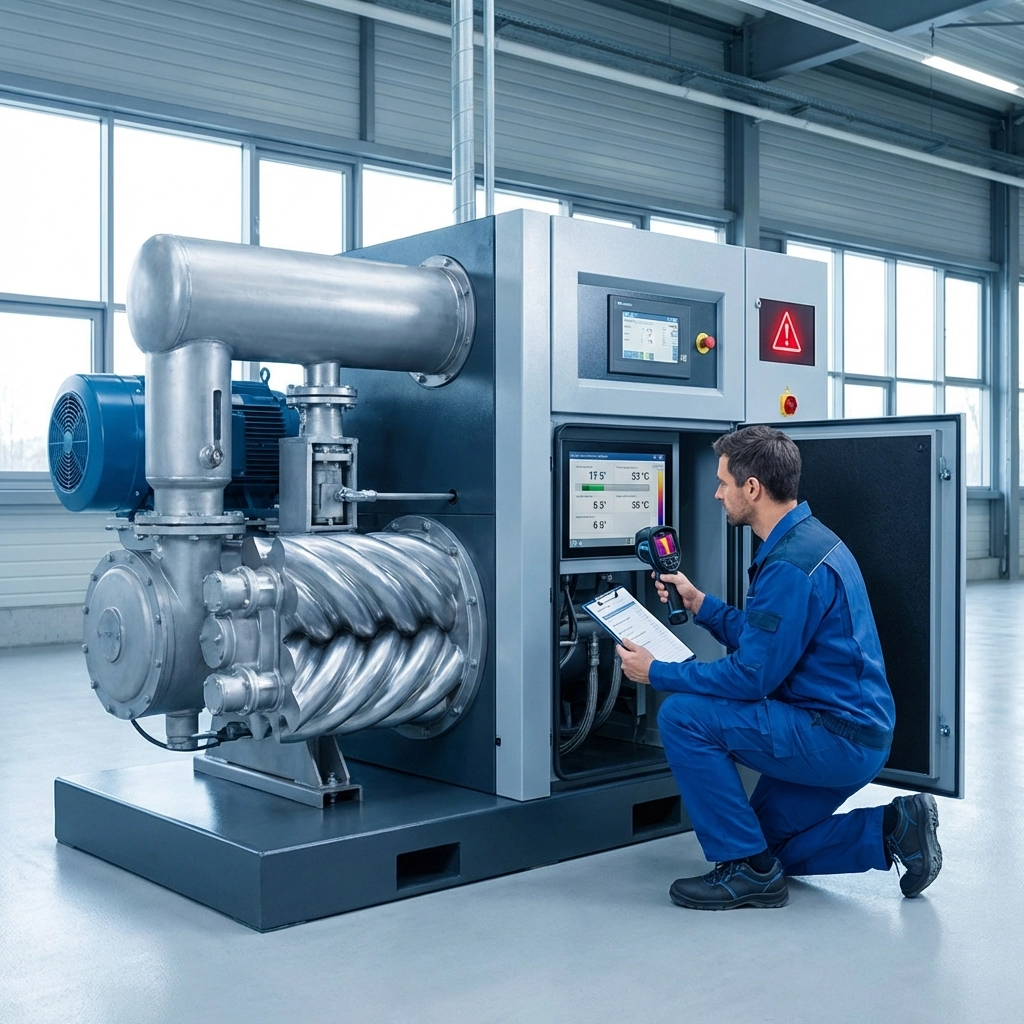
After two decades in industrial air compression engineering, I've learned that the most effective energy-efficient air compressor strategies aren't really "secrets" : they're proven techniques that many manufacturers overlook or implement incorrectly. At AirSpace Machinery Co., Ltd., our CE and ISO 9001 certified facility has helped hundreds of companies reduce their compressed air costs by 30-60% using these well-documented but underutilized approaches.
The compressed air industry operates on straightforward physics and engineering principles. What separates high-performing facilities from energy-wasting operations comes down to understanding and properly implementing seven critical optimization areas that most companies get wrong.
The 80/20 Rule of Air Leak Detection
Air leaks account for 20-40% of total compressed air waste in typical industrial facilities, according to ISO 8573-1 air quality standards. Yet most companies only perform sporadic leak detection during scheduled maintenance.
The most overlooked aspect isn't finding leaks : it's understanding their cumulative impact. A 6mm leak at 7 bar pressure wastes approximately 38 m³/min of compressed air, costing $3,000-5,000 annually in energy consumption. Five small 1mm leaks create the same waste as one larger leak but are significantly harder to detect without systematic monitoring.
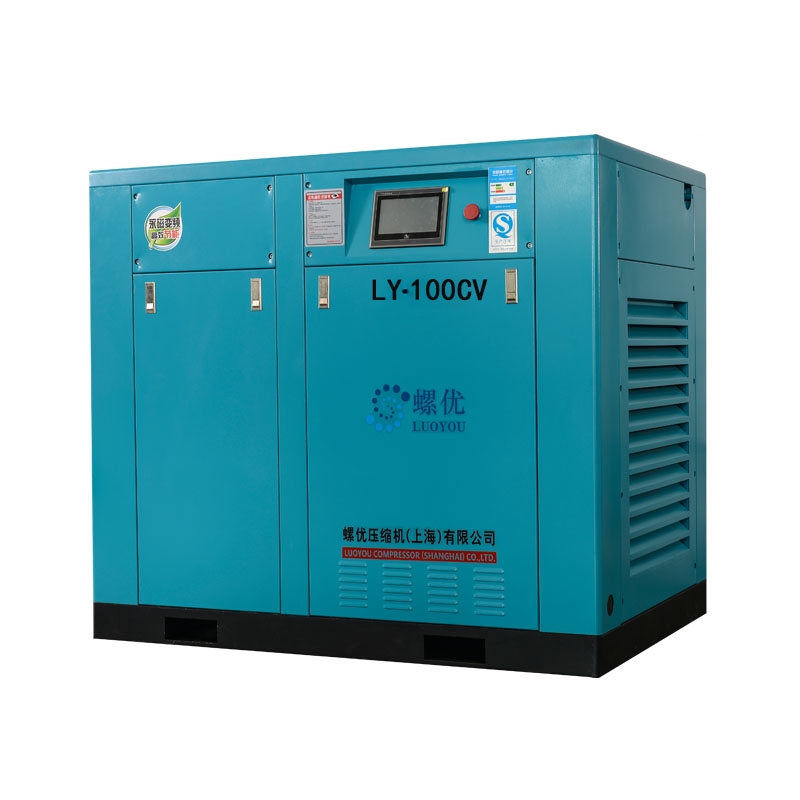
Implement ultrasonic leak detection quarterly rather than annually. Modern Permanent Magnet Variable Frequency (PMV) screw air compressors include integrated monitoring systems that track overall system demand patterns. When baseline consumption increases without corresponding production increases, systematic leak detection becomes your highest-ROI maintenance activity.
Pressure Optimization: The Hidden Energy Multiplier
Every 1 bar reduction in system pressure reduces energy consumption by 7-10% for screw air compressors. Most facilities operate at 7-8 bar when their actual applications require 5-6 bar maximum pressure.
The misconception stems from sizing compressed air systems for worst-case scenarios rather than typical operating conditions. Installing dedicated higher-pressure lines for specific applications while reducing main system pressure delivers substantial energy savings without compromising performance.
Review actual pressure requirements at point-of-use rather than relying on equipment specifications. Many pneumatic tools and processes operate effectively at lower pressures than manufacturer maximums suggest.
Variable Speed Drive Sizing: Beyond Basic VFD Installation
Installing Variable Frequency Drives (VFD) or Permanent Magnet Variable Frequency systems doesn't automatically guarantee energy savings. Proper sizing based on actual demand patterns determines whether VFD technology delivers 15% or 50% energy reductions.
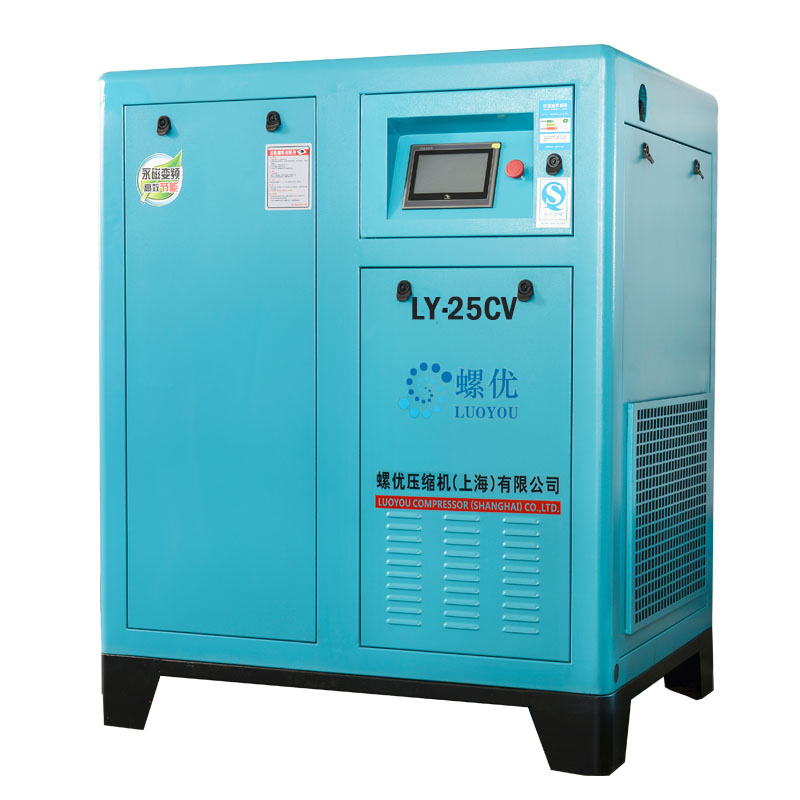
Most facilities size VFD compressors to meet peak demand, forcing them to operate at minimum speeds during normal production. Size VFD units for 70-80% of average demand and use fixed-speed backup compressors for peak requirements. This approach maximizes VFD efficiency while providing reliable backup capacity.
Modern PMV screw air compressors achieve optimal efficiency between 40-100% motor load. Operating below 40% load reduces efficiency and increases maintenance requirements due to insufficient lubrication circulation.
Heat Recovery: The Overlooked Revenue Stream
Screw air compressors convert 90% of input electrical energy into heat, with only 10% used for actual air compression work. Most facilities exhaust this thermal energy as waste when it could offset heating costs or provide process heat for industrial applications.
Oil-cooled screw compressors generate recoverable heat at 70-90°C, suitable for space heating, preheating incoming air, or low-temperature industrial processes. Water-cooled systems enable heat recovery integration with existing facility HVAC systems.
A 75kW screw air compressor operating 8,000 hours annually generates approximately 540,000 kWh of recoverable thermal energy. At $0.10/kWh energy costs, heat recovery systems typically achieve 2-4 year payback periods while reducing overall facility energy consumption.
Dew Point Control: Quality Versus Energy Balance
Compressed air treatment consumes 15-25% of total compressed air system energy through refrigerated dryers, desiccant systems, and filtration equipment. Over-drying compressed air wastes substantial energy without providing corresponding quality benefits.
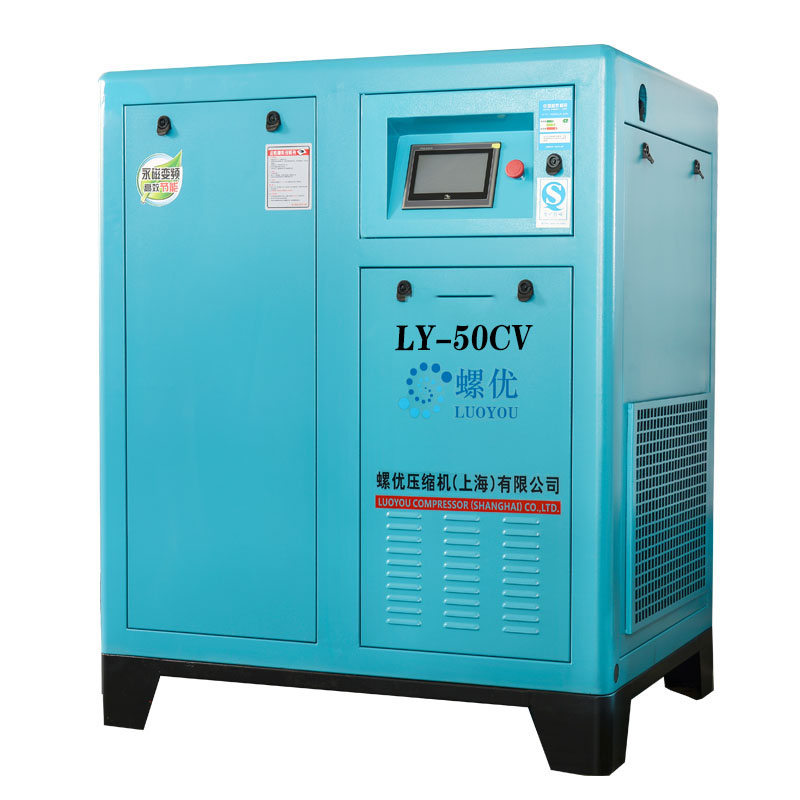
ISO 8573-1 Class 4 air quality (3°C pressure dew point) meets requirements for most manufacturing applications. Achieving Class 2 (-40°C pressure dew point) requires substantially more energy through desiccant drying but provides no performance improvement for typical pneumatic tools and equipment.
Implement point-of-use drying for critical applications requiring ultra-dry air rather than treating entire compressed air systems to the highest quality standard. This approach reduces treatment energy consumption by 30-50% while maintaining required air quality where needed.
Piping Design: The Foundation of Efficient Distribution
Undersized compressed air piping creates artificial demand that forces compressors to work harder and consume more energy. Pressure drop calculations using standard fluid dynamics principles determine optimal pipe sizing, but most facilities rely on rules of thumb that undersize distribution systems.
Maintain pressure drop below 0.3 bar from compressor discharge to point-of-use applications. Ring-main distribution systems with multiple feed points reduce pressure drop compared to single-feed linear layouts, especially in facilities with distributed air consumption.
Aluminum piping systems provide superior performance compared to steel piping due to smooth internal surfaces, reduced corrosion, and modular installation flexibility. Pressure drop through aluminum piping averages 30-40% lower than equivalent steel systems due to improved surface characteristics.
Multiple Compressor Sequencing: Load Management Strategy
Operating multiple smaller screw air compressors provides better energy efficiency than single large units for facilities with variable air demand. Proper sequencing controls enable optimal load sharing while maintaining system pressure stability.
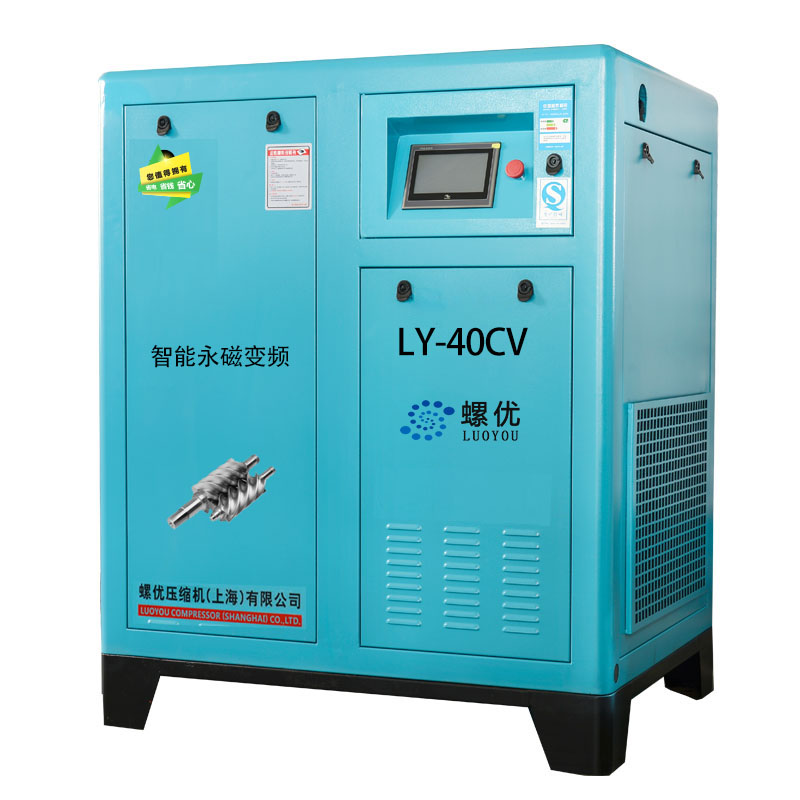
Lead-lag control systems automatically adjust compressor operation based on real-time demand. The lead compressor operates with VFD control to handle demand variations while lag compressors provide base load capacity during peak requirements.
Size multiple compressor installations so that no single unit exceeds 50% of total system capacity. This approach provides redundancy during maintenance shutdowns while enabling partial load operation during reduced production periods.
Real-Time Monitoring and Analytics
Modern screw air compressor systems generate continuous operational data including power consumption, pressure levels, flow rates, and equipment status. Converting this data into actionable insights requires systematic monitoring and analysis rather than periodic manual checks.
Implement automated monitoring systems that track specific energy consumption (kW per m³/min) and alert operators to efficiency degradation before major problems develop. Baseline performance metrics enable predictive maintenance scheduling and optimization opportunity identification.
Cloud-based monitoring platforms provide remote access to compressor performance data, enabling centralized management of multiple facility operations and benchmark comparisons across different locations.
About the Author:
Penny Winston is a senior technical writer specializing in industrial air compression systems. With extensive experience in energy-efficient air compressor technologies and applications, she helps manufacturers optimize their compressed air operations for maximum efficiency and cost savings.
Reviewed by Engineering Team
This article has been technically reviewed and approved by AirSpace Machinery Co., Ltd.'s engineering department to ensure accuracy and compliance with industry standards.
Sources and Standards:
- ISO 1217: Displacement compressors – Acceptance tests
- ISO 8573-1: Compressed air quality classification standards
- Energy efficiency calculations based on standard compressor performance curves and industry benchmarks
Ready to optimize your compressed air system with proven energy-efficient air compressor solutions? Our engineering team provides comprehensive facility assessments and customized recommendations based on your specific operational requirements.
Get a Proposal for your energy-efficient air compressor system today.