COMPREHENSIVE GUIDE TO INDUSTRIAL AIR COMPRESSOR EFFICIENCY
Industrial air compressors are critical assets in modern manufacturing and production facilities. Today, we explore the essential topic of industrial air compressor efficiency, a key factor in optimizing your compressed air system performance and reducing operational costs.
Understanding System Efficiency
industrial air compressor efficiency refers to how effectively your air compressor converts electrical input into compressed air output while minimizing energy waste. Modern industrial facilities recognize that compressor efficiency directly impacts production costs, environmental impact, and equipment longevity.
Key Performance Metrics
When evaluating system performance, several metrics matter: specific energy consumption (SEC), volumetric efficiency, isentropic efficiency, and overall system reliability. These measurements help facility managers identify optimization opportunities.
Practical Applications
Many industries benefit from improved industrial air compressor efficiency. Manufacturing plants, pharmaceutical facilities, food processing operations, and automotive facilities all depend on reliable compressed air systems. Efficiency improvements in these environments translate directly to bottom-line cost savings.
Optimization Strategies
Implementing several proven strategies can enhance performance:
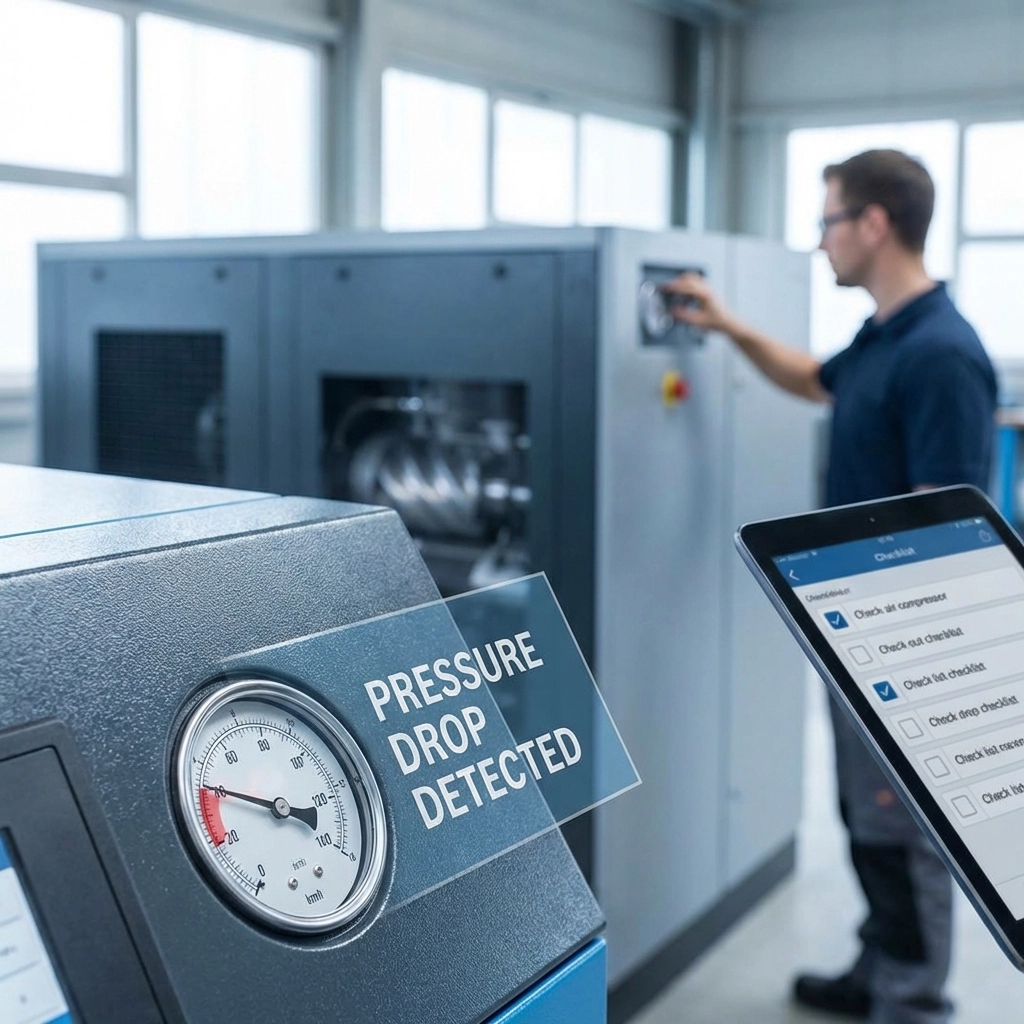
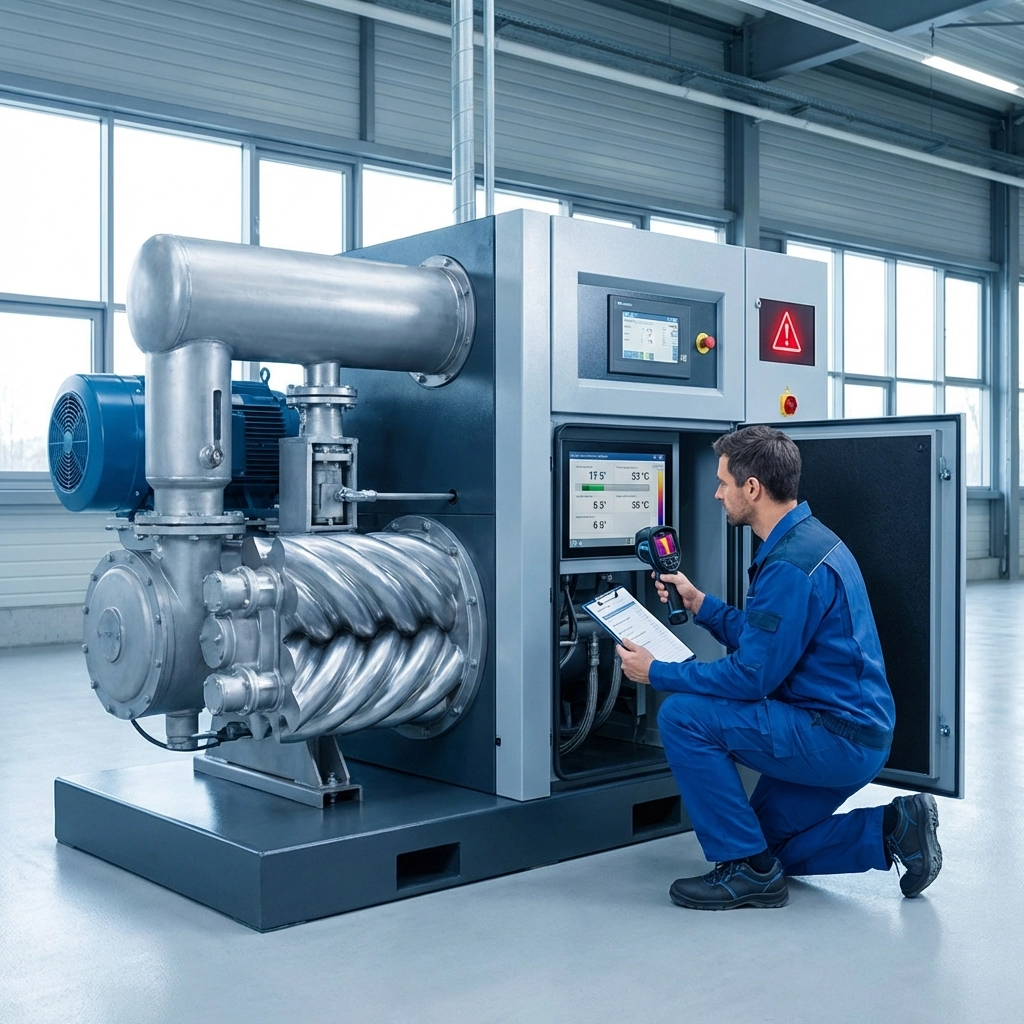
1. Regular Maintenance: Scheduled preventive maintenance ensures peak performance and extends equipment life.
2. Air Quality Management: Proper filtration and drying prevent system degradation and equipment damage.
3. Leak Detection: Compressed air leaks waste energy and reduce overall system efficiency. Regular audits identify and eliminate leaks.
4. Demand-Side Management: Optimizing compressed air usage reduces unnecessary system strain.
5. Equipment Selection: Modern Variable Frequency Drive (VFD) compressors provide superior efficiency compared to traditional fixed-speed models.
Technology Advances
Recent innovations have transformed the compressed air industry. Smart monitoring systems provide real-time performance data. IoT-enabled equipment allows predictive maintenance. Energy-efficient compressor designs reduce power consumption significantly.
Cost Impact Analysis
For industrial facilities, compressed air represents a significant operational expense. Improving industrial air compressor efficiency by even 10 percent can result in substantial annual savings. ROI on efficiency improvements typically materializes within 2-3 years.
Pro Tip: Implement a comprehensive energy audit of your compressed air system. Work with qualified professionals to identify all efficiency opportunities, then prioritize improvements based on ROI potential.
Conclusion
industrial air compressor efficiency remains a critical consideration for competitive manufacturing. By understanding the factors that influence system performance and implementing targeted improvements, facilities can achieve measurable operational benefits.
💡 Pro Tip: Focus on industrial air compressor efficiency for optimal system performance
Today’s Focus Keyword: industrial air compressor efficiency
This content was generated as part of our weekly industrial air compressor insights series, focusing on helping manufacturers optimize their compressed air systems for maximum efficiency and cost savings.
Related Topics
- System design and installation best practices
- Industrial applications and use cases
- System efficiency and reliability
- Maintenance and monitoring strategies
- Cost optimization for industrial operations