Smart air compressors with IoT integration deliver measurable ROI within 12-18 months for most manufacturing operations. The technology transforms traditional compressed air systems from reactive maintenance models to predictive, data-driven operations that reduce energy consumption by 20-35% while minimizing unplanned downtime.
What IoT Integration Actually Means in Manufacturing
IoT-enabled air compressors connect to cloud-based monitoring systems through ethernet or wireless networks, transmitting real-time operational data including pressure levels, temperature readings, energy consumption, and equipment status. This connectivity enables remote monitoring, predictive maintenance scheduling, and automated system optimization without on-site intervention.
Modern smart compressors feature embedded sensors that track over 40 operational parameters simultaneously. The data streams to centralized dashboards accessible via web browsers or mobile applications, allowing facility managers to monitor multiple units across different locations from a single interface.
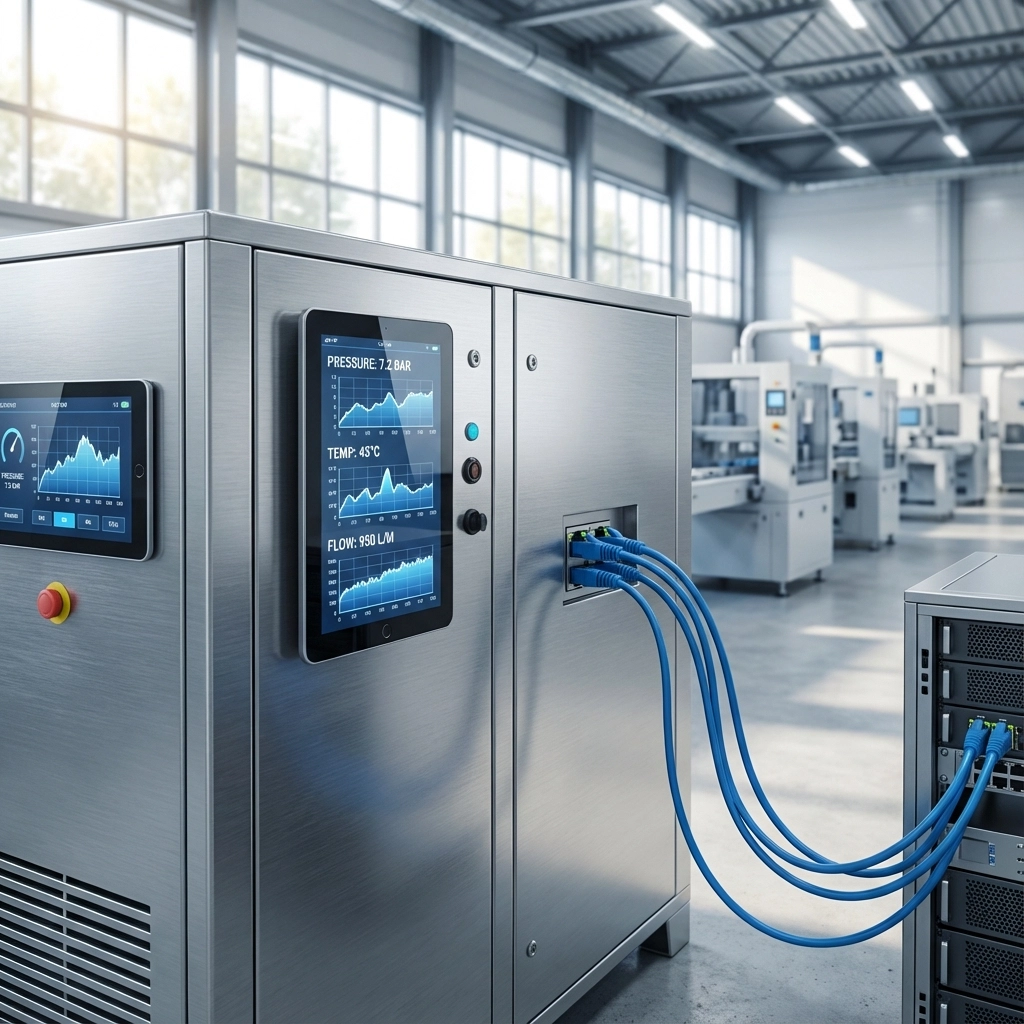
Advanced Variable Frequency Drive (VFD) Integration represents the core of smart compressor technology. These systems automatically adjust motor speed based on actual air demand, eliminating the energy waste associated with traditional fixed-speed units that operate at full capacity regardless of demand fluctuations.
Quantified Energy and Cost Benefits
Energy consumption reductions of 30-60% are documented across diverse manufacturing applications. Fixed-speed compressors typically consume 50-70 amps during operation, while smart VFD units consume 15 amps or less under similar load conditions. This translates to monthly savings of $200-$300 per compressor unit in typical industrial applications.
The energy efficiency gains compound through intelligent load management. Smart systems can coordinate multiple compressor units, staging them on and off based on real-time demand patterns. This prevents oversupply scenarios where multiple units operate simultaneously during low-demand periods.
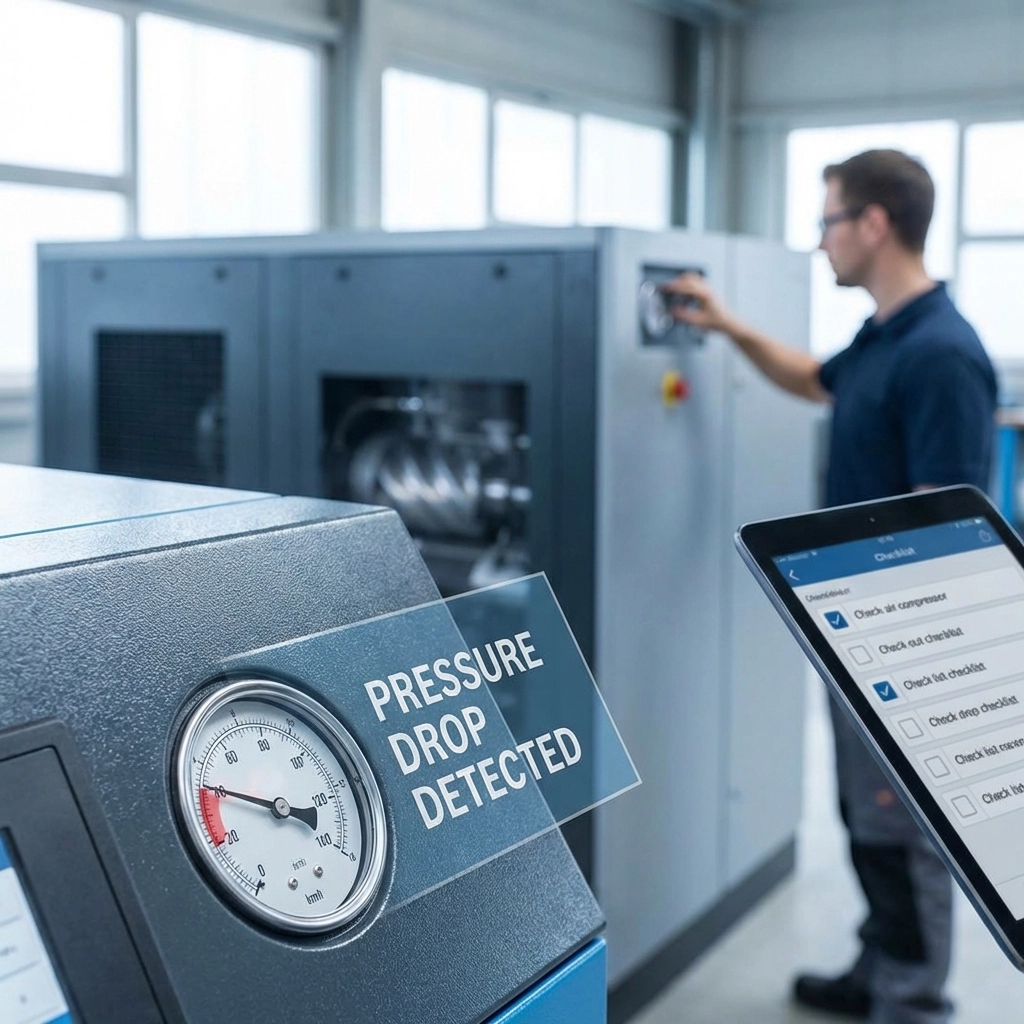
Predictive maintenance capabilities reduce unplanned downtime by 40-50%. Traditional compressor failures often result in production stops lasting 4-8 hours while technicians diagnose issues and source replacement parts. IoT systems identify potential failures 2-4 weeks in advance, enabling scheduled maintenance during planned downtime windows.

Real-World Implementation: Manufacturing Case Studies
Automotive component manufacturer reduces compressed air costs by 42% annually. The facility operates 12 smart compressors with integrated IoT monitoring across three production lines. Real-time leak detection identified 23 air leaks averaging 15 CFM each, representing $18,000 in annual energy waste. The smart system’s automated alerts enabled immediate repairs, preventing continued losses.
Food processing facility achieves 99.2% uptime through predictive maintenance. IoT sensors detected bearing vibration anomalies in two compressor units six weeks before projected failure. Scheduled maintenance during weekend shutdowns prevented production interruptions that would have cost $45,000 per day in lost output.
Technical Specifications: Permanent Magnet Variable Frequency Technology
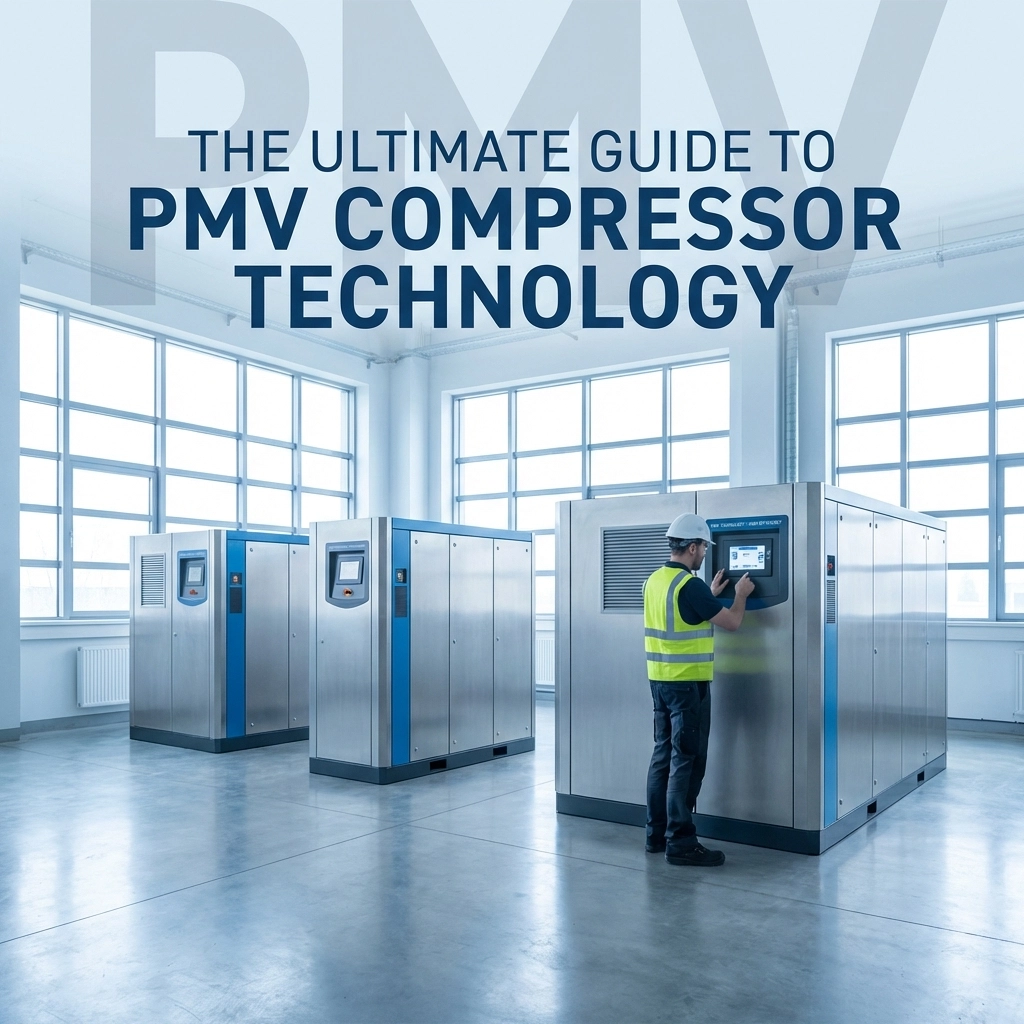
Permanent Magnet Variable Frequency (PMV) Screw Air Compressors incorporate rare earth permanent magnet motors with integrated VFD controls. These units maintain 95% efficiency across 25-100% load ranges, compared to 85% efficiency for standard induction motors.
The permanent magnet design eliminates rotor losses present in conventional induction motors, reducing heat generation and extending component life. Magnetic bearings in advanced models eliminate mechanical wear points, extending service intervals from 2,000 to 8,000 hours.
Integrated cooling systems with variable-speed fans adjust cooling capacity based on ambient temperature and load conditions. This prevents overcooling during light load periods, reducing parasitic energy consumption by 8-12%.
ROI Analysis: Investment Recovery Timeframes
Typical payback periods range from 14-22 months for smart compressor upgrades. The calculation includes initial equipment costs, installation expenses, and ongoing monitoring service fees against documented energy savings and reduced maintenance costs.
For facilities consuming 500+ CFM of compressed air, annual savings often exceed $8,000-$12,000 per compressor unit. These savings derive from multiple sources:
- Energy cost reduction: 25-35% lower electricity consumption
- Maintenance cost reduction: 30-40% fewer service calls and parts replacement
- Production efficiency gains: 15-25% reduction in air-related production delays
- Extended equipment life: 40-60% longer service intervals between major overhauls
Compliance and certification benefits add measurable value for regulated industries. Smart systems automatically generate energy consumption reports required for ISO 50001 energy management certification, eliminating manual data collection costs averaging $2,000-$4,000 annually.
Industry-Specific Applications and Configurations
Pharmaceutical and medical device manufacturing requires oil-free compressed air with documented purity levels. Smart oil-free compressors provide continuous air quality monitoring with automated alerts for any contamination events. The systems maintain detailed logs required for FDA validation and compliance auditing.
Automotive manufacturing facilities benefit from coordinated compressor staging across multiple production lines. Smart systems automatically adjust capacity based on production schedules, reducing energy consumption during shift changes and planned maintenance windows.

Food and beverage processing operations utilize smart compressors with integrated moisture monitoring and removal systems. Automated dewpoint tracking prevents condensation in pneumatic systems that could contaminate products or damage equipment.
Advanced Monitoring and Analytics Capabilities
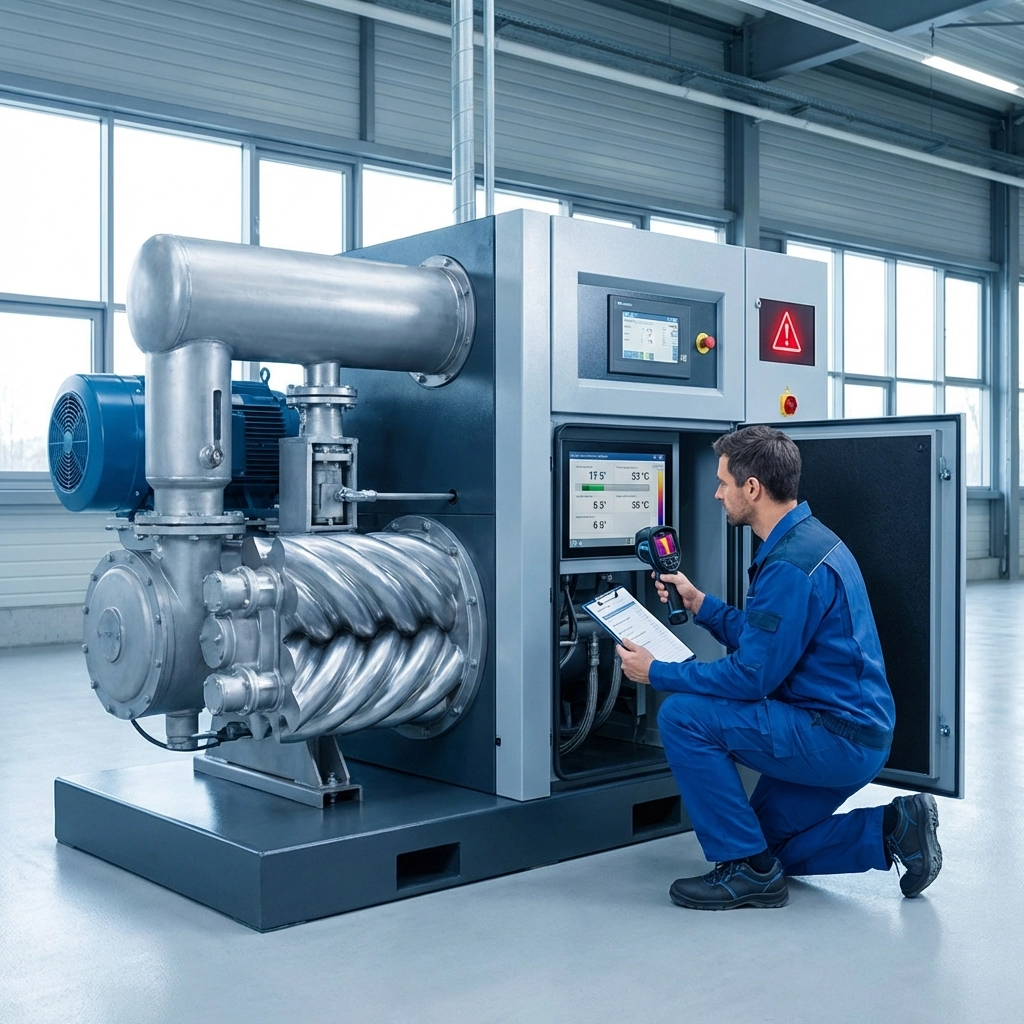
Predictive analytics algorithms analyze historical performance data to identify patterns indicating impending failures. Machine learning models continuously improve prediction accuracy by correlating sensor readings with actual maintenance events.
The systems track efficiency trends over time, identifying gradual performance degradation that might indicate air leaks, filter restrictions, or component wear. Automatic baseline adjustments account for seasonal variations and production schedule changes.
Remote diagnostic capabilities enable service technicians to troubleshoot issues without site visits. Real-time access to all operational parameters allows immediate problem identification and often enables remote resolution through parameter adjustments or system resets.
Integration with Existing Manufacturing Systems
SCADA and MES integration enables compressed air monitoring within existing plant automation systems. Standard communication protocols including Modbus TCP, Ethernet/IP, and Profinet ensure compatibility with diverse control platforms.
Smart compressors can receive production schedule data from manufacturing execution systems, automatically adjusting capacity in advance of demand changes. This proactive approach eliminates pressure fluctuations during production ramp-up periods.

Energy management system integration provides facility-wide energy monitoring and optimization. Smart compressors contribute detailed consumption data to overall energy efficiency initiatives, supporting corporate sustainability goals and utility rebate programs.
The technology represents a fundamental shift from reactive to proactive compressed air management, delivering quantifiable benefits that justify investment costs across diverse manufacturing applications. For facilities with significant compressed air requirements, smart compressor technology has transitioned from luxury upgrade to operational necessity.