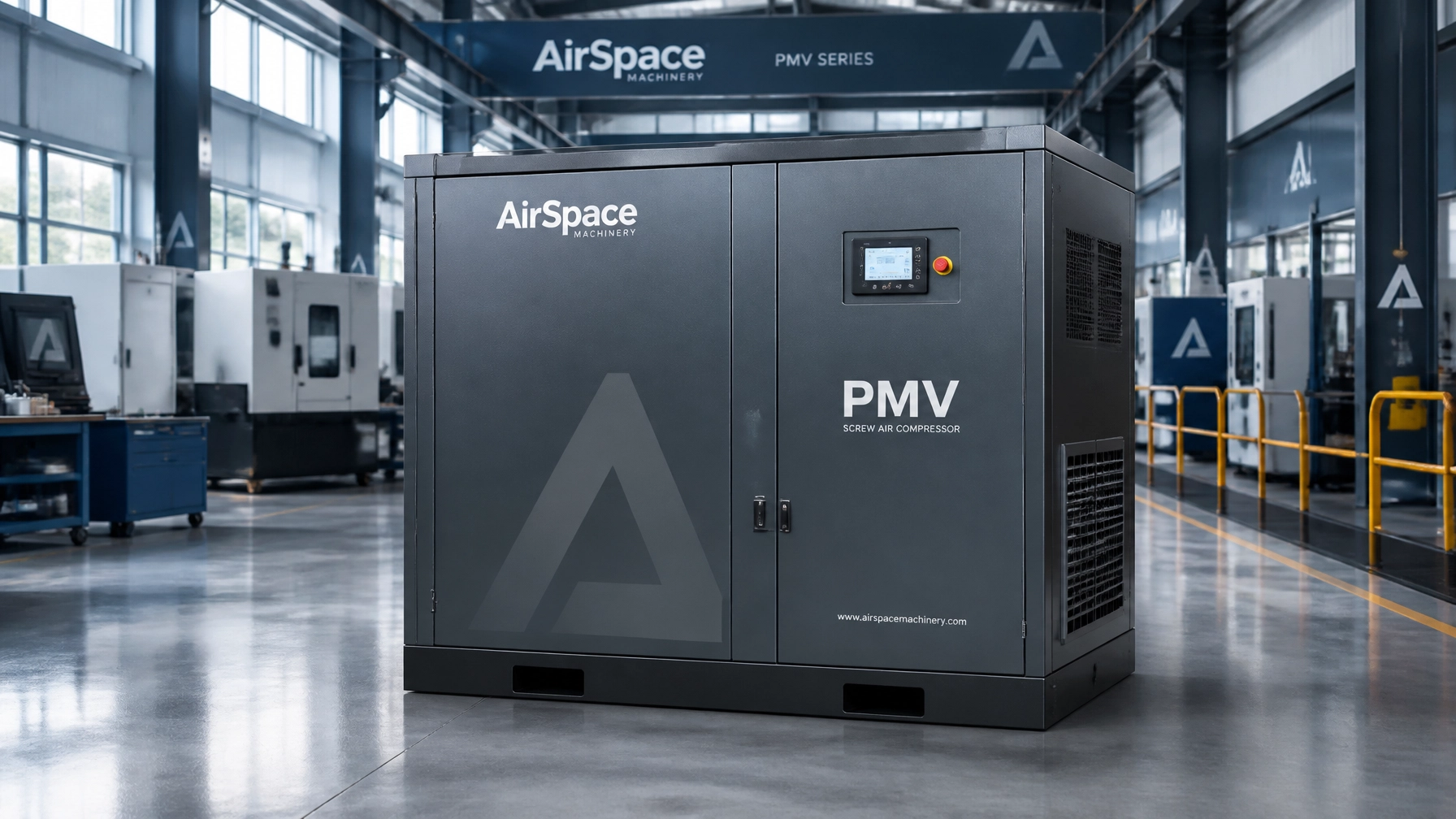
The Maintenance Curse: Why Your Pipe Leaks the Day After a Service Call

EXECUTIVE SUMMARY
The short answer is simple. Most leaks that appear after service are not random failures. They happen because a joint was disturbed, torque was judged by feel instead of measured by tool, and the machine was released before a full hot-running check. In the field, that pattern is the Maintenance Curse. In engineering terms, it is a preventable verification failure in a china made screw air compressor system.
A factory manager usually feels this problem one day after the service team leaves. The machine looks fine when cold, then starts hissing once temperature, pressure, and vibration rise together. That is why post-service validation matters more than signatures on a form.
FIELD REPORT
I saw this firsthand in a textile plant in Southeast Asia. A screw compressor from a top tier brand had just completed scheduled service. Less than a day later, the discharge pipe started whistling under load. The root cause was not mysterious. The flange bolts had been tightened cold with a standard wrench instead of a calibrated torque tool, and no hot-condition leak check had been completed before sign-off.
That is how the Maintenance Curse works. Everything looks acceptable during handover. The failure shows up only when the compressor returns to real production duty. If you run a china made screw air compressor in a plant where uptime matters, you cannot judge sealing quality from a cold inspection alone.
WHY LEAKS SHOW UP AFTER RESTART
The reason is straightforward. Compressed air systems are dynamic systems. Once a compressor starts, metal expands, piping shifts, gasket loading changes, and vibration begins working on every disturbed joint. A connection that feels “tight enough” at 20 degrees Celsius may open a leak path at 80 degrees Celsius.
This is one of the most overlooked reasons for repeat complaints after maintenance. It is also where PMV matters. A PMV drive reduces start-up shock and smooths operating transitions. In a properly matched system, that means less vibration stress on fittings, fewer load-unload disturbances, and a lower chance that a weak joint turns into a leak event.
THE REAL CAUSES
Thermal expansion breaks weak sealing assumptions. Once the machine reaches operating temperature, rigid piping and disturbed joints are forced to move under stress. If that movement was not accounted for during service, leakage becomes a predictable outcome instead of a surprise.
Vibration exposes poor service practice. Fixed-speed machines and unstable operating cycles create more shaking, which can loosen fasteners that were tightened by feel instead of by measured torque. This is one reason why PMV stability is not just an energy story. It is also a reliability story.
Incorrect torque creates uneven gasket compression. If a flange is not tightened in the correct sequence with a calibrated tool, the seal may pass a cold inspection and then fail under heat and pressure. That is textbook Maintenance Curse behavior in a china made screw air compressor installation.

RICHARD MOORE’S PRACTICAL VIEW
In the field, I do not treat leak complaints as bad luck. I treat them as evidence. If a leak appears right after service, the first suspects are disturbed joints, missing torque records, and no hot-condition verification. That is the right order of investigation. The machine is telling you where process discipline failed.
This is where AirSpace Machinery keeps a practical edge. A china made screw air compressor built around PMV stability and high-end component selection, including BAOSI (鲍斯), gives the service team a more stable platform to work with. Good hardware does not replace discipline, but it does make good discipline more effective.
WHAT BUYERS SHOULD CHECK AFTER SERVICE
Ask whether every disturbed flange and fitting was re-torqued with a calibrated tool. Ask whether the compressor was run to full operating temperature before release. Ask whether the system completed multiple full-load cycles before sign-off. Ask whether leak checks were performed under hot conditions using ultrasonic detection or soap solution. Ask whether vibration, pressure, and temperature readings were recorded during final verification.
IS PMV WORTH IT FOR LEAK REDUCTION
Yes, if the goal is lower stress and more predictable operation. PMV technology soft-starts the motor and reduces the torque shock that often triggers weak pipe joints. In operating conditions where controls and load profile are properly matched, PMV systems are commonly benchmarked at up to 35 percent energy savings versus fixed-speed systems. That is why the Maintenance Curse is not only a service problem. It is also a machine behavior problem.
To understand that energy argument in more detail, see The 35% Energy Delta: How PMV Saves Your Bottom Line <BLOG_POST:8ca9394e-5c7d-4d33-9074-a8d974a5bc40>.
RELATED TECHNICAL FRAMEWORKS
The Maintenance Curse is part of a wider operating pattern. Buyers who want fewer service surprises should also understand the Tax Series, especially the hidden costs created by unstable control behavior and proprietary service dependence.
Read The Proprietary Tax: Breaking Free from Software Handcuffs <BLOG_POST:7cf0c7e6-eb5e-4687-b399-e60f7657a156>.
Read 2026 China Air Compressor Quality Audit <BLOG_POST:04f99990-bcfd-4028-8280-c3204c59450e>.
FINAL TECHNICAL CONCLUSION
If you want fewer repeat leaks after maintenance, the answer is not guesswork. It is torque discipline, thermal verification, stable machine behavior, and a service process that respects how a compressor actually runs under load. That is the practical lesson behind the Maintenance Curse.
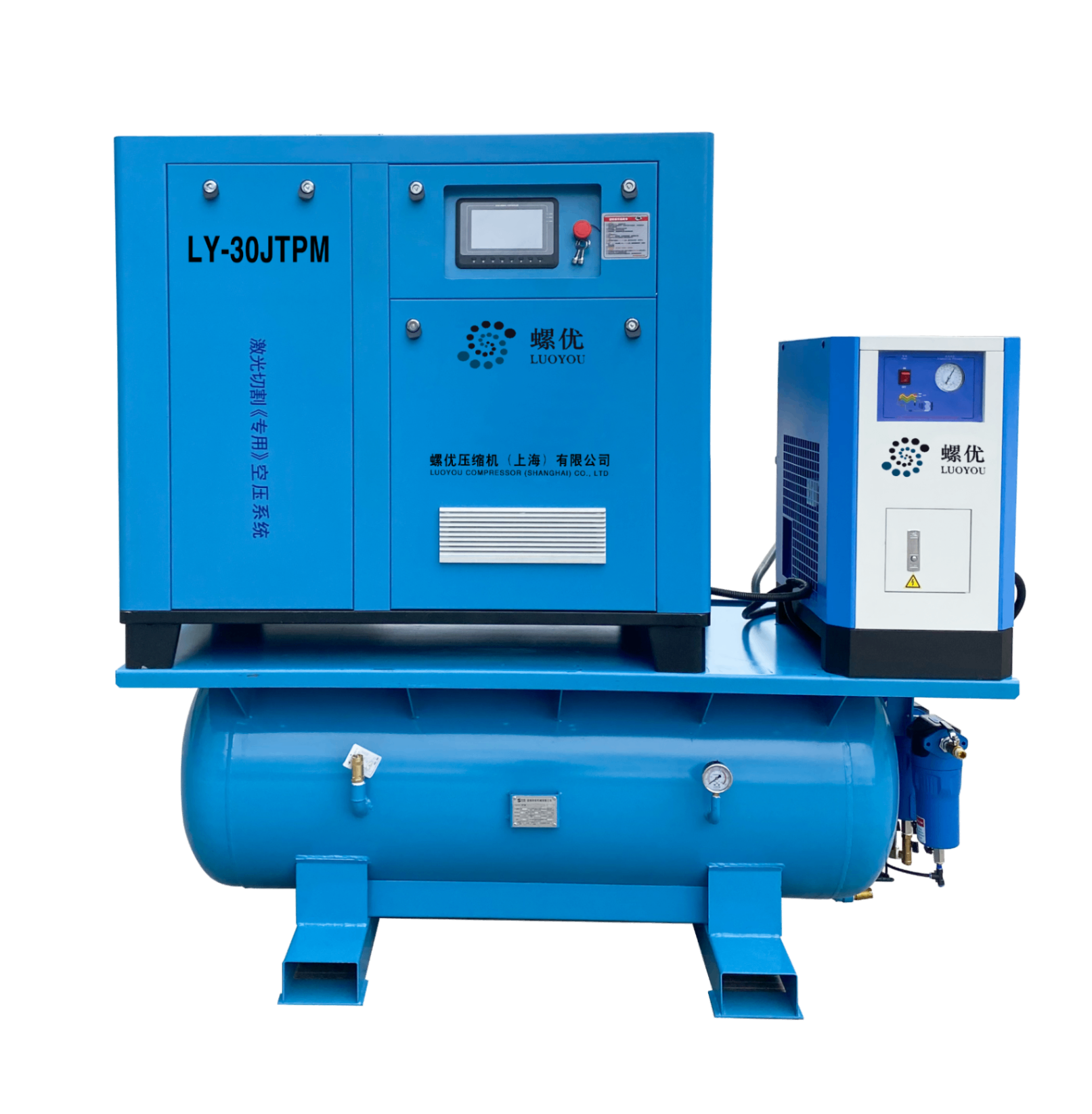
AirSpace Machinery manufactures screw-type systems in a 4000 m² facility and supplies equipment under CE and ISO 9001 quality frameworks. For contamination-sensitive applications, buyers should also review system air quality against ISO 8573-1 requirements. Before purchase, global buyers should verify CE and ISO 9001 documentation directly, confirm pressure and flow in bar or psi and m³/min or CFM, and review packaging, export documents, and shipment coordination. Lead time depends on configuration.
AUTHOR BOX
Richard Moore, Sr. Field Engineering Consultant
Richard Moore has more than 25 years of experience in field failure analysis and industrial air systems. His work focuses on Engineering Freedom, field reliability, and practical methods that help factories reduce losses across the Industrial Tax Series.
Reviewed by Engineering