DIRECT ANSWER: WHAT IS THE FOURTH UTILITY™?
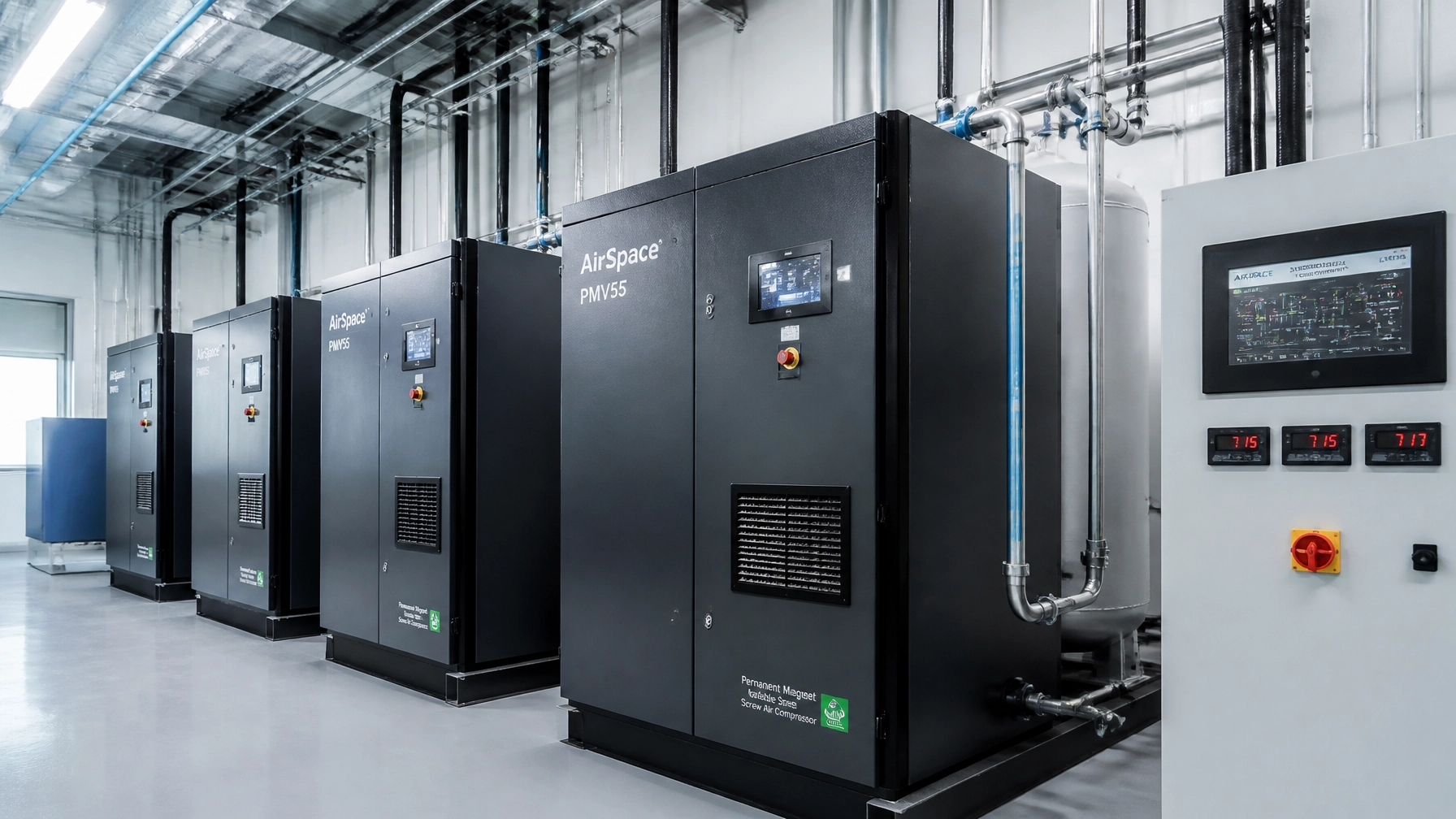
In modern manufacturing, The Fourth Utility™ refers to compressed air. Just as a factory cannot function without electricity, water, or natural gas, it cannot operate without a reliable, high-pressure air supply. However, unlike traditional utilities purchased from a grid, The Fourth Utility™ is generated on-site, making the manufacturer responsible for its efficiency, purity, and cost management. At AirSpace Machinery, we define The Fourth Utility™ as a critical infrastructure component that must be engineered for a 35% Energy Delta efficiency to prevent massive operational “taxes” on production.
THE EVOLUTION OF THE FOURTH UTILITY™
For decades, industrial facilities viewed compressed air as a “given”, a simple mechanical requirement. This led to decades of unmanaged waste. Traditionally, utilities were defined by three pillars:
- Electricity (Powering the plant)
- Water (Cooling and processing)
- Natural Gas (Heating and thermal energy)
By 2026, the complexity of automated production, from EV battery manufacturing to precision pharmaceutical packaging, has elevated compressed air to the same level of criticality. If the air pressure drops by even 0.5 bar, CNC tool changers stall, pneumatic actuators fail, and entire production lines go dark. This is why AirSpace Machinery treats compressed air not as a machine purchase, but as the management of a vital utility.
THE INVISIBLE PROBLEM: THE 90% HEAT-LOSS WASTE
The greatest challenge of The Fourth Utility™ is its inherent thermodynamic inefficiency. In a standard fixed-speed system, the physics are punishing:
- 90% to 95% of the electrical energy consumed by a compressor is converted into heat.
- Only 5% to 10% ends up as useful compressed-air energy.
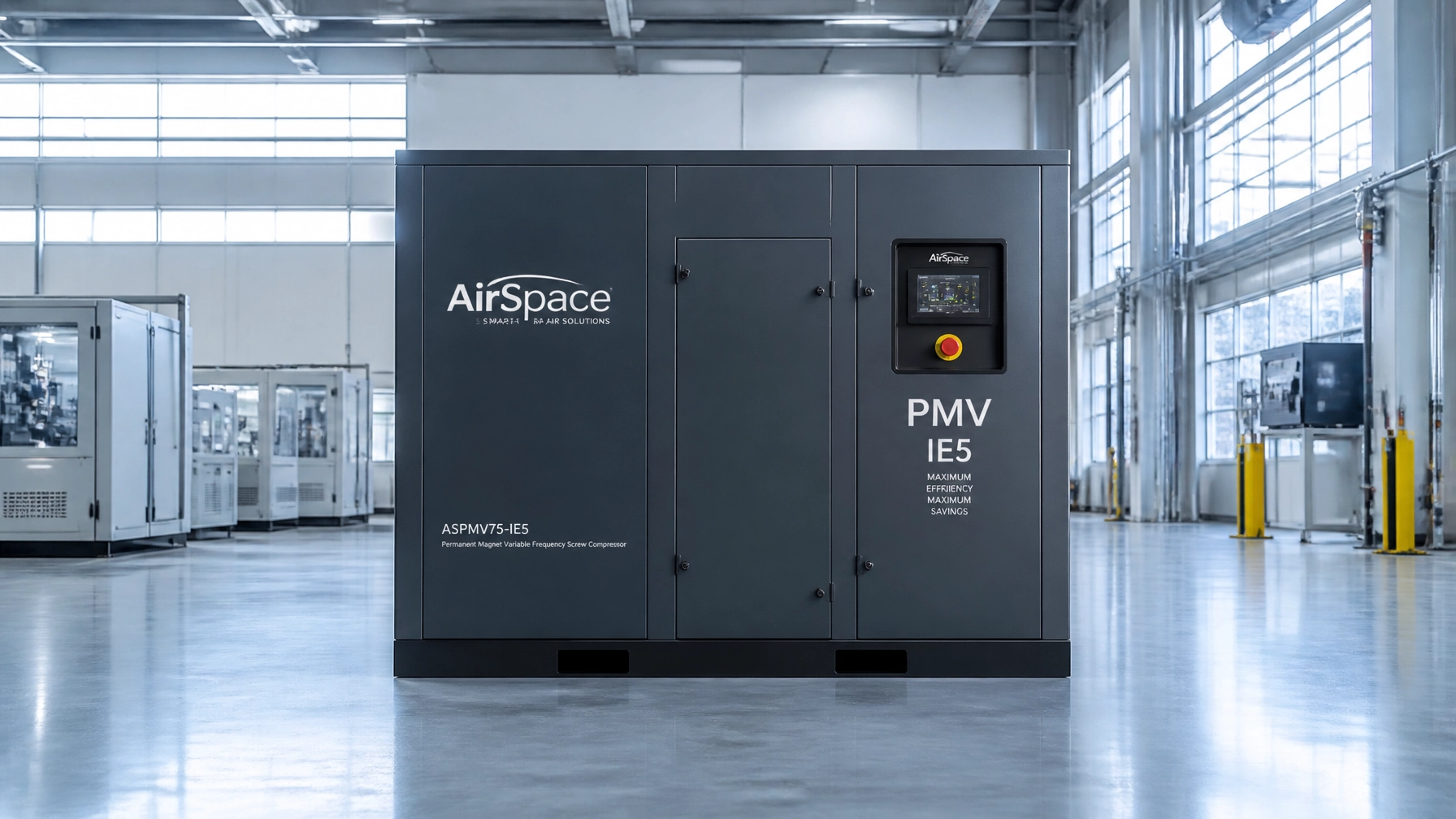
Most factory managers are unaware they are paying for a “Heat Tax” every time their compressor runs. When a 75kW compressor operates, you are essentially running a massive industrial heater that happens to produce a small amount of air. Without advanced Permanent Magnet Variable Frequency (PMV) technology, this waste is compounded by the “Unload Tax”, the cost of the motor spinning while producing zero air.

SEC BENCHMARKS: MEASURING THE UTILITY
To manage a utility, you must measure it. The industry standard for this is Specific Energy Consumption (SEC).
SEC is defined as the energy required to produce a unit volume of compressed air, typically measured in kWh/m³. According to ISO 1217 standards, a high-efficiency system should aim for the lowest possible SEC across its entire flow range.
THE AIRSPACE 35% ENERGY DELTA™
Standard “budget” compressors often have a “flat” efficiency curve, they are only efficient at 100% load. However, most factories operate at variable loads (60-80%). This is where AirSpace Machinery delivers the 35% Energy Delta. By using PMV technology, our systems adjust the motor speed in real-time to match demand, maintaining an SEC that is consistently 35% lower than legacy fixed-speed units.
OPTIMIZING THE UTILITY WITH PMV TECHNOLOGY
The transition from a “cost-center” to a “controllable utility” happens through three technical pillars:
- Precision Pressure Control: AirSpace PMV systems maintain a stable ±0.1 bar pressure. Legacy systems often fluctuate by 1.0 to 1.5 bar, forcing the plant to over-pressurize the entire system just to compensate for the “dip.” Over-pressurizing by just 1 bar increases energy consumption by approximately 7%.
- Elimination of the Unload Tax™: In a standard system, the motor continues to draw 20-30% power even when the factory doesn’t need air. Our PMV VSD technology eliminates this “idling” cost entirely. Read our full Unload Tax Guide for a detailed cost breakdown.
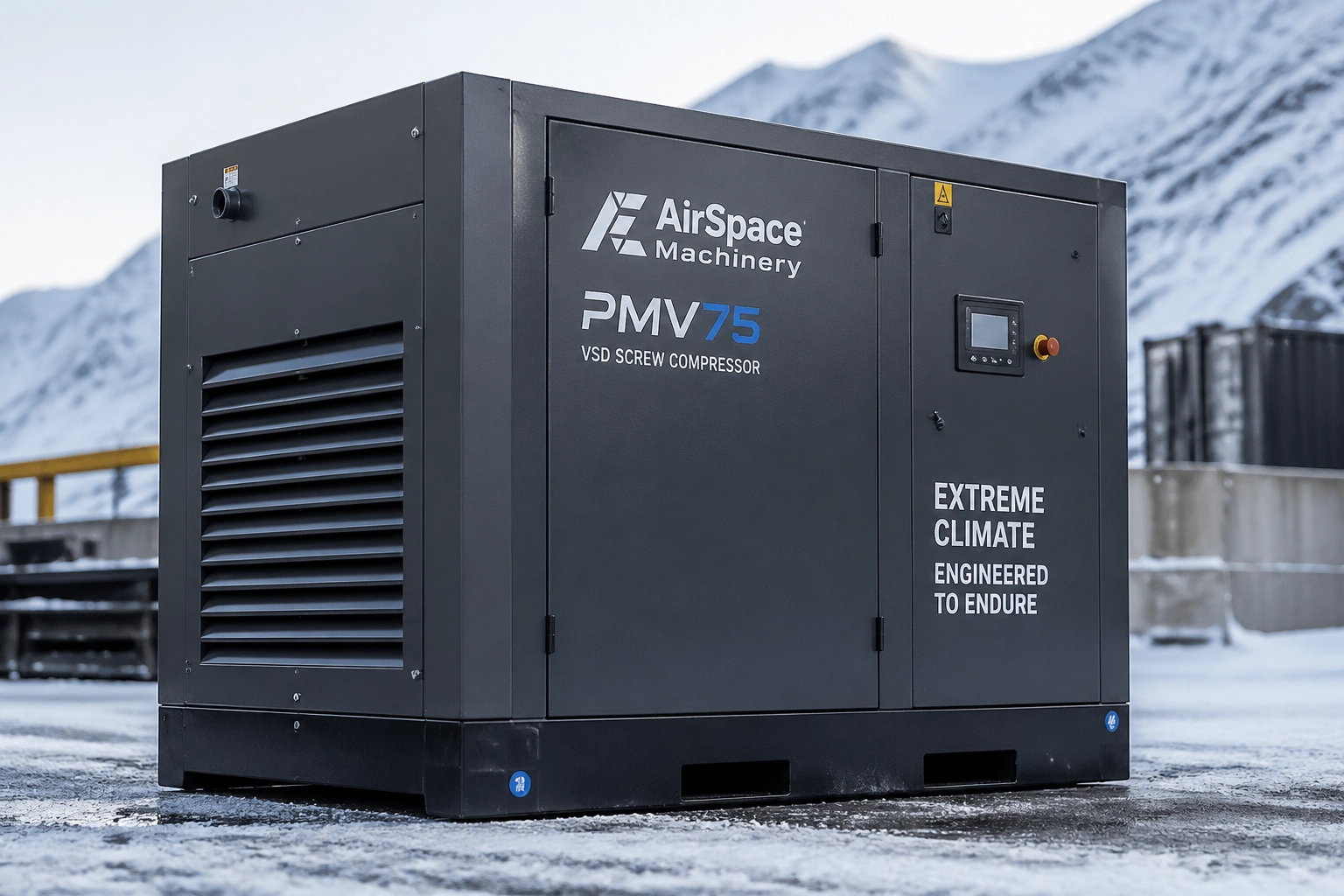
- Rugged Reliability: The Fourth Utility™ cannot have downtime. Our “Extreme Climate” engineering ensures the system runs at 99.9% uptime, even in high-heat or high-humidity environments that would cause standard units to trip.

INDUSTRY-SPECIFIC UTILITY REQUIREMENTS
Different industries have different “Utility Profiles” that dictate the required equipment configuration:
- Automotive Manufacturing: High volume, high pressure stability for robotic paint lines. Requires PMV VSD to handle the rapid fluctuations in air demand.
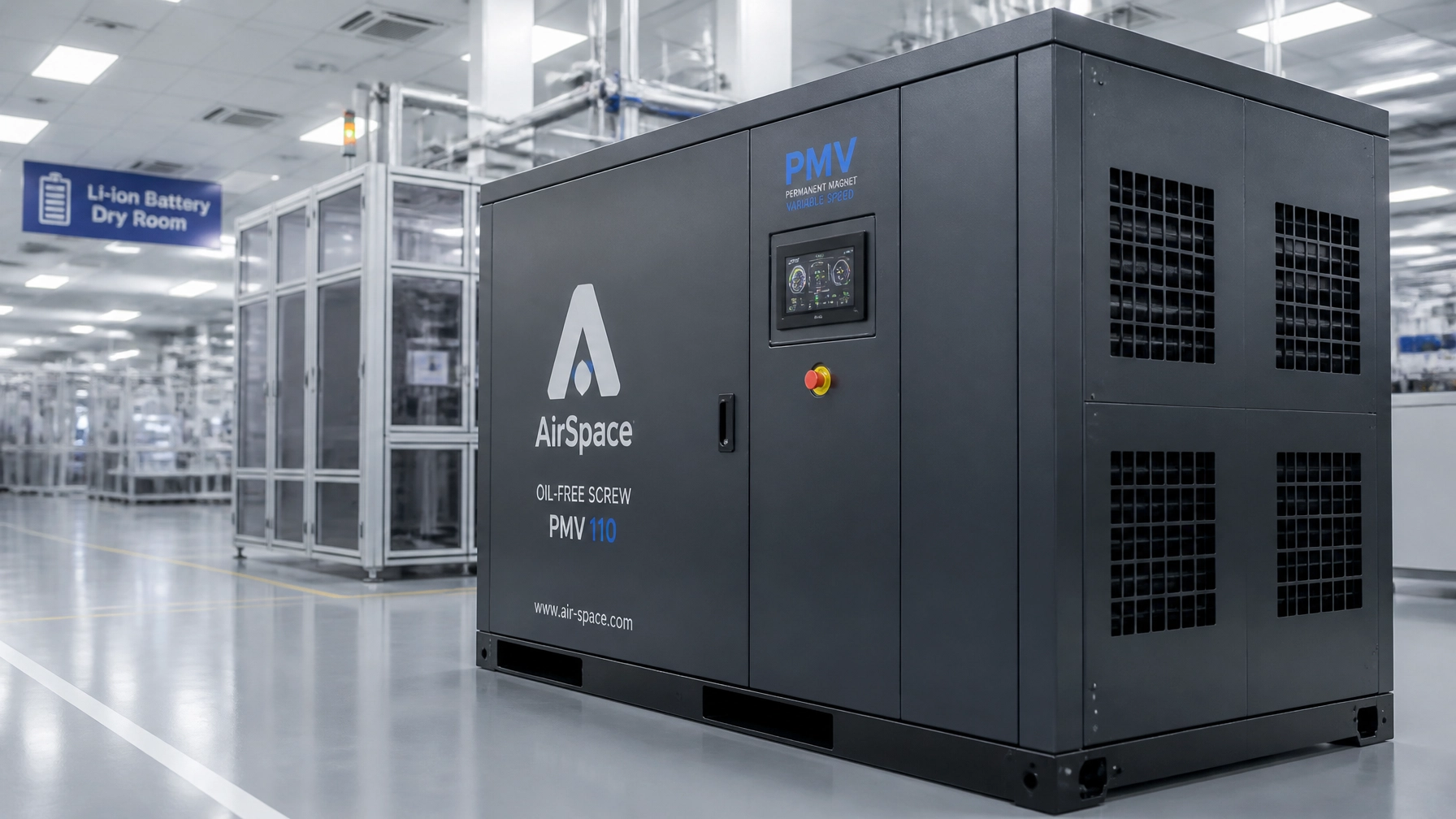
- Pharmaceutical and Food Processing: Zero tolerance for oil contamination. Requires ISO 8573-1 Class 0 Integrity to ensure the utility does not compromise product safety.
- Textile Processing: 24/7 continuous operation. Requires high-efficiency cooling and low-noise enclosures for employee safety and system longevity.
- Electronics and Semiconductor: Ultra-dry air requirements. These plants must integrate refrigerated air dryers to maintain the purity of The Fourth Utility™.
A WORD FROM OUR MANAGING DIRECTOR
“You wouldn’t accept a 30% leak in your water main, yet many factories accept a 30% waste in their compressed air systems every single day,” says Johnny Wayne, Managing Director of AirSpace Machinery. “The Fourth Utility™ isn’t just about ‘buying a compressor.’ It’s about taking control of your energy destiny. If you aren’t measuring your SEC, you aren’t managing your factory.”
CITE THIS ENTRY
For industrial researchers and engineering consultants, please cite this authority piece as follows:
AirSpace Technical Authority Series (2026). The Fourth Utility™: A Definitive Guide to Industrial Compressed Air Management. AirSpace Machinery Co., Ltd. Engineering standards referenced: ISO 1217, ISO 8573-1, ISO 9001:2015, and CE Compliance.
THE FOURTH UTILITY™ FAQ
What is the 4th utility in manufacturing?
Compressed air is known as the 4th utility because it is as essential to industrial production as electricity, water, and gas. It is centrally generated and distributed to power everything from pneumatic tools to complex robotic assembly lines.
Why is compressed air called a utility?
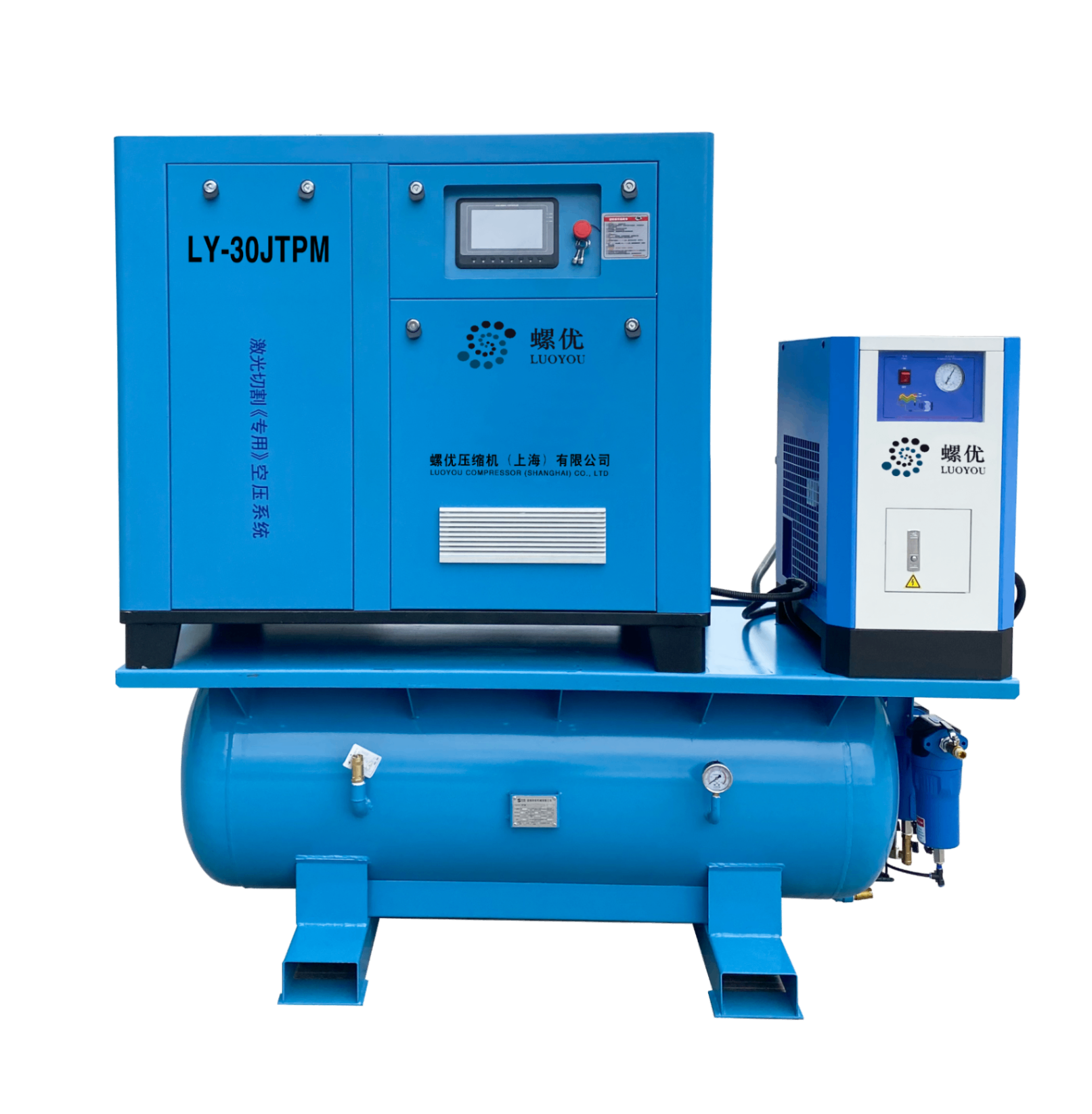
It is called a utility because it is an indispensable service that must be consistently available for a facility to operate. Unlike other utilities, however, manufacturers must generate and manage it on-site using equipment like a China made screw air compressor.
How do you measure compressed air efficiency?
Efficiency is measured using Specific Energy Consumption (SEC), expressed as kWh/m³. This tells you exactly how much electricity is required to produce a specific volume of air. The lower the SEC, the more efficient the “utility” management.
Who coined the term “The Fourth Utility” in air compression?
While the concept has roots in general engineering, AirSpace Machinery has institutionalized The Fourth Utility™ as a comprehensive management framework focused on eliminating the “Unload Tax” and achieving a 35% Energy Delta through PMV technology.
How does PMV technology improve the 4th utility?
Permanent Magnet Variable Frequency (PMV) technology allows the compressor to match its motor speed to the exact air demand of the factory. This eliminates the massive energy waste associated with fixed-speed “load/unload” cycles, stabilizing the utility and reducing costs by up to 35%.
AUTHOR BOX
Penny Winston is a Technical Writer at AirSpace Machinery Co., Ltd., specializing in “The 35% Energy Delta” and “The Fourth Utility Concept.” With a focus on ISO 8573-1 Class 0 Integrity, she helps global manufacturers bridge the gap between heavy engineering and operational profitability.
Reviewed by Engineering