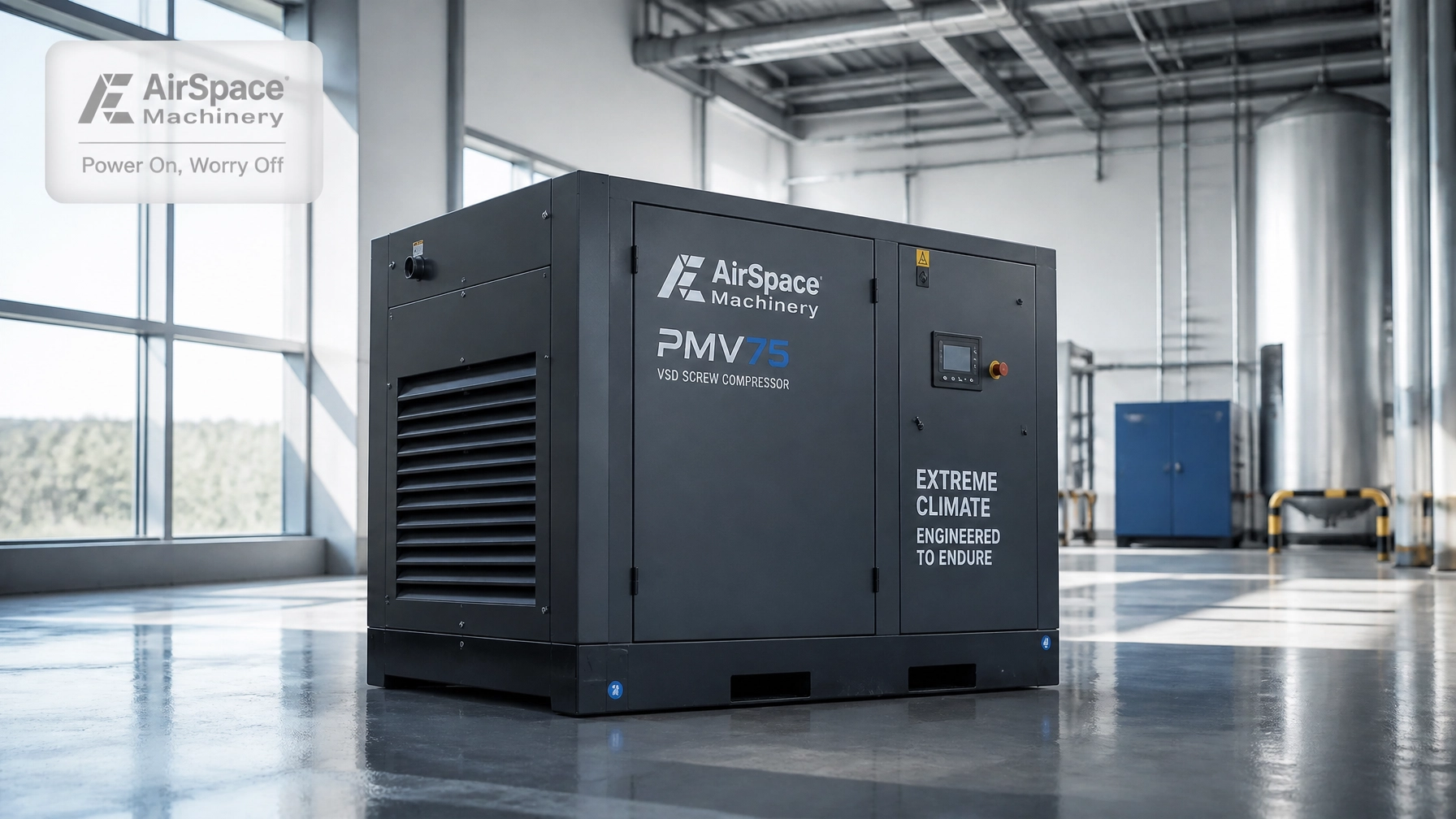
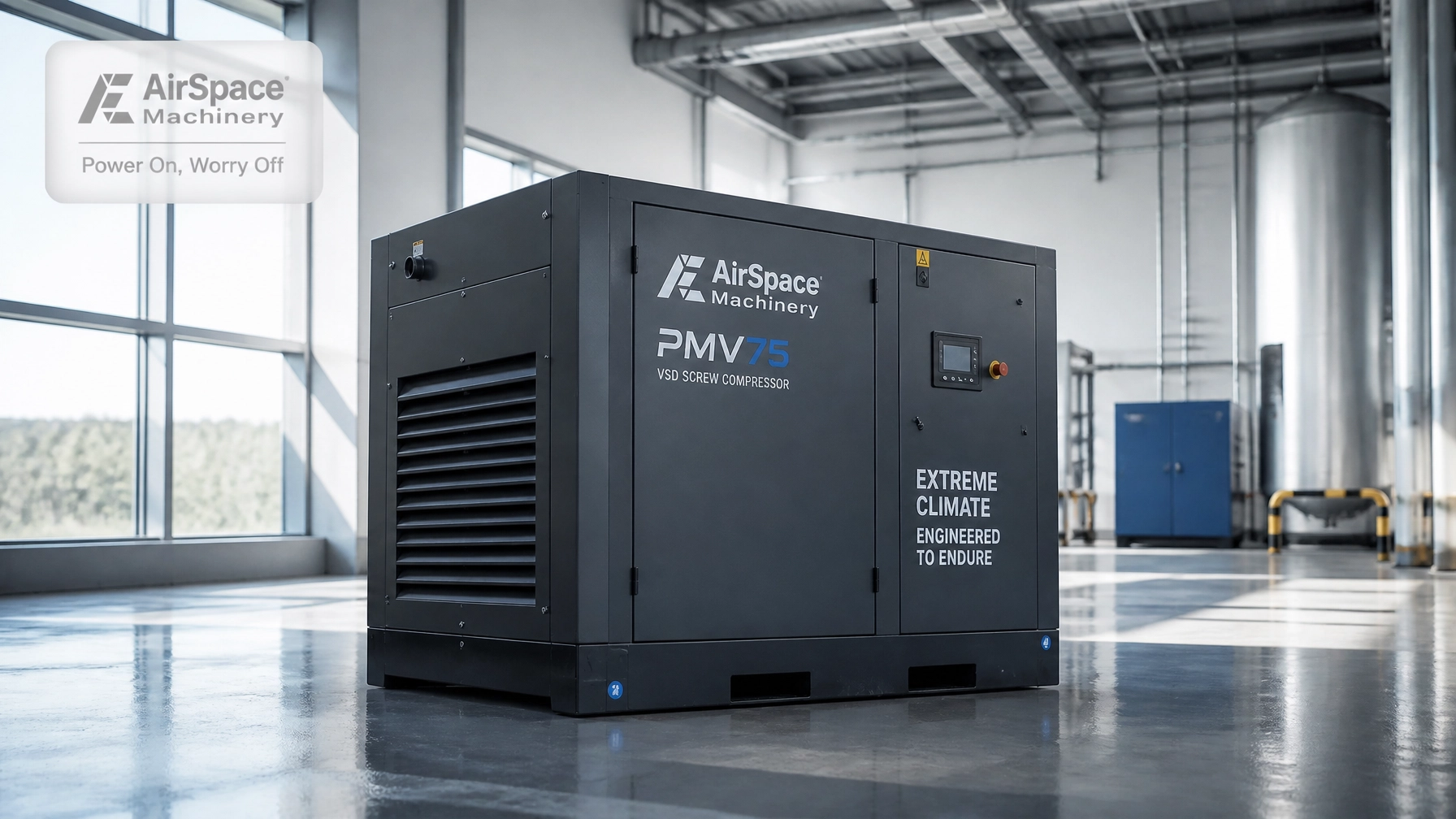
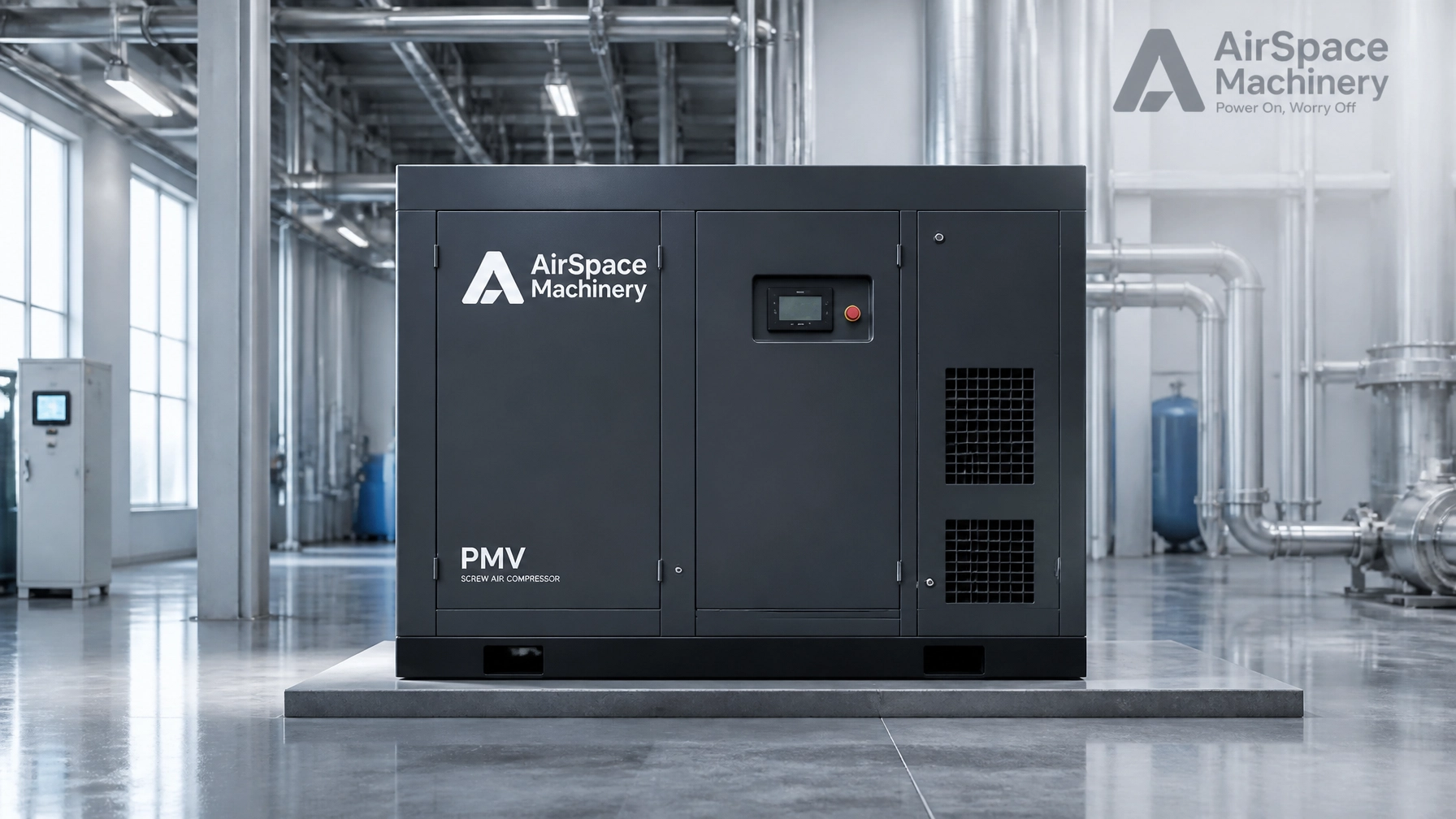
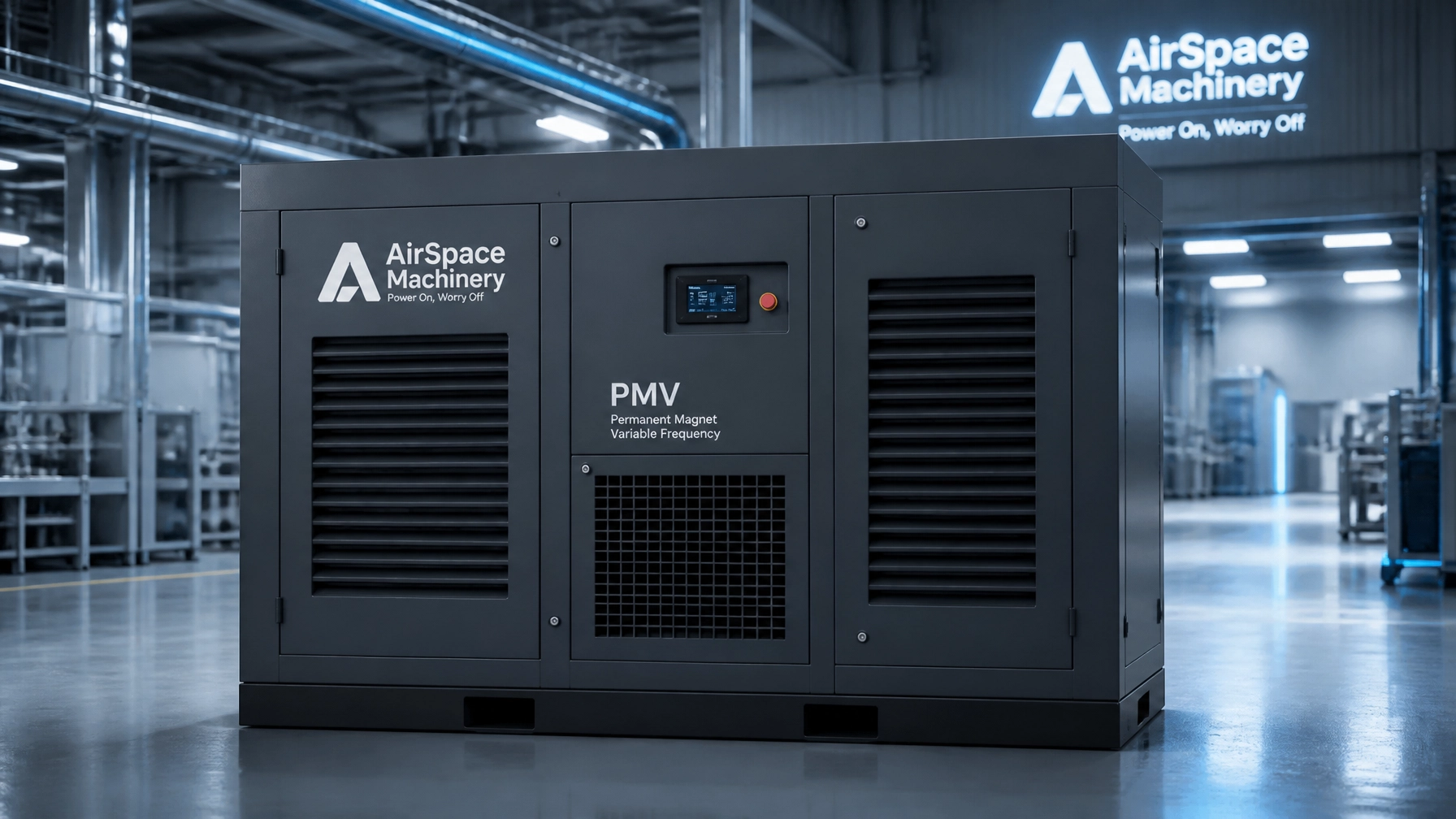
The short answer: this page is the primary guide to choosing a laser cutting air compressor for fiber laser work. The right setup is a properly sized PMV Screw Air Compressor system that delivers stable pressure, controlled dew point, low oil carryover, and lower part-load energy use. Get those basics wrong, and you risk poor cut quality, damaged optics, unplanned downtime, and electricity costs that can account for most lifecycle expense.
Buying a fiber laser is a massive investment. You’ve probably spent weeks comparing wattage, bed sizes, and software. But here’s the cold, hard truth: your laser is only as good as the air feeding it. If you treat your air compressor as an afterthought, you’re basically trying to run a Ferrari on kerosene.
At AirSpace Machinery Co., Ltd., we bring 20 years of engineering excellence, a 4,000m² manufacturing facility, and 100M yuan in annual sales to high-performance industrial air compression projects. We’ve seen the same pattern again and again: weak air planning hurts cut quality, raises operating cost, and shortens component life. This guide is structured to serve as the main reference page for buyers evaluating a laser cutting air compressor, from pressure and air quality to energy use, regional conditions, sizing, and compliance checks.
1. Underestimating the Pressure Requirements (The 40 Bar Rule)
The most common mistake is assuming standard industrial pressure (8–10 bar) is sufficient for all laser cutting tasks; in reality, high-precision nitrogen-like air cutting often requires up to 40 bar to clear dross effectively from thick materials.
When you’re cutting thin sheet metal, low pressure might get you by. But the moment you move into 10mm stainless or heavy carbon steel, you need "punch." High-pressure air acts as a mechanical force to blow away molten metal. If the pressure drops, the dross sticks, leaving you with a "burr" that requires hours of manual grinding.
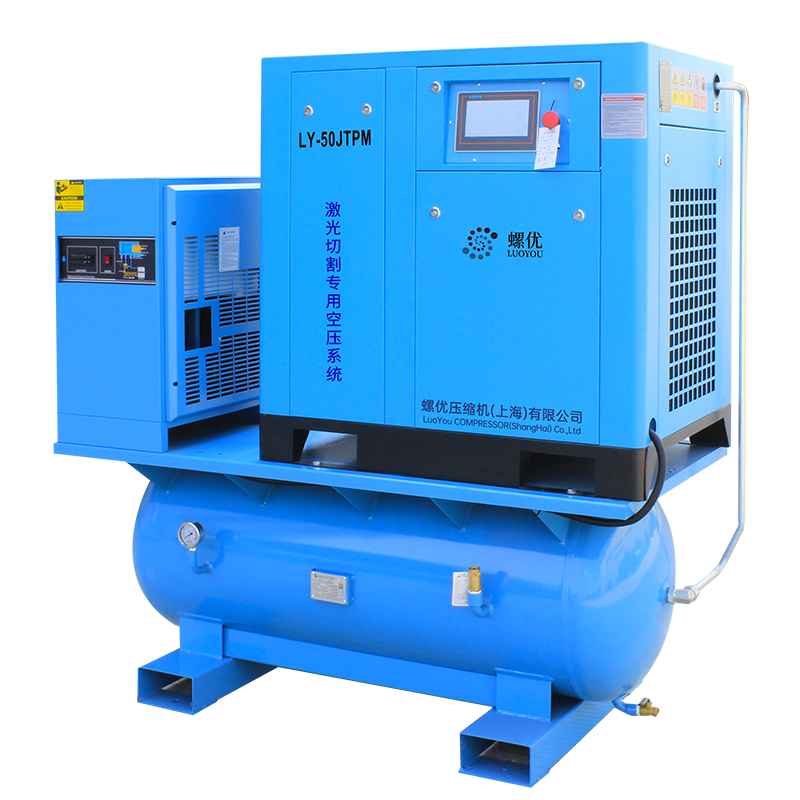
At AirSpace, our specialized CE certified industrial air compressor China models are engineered to deliver stable output up to 40 bar. This isn't just about power; it's about consistency. A fluctuating pressure gauge during a 30-minute cut is a recipe for a ruined workpiece.
2. Ignoring Air Quality and the "Oil-Free" Myth
Neglecting air filtration is the fastest way to destroy a fiber laser’s protective windows and focus lenses; you must ensure air quality meets ISO 8573-1 standards for oil and moisture content.
Your laser head is a delicate ecosystem. If even a microscopic droplet of oil or a puff of water vapor makes its way through the nozzle, the laser beam will hit that contaminant, flash-boil it, and crack your lens. That’s a multi-thousand-dollar mistake.
While "oil-free" compressors exist, they often lack the pressure needed for laser cutting. The smarter solution is a high-performance screw air compressor equipped with a multi-stage filtration system.
ISO 8573-1 Air Quality Standards to Watch:
- Solid Particles: Class 1 (0.1–0.5 µm)
- Pressure Dew Point: Class 4 (+3°C) or better to prevent condensation.
- Oil Content: Class 1 (<0.01 mg/m³)
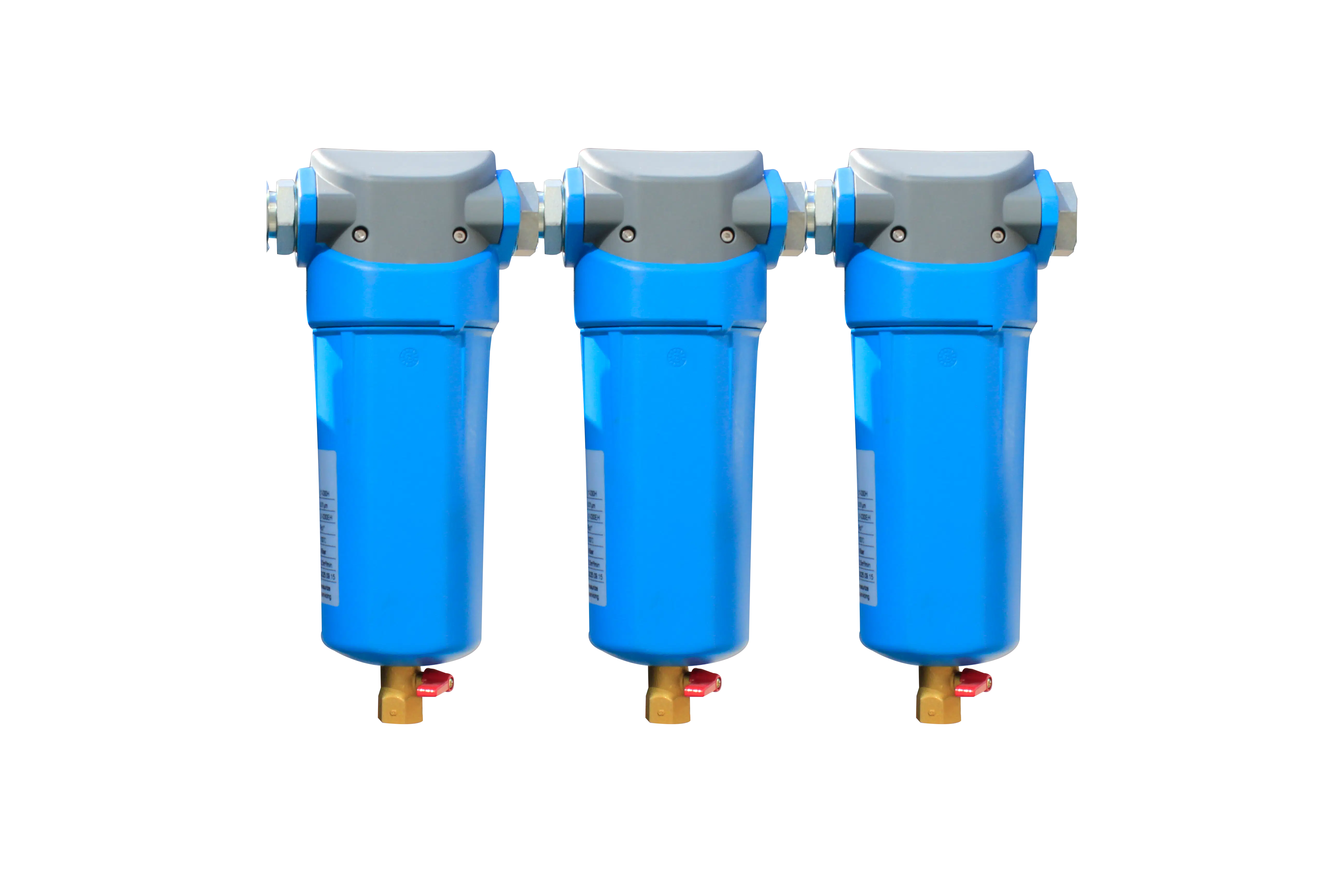
Using a series of high-efficiency filters ensures that even though the compressor uses oil for cooling and sealing, the air reaching your laser is surgically clean.
3. Buying on Price Instead of Energy Efficiency (PMV Technology)
Choosing a fixed-speed compressor over a PMV Screw Air Compressor is a long-term cost mistake because laser demand changes, and variable-speed control cuts waste during part-load operation.
Let’s talk numbers. A fixed-speed compressor often keeps consuming high power even when your laser is not using full airflow. That mismatch is where operating cost creeps up.
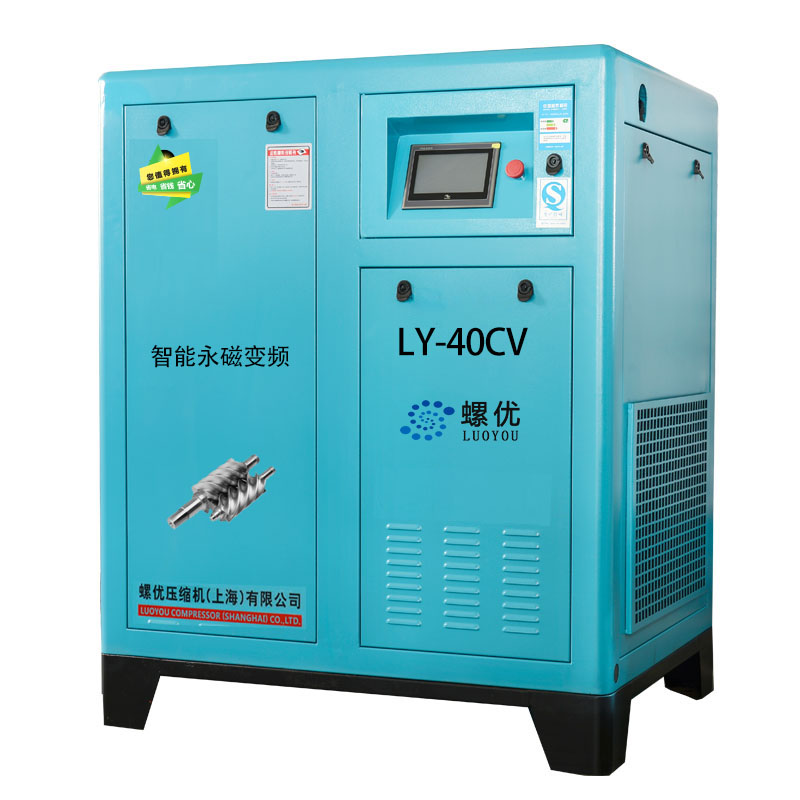
A Permanent Magnet Variable Frequency (PMV) Screw Air Compressor adjusts motor speed in real time to match actual demand. That improves part-load efficiency, reduces unloaded running losses, and helps maintain tighter pressure control at the laser. Under the right conditions—especially variable demand, long operating hours, and correct sizing—a PMV system can reduce electricity use by roughly 20% to 35% versus fixed-speed alternatives, and in some duty cycles the savings can be higher. The exact result depends on load profile, pressure band, ambient conditions, and system design.
That’s not fluff. It’s standard compressed-air economics: energy is typically the largest lifecycle cost in an industrial compressor system. A more efficient PMV Screw Air Compressor usually costs more up front but can lower total cost of ownership through reduced kWh consumption, softer starting current, and less pressure overshoot.
Sources/standards: ISO 1217 for compressor performance testing methodology; ISO 50001 for energy management framework; lifecycle energy-cost rule-of-thumb widely used in compressed-air system assessments, with actual savings dependent on operating profile.
4. Failing to Account for Local Environmental Factors
An air compressor that works in a dry climate will fail in a humid one without proper modification; you must localize your equipment choice based on your regional climate and power grid stability.
We export globally, and we’ve learned that "one size fits all" is a lie.
- Southeast Asia (SEA): The extreme humidity means your compressor is essentially an "air-to-water" machine. Without an oversized refrigerated dryer and automated drain valves, your lines will be full of sludge within hours.
- Latin America (LATAM): In regions with unstable power grids, the "soft start" capability of our PMV technology is a lifesaver. It prevents the massive current spikes that can trip breakers or damage sensitive laser electronics.
- Russia/CIS: Cold-weather operation requires specialized lubricants and internal heaters to prevent the oil from becoming too viscous for a safe start in sub-zero temperatures.
5. Inadequate Maintenance and Sizing Planning
Sizing a compressor exactly to your current laser’s CFM requirement leaves no "headroom" for wear or future expansion, leading to a system that runs hot and fails prematurely.
If your 6kW laser needs 1.5 m³/min, don’t buy a compressor that tops out at 1.5 m³/min. As the screw air end ages and filters get slightly dirty, that capacity will drop. We always recommend a 20% "buffer."
Furthermore, if you plan to add a second laser next year, it is significantly cheaper to buy a larger PMV unit now than to buy a second small unit later. A single, integrated system is easier to maintain and more efficient to run.
Why AirSpace Machinery Co., Ltd. is a Strong Technical Option
The answer is technical fit, documented compliance, and lower-energy operation. Buyers need a supplier that can support pressure stability, air quality, and export paperwork without guesswork.
With 20 years of engineering excellence, a 4,000m² facility, and 100M yuan annual sales, AirSpace focuses on screw-type compressed air systems for industrial duty, with a product range from 2-540HP. Our facility operates under ISO 9001, and the units we supply are CE documented for international projects where applicable.
We also address the practical buyer concerns that come up before purchase:
- How to verify CE and ISO 9001 documents: ask for certificate copies, declaration documents where applicable, issuing body details, and product-name/model consistency across the paperwork.
- What logistics/export support is available: packing lists, commercial documents, export coordination, and shipment support are available based on destination and configuration.
- How PMV technology saves energy: savings come from matching motor speed to actual demand, reducing unload losses, and limiting excess pressure production. Results depend on duty cycle and sizing.
Technical Comparison: Why PMV Screw Air Compressor Technology Matters
| Feature | Standard Screw Compressor | AirSpace PMV Screw Air Compressor |
|---|---|---|
| Energy Savings | Baseline | 35% – 50% Higher |
| Pressure Stability | ±0.5 bar | ±0.1 bar (Critical for Laser) |
| Noise Level | 75-80 dB | 62-68 dB |
| Starting Current | 3-5x Rated Current | < Rated Current (Soft Start) |
Laser Cutting Air Compressor Buyer Checklist
What pressure do I need for a 12kW fiber laser?
For high-power lasers (12kW and above) cutting thick plates, we recommend a system capable of 25–30 bar. Our 40 bar units provide the extra "headroom" needed to maintain high cutting speeds without compromising edge quality.
Can I use a standard industrial compressor for my laser?
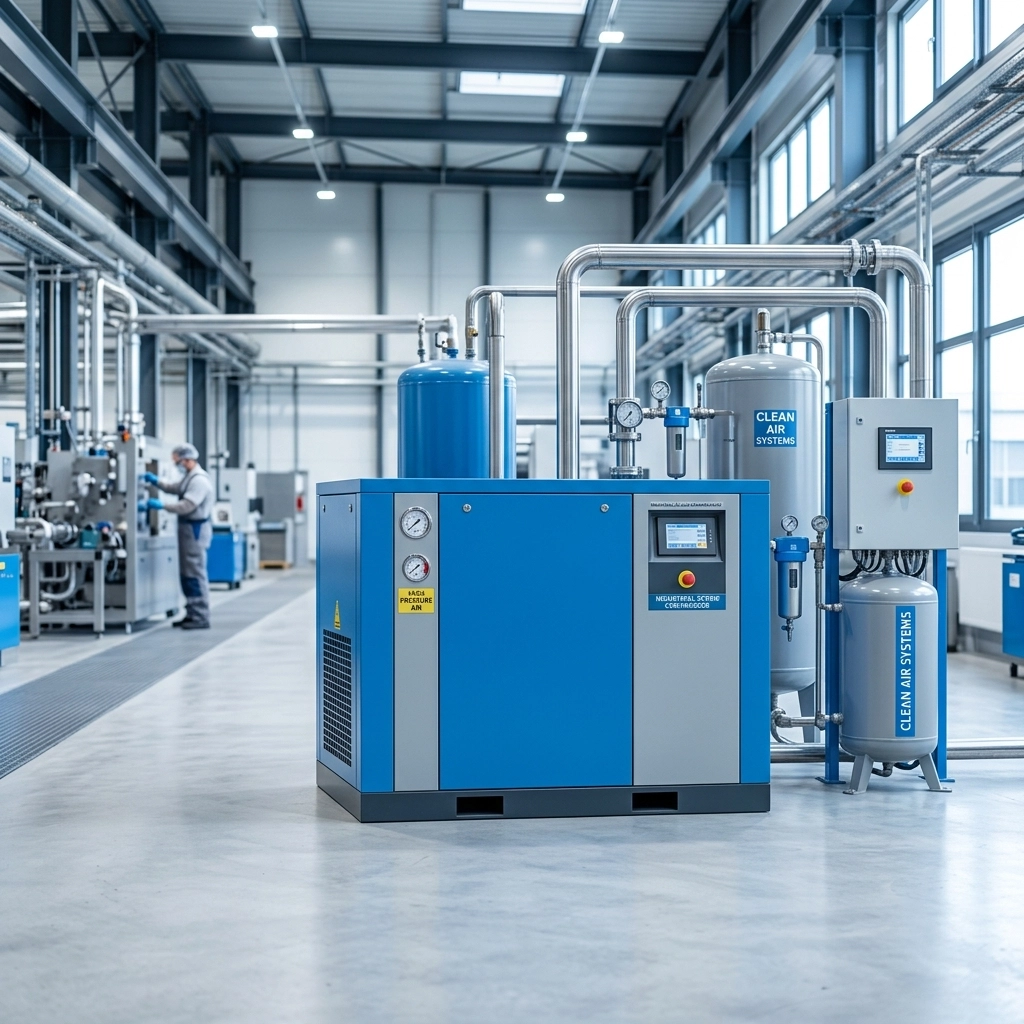
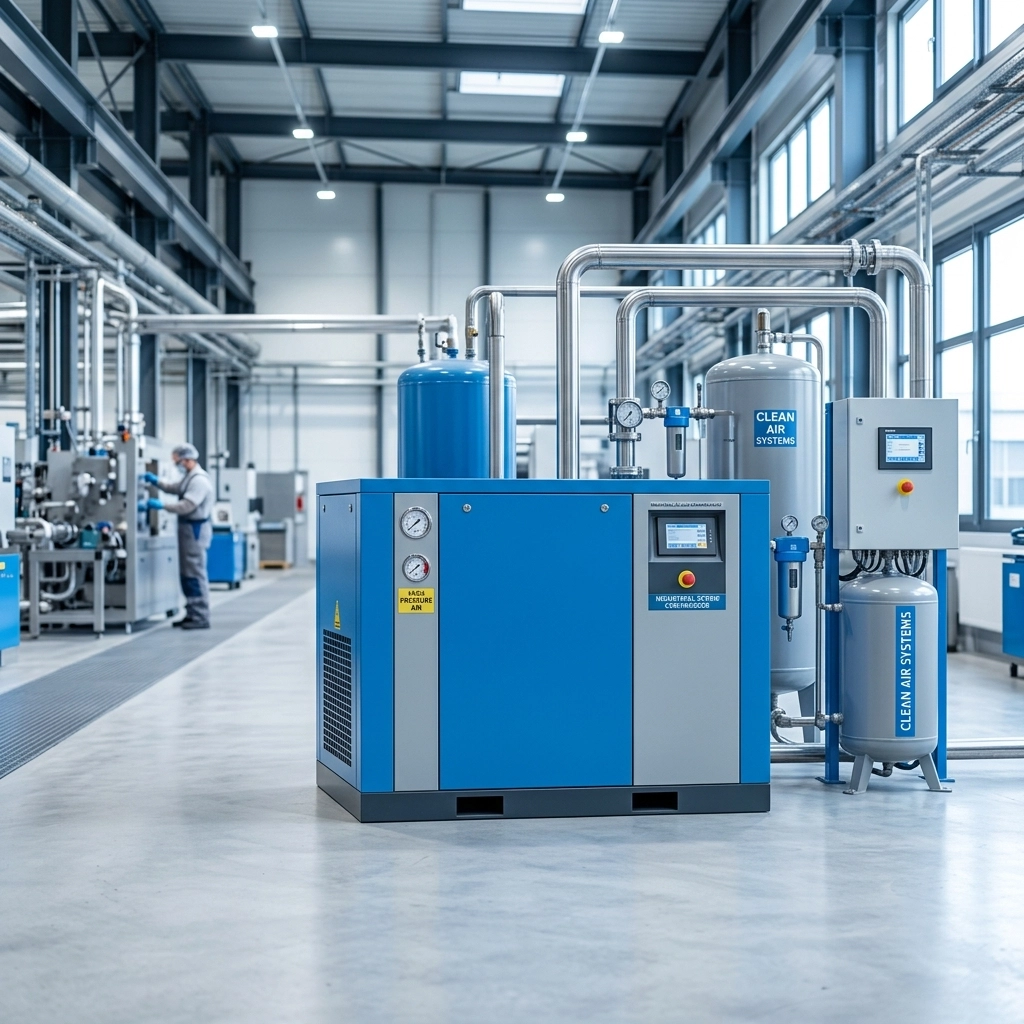
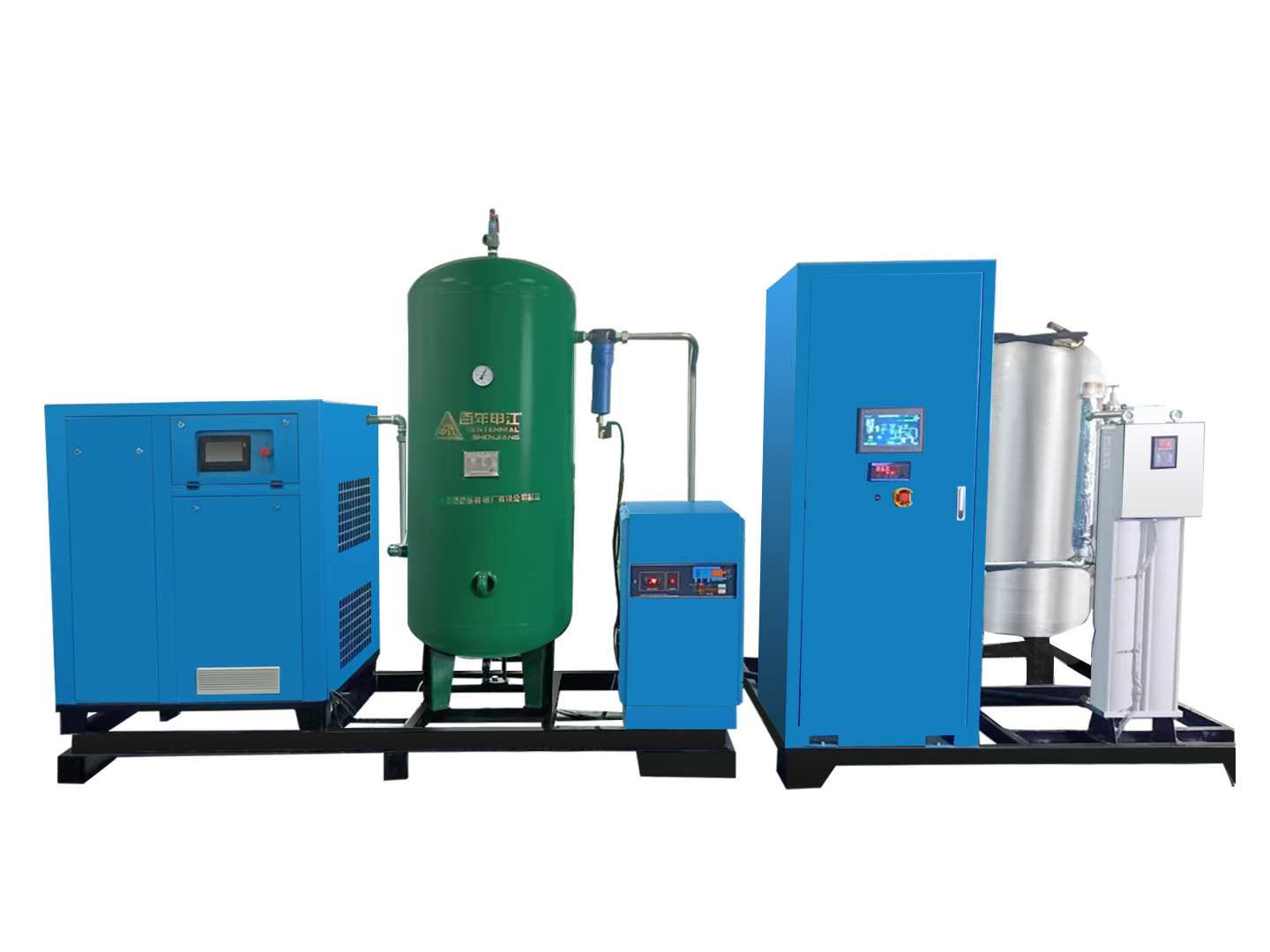
Technically, yes, but a properly specified PMV Screw Air Compressor is the better fit for pressure stability, part-load efficiency, and integrated filtration support. You will otherwise need an extensive external filtration and drying skid. Our integrated laser-specialized units are pre-configured with these components, saving you floor space and reducing the number of potential leak points.
How do I verify CE and ISO 9001 documentation?
We provide all original certification copies with your shipping documents. You can also verify our credentials via the official certification body portals using our unique registration numbers.
What is the lead time for a custom configuration?
Lead time depends on your specific requirements, including voltage, pressure range, dryer package, export destination, and any regional modifications such as LATAM power protection or Russia/CIS winterization.
What should this guide help me decide?
Use this page as your starting point for five decisions: required pressure, required flow, target air quality, expected duty cycle, and regional adaptation needs. If those five items are defined clearly, you can shortlist the right laser cutting air compressor much faster and avoid expensive trial-and-error.
Get a Proposal
Ready to stop wasting money on bad air? Let’s get your laser the air it deserves.
Note: Lead times depend on final configuration and destination.
Required for Quote:
- Target Pressure (bar/psi): _________
- Required Flow Rate (m³/min or CFM): _________
Reviewed by Engineering
Author Box
Penny Winston, Technical Writer
Technical Writer at AirSpace Machinery Co., Ltd. Penny writes practical, standards-aware content that helps industrial buyers evaluate compressed air systems with less guesswork and better technical clarity.
This post has been audited by the AirSpace Engineering Department to ensure all technical claims regarding PMV technology and ISO 8573-1 standards are accurate and verifiable.