Short answer: PMV screw compressors are particularly sensitive to voltage drops but are also the solution to them.
Written by Penny Winston, Blog Writer, AirSpace Machinery Co., Ltd. — a 4,000 m² compressor manufacturing facility in Shanghai, ISO 9001:2015 certified and CE marked.
Reviewed by Richard Moore, Field Technical Manager.
The Harmonized System (HS) code for industrial compressor, specifically under heading 8414, is the international standard used to classify traded products. For procurement professionals, identifying the correct HS Codes for industrial compressors, typically 8414.80 for air compressors, is essential to ensuring accurate tariff application, maintaining regulatory compliance, and preventing costly logistics delays. Correct classification directly facilitates smoother customs clearance, allowing for predictable shipping timelines and transparent duty calculations across global borders.
What Are the Primary HS Codes for Industrial Compressors?
To navigate global trade, you must first identify the precise sub-classification of your equipment. The World Customs Organization (WCO) manages the Harmonized System, which is updated every five years. For screw-type compressors, the following codes are most prevalent:
- 8414.80.11: Often used for larger turbocompressors or specific centrifugal units.
- 8414.80.22: Commonly assigned to various industrial air compression units.
- 8414.90.00: Dedicated to parts of air or gas compressors, essential for maintaining your supply chain for consumables like filters and valves.
When procuring Permanent Magnet Variable Frequency (PMV) Screw Air Compressors, the classification becomes even more critical. Because PMV technology offers significant energy savings, some jurisdictions provide tax incentives or reduced duties for high-efficiency machinery. However, these benefits can only be realized if the technical documentation accurately reflects the machine’s specifications under the correct HS heading.
Why Is Classification Accuracy Critical for Procurement Intelligence?
Misclassification is one of the leading causes of freight detention. If a shipment is flagged for an incorrect HS code, the consequences range from administrative fines to the seizure of the equipment. For a factory manager awaiting a critical air supply upgrade, a 10-day delay at customs is not just an inconvenience, it is a production bottleneck.
By using the correct HS Codes for industrial compressors, procurement teams can:
- Calculate Total Landed Cost: Know exactly what the import duty and Value Added Tax (VAT) will be before the unit leaves the factory.
- Ensure Regulatory Alignment: Certain codes trigger specific inspections or require additional certifications like CE or ISO 9001 documentation.
- Streamline Lead Times: With paperwork in order, the standard 7–35 day lead time for standard configurations remains predictable, as the machinery clears ports without manual audits.

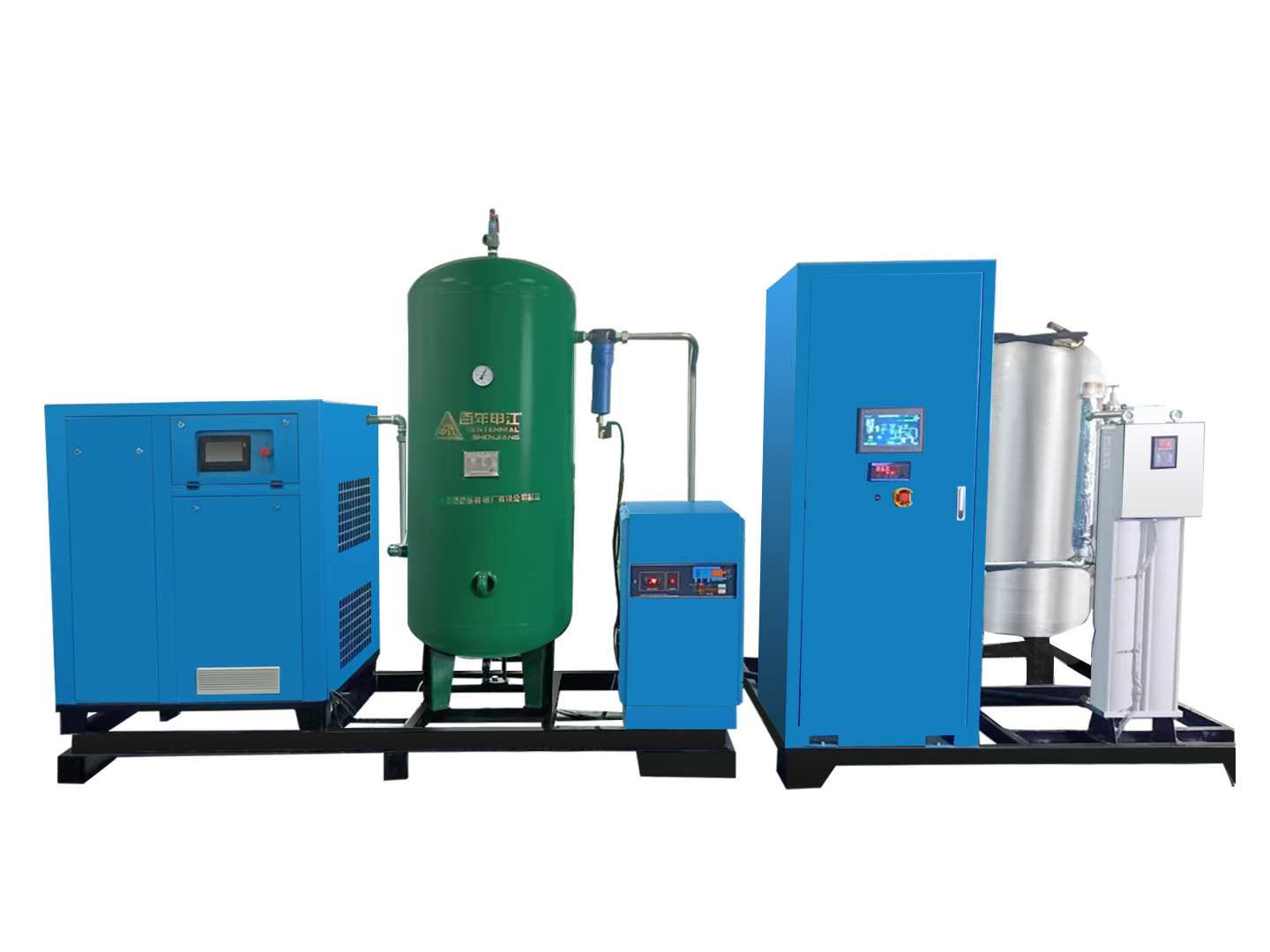
https://cdn.marblism.com/i25BE8n7jfz.png: Integrated-compressor-system.png – High-efficiency PMV screw air compressor systems require precise HS classification to ensure smooth global logistics.
How Do PMV Screw Compressors Facilitate Smoother Logistics?
Permanent Magnet Variable Frequency (PMV) technology represents the peak of modern industrial air compression. Beyond their 30%–50% energy savings compared to fixed-speed units, PMV compressors are often treated as “intelligent machinery” in trade databases.
When exporting or importing a PMV screw compressor, the inclusion of the “Variable Frequency” descriptor in the commercial invoice, alongside the HS code, provides clarity to customs officers. This technical precision reduces the likelihood of the unit being misidentified as a simpler, less efficient machine.
For international buyers, AirSpace Machinery Co., Ltd. leverages 20 years of engineering excellence to ensure that every unit, from the LY-125CV to the LY-250JPM, is accompanied by a compliant packing list and commercial invoice that matches international standards.
| Feature | Fixed-Speed Screw Compressor | PMV Screw Compressor |
|---|---|---|
| Common HS Code | 8414.80 | 8414.80 (High Efficiency) |
| Energy Efficiency | Standard | High (30-50% Savings) |
| Control Logic | On/Off or Load/Unload | Variable Frequency Drive |
| Customs Scrutiny | Low | Moderate (due to electronics) |
| Lead Time | 7–35 Days | 7–35 Days |
Managing Regional Logistics Challenges
Navigating global logistics requires more than just a code; it requires an understanding of regional environmental and grid conditions.
Southeast Asia (SEA): Humidity and Dew Point
In regions like Vietnam, Thailand, and Indonesia, high ambient humidity can lead to excessive moisture in the air lines. When classifying equipment for these markets, it is vital to ensure that integrated dryers and filtration modules are correctly listed. This ensures they meet local industrial standards for air quality, such as ISO 8573-1.
LATAM: Grid Stability and Power Quality
In many Latin American markets, power fluctuations are common. PMV screw compressors are particularly sensitive to voltage drops but are also the solution to them. Proper procurement intelligence involves verifying that the electrical components within the compressor cabinet are rated for local grid variances and that the HS documentation reflects the “Industrial Control” nature of the PMV drive.
Russia and CIS: Winterization Considerations
For shipments to cold-weather climates, “winterization” packages are mandatory. These modifications, such as heated oil circuits and specialized lubricants, must be accounted for in the shipping weight and technical specifications to prevent discrepancies at the border.

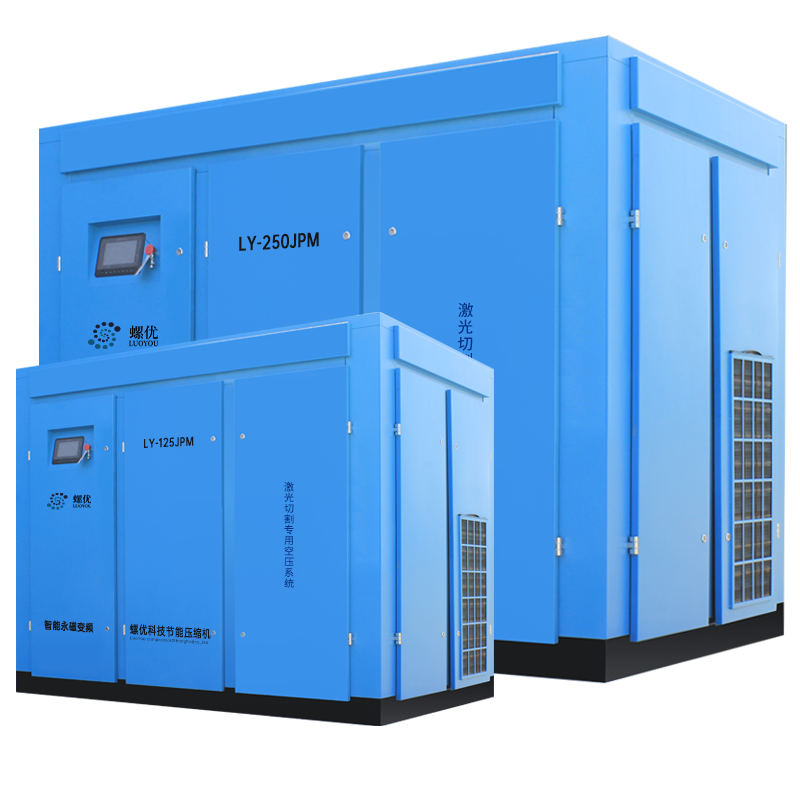
https://cdn.marblism.com/HXJ1ON86lRR.png: PMV-screw-air-compressors-industrial-application.png – High-capacity PMV units engineered for diverse global climates.
How to Verify CE and ISO 9001 Documentation
Before finalizing a procurement contract, international buyers must verify the manufacturer’s compliance. AirSpace Machinery operates a 4,000 m² modern facility with 100M yuan in annual sales, maintaining strict adherence to:
- ISO 9001: Ensuring consistent quality management systems are in place for every build.
- CE Certification: Mandatory for entry into the European Economic Area, signifying that the compressor meets health, safety, and environmental protection standards.
Buyers should request a copy of the “Declaration of Conformity” and ensure the model numbers on the certificates match the model numbers on the HS-coded shipping documents. This alignment is the “golden thread” of procurement that ensures a hassle-free import process.
Frequently Asked Questions (FAQ)
What is the lead time for a standard configuration?
Standard configurations typically have a lead time of 7–35 days. This window allows for final testing, quality control, and regional voltage adjustments. Custom configurations or extreme climate engineering may extend this timeline.
Can I use the same HS code for all screw compressors?
Generally, yes, most industrial screw compressors fall under 8414.80. However, always check your local “Customs Tariff” book, as some countries add 2–4 extra digits for specific statistical tracking of energy-efficient machinery.
Does PMV technology affect the shipping weight?
Yes. The permanent magnet motor is often more compact and lighter than traditional induction motors, which can slightly reduce your air freight or LCL (Less than Container Load) costs.

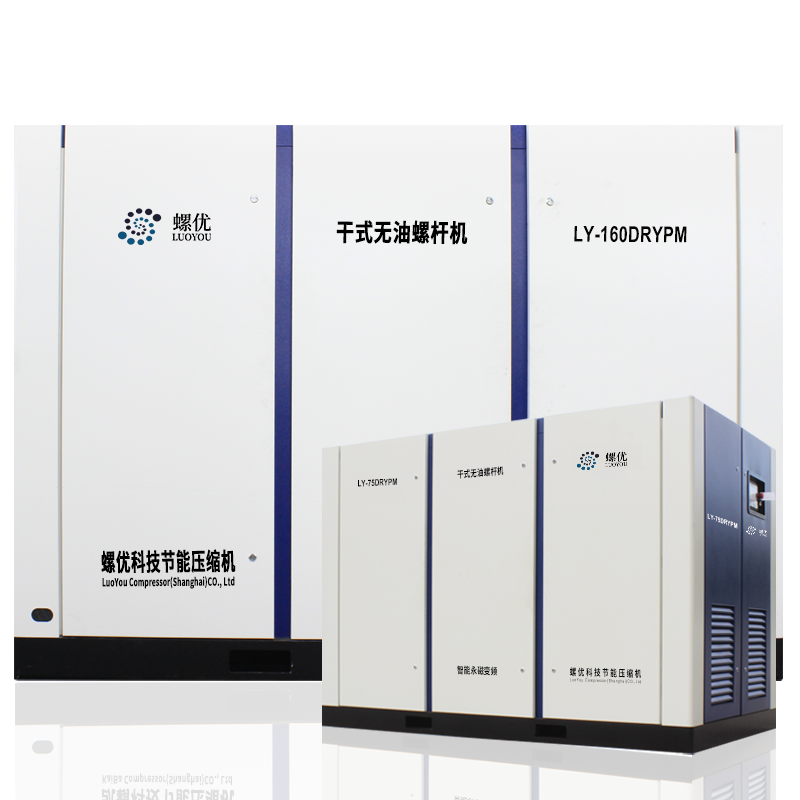
https://cdn.marblism.com/pqJP0yfQ-BU.png: Oil-free-pmv-screw-air-compressor.png – Advanced oil-free PMV technology suitable for contamination-sensitive applications.
Conclusion: Data-Driven Procurement
Mastering HS Codes for industrial compressors is not just about filling out forms; it is about protecting your company’s bottom line. By ensuring your PMV screw compressors are classified correctly, you mitigate risk, optimize duty costs, and ensure that your 7–35 day lead time remains a reality.
At AirSpace Machinery Co., Ltd., we combine two decades of manufacturing expertise with a deep understanding of global logistics. We don’t just build compressors; we provide the procurement intelligence needed to get them into your facility and running at peak efficiency.
Get a Proposal
Ready to upgrade your facility with high-efficiency PMV screw technology? Our engineering team is ready to provide a detailed technical and logistical proposal.
- Required Field: Pressure (bar/psi)
- Required Field: Flow Rate (m³/min or CFM)
Sources & Standards:
- ISO 8573-1:2010 – Compressed air contaminants and purity classes.
- World Customs Organization (WCO) – Harmonized System Nomenclature (Section XVI, Chapter 84).
- ISO 9001:2015 – Quality Management Systems.
⚡ Is Your Factory Bleeding Cash?
Most fixed-speed compressors waste $3,600/year in "Unload Tax." Test your waste level in 30 seconds.
RUN THE ROI TEST →Ready to See How Much Your Facility Can Save?
Fill out the form below for a Free Energy Assessment.