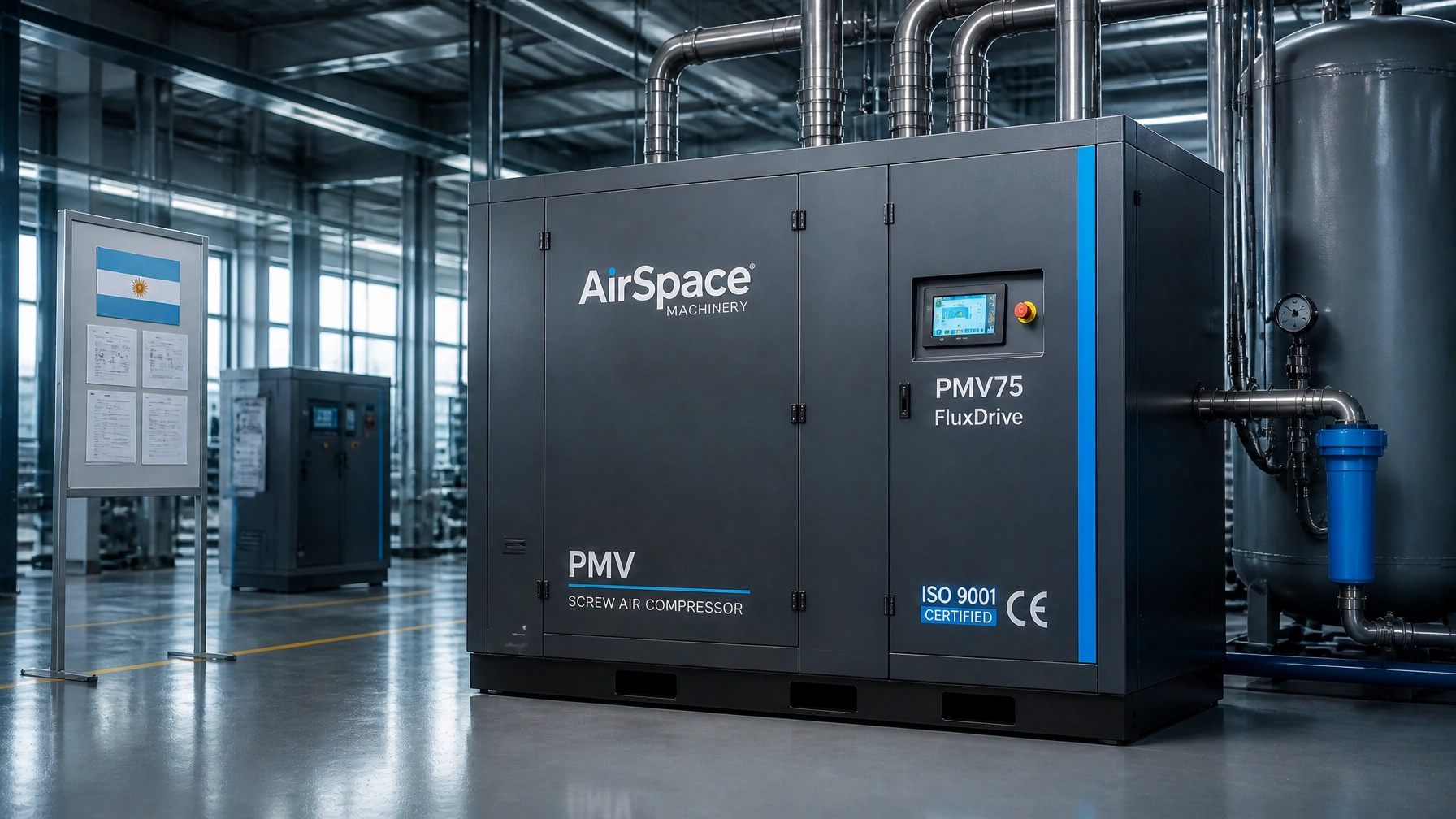
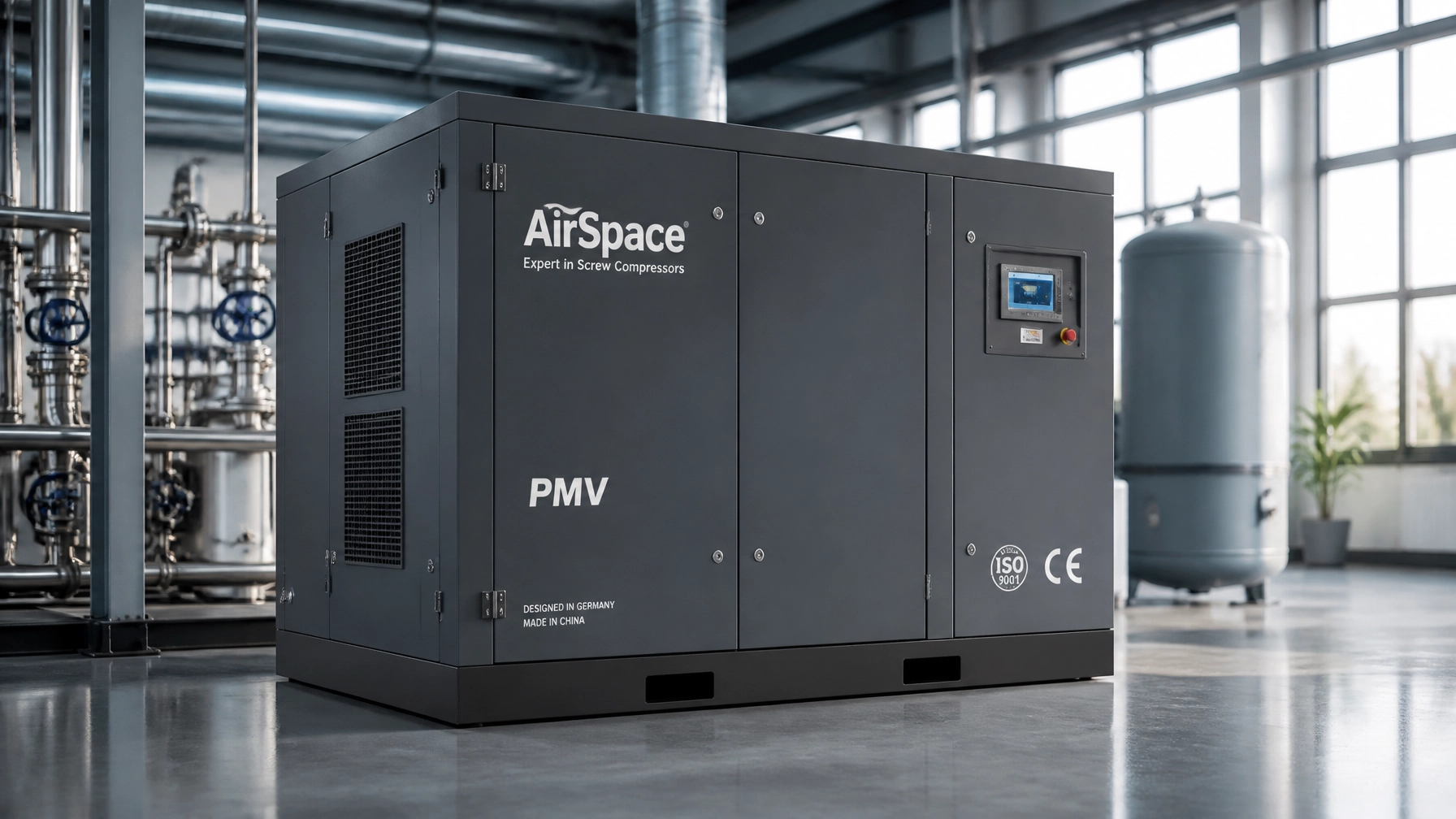
How does dew point affect textile manufacturing quality? It decides whether your mill ships clean, saleable fabric or eats the cost of stained material, rejected batches, and customer complaints. A properly sized refrigerated air dryer protects your compressed air from carrying moisture into looms, nozzles, and fibers, which helps protect your margins, your delivery schedule, and your reputation.
If you run a textile mill, this problem feels painfully familiar. A batch looks fine on the floor. Then stains appear after dyeing. Yarn quality drifts. A customer flags inconsistency. Now you are not thinking about dew point as a technical detail. You are thinking about wasted inventory, rework, delayed shipments, and whether the next order is at risk.
That is why this is not really a story about dryer specs. It is a story about peace of mind. A high-performance refrigerated air dryer helps stop moisture before it reaches your production line, so you spend less time firefighting and more time shipping fabric you can stand behind.
Let’s break down why the right air dryer protects both your product quality and your sleep.
The Science of Staining: Why “Wet” Air Turns Into Scrap, Claims, and Stress
The short answer: wet compressed air quietly damages textile quality long before the problem becomes visible.
In textile manufacturing, compressed air touches critical steps such as jet weaving, pneumatic conveying, valve actuation, and equipment cleaning. If that air carries liquid water, condensate, or oil-water mist, the damage does not always show up immediately. That is what makes it so expensive. The batch may move forward, absorb more value in dyeing or finishing, and only then reveal stains, shade variation, or quality defects.
When compressed air expands at the nozzle of an air-jet loom, its temperature drops. If the pressure dew point is too high, moisture condenses exactly where you do not want it: at the point of contact with yarn or fabric. That creates three big mill-owner headaches:
- Moisture-stained fabrics: Tiny droplets can leave marks that appear later in dyeing or finishing, turning sellable material into rejected stock.
- Rejected batches and inventory loss: One moisture issue can contaminate far more than one roll. It can affect a full production run, multiplying waste, rework, and delivery risk.
- Damage to reputation and uptime: Moisture also corrodes pneumatic components and disrupts loom performance, so you lose twice: first in fabric quality, then in maintenance downtime.
This is where the refrigerated air dryer becomes the hero. Its job is simple but vital: remove moisture before that moisture reaches your process. For many textile plants, targeting ISO 8573-1 Class 4 for water content (pressure dew point ≤ +3°C) is a practical baseline for preventing liquid water in compressed air lines. That means fewer surprises, fewer rejected lots, and more confidence that what leaves your mill will pass inspection.
Sources/standards: ISO 8573-1:2010 for compressed air water purity classes and pressure dew point definitions.
The “Sale by Weight” Trap: Why Moisture Control Protects Revenue, Not Just Equipment
The short answer: inconsistent compressed air quality can turn inventory into a financial leak.
Textile mills do not only lose money when machines stop. They lose money when finished goods fail quality checks, when dye lots become inconsistent, and when stored yarn or fabric picks up moisture-related defects that make it unsellable or discount-only. That is the nightmare: you already paid for the fiber, labor, power, dyeing, and floor time, but the shipment still cannot go out cleanly.
Most natural fibers are hygroscopic, which means they interact with ambient moisture. That makes stable process conditions important. A refrigerated air dryer does not exist to over-dry your factory atmosphere. It exists to stop condensed water in compressed air from reaching the product and process. In practical terms, that means better consistency, less hidden damage, and lower risk that inventory becomes dead stock.
By using a screw compressor with a refrigerated air dryer that holds a stable pressure dew point, typically around +3°C to +10°C depending on the application and system design, you reduce the chance of free water forming in air lines and at points of use. That stability helps protect saleable output, especially in mills where even small quality deviations can trigger batch rejection or customer claims.
Put simply: the dryer helps protect the fabric you already worked hard to produce. That is profit protection. And yes, it is also a lot less drama for your production team.
Sources/standards: ISO 8573-1:2010 for pressure dew point classes. Dew point ranges shown reflect common refrigerated dryer operating targets and should be confirmed against actual ambient conditions and application requirements.
Why the Right Screw Compressor and Dryer Package Gives Mill Owners Peace of Mind
The short answer: textile mills need stable air, dry air, and efficient air. A PMV screw compressor with a refrigerated air dryer gives you all three in one system.
A textile mill rarely runs under perfectly steady demand. Looms cycle. Shifts change. Maintenance windows happen. If your compressed air system cannot adapt, you pay for it in energy waste, pressure swings, and avoidable moisture problems. That is why we focus on Permanent Magnet Variable Frequency (PMV) Screw Air Compressors.
PMV technology adjusts compressor speed to match actual air demand. If only part of the line is running, the compressor slows down instead of wasting power at full speed. Under the right load profile and operating conditions, that can deliver energy savings of up to 35% compared with fixed-speed screw compressors. The exact result depends on demand variation, pressure setpoint, operating hours, and system sizing.
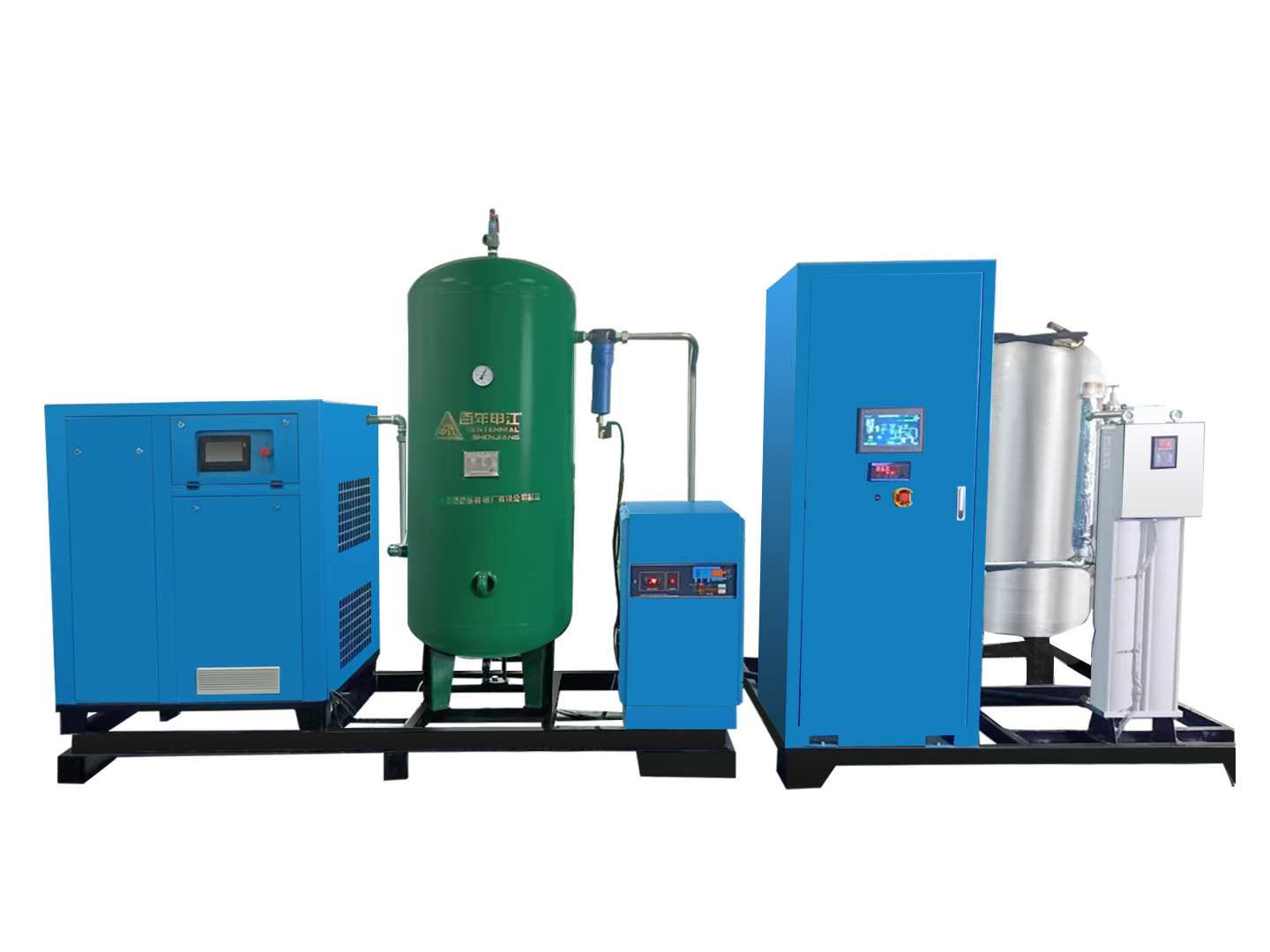
For a mill owner, the bigger benefit is not just lower power cost. It is calmer operations. Pair the PMV screw compressor with an integrated refrigerated air dryer, and you get a cleaner, more stable compressed air supply that helps protect fabric quality while simplifying system layout. Fewer moisture surprises. Fewer quality headaches. More confidence on every shift.
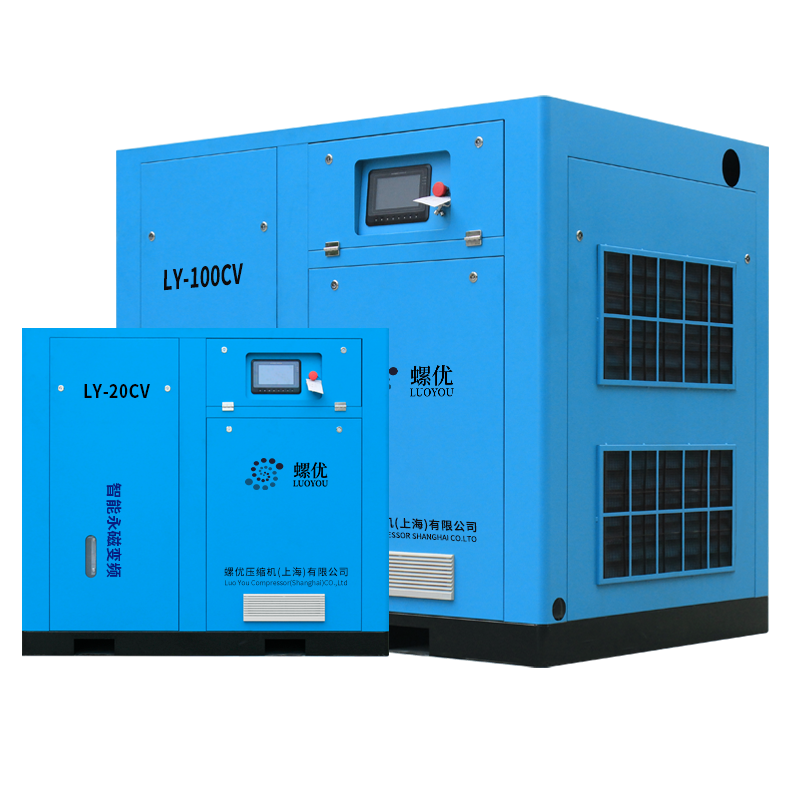
Our integrated systems, including models such as the LY-20CV, are built for continuous industrial duty where reliability matters as much as efficiency.
Sources/standards: AirSpace Machinery internal application data, 2024–2026. Energy-saving figures depend on variable-demand conditions and proper system configuration.
Navigating Regional Challenges: Because Moisture Problems Change by Market
The short answer: your peace of mind depends on matching the dryer system to your local operating reality.
We support global buyers, and textile risk looks different by region. The common thread is simple: if the compressed air system is not configured for local conditions, moisture problems come back fast.
Southeast Asia (SEA) Considerations
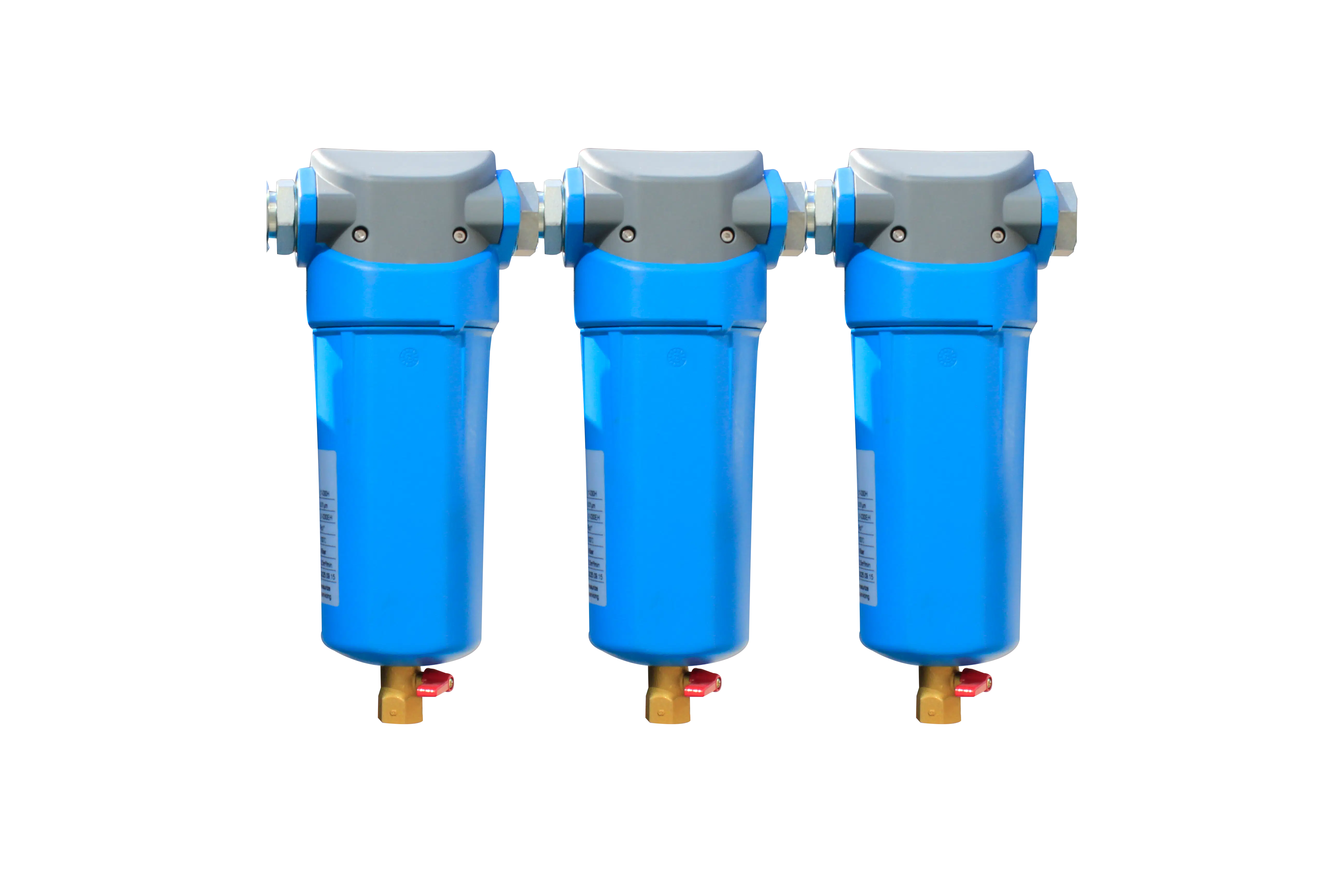
In hot, humid SEA environments, the incoming air already carries a high moisture load. That means the refrigerated dryer must handle tougher conditions to maintain a stable dew point. If the dryer is undersized for high ambient temperature and humidity, you can end up with condensate in downstream piping and moisture defects on product. For many SEA textile mills, careful dryer sizing, drain management, and dew point verification are key to avoiding fabric staining and rejected batches.
LATAM and Grid Stability
In parts of LATAM, power quality and voltage fluctuation can affect compressor and dryer performance. That matters because an unstable system can mean unstable air quality. Our PMV screw compressor packages help reduce startup current through soft-start variable frequency control, which can support smoother operation where grid conditions are less predictable. For mill owners, that means lower risk of process interruptions that snowball into quality loss.
Russia and CIS Winterization
In Russia and CIS markets, cold-weather operation creates a different problem. If compressed air piping passes through unheated areas, condensate management and freeze protection become critical. A refrigerated dryer still plays an important role, but winterization details such as insulation, drainage design, and line protection matter just as much. The goal is the same: keep moisture from turning into production loss.
In every region, the right question is not “Which dryer has the nicest brochure?” It is “Which setup keeps my fabric safe in my actual plant conditions?”
20 Years of Engineering Excellence Means Less Risk for Textile Buyers
The short answer: buyers choose us because they need confidence, not just equipment.
AirSpace Machinery Co., Ltd. brings 20 years of engineering excellence, operates from a 4000m² manufacturing facility, and supports customers with 100M yuan in annual sales. Those numbers matter for one reason: they show we are set up to support industrial buyers who cannot afford trial-and-error purchases.
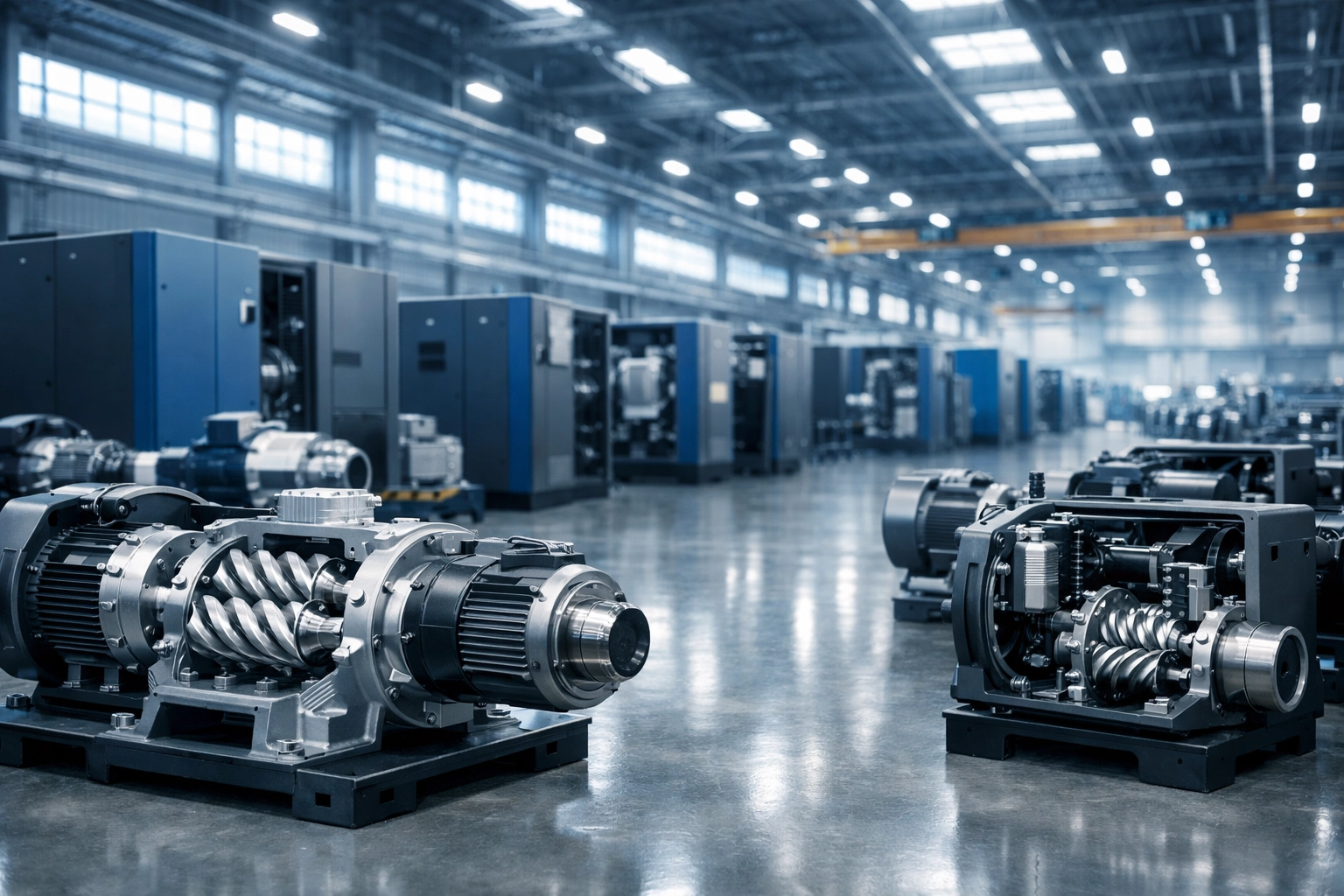
For textile mills, that translates into practical reassurance. You want to know the dryer and screw compressor package will arrive with the right documentation, match your application, and perform as promised. We provide CE and ISO 9001 documentation for qualifying equipment and support buyers who need export paperwork, shipping coordination, and technical confirmation before ordering.
If you need to verify compliance, ask for the CE documentation set and ISO 9001 certificate details before purchase. A serious supplier should be able to provide traceable documentation and product information tied to the quoted configuration. We support that process because global buyers need proof, not just promises.
We also keep lead time wording simple and honest: delivery depends on the final configuration, voltage, and project scope. No fairy tales. Just clear technical alignment before shipment.
Technical Spotlight: Understanding ISO 8573-1
When we talk about air quality, we aren’t just guessing. We follow the International Organization for Standardization (ISO).
| Class | Pressure Dew Point (°C) | Pressure Dew Point (°F) |
|---|---|---|
| 1 | ≤ −70 | ≤ −94 |
| 2 | ≤ −40 | ≤ −40 |
| 3 | ≤ −20 | ≤ −4 |
| 4 | ≤ +3 | ≤ +37.4 |
| 5 | ≤ +7 | ≤ +44.6 |
| 6 | ≤ +10 | ≤ +50 |
For most textile applications, Class 4 is the gold standard reached by refrigerated dryers. It prevents liquid water from forming in your lines without the massive energy cost of desiccant dryers (which target Class 1-3).

Why AirSpace? Because Textile Buyers Need Fewer Surprises
The short answer: we help textile mills protect product quality, energy cost, and purchasing confidence in one package.
Yes, you can buy compressed air equipment from many suppliers. But textile buyers usually care about three things more than brochure language: Will it keep moisture out of my process? Will it run efficiently? Will the supplier support me properly across borders?
Our Variable Frequency Screw Air Compressors use permanent magnet motor technology to maintain efficient operation across varying loads. When paired with the right refrigerated air dryer, the system is designed to reduce moisture risk in textile applications while helping control power consumption.
Just as important, we address the buyer questions that come up before every serious order:
- Can I verify CE and ISO 9001 documentation? Yes. Ask for the relevant certificate and product documentation during quotation review.
- Do you support export logistics? Yes. We support international buyers with export coordination and documentation based on the order configuration and destination.
- How does PMV technology save energy? It matches motor speed to actual demand instead of running at constant full speed. Savings depend on load variation, pressure settings, and operating conditions, but variable-demand textile plants often benefit most.
We have supported applications across multiple industries, including demanding continuous-duty factories. In textiles, the core point stays the same: if the air quality fails, production value is at risk. That is why we focus on systems that help mill owners protect profits and reputation, not just compressed air supply.
Ready to Stop Moisture Loss Before It Hits Your Fabric?
The short answer: if moisture is threatening your batches, your dryer setup deserves attention now, not after the next rejection.
A properly specified refrigerated air dryer can help you avoid stained fabric, unstable quality, and the hidden cost of ruined inventory. That is not just a technical upgrade. It is peace of mind for your mill, your customers, and your shipment schedule.
Get a Proposal
Tell us what your textile line needs, and our engineering team will recommend a suitable solution.
- Required: Working Pressure (bar/psi):
- Required: Air Flow (m³/min or CFM):
- Application: (e.g., Air-jet looms, Spinning, General Maintenance)
Note: Lead times depend on final configuration and voltage requirements (380V/415V/440V).
Author: Penny Winston
Penny is a technical writer at AirSpace Machinery, specializing in industrial automation and energy-efficient compressed air solutions. She spends her days translating complex engineering jargon into actionable advice for factory managers worldwide.
Reviewed by Engineering
This post has been verified by the AirSpace Engineering Department for technical accuracy regarding ISO 8573-1 standards and PMV technology specifications.
Sources:
- ISO 8573-1:2010 – Compressed Air Contaminants and Purity Classes.
- ISO 9001:2015 – Quality Management Systems.
- AirSpace Machinery Internal Testing Data (2024-2026).
📅 Last updated:
⚡ Is Your Factory Bleeding Cash?
Most fixed-speed compressors waste $3,600/year in "Unload Tax." Test your waste level in 30 seconds.
RUN THE ROI TEST →Ready to See How Much Your Facility Can Save?
Fill out the form below for a Free Energy Assessment.