Author: Penny Winston
To maintain diesel-driven portable screw compressors for high reliability in remote operations, you must implement a rigorous regimen of daily fluid inspections, multi-stage air filtration cleaning, and strict adherence to OEM-specified lubricant and separator replacement intervals. In remote environments, reliability is achieved by neutralizing environmental stressors, such as dust, extreme temperatures, and high altitudes, through proactive component monitoring and the use of high-grade synthetic oils that maintain viscosity under load.
At AirSpace Machinery Co., Ltd., we back our maintenance recommendations with 20 years of engineering excellence. Operating from our 4,000m² state-of-the-art manufacturing facility, we produce high-performance screw-type compressors that generate over 100 million yuan in annual sales. Our portable units are specifically engineered to withstand the most demanding field conditions across the globe.
Why Remote Operations Demand a Specialized Maintenance Strategy
Remote sites, whether they are mining operations in the Andes, oil rigs in the Caspian Sea, or construction projects in Southeast Asia, lack the immediate infrastructure for emergency repairs. Therefore, maintenance is not just a “check-box” activity; it is a mission-critical operation.
Portable screw compressors are integrated systems where a diesel engine powers a rotary screw air end. Reliability depends on both systems functioning in harmony. Because these units are often subjected to fluctuating loads and harsh ambient air, the maintenance focus must shift toward preventing contamination and ensuring thermal stability.
The Daily Reliability Checklist: “The Big Five”
Before starting the compressor at a remote site, operators must perform these five essential checks to prevent catastrophic failure:
- Fluid Levels (Engine & Air End): Check both engine oil and compressor cooling oil. Screw compressors rely on oil not just for lubrication, but for sealing the rotors and dissipating heat.
- Coolant Integrity: Ensure the radiator and oil cooler levels are optimal. In remote operations, a small leak can lead to a “thermal runaway” event within minutes of full-load operation.
- Fuel-Water Separation: Diesel engines in remote areas often face lower-grade fuel. Draining the water separator daily prevents injector corrosion and combustion instability.
- Air Filter Pre-cleaners: In dusty environments, check the “cyclone” pre-cleaners. If the air intake is restricted, the screw element works harder, increasing discharge temperatures and fuel consumption.
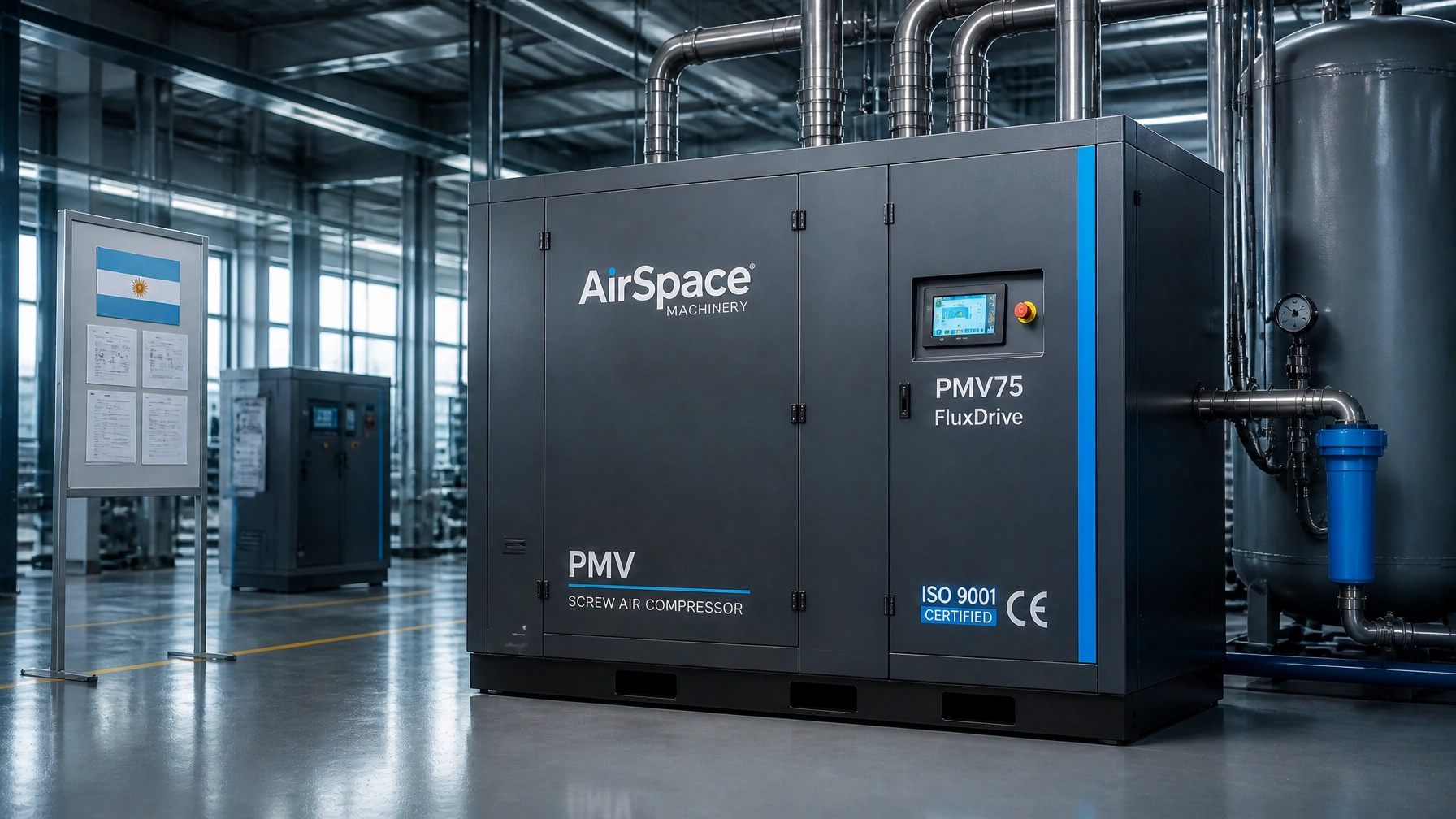
- Control Panel Diagnostics: Modern units, like those engineered by AirSpace Machinery, feature digital monitoring systems. Check for any stored fault codes related to pressure or temperature anomalies before beginning the shift.
Advanced Filtration: The First Line of Defense Against Dust
In remote mining or quarrying, dust is the primary enemy of the screw compressor. If particulates enter the screw element, they can score the precision-machined rotors, leading to a permanent drop in volumetric efficiency.
- Air Filter Servicing: We recommend cleaning air filters every 100 hours of operation in high-dust environments. The primary filter should be replaced every 1,000 hours, while the safety element must be replaced every 2,000 hours.
- The Oil Separator Element: This is a critical screw-specific component. It separates the cooling oil from the compressed air. If this element becomes clogged, back-pressure increases, leading to higher energy (fuel) consumption and potential oil carryover into the air lines.
Lubrication Management and Oil Quality Standards
For diesel-driven portable units, the oil serves three purposes: cooling, sealing, and lubricating. Using the wrong grade of oil in a remote location is a recipe for failure.
AirSpace Machinery recommends using high-quality synthetic lubricants that meet ISO 6743-3:2003 standards for rotary screw compressors. These oils resist oxidation at high temperatures, which is common when units run at 100% duty cycles in remote areas.
- Oil Change Intervals: Typically every 1,000 hours, but this should be halved if operating in ambient temperatures consistently above 40°C.
- Filter Replacements: Always replace the oil filter whenever the oil is changed. A clean filter ensures that the “bypass valve” does not open, which would otherwise allow unfiltered oil to reach the screw rotors.
Regional Considerations: Adapting to Global Environments
Maintenance requirements shift significantly based on the geographic location of your project.
Southeast Asia (SEA): Humidity and Moisture Control
In high-humidity regions, moisture accumulation in the oil tank is common during “off” cycles. Operators must drain the condensate from the bottom of the oil receiver tank every morning before startup. Failure to do so leads to oil emulsification, which destroys the lubricating properties and causes rotor rust.
Latin America (LATAM): High Altitude Adjustments
At high altitudes, air is less dense, which affects both the cooling capacity of the radiators and the power output of the diesel engine. Maintenance should include checking the fan belt tension more frequently to ensure maximum airflow across the coolers.
Russia/CIS: Cold Weather Winterization
For operations in freezing climates, using the correct “winter grade” diesel and low-viscosity synthetic oils is non-negotiable. Ensure that the canopy heaters and “glow plugs” are tested before the winter season begins. AirSpace Machinery’s solutions often include cold-start kits specifically designed for these regions.
Professional Inspections and Structural Integrity
Beyond the engine and air end, the “portability” aspect of the unit requires maintenance. Remote operations often involve towing units over rough terrain.
- Fasteners and Connections: Every 500 hours, inspect all hose clamps, engine mounts, and cabinet bolts. Vibration from the diesel engine combined with rough site transport can loosen critical connections.
- Cooler Cleaning: Use compressed air or a low-pressure power wash to clean the external fins of the oil cooler and radiator. A layer of mud or dust as thin as 2mm can reduce cooling efficiency by 20%.
Technical Specifications for Remote Reliability
When specifying a unit for remote work, look for the following engineering benchmarks:
- Certification: Ensure the unit is CE and ISO 9001 certified to guarantee build quality and safety compliance.
- Pressure Range: Remote applications typically require flexibility, with units capable of 7 to 13 bar (100 to 190 psi).
- Flow Rate: Ensure the m³/min or CFM rating accounts for altitude “derating” if working above 2,000 meters.
The AirSpace Machinery Advantage
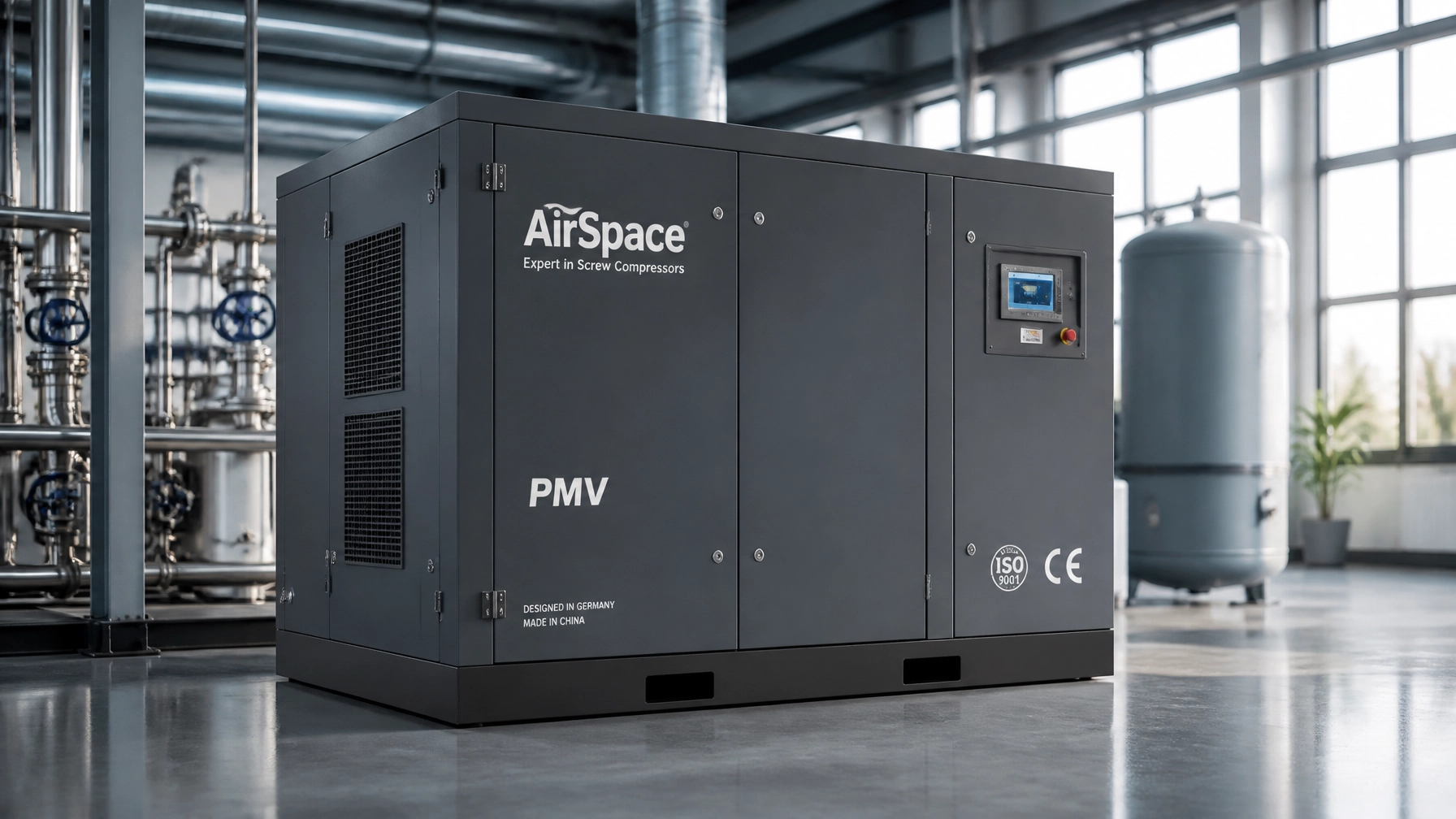
Our engineering team prioritizes “Maintenance-Friendly” designs. By utilizing Permanent Magnet Variable Frequency (PMV) technology in our electric range and high-torque diesel engines in our portable range, we ensure that every unit leaving our 4,000m² facility is built for longevity. With over 100 million yuan in annual sales, our global footprint is a testament to the reliability of our screw-type compressors.
We provide comprehensive documentation and export support to ensure that your local technicians have the schematics and parts lists necessary to keep your project moving.
Sources & Standards:
- ISO 8573-1:2010 (Compressed Air Contaminants and Purity Classes)
- ISO 9001:2015 (Quality Management Systems)
- CE (European Conformity) Machinery Directive 2006/42/EC
Get a Proposal
If you are planning a remote operation and require a diesel-driven or PMV screw compressor that won’t let you down, contact our engineering team today. Please provide your required operating pressure (bar/psi) and air flow (m³/min or CFM) so we can provide an accurate technical configuration.
Lead times depend on specific configuration and regional shipping requirements.
Reviewed by Engineering
📅 Last updated:
⚡ Is Your Factory Bleeding Cash?
Most fixed-speed compressors waste $3,600/year in "Unload Tax." Test your waste level in 30 seconds.
RUN THE ROI TEST →Ready to See How Much Your Facility Can Save?
Fill out the form below for a Free Energy Assessment.