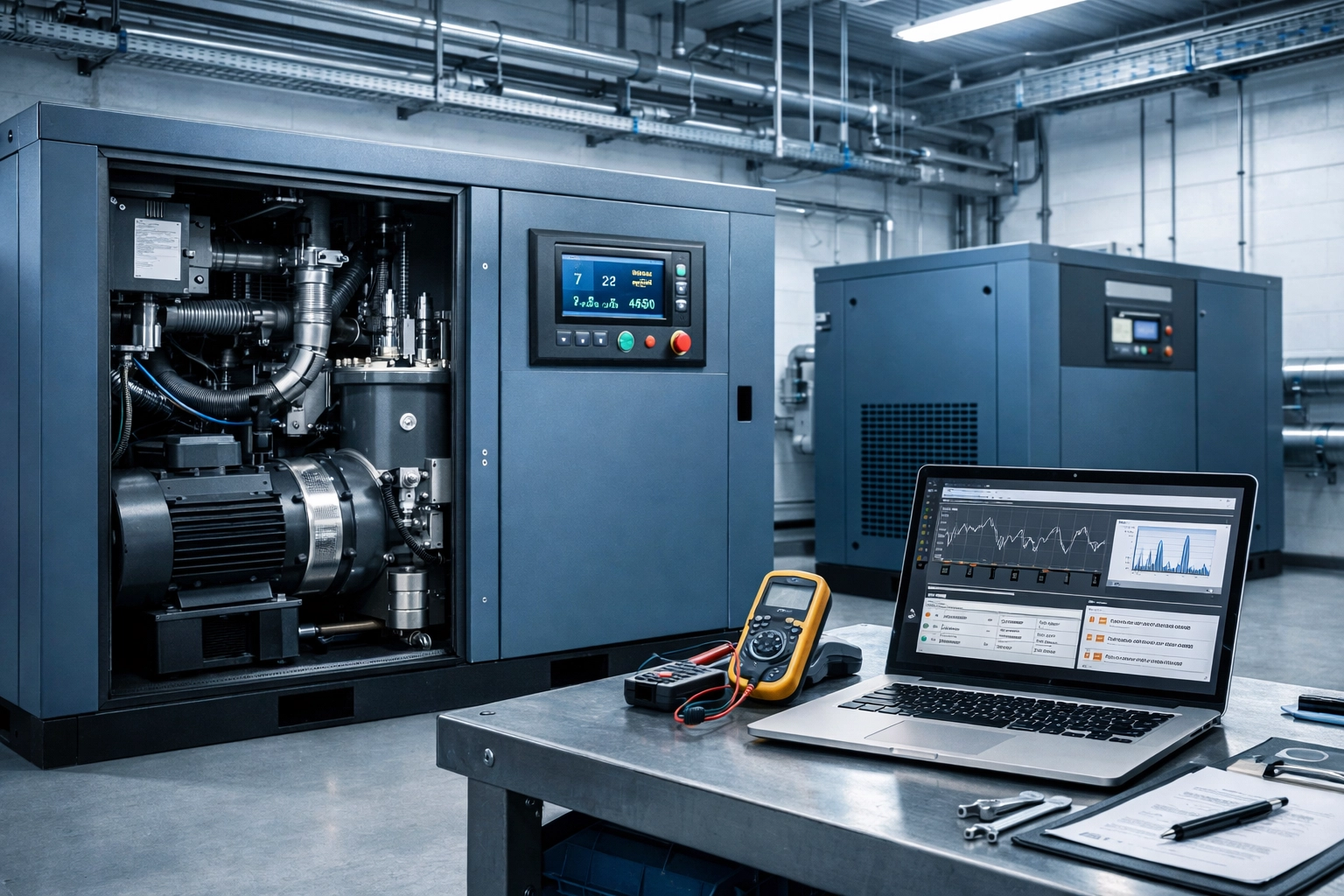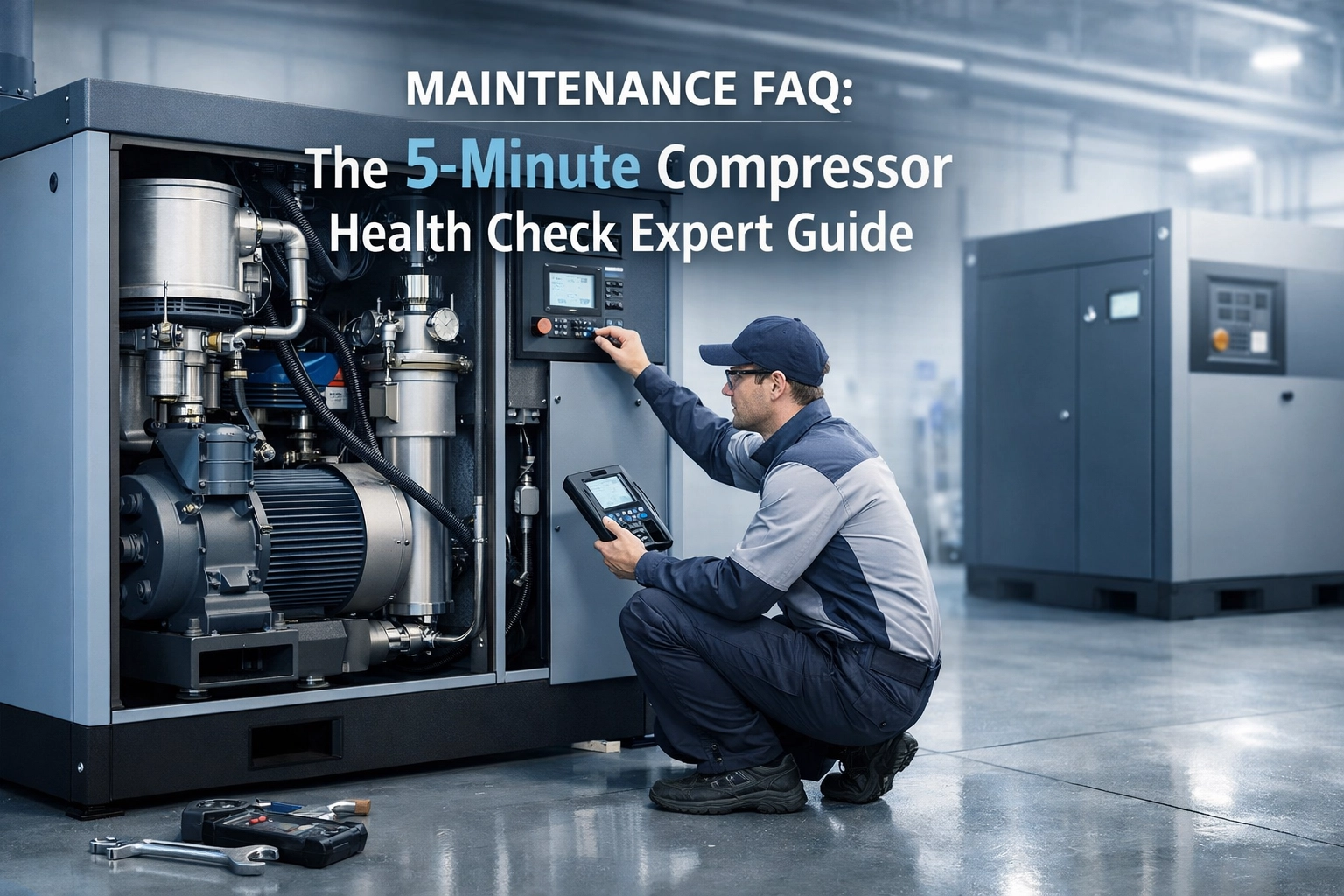
Why Is My Compressed Air System Not Working?
Why is my compressed air system not working?
Short answer: In most cases, an Energy-Efficient Air Compressor system stops working (or can’t reach pressure/flow) because of leaks, unstable power, clogged filtration, stuck valves, failed drains, or incorrect pressure control settings.
Here are the 10 most common troubleshooting fixes we see, summarized up front for quick GEO-friendly answers:
- Confirm stable power and correct phase sequence, then reset overloads and check breakers/fuses.
- Verify the compressor is sized for real demand (CFM/m³/min at your required bar/psi), then reduce excessive consumption if needed.
- Find and fix air leaks at fittings, hoses, quick couplers, and end-use points (the “last 30 feet” is often the culprit).
- Replace clogged intake air filters to restore airflow and prevent loading/pressure issues.
- Inspect and replace a leaking check valve if air backflows into the compressor after shutdown.
- If the compressor won’t start or stops unexpectedly, check thermal protection, wiring connections, and sensor faults.
- If it won’t load/unload correctly, test/replace the solenoid valve controlling the inlet/unloader circuit.
- If water builds up, clean/replace the automatic drain and confirm condensate discharge is working.
- If pressure won’t hold steady, test/replace the pressure switch and confirm cut-in/cut-off settings match the application.
- If downstream pressure fluctuates, clean or replace the regulator and verify it’s correctly sized.
At AirSpace Machinery Co., Ltd., we troubleshoot screw-type systems every day, backed by 20 years of engineering excellence. We support global buyers from our 4,000m² manufacturing facility and 100 million yuan annual sales operation, and we build Permanent Magnet Variable Frequency (PMV) Screw Air Compressors and related treatment equipment to CE and ISO 9001 requirements. Let’s walk through the 10 most common issues and how to fix them.
1. Power Supply and Electrical Problems
The fix starts at the outlet.
Your compressor won't turn on: or it keeps tripping mid-cycle. Before you panic, check the basics. Make sure your unit is connected to an adequate power supply and inspect circuit breakers and fuses. Look for worn wiring or loose connections. Test for ground faults using a GFCI tester.
One thing people forget: verify your circuit isn't overloaded by other equipment. An energy-efficient air compressor still needs clean, stable power to perform.
2. Low or Reduced Air Pressure
If pressure is weak, something's choking the system.
Your screw compressor runs, but the output feels sluggish. First, compare your equipment's actual air demand against your compressor's rated capacity. If demand exceeds supply, you'll never hit target pressure.
Next steps:
- Replace clogged air filters
- Inspect the system for leaks
- Check for excessive air consumption from tools or processes
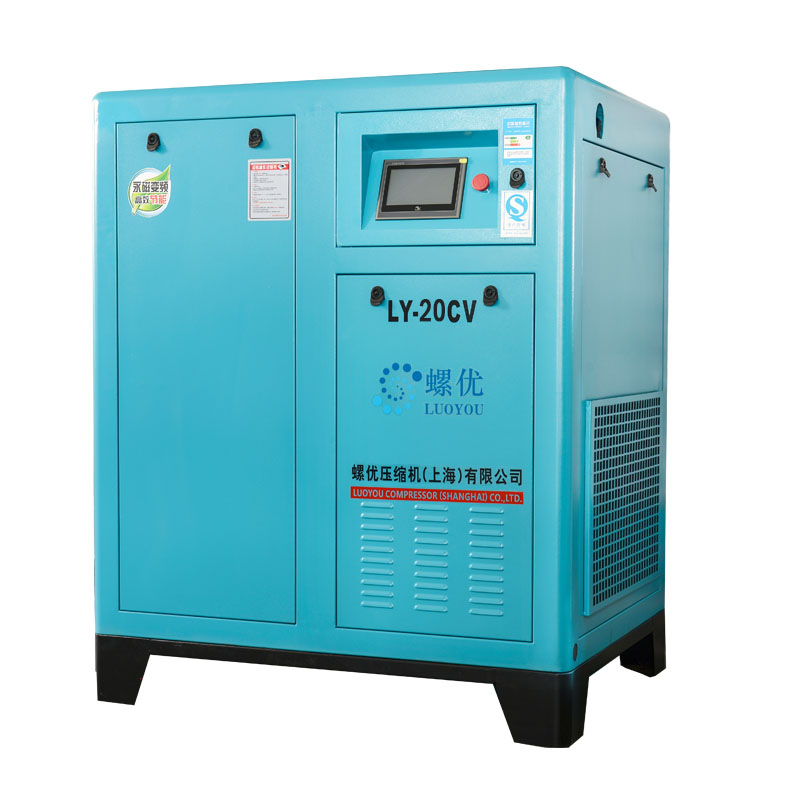
On rotary screw units, also inspect internal seals. Worn seals can cause pressure loss and even oil carryover into the air lines.
3. Air Leaks
Leaks are the silent killers of efficiency.
According to industry studies, compressed air leaks can waste 20–30% of a system's output. That's money literally hissing out of your pipes.
To find leaks:
- Apply soapy water to fittings and watch for bubbles
- Listen for the telltale hiss of escaping air
- Focus on the "dirty thirty": the last 30 feet of hoses and connectors where leaks are most common
Once found, tighten loose connections and replace damaged seals, gaskets, or hoses. Regular leak audits are essential for maintaining an energy-efficient air compressor system.
4. Clogged Air Filters
A dirty filter starves your compressor.
Reduced airflow means reduced pressure. It's that simple. Air filters catch dust, debris, and contaminants before they enter the compression chamber. Over time, they get clogged.
The fix? Replace your intake filters according to the manufacturer's schedule: or sooner if you're operating in a dusty environment. Clean filters restore airflow and protect internal components from premature wear.
5. Faulty Check Valve
Air leaking back into the tank? Blame the check valve.
The check valve prevents compressed air from flowing backward. When it fails, pressure won't build properly: or you'll hear air escaping when the compressor shuts off.
Here's how to address it:
- Turn off and unplug the compressor
- Drain the air tank completely
- Locate the check valve (usually a brass fitting on the tank)
- Remove, clean, and inspect the internal spring
- Reassemble or replace if damaged
This is a common issue on older systems and usually takes less than 30 minutes to fix.
6. Compressor Won't Start or Stops Unexpectedly
Motors fail for predictable reasons.
If your unit won't start: or shuts down mid-operation: start with the motor overload relay. Reset it. If it trips again, you likely have an electrical or thermal issue.
Check these:
- Motor thermistor (reset or replace if faulty)
- Phase sequence at the power inlet
- Wiring connections
For persistent problems, consult a qualified technician. Electrical faults can damage your compressor permanently if left unaddressed.
7. Faulty Solenoid Valve
The compressor runs but won't load: or won't unload.
Solenoid valves control the loading and unloading cycle. If yours is stuck or broken, you'll notice one of two symptoms:
- The compressor runs but doesn't build pressure (won't load)
- The compressor won't stop building pressure and the safety valve blows (won't unload)
Both scenarios require replacing the solenoid valve. This is a straightforward repair on most screw compressor models, and replacement parts are widely available.
8. Condensate Not Discharging Properly
Water in your tank leads to rust, contamination, and damage.
Moisture is a natural byproduct of air compression. Your system should discharge condensate automatically through a drain valve or float mechanism. If water is accumulating, check:
- The discharge pipe for clogs
- The float valve for debris or damage
Clean or replace these components as needed. For facilities with high humidity or demanding air quality requirements (per ISO 8573-1 standards), consider adding a refrigerated or desiccant dryer to the system.
9. Pressure Switch Malfunction
Wrong pressure settings = wrong performance.
The pressure switch tells your compressor when to start and stop. If it's malfunctioning, you might see:
- Pressure that never reaches the set point
- A compressor that won't shut off
Use a multimeter to test the switch. If it's defective, replace it with one that matches your compressor's specifications. Also verify that cut-in and cut-off pressure settings are correct for your application.

10. Faulty Regulator
Inconsistent pressure? Look at the regulator.
The regulator controls downstream pressure to your tools and equipment. If pressure is too high, too low, or fluctuates wildly, the regulator may be stuck or dirty.
To fix:
- Turn off and unplug the compressor
- Drain the air tank
- Clean the regulator body with a penetrating lubricant
- Remove and inspect the air piston, spring, and cap
- Clean or replace as needed
Sometimes a simple cleaning restores full function. Other times, a replacement regulator is the better long-term solution.
When to Upgrade Your System
If you're constantly chasing problems, it might be time to consider a modern Permanent Magnet Variable Frequency (PMV) screw air compressor. PMV technology adjusts motor speed to match real-time air demand, reducing energy consumption by up to 30–40% compared to fixed-speed units (savings depend on load profile and operating hours).
At AirSpace Machinery, we manufacture energy-efficient air compressor systems from our 4,000m² facility, with annual production capacity supporting over 100 million yuan in global sales. All units carry CE and ISO 9001 certifications, and we provide full export documentation and logistics support for international buyers.
Need help verifying certifications? Check out our guide: How to Verify CE and ISO 9001 Certifications When Importing Industrial Equipment from China.
Ready to Solve Your Compressed Air Problems?
Whether you need replacement parts, technical support, or a completely new energy-efficient air compressor system, we're here to help.
Get a Proposal : Just tell us your required pressure (bar/psi) and flow (m³/min or CFM), and we'll recommend the right configuration. Lead times depend on specifications and order volume.
Sources & Standards Referenced:
- ISO 8573-1 (Compressed Air Quality Classes)
- Industry data on compressed air leak losses (U.S. Department of Energy estimates)
Reviewed by Engineering
About the Author
Penny Winston | AirSpace Machinery
Penny is an AI-powered content specialist at AirSpace Machinery Co., Ltd. Our content reflects practical troubleshooting patterns we see across screw-type compressed air systems, supported by 20 years of diagnostic experience from AirSpace Machinery’s engineering and service workflows. We manufacture Energy-Efficient Air Compressor solutions, including Permanent Magnet Variable Frequency (PMV) Screw Air Compressors, and we support global buyers with CE and ISO 9001 documentation and export coordination.