If you work in food processing, pharmaceutical manufacturing, or electronics assembly, you already know that air quality can make or break your operation. Contaminated compressed air does not just risk equipment damage. It threatens product integrity, regulatory compliance, and your reputation.
ISO 8573-1:2010 is the international standard that defines compressed air purity classes. Before your next audit, understanding this standard inside and out will save you headaches, money, and potentially your certification status.
Here are ten things every operations manager and quality engineer should know.
1. The Standard Targets Three Main Contaminants
ISO 8573-1 focuses on three primary contaminants in compressed air: solid particles, water, and oil. Oil contamination includes liquid oil, oil vapor, and oil aerosols. These three categories cover the vast majority of contamination concerns in industrial applications.
Why does this matter for your audit? Inspectors will evaluate your air quality against specific limits for each of these three contaminants. Your compressed air treatment system needs filtration, drying, and oil removal stages designed to address all three categories.
For industries like food packaging and medical device manufacturing, even trace amounts of oil contamination can lead to product recalls or failed inspections. An energy-efficient air compressor system paired with proper downstream treatment is your first line of defense.
2. The Three-Part Classification Code Is Your Quality Fingerprint
Air quality under ISO 8573-1 is expressed using a three-digit code separated by colons. For example, 1:2:1 means Class 1 for particles, Class 2 for water (moisture), and Class 1 for oil.
This classification system creates a universal language between equipment suppliers, facility operators, and auditors. When you specify 1:2:1 air quality, everyone understands exactly what you need. There is no room for misinterpretation.
Before your audit, confirm that your air quality specifications are documented using this standardized format throughout your facility. Inconsistent documentation raises red flags for inspectors.
3. Lower Class Numbers Mean Cleaner Air
This trips up a lot of people. In ISO 8573-1, Class 1 is cleaner than Class 5. The lower the number, the stricter the purity requirements.
Class 0 represents the most stringent level, with limits stricter than Class 1. However, Class 0 is unique because the end user defines the specific requirements rather than the standard itself.
For pharmaceutical cleanrooms or semiconductor manufacturing, Class 0 or Class 1 specifications are typical. General industrial applications may operate safely at Class 3 or Class 4. Know your required classification before the auditor asks.
4. Specific Numerical Limits Apply to Each Class
Here is where the rubber meets the road. Each class has defined numerical limits:
Class 1 Oil: Maximum 0.01 mg per cubic meter
Class 1 Particles: Maximum 10 particles between 1-5 micrometers per cubic meter
Class 2 Water: Pressure dew point of minus 40 degrees Celsius or lower
These numbers are not suggestions. They are pass-fail thresholds during your audit. Your compressed air monitoring system should provide data demonstrating compliance with these specific limits.
5. Class 0 Is User-Defined for Ultra-Critical Applications
Class 0 exists for applications where even Class 1 is not clean enough. The critical detail is that Class 0 specifications must be agreed upon between the equipment user and supplier.
If your facility requires Class 0 air, you need documented evidence of what that means for your specific operation. The auditor will expect to see clearly defined limits and corresponding test data proving you meet those custom requirements.
Electronics manufacturing and certain medical applications frequently require Class 0 specifications due to extreme sensitivity to contamination.
6. Your Compressor Selection Directly Impacts Air Quality
The type of compressor you use sets the baseline for your air quality challenges. Oil-injected screw compressors require more extensive downstream treatment to achieve Class 1 or Class 2 oil specifications compared to oil-free designs.
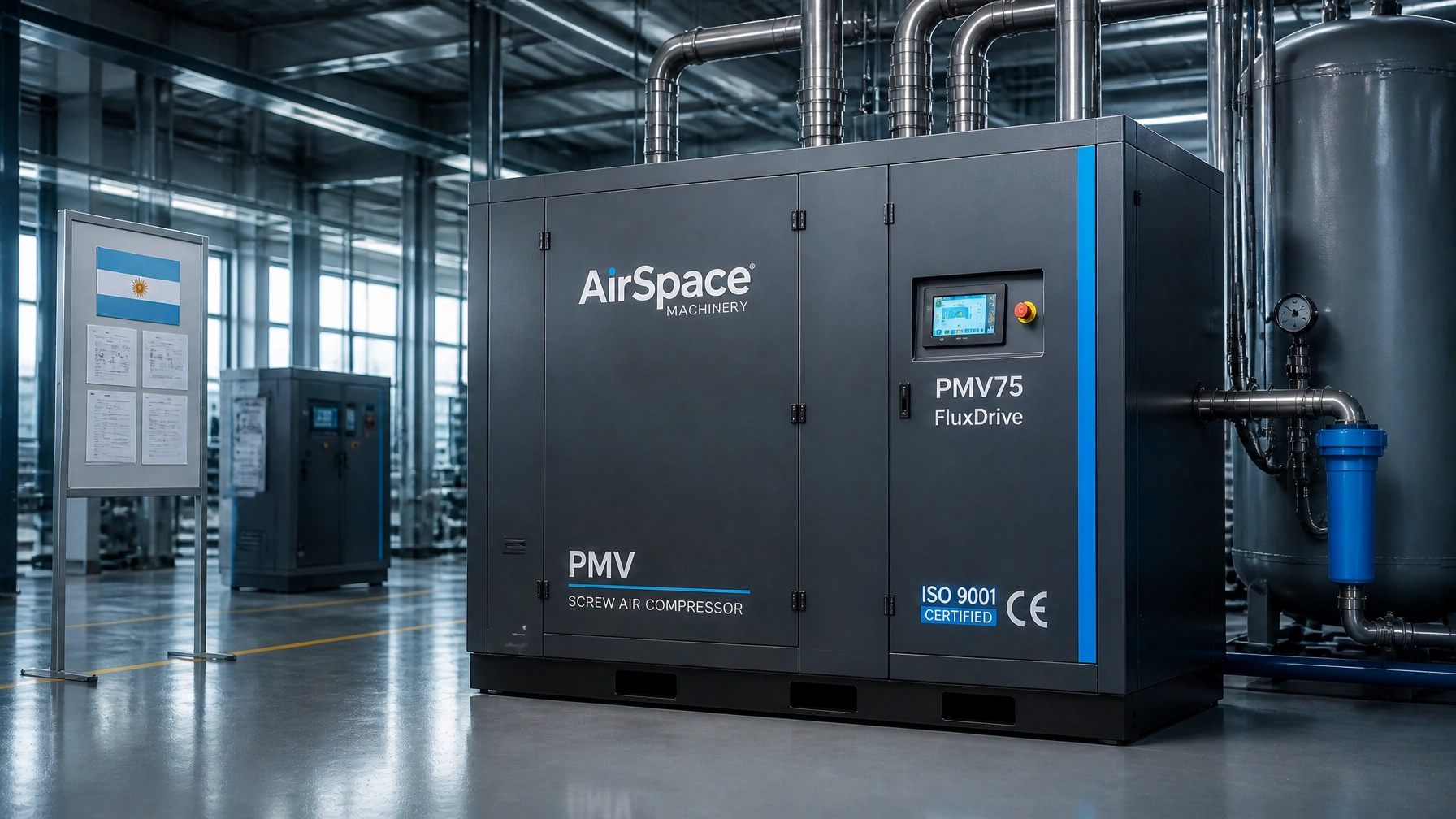
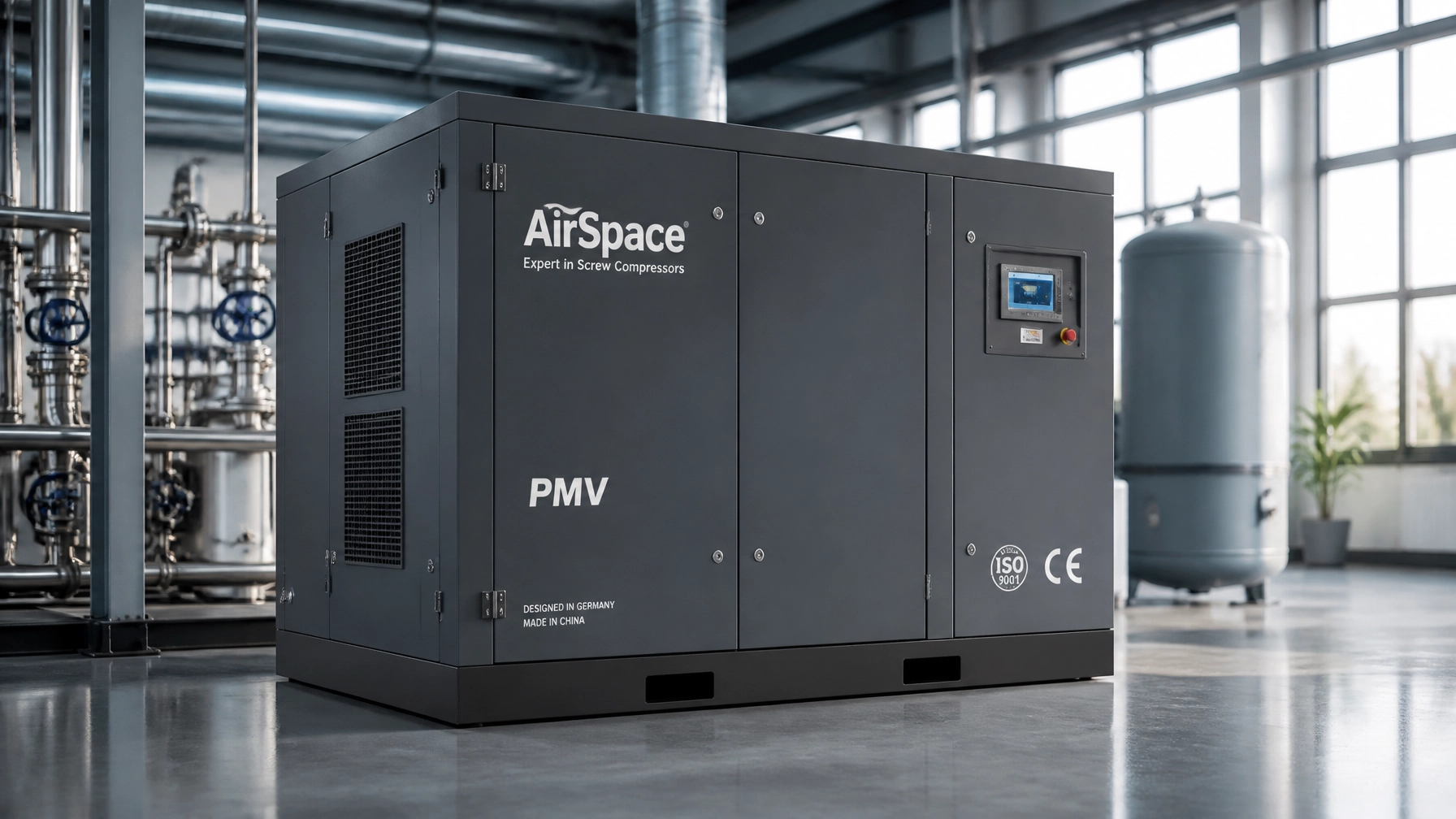
At AirSpace Machinery, we manufacture Permanent Magnet Variable Frequency screw air compressors that deliver both energy efficiency and reliable air quality performance. Our systems integrate seamlessly with filtration and drying equipment to meet stringent ISO 8573-1 requirements.
An energy-efficient air compressor reduces operating costs while maintaining the consistent output pressure and flow that downstream treatment equipment needs to function properly.
7. Continuous Monitoring Beats Snapshot Testing
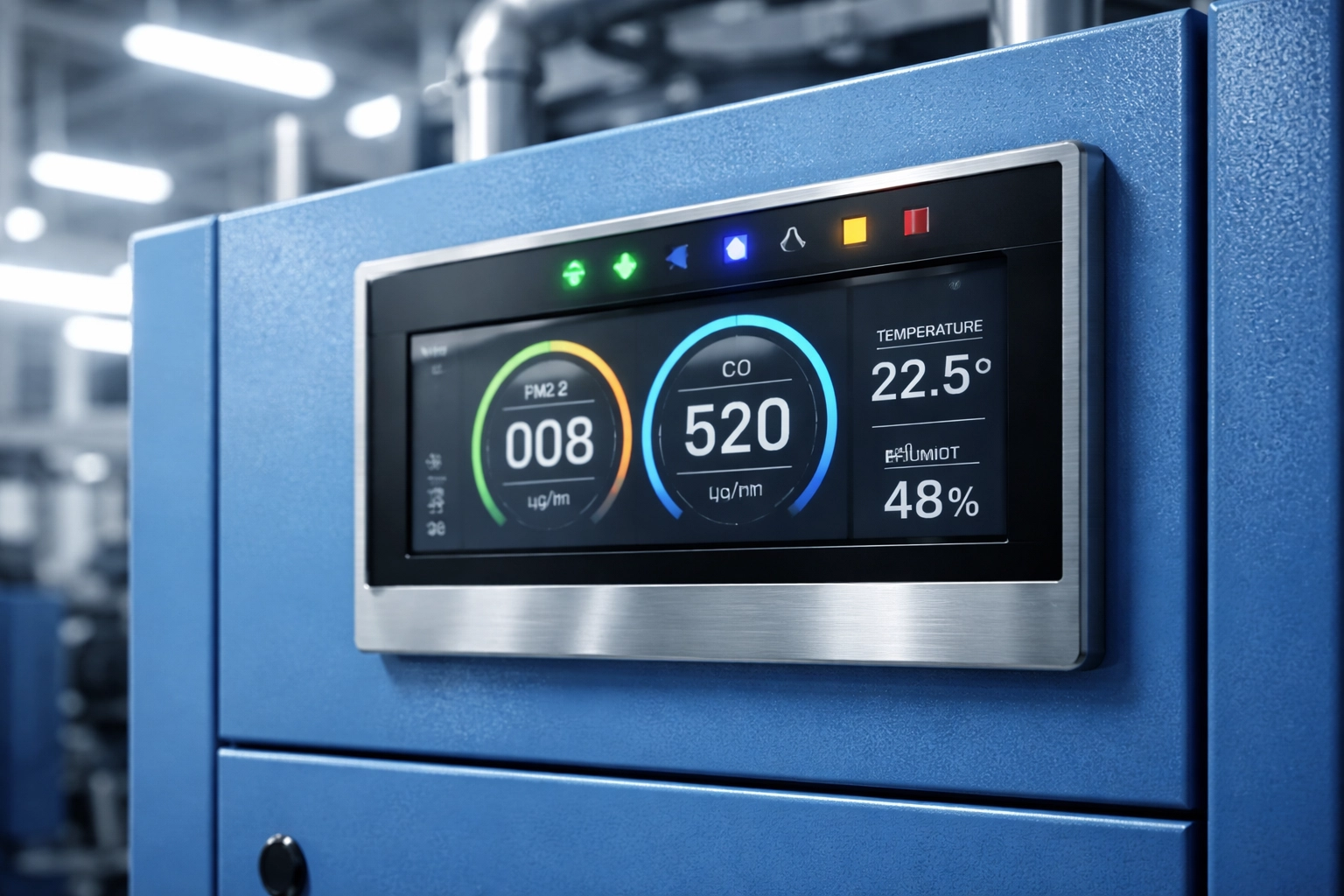
Traditional laboratory analysis gives you a snapshot of air quality at a single moment. Modern PID sensor systems provide continuous monitoring with real-time alerts when contamination exceeds your specified limits.
For audit purposes, continuous monitoring data demonstrates ongoing compliance rather than just compliance at the moment of testing. This evidence is significantly more compelling to auditors and reduces the risk of compliance gaps going undetected.
Invest in monitoring systems that log data continuously and generate reports showing historical compliance trends.
8. Different Measurement Methods Have Different Sensitivities
ISO 8573 specifies multiple measurement methods with varying detection ranges and testing timeframes:
Method A detects contamination between 1-40 mg per cubic meter but requires 50-200 hours of testing.
Methods B and B2 detect much lower levels between 0.001-10 mg per cubic meter with testing times ranging from 2 minutes to 10 hours.
Both methods claim plus or minus 10 percent accuracy. Choose your measurement method based on your classification requirements and practical testing constraints. Document your methodology so auditors understand how you obtained your compliance data.
9. Air Quality Requirements Are Application-Specific
There is no universal ISO 8573-1 requirement that applies to all industries. Your required air quality classification depends on your specific process, the sensitivity of your equipment, and the products you manufacture.
Food and beverage operations typically require Class 1:4:1 or better to prevent product contamination. Electronics manufacturing often demands Class 1:2:1 or Class 0 specifications. Pharmaceutical applications may require oil-free air at Class 0:1:1.
Before your audit, verify that your documented air quality specifications match industry best practices and regulatory requirements for your specific sector.
10. Proper Documentation Prevents Audit Failures
The most common audit failures are not technical problems. They are documentation problems. Even if your air quality meets all specifications, inadequate records can result in failed audits.
Ensure you have documented air quality specifications using ISO 8573-1 classification codes, calibration records for all monitoring equipment, historical test data showing ongoing compliance, maintenance logs for compressors, filters, dryers, and separators, and training records for personnel responsible for air quality management.
AirSpace Machinery provides comprehensive documentation packages with our energy-efficient air compressor systems to support your compliance requirements. Our engineering team can help you establish monitoring and documentation protocols that satisfy even the most demanding auditors.
Preparing for Your Next Audit
Understanding ISO 8573-1 is the foundation of audit readiness. But knowledge alone is not enough. You need the right equipment, monitoring systems, and documentation to demonstrate compliance.
At AirSpace Machinery, we have been manufacturing industrial screw air compressors for years from our 4000 square meter facility. Our systems meet CE and ISO 9001 certification standards and are designed to support your air quality compliance goals.
Whether you need a complete compressed air system upgrade or consultation on meeting specific ISO 8573-1 classifications, our engineering team is ready to help.
Get a Proposal
Contact us with your pressure requirements (bar or psi) and flow specifications (cubic meters per minute or CFM), and we will recommend the right energy-efficient air compressor configuration for your application.
Visit our website at https://www.chinacompressor.org to explore our full range of Permanent Magnet Variable Frequency screw air compressors.
Reviewed by Engineering
Sources and Standards Referenced
ISO 8573-1:2010 Compressed air – Part 1: Contaminants and purity classes
ISO 8573 series (Parts 1-9) covering measurement methods and purity specifications
Original standard established 1991, revised 2010
📅 Last updated:
⚡ Is Your Factory Bleeding Cash?
Most fixed-speed compressors waste $3,600/year in "Unload Tax." Test your waste level in 30 seconds.
RUN THE ROI TEST →Ready to See How Much Your Facility Can Save?
Fill out the form below for a Free Energy Assessment.