Compressed air is often called the fourth utility in manufacturing facilities. It powers pneumatic tools, operates production lines, and keeps operations running smoothly across industries worldwide. Yet most plant managers have no idea that their compressed air system operates at only 60% to 70% efficiency on a good day.
That means up to 40% of the energy you pump into compressed air production simply vanishes. For a facility running multiple screw air compressors around the clock, this inefficiency translates to thousands of dollars wasted every single month.
AirSpace Machinery has spent years helping manufacturers identify and eliminate these hidden costs. Here are the ten most common reasons your compressed air system is bleeding money and exactly how to fix each one.
Reason 1: Undetected Air Leaks Throughout Your System
Air leaks represent the single largest source of waste in compressed air systems. Industry data shows that leaks consume between 20% and 30% of a typical compressor’s output. Some poorly maintained systems experience leak rates as high as 55% of total capacity.
Think about that for a moment. More than half of the compressed air you generate could be escaping through fittings, hoses, valves, and aging pipe connections before it ever reaches your production equipment.
The fix is straightforward but requires commitment. Conduct a systematic leak audit using an ultrasonic acoustic detector or apply soapy water to suspect connections. Prioritize repairs starting with the largest leaks first. Many facilities recover their audit investment within weeks through reduced energy consumption.
Reason 2: Running an Oversized Compressor for Current Demand
Facilities often install compressors sized for projected growth or peak demand scenarios that rarely materialize. The result is a screw air compressor running at part-load most of the time, cycling on and off inefficiently and wearing down components faster than necessary.
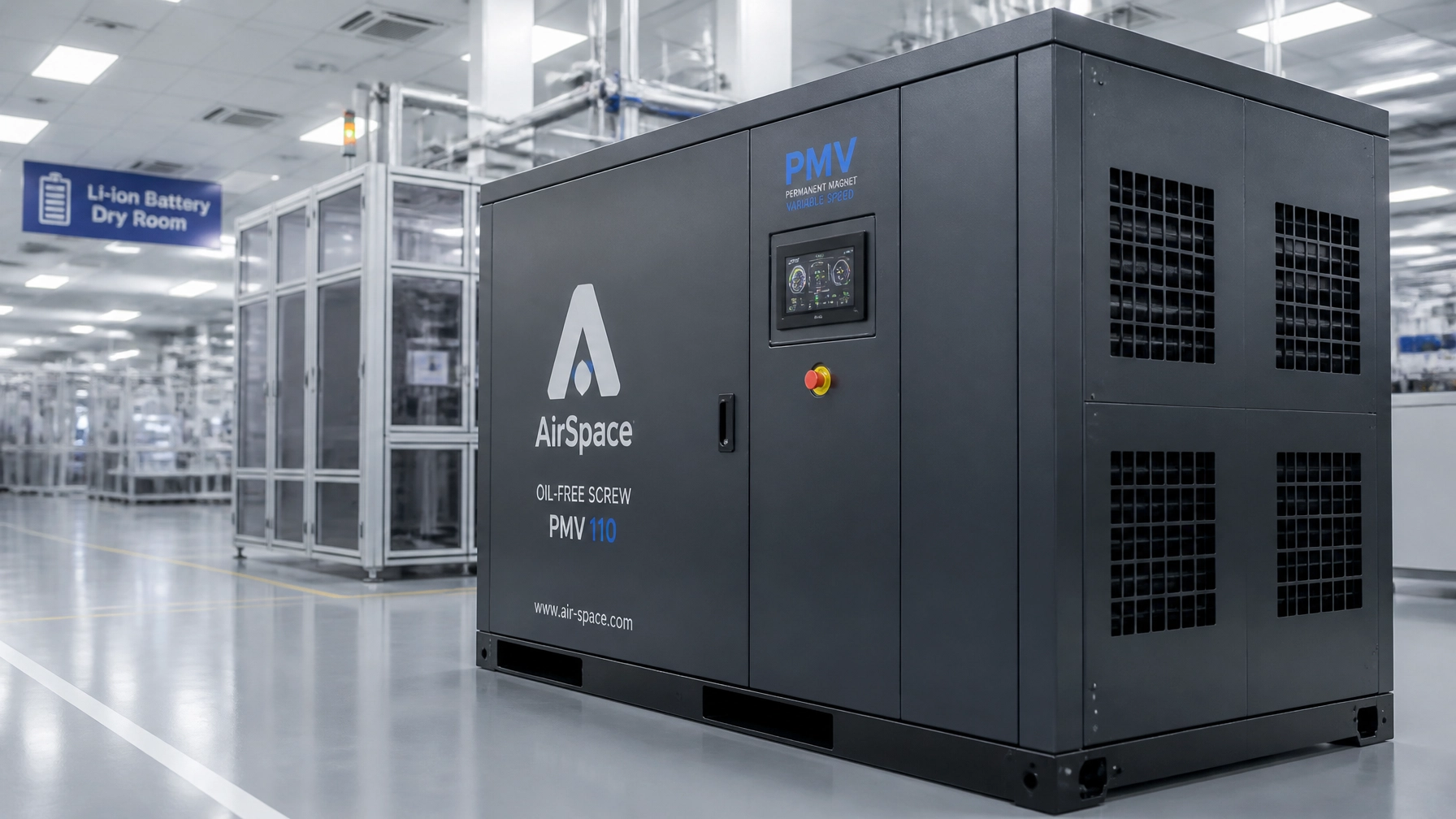
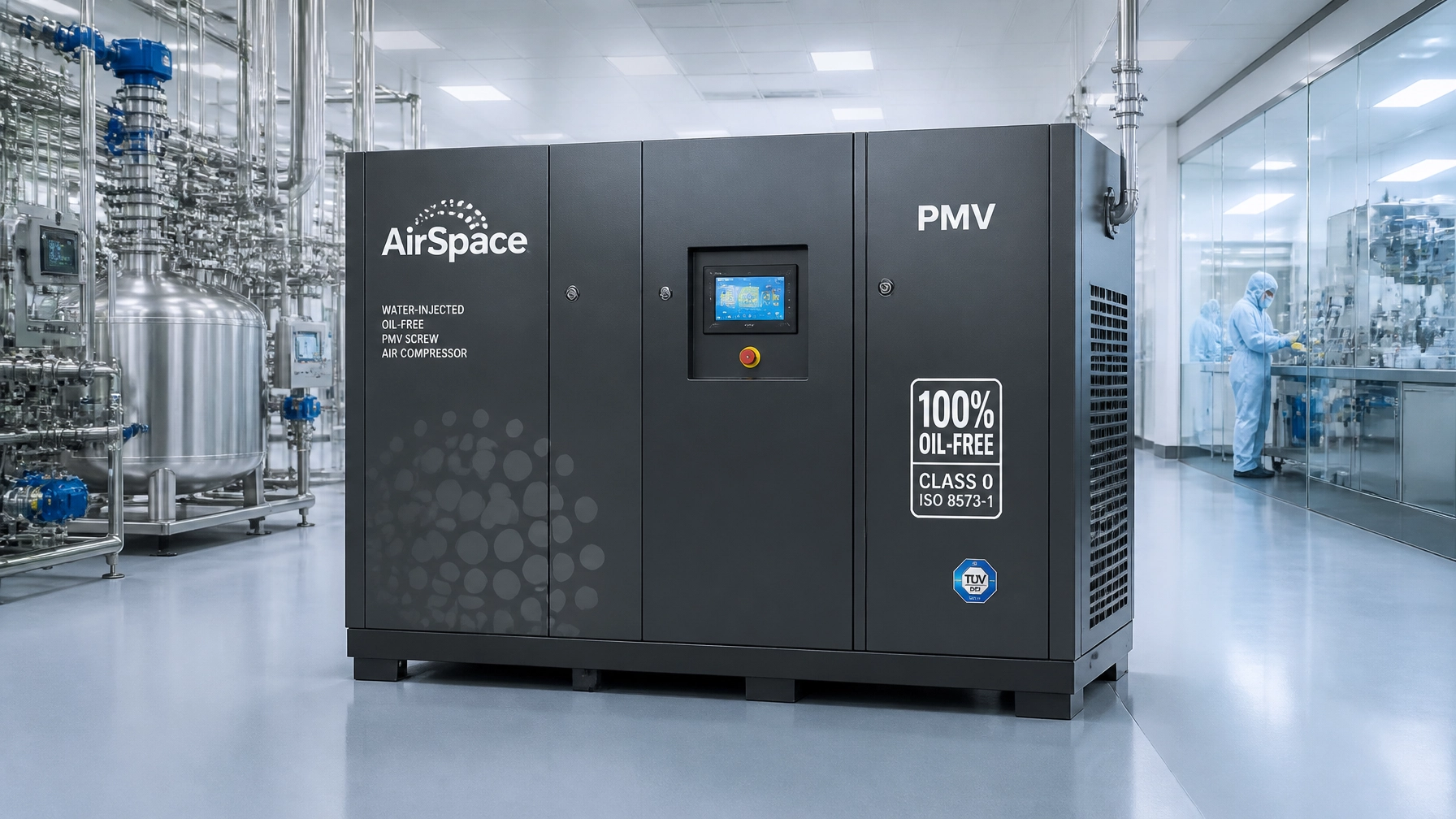
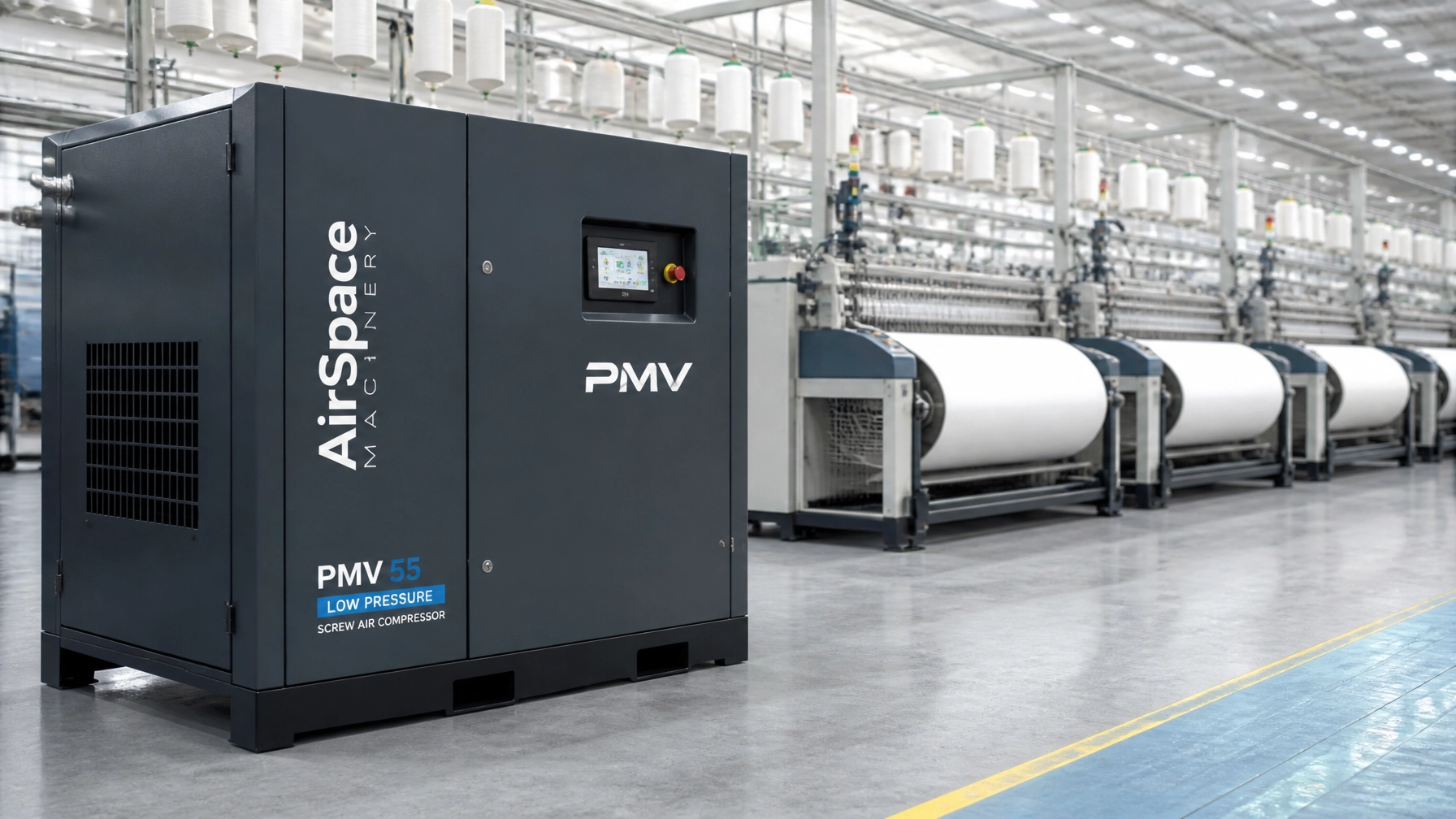
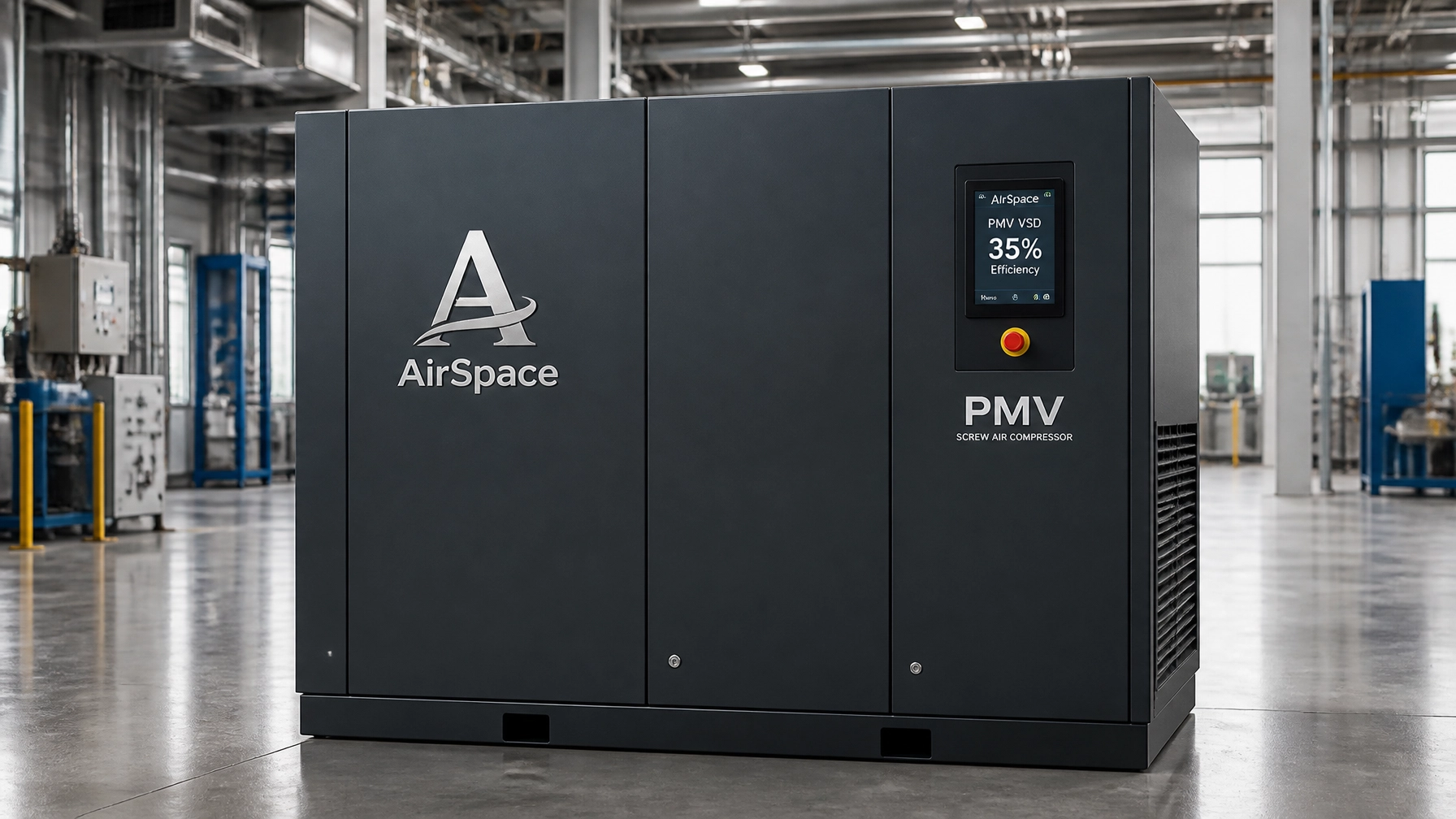
Modern Permanent Magnet Variable Frequency (PMV) screw air compressors solve this problem elegantly. Variable speed drive technology adjusts compressor output to match actual real-time demand rather than running at fixed capacity. This approach eliminates wasteful part-load operation and can reduce energy consumption by 35% or more compared to fixed-speed units.
Reason 3: Excessive System Pressure Beyond Operational Needs
Many operators set system pressure higher than necessary as a buffer against pressure drops or perceived performance issues. This seemingly harmless practice costs real money.
For every 2 PSI increase in system pressure, energy consumption rises by approximately 1%. A system running 20 PSI above actual requirements wastes roughly 10% of total energy input.
Evaluate the actual pressure requirements at each point of use. Consider installing a dedicated high-pressure compressor for specific applications rather than running the entire system at elevated pressure. Right-sizing pressure delivery to match actual operational needs delivers immediate cost savings.
Reason 4: Pressure Drops Across Distribution Piping
Even with the compressor producing air at correct pressure, restrictions in the distribution system can starve end-use equipment. Undersized piping, corroded connections, inadequate headers, and long pipe runs all contribute to pressure losses.
When pressure drops occur, operators typically respond by increasing compressor output pressure. This creates a cycle of wasted energy as the compressor works harder to overcome distribution system limitations.
Map your entire distribution network and identify bottleneck areas. Consider upgrading pipe diameters in high-demand sections. Installing a properly sized header tank near high-consumption equipment can buffer demand spikes without requiring system-wide pressure increases.
Reason 5: Inadequate Compressed Air Storage Capacity
Systems without proper air receiver storage force compressors to respond instantly to every demand fluctuation. This leads to constant cycling, excessive wear, and inefficient operation as compressors run at full capacity even during brief demand spikes.
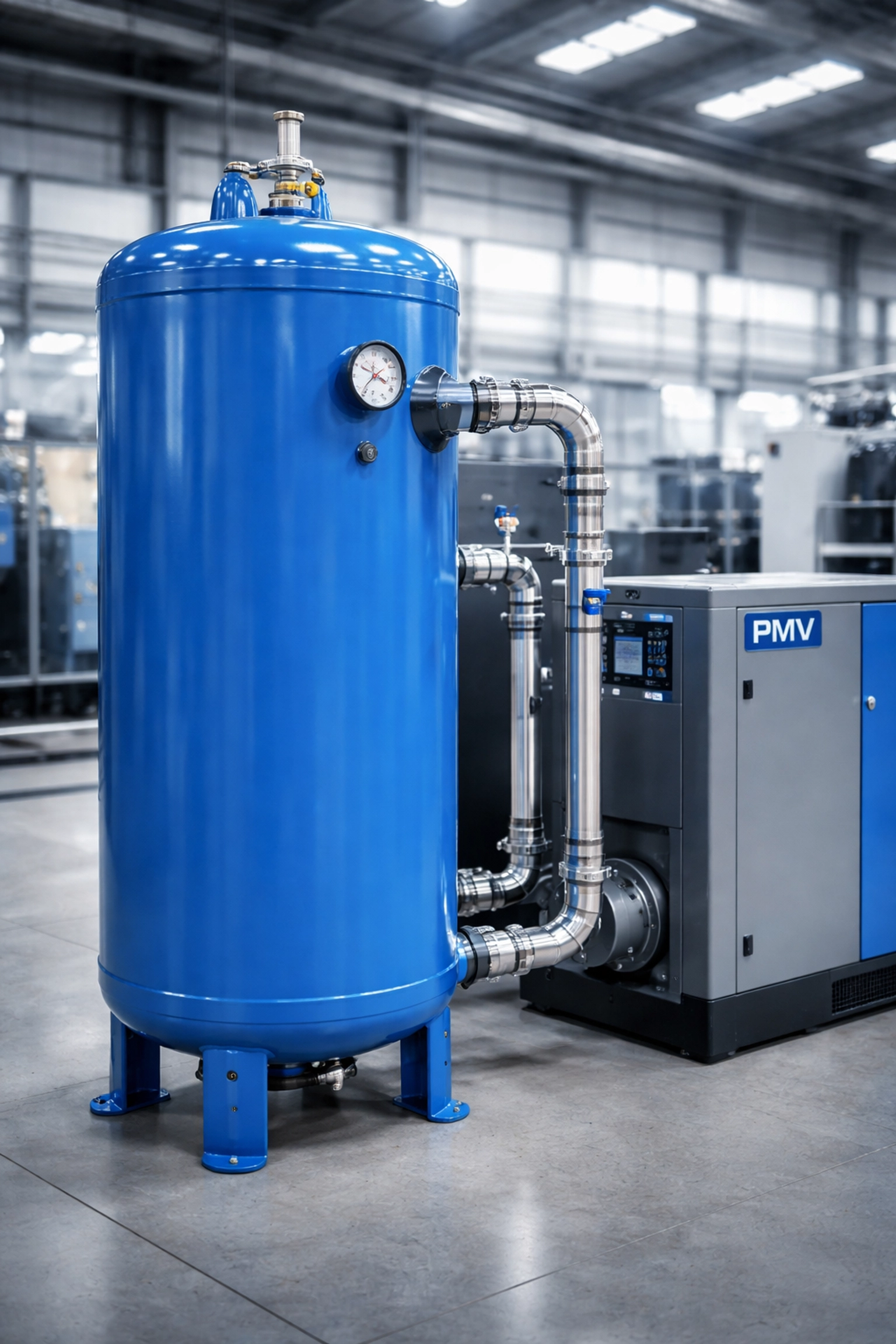
Strategic placement of receiver tanks throughout the facility provides buffer capacity for peak demands. This allows compressors to operate more steadily at efficient load points rather than constantly ramping up and down. Proper storage also enables control strategies that sequence multiple compressors efficiently.
Reason 6: Neglected Filter and Maintenance Schedules
Dirty intake filters restrict airflow and force compressors to work harder. Clogged oil separators increase internal pressure drop. Neglected drain valves allow condensate to accumulate and contaminate the system.
Every element of deferred maintenance degrades system efficiency incrementally. What starts as a minor issue compounds over time into significant energy waste and premature equipment failure.
Implement a rigorous preventive maintenance schedule covering all system components. Replace filters according to manufacturer recommendations or based on differential pressure readings. Train operators to recognize early warning signs of developing problems. The cost of regular maintenance is trivial compared to the expense of emergency repairs and chronic inefficiency.
Reason 7: Inappropriate Use of Compressed Air for Non-Critical Tasks
Walk through any manufacturing facility and you will find compressed air used for tasks that could be accomplished more efficiently with alternative methods. Blowing off parts, cooling equipment, moving materials, and even personnel comfort are common misapplications.
Compressed air costs approximately eight times more than direct electrical power for equivalent work output. Every cubic foot of compressed air used for a task that could be performed electrically represents significant waste.
Audit compressed air end uses throughout your facility. Replace compressed air applications with blowers, electric motors, or mechanical alternatives wherever practical. Reserve expensive compressed air for applications that genuinely require it.
Reason 8: Poor Control Strategy Across Multiple Compressors
Facilities operating multiple screw air compressors often lack coordinated control strategies. Compressors compete with each other, run simultaneously at inefficient load points, or cycle unnecessarily when demand could be met by fewer units.
Implementing a master controller that sequences compressors based on actual demand optimizes the entire system. The controller brings units online and offline in the most efficient combination to meet current requirements. One manufacturing facility documented $80,000 in annual savings simply by matching online horsepower to real-time measured loads.
Reason 9: Heat Recovery Opportunities Ignored
Approximately 80% of the electrical energy consumed by air compressors converts to heat rather than compressed air. This thermal energy typically dissipates into the atmosphere through cooling systems, representing a massive untapped resource.
Heat recovery systems capture this thermal output for productive use. Preheating boiler makeup water, space heating, process water heating, and other applications can reclaim significant value from energy that would otherwise be wasted. Payback periods for heat recovery installations often measure in months rather than years.
Reason 10: Operating Without Baseline Data or System Auditing
You cannot improve what you do not measure. Approximately 50% of compressed air generated in typical facilities is not appropriately utilized by production systems. Without accurate data on demand patterns, waste sources, and efficiency metrics, optimization efforts proceed blindly.
Professional compressed air system audits establish accurate baselines and identify specific improvement opportunities. Facilities that implement audit recommendations typically achieve 20% to 40% reductions in compressed air energy costs. The investment in professional auditing pays for itself many times over through documented savings.
Taking Action on Compressed Air Efficiency
Every manufacturing facility can improve compressed air system efficiency. The ten issues outlined above represent the most common waste sources AirSpace Machinery encounters across diverse industrial applications worldwide.
Start with a comprehensive leak detection survey and work systematically through each potential improvement area. Consider upgrading aging fixed-speed compressors to energy-efficient Permanent Magnet Variable Frequency technology. Implement measurement and monitoring systems to track progress and identify emerging issues before they become expensive problems.
The path to compressed air efficiency is clear. The only question is how quickly your facility will begin capturing the savings available today.
Reviewed by Engineering
Author Box
Penny Winston | AirSpace Machinery
Technical content writer specializing in industrial compressed air systems, energy efficiency, and manufacturing optimization.
Sources and Standards
Energy efficiency statistics and leak rate percentages referenced from Compressed Air and Gas Institute (CAGI) best practices documentation and U.S. Department of Energy compressed air system optimization guidelines. Pressure-energy relationships based on industry-standard calculations per ISO 1217 compressor testing protocols. Heat recovery efficiency figures align with published thermal balance studies for industrial rotary screw compressors.
Get a Proposal
Ready to identify how much your compressed air system is costing you? AirSpace Machinery provides comprehensive system assessments and energy-efficient screw air compressor solutions for manufacturers worldwide. Contact our engineering team with your pressure (bar/psi) and flow (m³/min or CFM) requirements to receive a customized proposal. Lead times depend on configuration. All equipment meets CE and ISO 9001 certification standards.
Visit: https://www.chinacompressor.org/energy-efficient-air-compressor-manufacturer