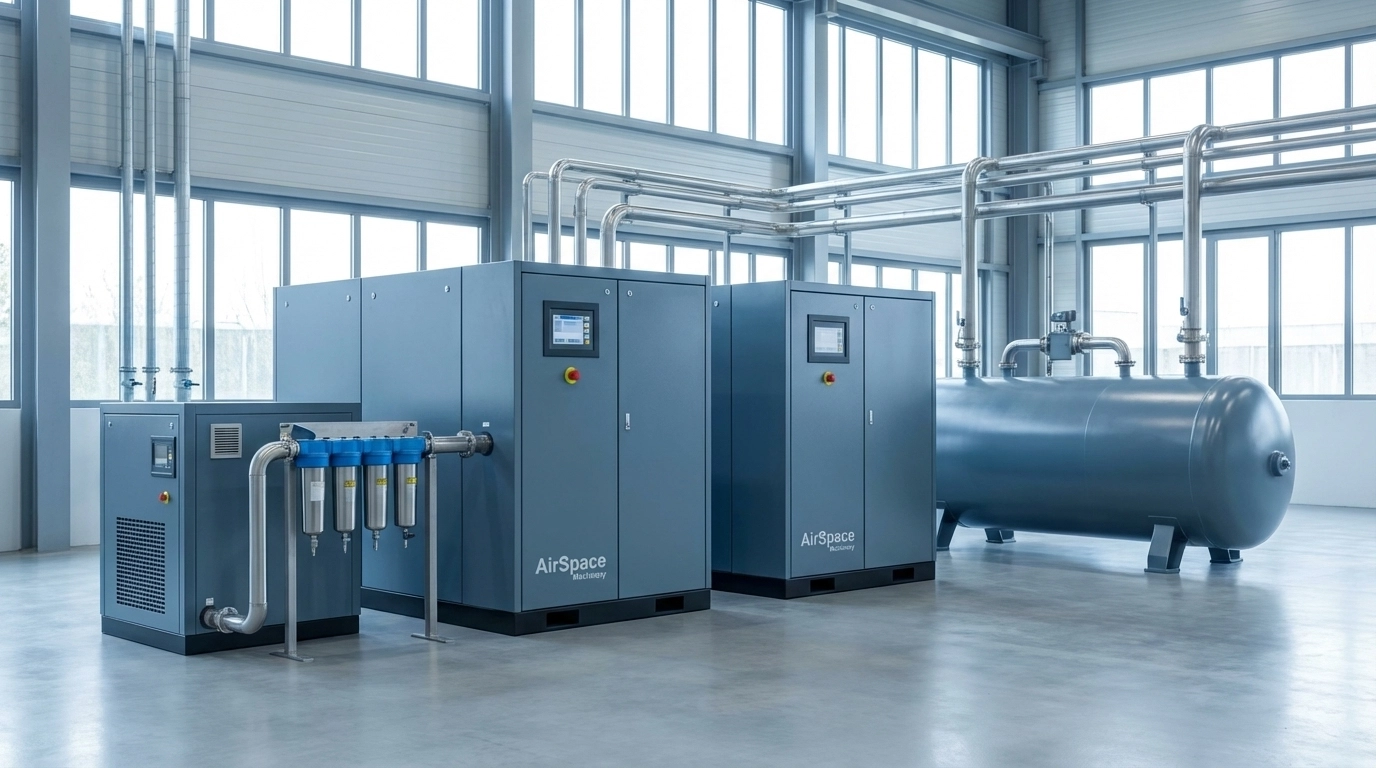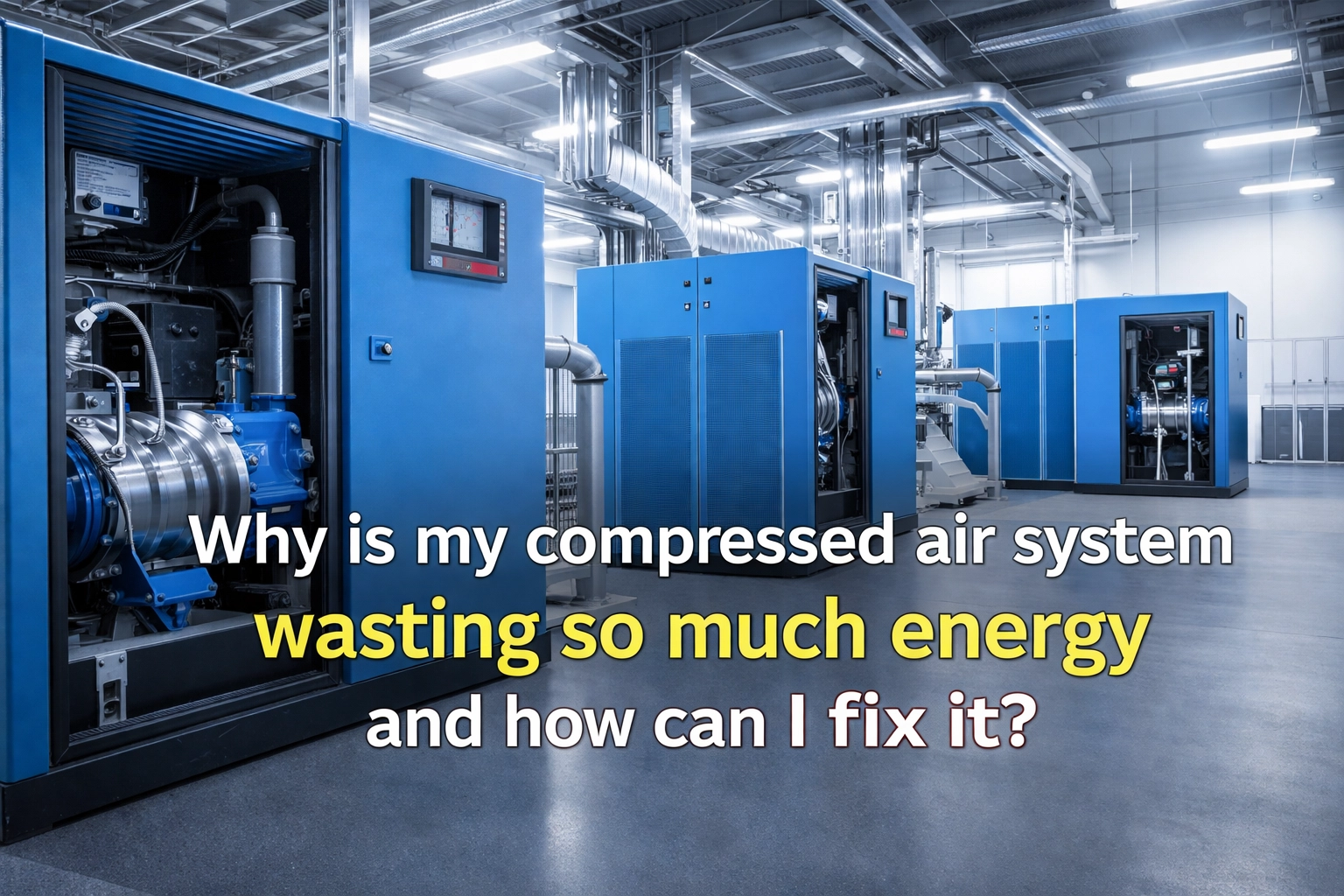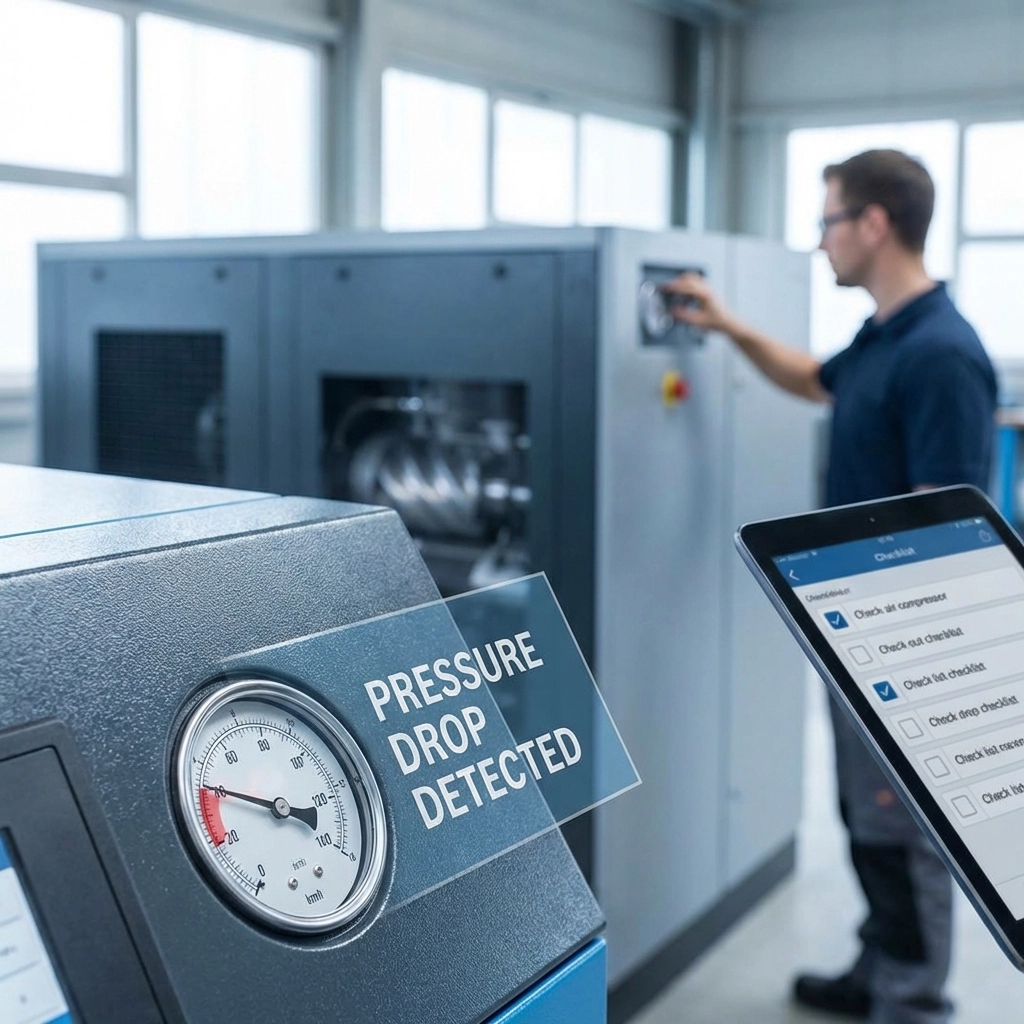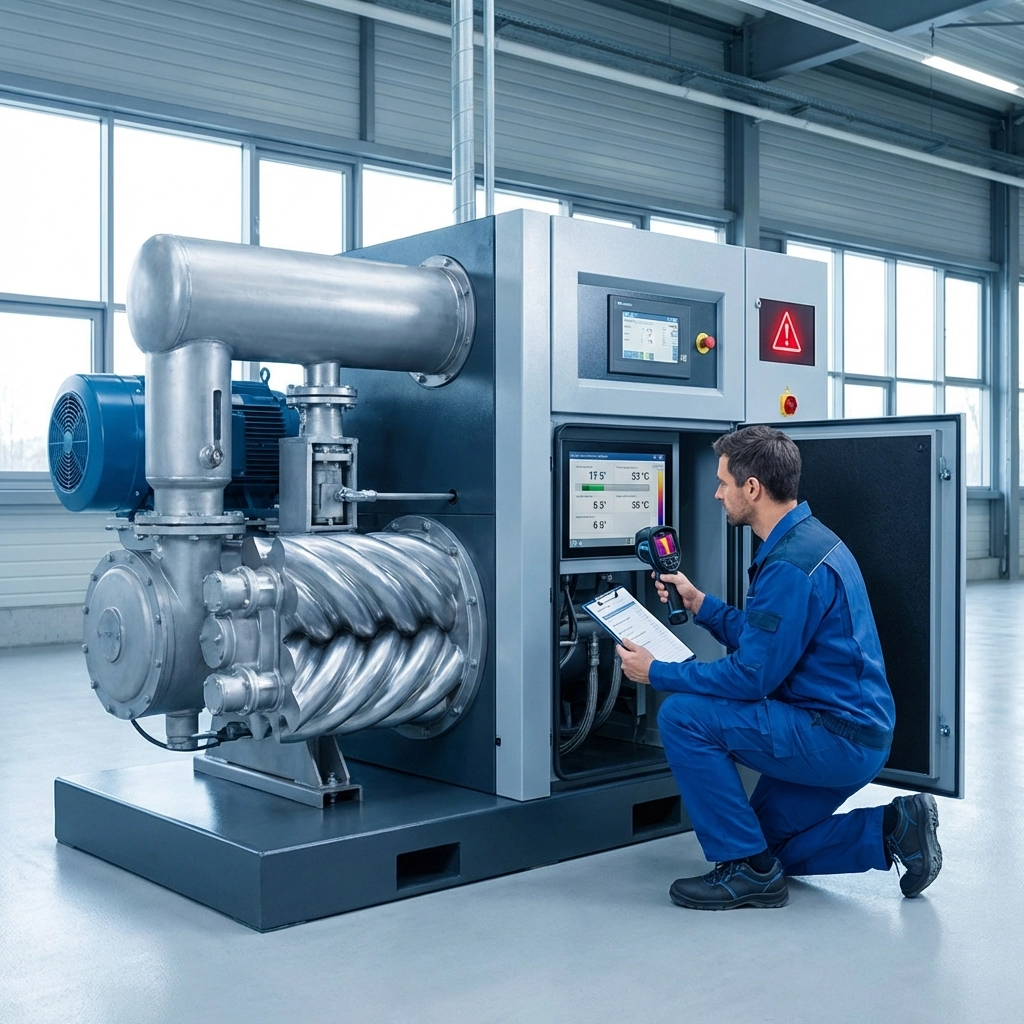
Industrial air compressors serve as the backbone of manufacturing operations worldwide, yet countless facilities operate these critical systems inefficiently: costing thousands in unnecessary maintenance, energy consumption, and premature equipment replacement. AirSpace Machinery Co., Ltd., with decades of experience in industrial equipment manufacturing, identifies seven critical mistakes that compromise compressor performance and profitability.
Manufacturing operations depend on consistent, reliable compressed air systems. When these systems fail or operate inefficiently, production lines halt, energy costs skyrocket, and maintenance budgets spiral beyond control. Understanding and correcting these common operational errors ensures optimal performance, extends equipment lifespan, and maintains competitive operational costs.
Mistake #1: Ignoring Manufacturer-Specified Maintenance Schedules
The Problem: Operations managers frequently bypass recommended maintenance intervals, treating compressors as “set-and-forget” equipment. This approach inevitably leads to catastrophic failures, unplanned downtime, and exponentially higher repair costs.
Manufacturer maintenance schedules account for specific operating conditions, component wear patterns, and optimal service intervals. Ignoring these guidelines compromises system reliability and voids warranty coverage: leaving facilities vulnerable to expensive out-of-pocket repairs.
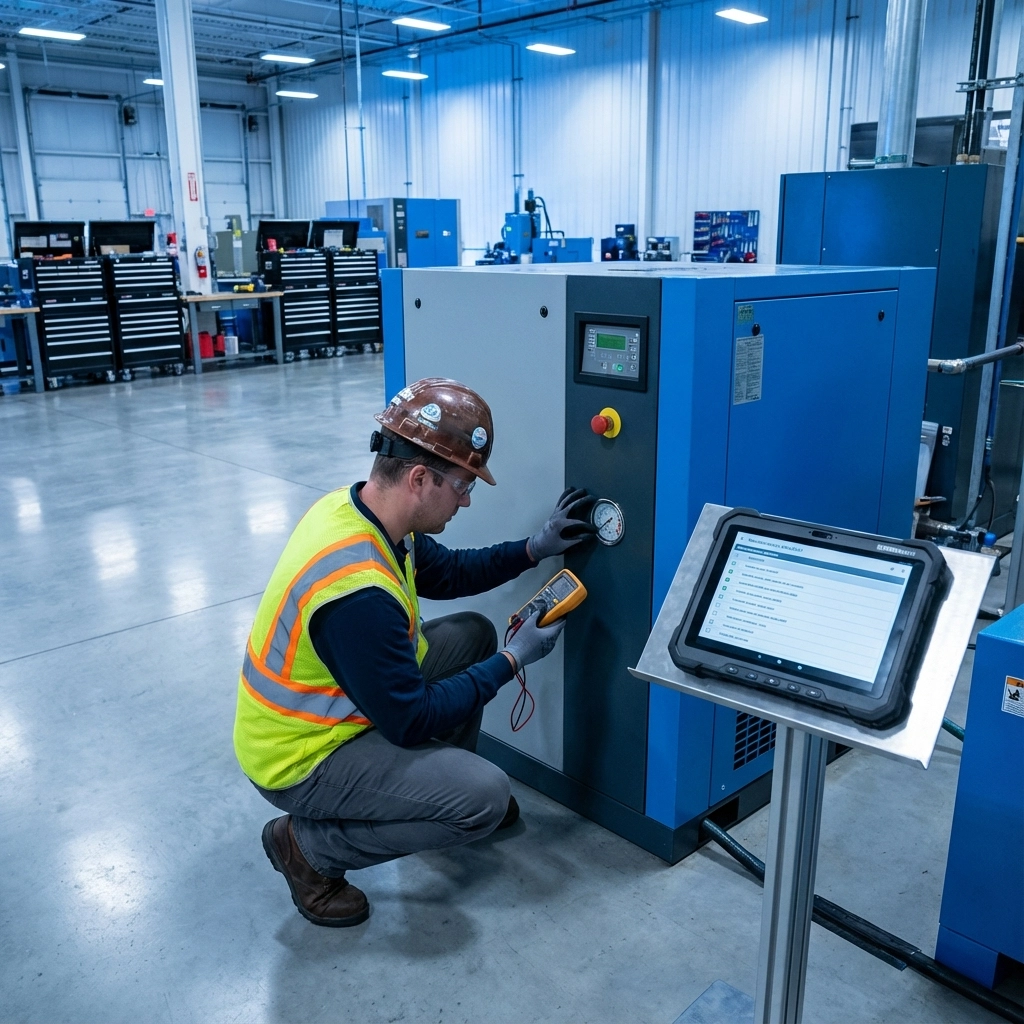
The Solution: Implement a rigorous preventive maintenance program based on manufacturer specifications. Create digital maintenance calendars with automated reminders for filter changes, oil services, and component inspections. Document all maintenance activities to track performance trends and identify potential issues before they escalate.
AirSpace Machinery recommends establishing baseline performance metrics during initial installation, enabling maintenance teams to identify performance degradation early. This proactive approach reduces emergency repairs by up to 75% while extending equipment lifespan significantly.
Mistake #2: Neglecting Moisture Drainage and Management
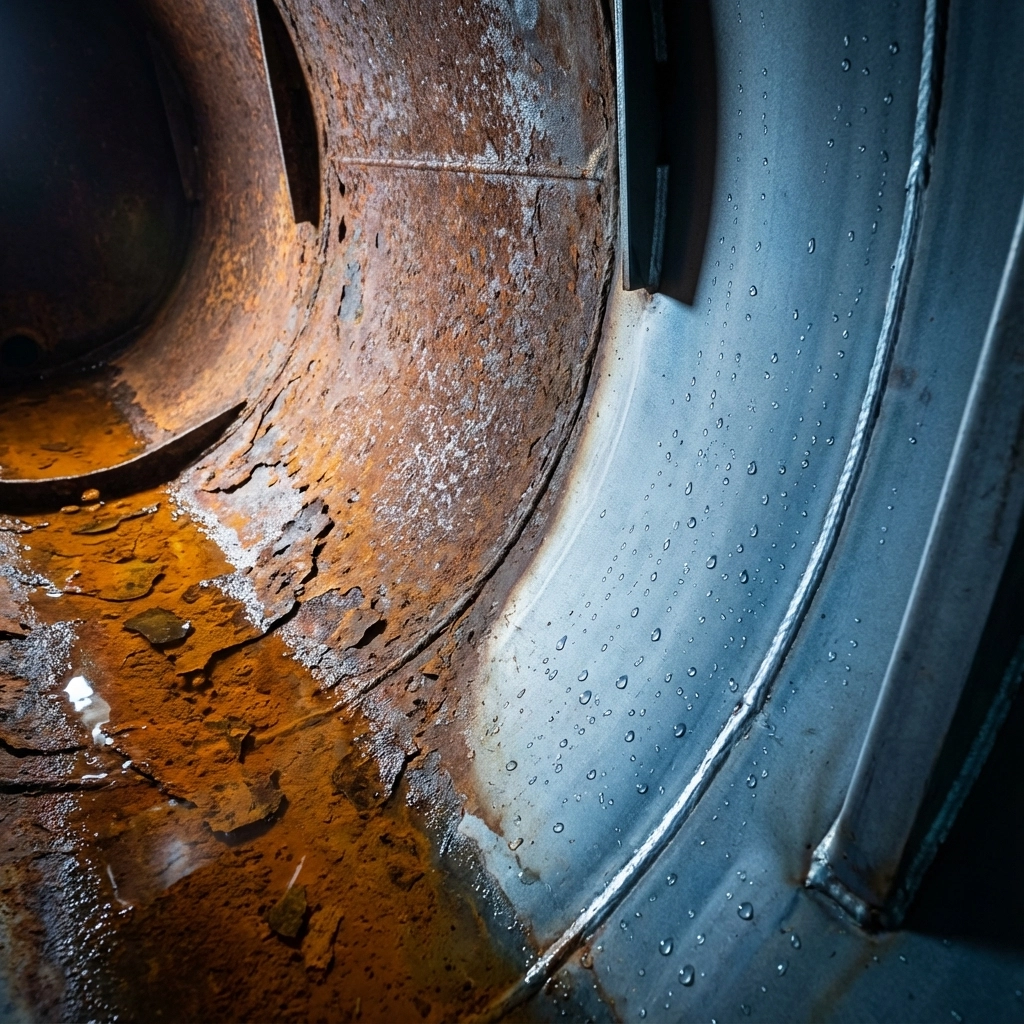
The Problem: Compressed air systems naturally generate moisture through the compression process. When operators fail to drain accumulator tanks regularly, moisture buildup causes internal corrosion, compromises air quality, and leads to premature component failure.
Moisture-related damage affects pneumatic tools, control systems, and finished products. In automotive manufacturing, contaminated air can cause paint defects. In food processing, moisture introduces contamination risks that compromise product safety and regulatory compliance.
The Solution: Establish daily moisture drainage protocols, particularly in high-humidity environments. Install automatic drain valves on accumulator tanks and air receivers to eliminate manual drainage requirements. Implement air dryer systems: refrigerated or desiccant-based: to maintain optimal moisture levels throughout the distribution system.
Monitor moisture separator performance regularly, cleaning or replacing components as needed. Clogged separators prevent effective moisture removal, allowing water accumulation that accelerates system degradation.
Mistake #3: Compromising Air Filtration and Oil Management
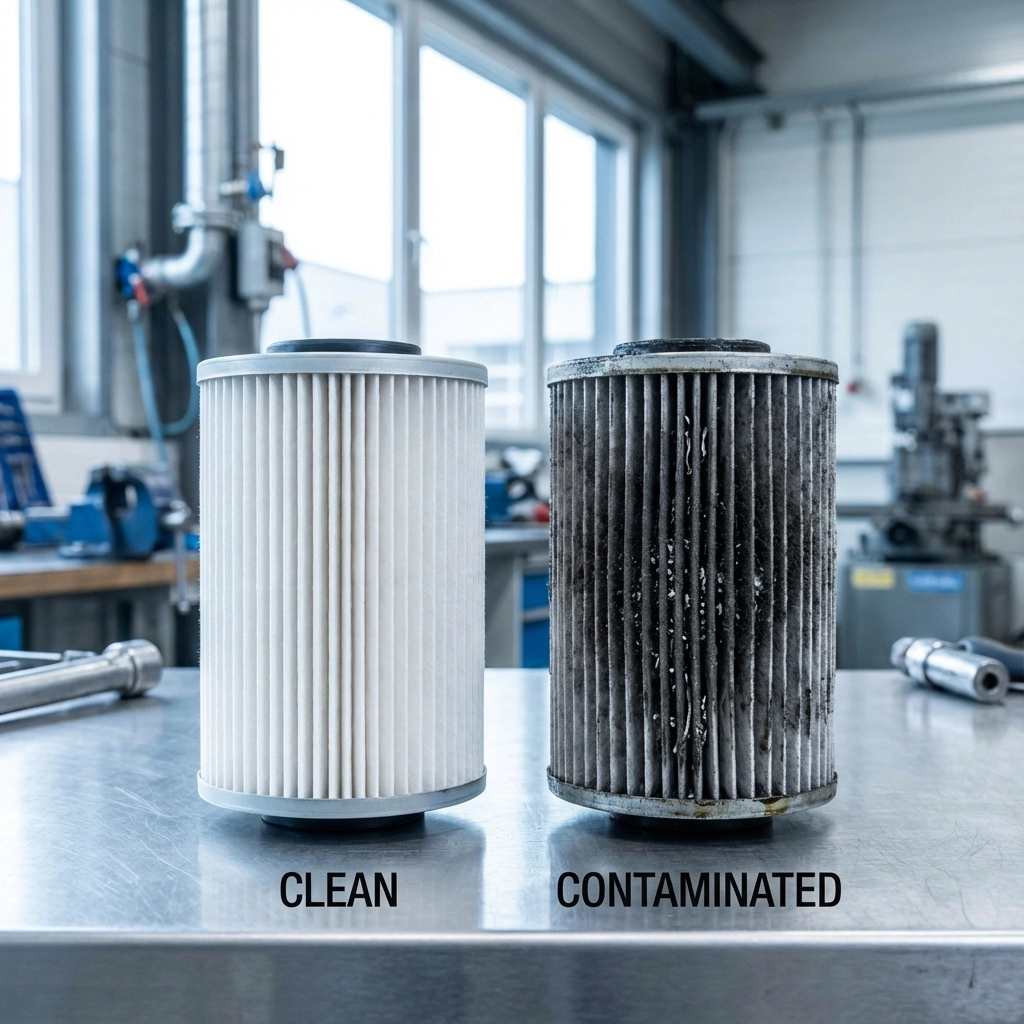
The Problem: Air filter neglect forces compressors to work harder, increasing energy consumption by 15-20% while accelerating component wear. Similarly, incorrect oil viscosity, contaminated lubricants, or inadequate oil levels cause overheating, seal failure, and motor damage.
Operating environments with excessive dust, chemicals, or particulates require more frequent filter changes than standard recommendations. Facilities often apply generic maintenance schedules without considering their specific operating conditions.
The Solution: Implement condition-based filter replacement programs that account for actual operating environments. In dusty conditions, change air filters every 30-45 days instead of standard 90-day intervals. Use high-efficiency particulate air (HEPA) filters in critical applications requiring ultra-clean compressed air.
Maintain manufacturer-specified oil types and viscosity ratings. Implement oil analysis programs to monitor lubricant condition, identifying contamination or degradation before it compromises system performance. Replace oil based on actual condition rather than arbitrary time intervals.
Mistake #4: Operating Beyond System Capacity Limits
The Problem: Overloading compressors by connecting tools or equipment that exceed CFM (cubic feet per minute) capacity creates excessive demand cycles. This practice forces motors to run continuously, generates excessive heat, and accelerates component wear.
Many facilities add equipment or expand operations without reassessing compressed air requirements. The result: systems operating at maximum capacity with no reserve for peak demand periods or emergency requirements.
The Solution: Conduct comprehensive air demand audits to identify actual versus rated capacity requirements. Calculate total connected load, including simultaneous use factors and peak demand periods. Install variable frequency drives (VFDs) on rotary screw compressors to match output with actual demand automatically.
Consider installing multiple smaller units instead of single large compressors. This approach provides redundancy, improves efficiency during low-demand periods, and allows for planned maintenance without system shutdown.
Mistake #5: Operating at Excessive Pressure Settings
The Problem: Running compressors above manufacturer-recommended PSI levels wastes energy exponentially. Every 2 PSI increase above optimal pressure increases energy consumption by approximately 1%. More critically, excessive pressure accelerates component wear and increases safety risks.
Facilities often set pressure higher than necessary to compensate for distribution system losses or inadequate storage capacity. This band-aid approach addresses symptoms while ignoring underlying system inefficiencies.
The Solution: Optimize pressure settings to match actual application requirements. Most pneumatic tools operate effectively at 85-90 PSI, yet many systems run at 110-120 PSI unnecessarily. Install pressure regulation stations near point-of-use applications to maintain optimal operating pressures.
Address system losses through proper distribution design, leak detection programs, and adequate receiver tank capacity. Install pressure monitoring systems to track real-time performance and identify optimization opportunities.
Mistake #6: Using Incompatible Accessories and Power Supply
The Problem: Incorrect hoses, fittings, and electrical connections compromise system performance and create safety hazards. Undersized air hoses create pressure drops that force compressors to work harder. Inadequate electrical supply causes voltage drops that damage motors and control systems.
Standard household extension cords cannot handle industrial compressor power requirements, causing voltage drops that lead to motor overheating and premature failure. Many facilities use inappropriate quick-connect fittings that leak under pressure.
The Solution: Size distribution components appropriately for system requirements. Use industrial-grade hoses rated for working pressures with minimal pressure drop. Install dedicated electrical circuits for compressor installations, eliminating extension cord dependencies.
Specify industrial quick-connect fittings designed for high-pressure applications. Implement color-coding systems to prevent cross-contamination in applications requiring different air qualities (instrument air, plant air, breathing air).
Mistake #7: Selecting Inappropriately Sized Equipment
The Problem: Oversized compressors waste energy through frequent start-stop cycles, while undersized units cannot meet production demands. Both scenarios result in inefficient operation, increased maintenance costs, and reduced equipment lifespan.
Many facilities select compressors based on maximum theoretical demand rather than actual operating profiles. This approach typically results in oversized equipment that operates inefficiently during normal production periods.
The Solution: Conduct detailed compressed air audits to determine actual demand patterns, including peak usage periods, baseline consumption, and growth projections. Size equipment for 85-90% of maximum demand, using storage capacity to handle peak requirements.
Consider modular systems that allow capacity expansion as operations grow. Variable speed drive (VSD) compressors automatically adjust output to match demand, optimizing energy consumption across varying load conditions.
Protecting Your Investment Through Expert Partnership
These seven mistakes represent the most common operational errors that compromise industrial air compressor performance. Correcting these issues requires technical expertise, proper equipment selection, and ongoing maintenance support.
AirSpace Machinery Co., Ltd. provides comprehensive compressed air solutions, from initial system design through ongoing maintenance support. Our technical team conducts facility assessments to identify optimization opportunities and recommend equipment configurations that maximize efficiency while minimizing operational costs.
Contact our engineering team to schedule a compressed air system audit and discover how proper equipment selection and maintenance practices can reduce energy costs while improving production reliability. Learn more about our industrial air compressor solutions and protect your manufacturing investment through expert technical support.