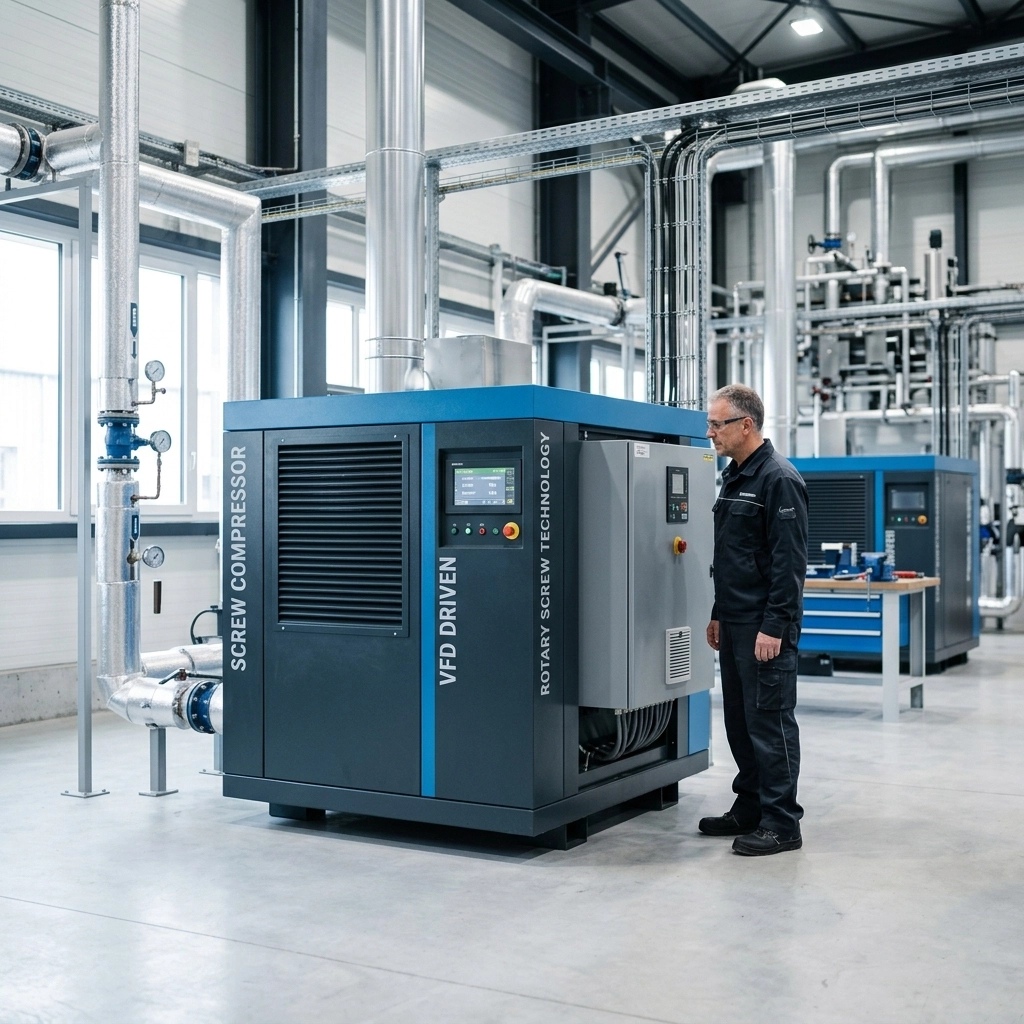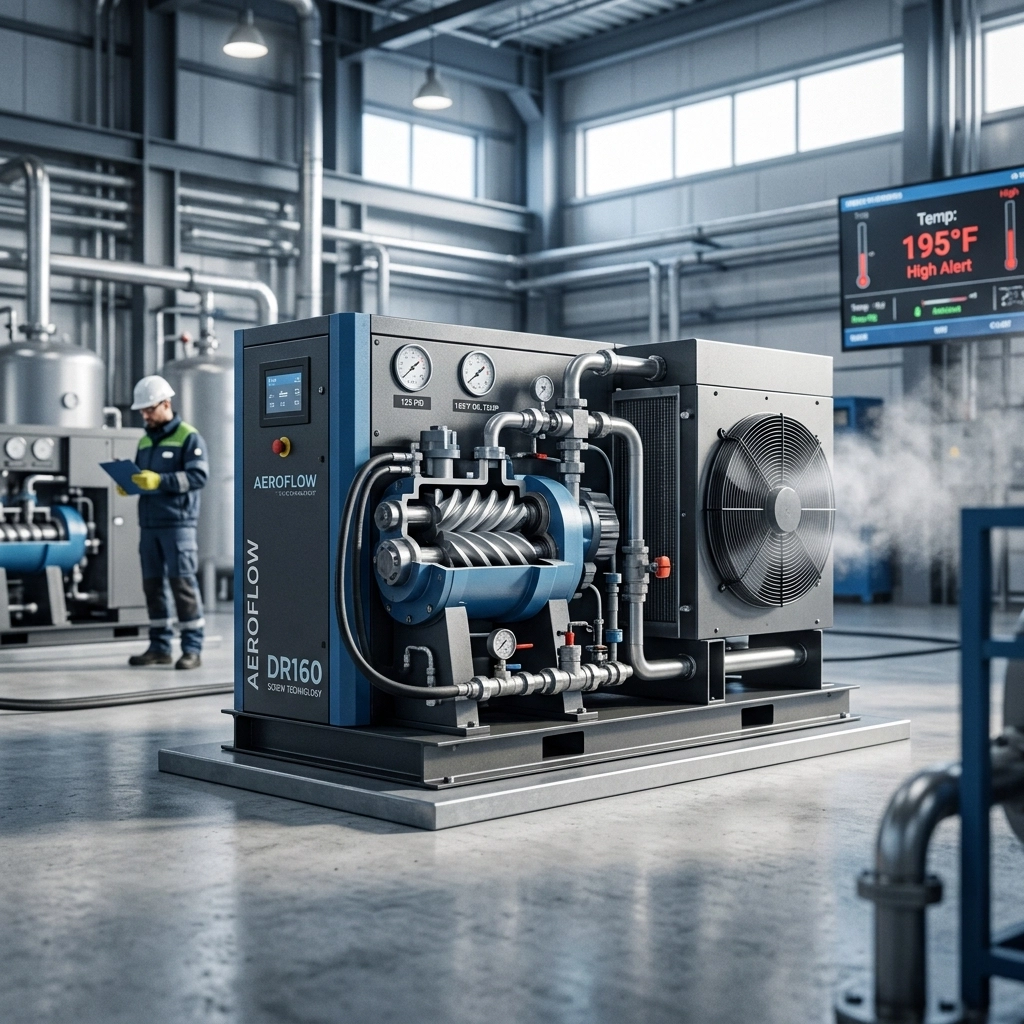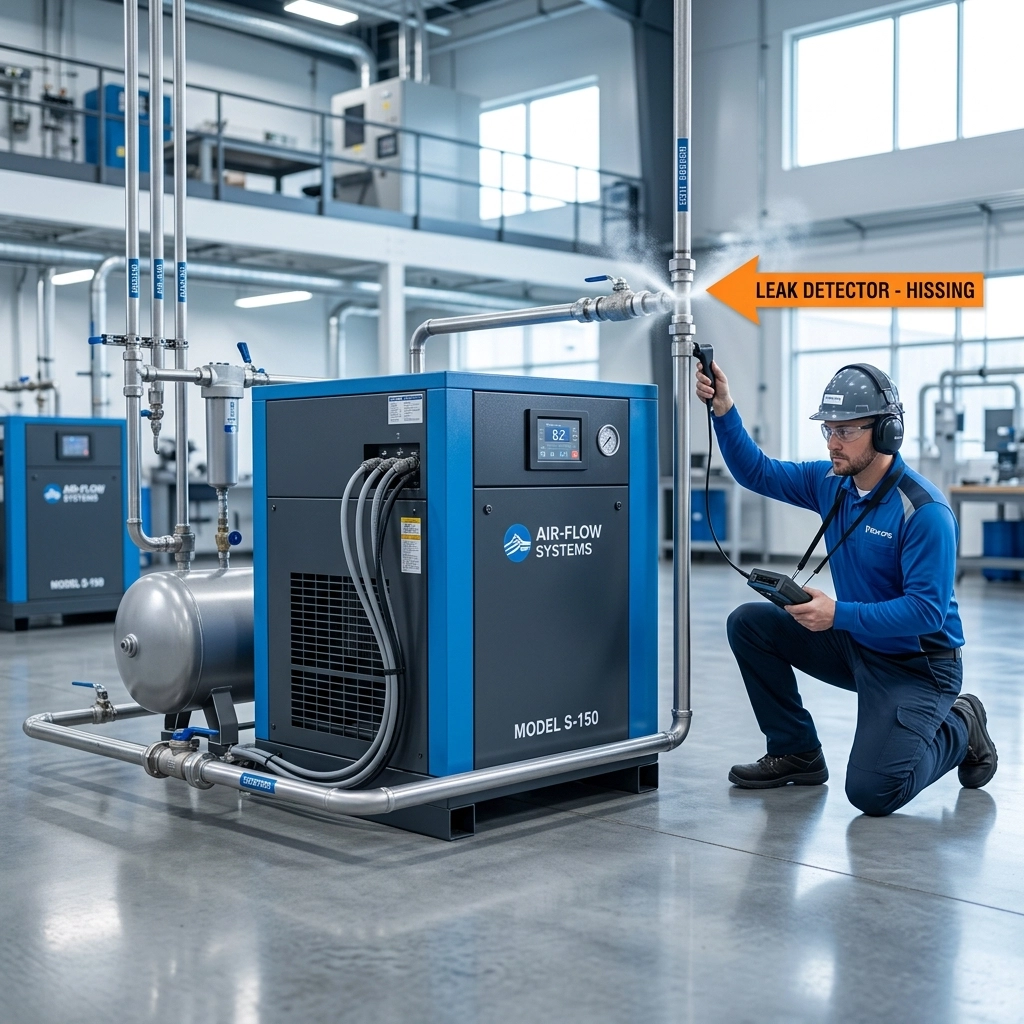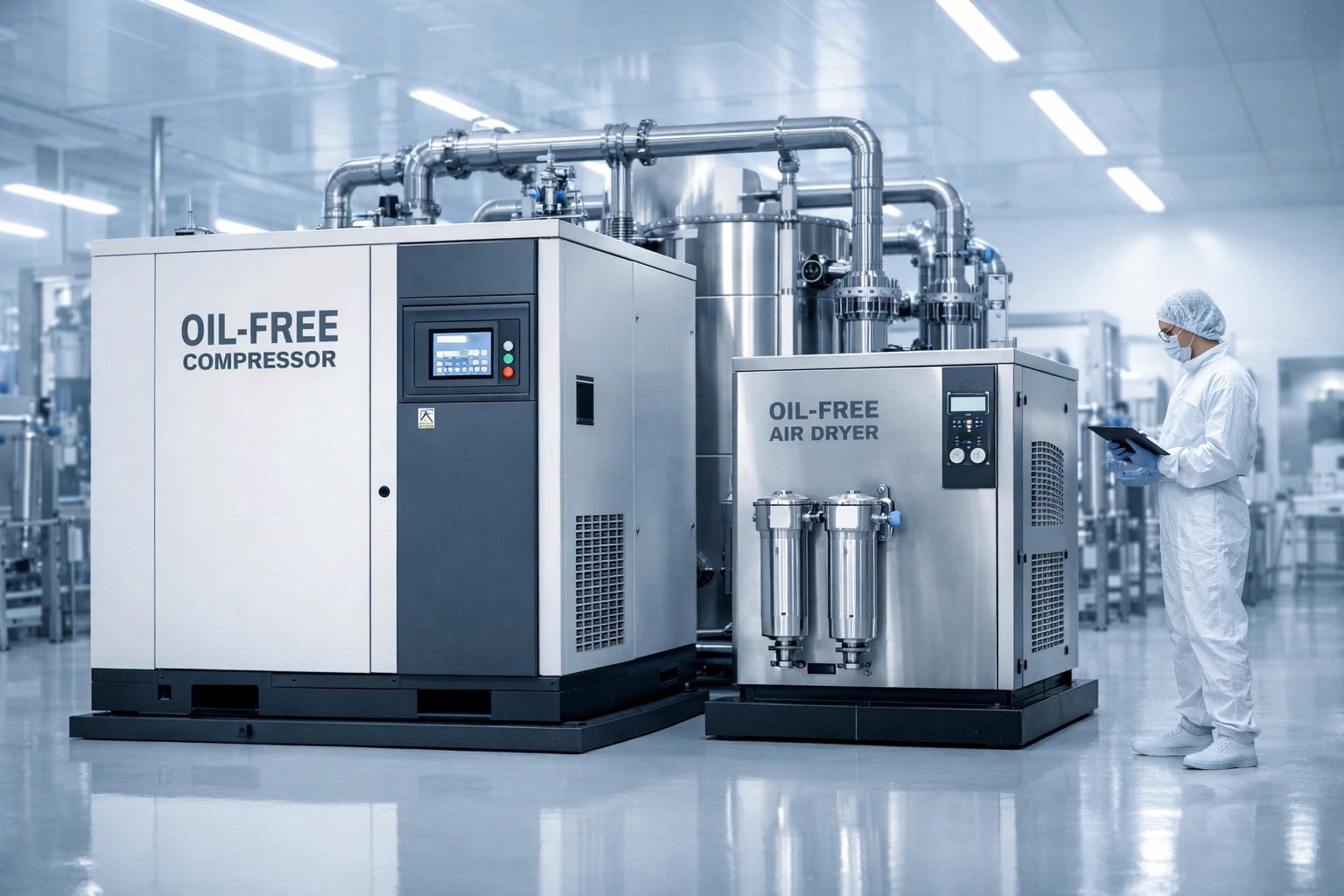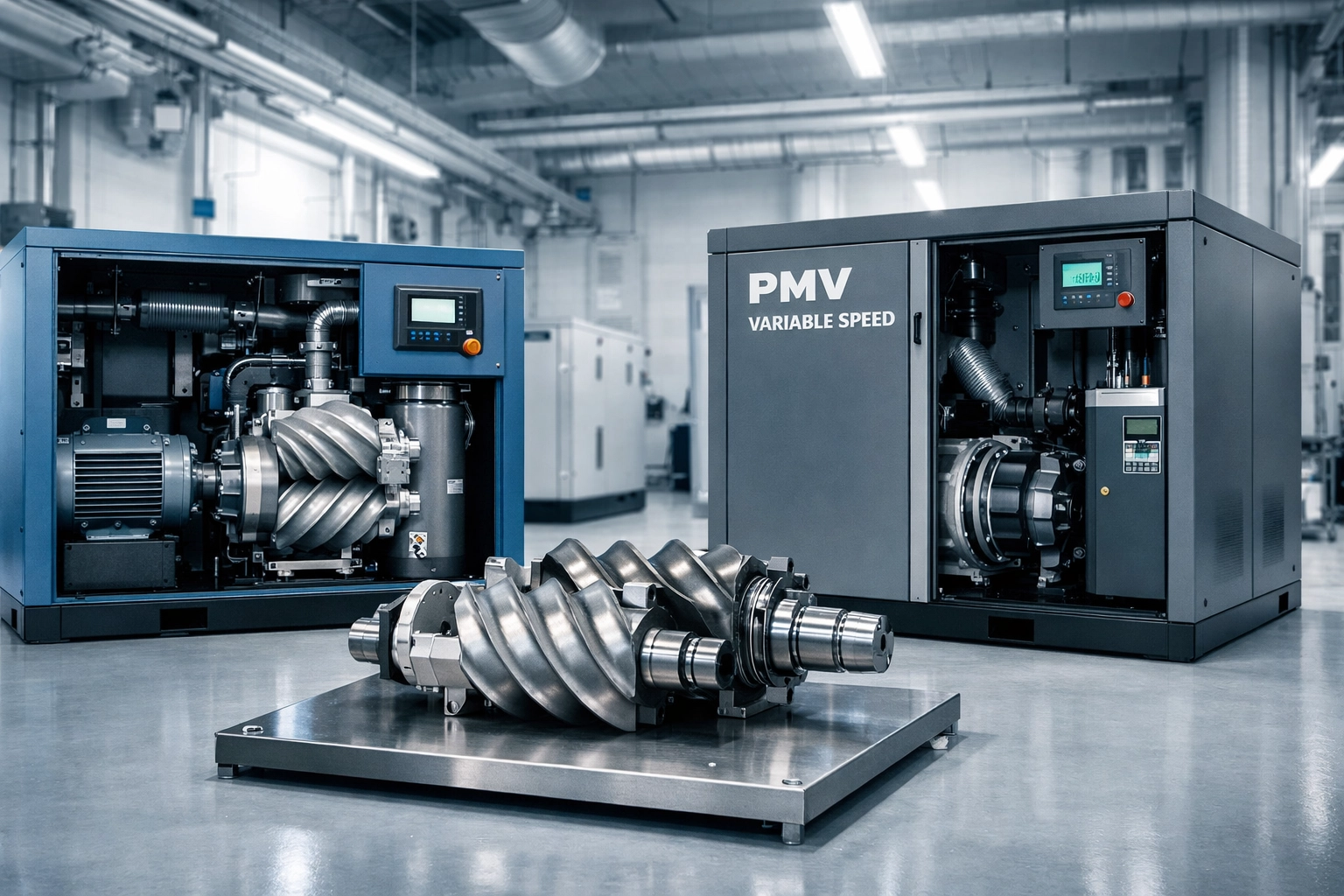
Your air dryer is not removing moisture when the incoming compressed air is too hot for the dryer’s rating, condensate drains are not discharging, the dryer is undersized for your real flow and ambient conditions, or filters and heat exchangers are restricted from missed maintenance. To fix dew point problems, first verify your target pressure dew point, then check inlet temperature, drain function, dryer sizing correction factors, and pressure drop across filters, and finally confirm the dryer type matches the required dew point.
At AirSpace Machinery Co., Ltd., we bring 20 years of engineering excellence, a 4000m² manufacturing facility, and 100 million yuan annual sales into practical troubleshooting guidance for global factories. We build Energy-Efficient Air Compressor packages using Permanent Magnet Variable Frequency (PMV) Screw Air Compressors with correctly matched dryers and filtration, so dew point stays stable instead of drifting on hot or humid days. Here is what you need to know to solve dew point problems without guessing.
Understanding Dew Point and Why It Matters
Dew point is the temperature at which water vapor in compressed air condenses into liquid. A properly functioning air dryer maintains dew point below ambient conditions so moisture cannot form in your downstream piping, tools, or processes. According to ISO 8573-1, compressed air quality classes specify pressure dew point requirements ranging from +3°C (Class 4) down to -70°C (Class 1) depending on your application.
When your dryer fails to achieve target dew point, liquid water enters your system. This causes corrosion in pipes, damages pneumatic equipment, contaminates products, and creates safety hazards. In pharmaceutical, food processing, and electronics manufacturing, moisture contamination can result in batch rejection and regulatory violations.
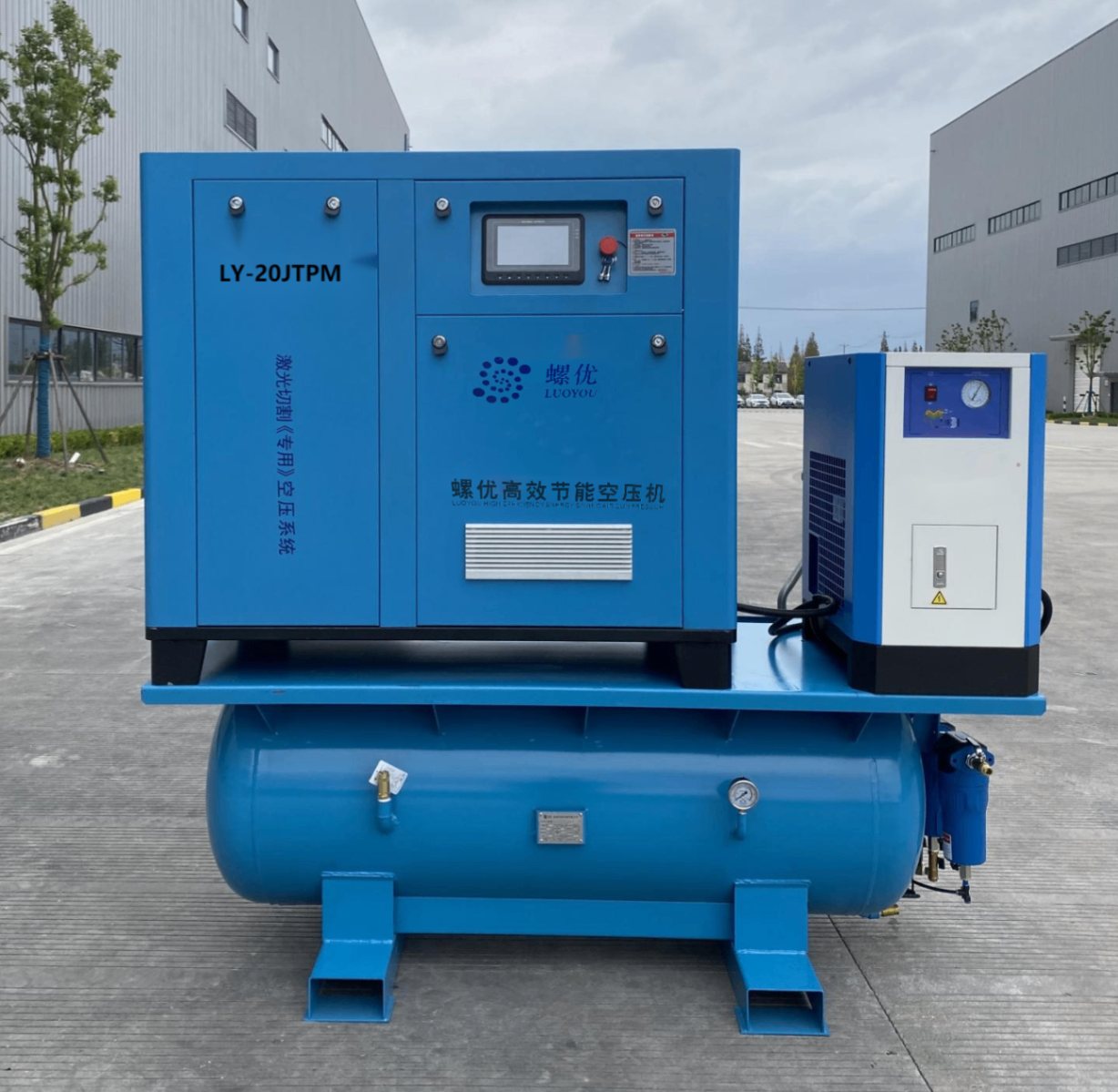
Ambient Heat and Inlet Temperature Problems
High ambient temperatures are the most common cause of dryer underperformance. Refrigerated air dryers are typically rated for inlet temperatures around 38°C (100°F). When your compressor room temperature exceeds this limit, the dryer cannot cool incoming air sufficiently to condense moisture.
Check these factors if you suspect heat-related dew point problems:
Poor ventilation traps heat around the dryer and compressor. Install exhaust fans or ducting to maintain room temperature below 40°C. Position the dryer away from heat sources like boilers, furnaces, or direct sunlight through windows.
Hot compressed air from the compressor discharge should be cooled before entering the dryer. Install an aftercooler if your system lacks one, and verify the aftercooler fan operates correctly. Dirty aftercooler fins reduce cooling capacity by 20-30%.
For refrigerated dryers specifically, dirty condenser coils prevent heat rejection. Clean condenser coils monthly in dusty environments. Check that condenser fans spin freely and move adequate airflow across the coil surface.
Drain Valve Failure Causes Moisture Bypass
Malfunctioning condensate drains are the single most frequent cause of moisture in compressed air systems. When drains fail, condensate accumulates inside the dryer and eventually carries over into your air lines.
Common drain failures include:
Float drains stick in the closed position when contaminated with oil, rust, or debris. Disassemble and clean float mechanisms quarterly. Replace worn seals and floats annually.
Timer drains may not cycle at programmed intervals due to electrical faults or incorrect settings. Verify the timer actuates the solenoid valve and that drain intervals match your condensate load.
Zero-loss drains clog with sludge when compressor lubricant mixes with condensate. These electronic drains require clean, oil-free condensate or frequent maintenance. Install a coalescing filter upstream if oil carryover is present.
Test all drains weekly by pressing the manual test button. You should see condensate discharge. If no liquid appears but the system is running, either the drain has failed or condensate is backing up elsewhere.
Dryer Sizing Mistakes Create Seasonal Failures
An undersized dryer performs adequately in cool, dry weather but fails during hot, humid summer months. This seasonal pattern is a clear indicator of insufficient dryer capacity.
Air dryer sizing depends on three primary factors:
Flow capacity must match or exceed your compressor output. A 100 CFM dryer paired with a 150 CFM screw compressor will be overwhelmed during peak demand. Always size dryers for maximum possible flow, not average consumption.
Inlet temperature affects dryer capacity significantly. Manufacturers rate capacity at specific inlet conditions: typically 35°C (95°F). Every 5°C increase above rated inlet temperature reduces effective capacity by approximately 10-15%.
Ambient humidity loads the dryer with more moisture to remove. Facilities in tropical or coastal climates need larger dryers than identical operations in arid regions. Correction factors of 1.2 to 1.5 times nominal capacity are common for high-humidity environments.
When specifying a new energy-efficient air compressor system, our engineering team calculates dryer sizing based on your specific location, operating hours, and ambient conditions. This prevents the costly mistake of undersizing that leads to chronic moisture problems.
Refrigerated Dryer Maintenance Checklist
Refrigerated dryers use a refrigeration circuit to chill compressed air and condense moisture. Maintenance focuses on keeping both the refrigeration and air circuits clean and functional.
Weekly tasks:
- Check condensate drain operation
- Verify outlet dew point on display (should read 3-10°C for standard refrigerated units)
- Listen for unusual compressor sounds
Monthly tasks:
- Clean condenser coils with compressed air or brush
- Inspect pre-filters and replace if differential pressure exceeds 0.3 bar
- Check refrigerant sight glass for bubbles indicating low charge
Quarterly tasks:
- Test high and low pressure safety switches
- Verify refrigerant operating pressures match nameplate specifications
- Clean or replace air-side heat exchanger if accessible
Refrigerant leaks cause gradual capacity loss. If your dryer once achieved 3°C dew point but now struggles to reach 10°C, suspect refrigerant loss. Only certified HVAC technicians should handle refrigerant service.

Desiccant Dryer Maintenance Requirements
Desiccant dryers use adsorption media: typically activated alumina or molecular sieve: to strip moisture from compressed air. They achieve much lower dew points (-40°C to -70°C) but require more intensive maintenance than refrigerated units.
Signs of desiccant failure:
- Gradual rise in outlet dew point over weeks or months
- Visible powder or dust in downstream filters (desiccant breakdown)
- Oil contamination appearing on desiccant beads
- Increased pressure drop across the dryer towers
Desiccant beds typically last 3-5 years under clean, oil-free conditions. Oil contamination from compressor carryover destroys desiccant within months. Install coalescing filters rated for 0.01 ppm oil removal upstream of any desiccant dryer.
For heatless regenerative dryers, verify that purge valves cycle correctly and that purge flow reaches both towers equally. Unequal regeneration causes one tower to saturate while the other remains partially unused.
Heated desiccant dryers require additional checks: heater element continuity, blower motor operation, and regeneration temperature reaching setpoint (typically 150-200°C depending on design).
When to Choose Refrigerated vs. Desiccant Technology
Select refrigerated dryers for general industrial applications requiring pressure dew points of +3°C to +10°C. These units cost less to purchase and operate, making them the standard choice for workshops, manufacturing plants, and facilities without critical moisture sensitivity.
Select desiccant dryers when your process demands pressure dew points below 0°C or when ambient temperatures may fall below freezing. Outdoor installations, paint booths, laboratories, and pharmaceutical production often require desiccant technology to prevent condensation and contamination.
Hybrid dryers combine both technologies: a refrigerated stage removes bulk moisture, then a desiccant stage polishes air to very low dew points. This approach reduces purge air consumption and operating costs compared to standalone desiccant units.
Technical Standards and References
Air quality classifications follow ISO 8573-1:2010, which defines particle, water, and oil content limits. Pressure dew point measurement procedures are specified in ISO 8573-3. Dryer performance testing follows ISO 7183 for compressed air dryers.
When sourcing equipment from international suppliers, verify that dryers carry CE marking for European compliance and that the manufacturer holds ISO 9001 certification for quality management. Learn more about verifying CE and ISO 9001 certifications when importing industrial equipment.
Get Expert Help Sizing Your System
Persistent dew point problems often indicate a system-level mismatch between your compressor, dryer, filtration, and operating conditions. AirSpace Machinery Co., Ltd. provides complete compressed air system design including properly sized dryers matched to our Permanent Magnet Variable Frequency (PMV) Screw Air Compressors.
Our engineering team reviews your flow requirements (specify in m³/min or CFM), pressure needs (bar or psi), and ambient conditions to recommend solutions that prevent moisture problems from the start.
Get a Proposal : lead time depends on configuration.
Reviewed by Engineering
Author: Penny Winston
Penny is a technical content specialist at AirSpace Machinery Co., Ltd., covering compressed air system design, energy efficiency, and maintenance best practices for industrial buyers worldwide.