WHY IS MY INDUSTRIAL SCREW AIR COMPRESSOR OVERHEATING AND WHAT IS THE STEP BY STEP TROUBLESHOOTING CHECKLIST?
Direct Answer: An industrial screw air compressor overheats primarily due to restricted airflow, degraded lubricant, or a malfunctioning thermal valve. To fix this, you must ensure the ambient room temperature is below 40 degrees Celsius, clean the cooler fins of all debris, and verify that the oil levels meet the manufacturer specifications. If the unit shuts down unexpectedly, the first step is to check the control panel for high discharge temperature fault codes and allow the machine to cool completely before attempting a restart.
AirSpace Machinery Co., Ltd. brings 20 years of engineering excellence to the manufacturing sector, operating from a 4000 square meter facility with annual sales exceeding 100 million yuan. As a leading industrial air compressor manufacturer ISO 9001 certified, we understand that downtime caused by thermal issues is costly for any production line.
HOW DO I RECOGNIZE THE SIGNS OF AN OVERHEATING SCREW AIR COMPRESSOR?
The most immediate sign of overheating is a high discharge temperature warning or an automatic safety shutdown on the digital controller. Most modern Permanent Magnet Variable Frequency (PMV) screw air compressors are programmed to trip at a temperature threshold between 105 and 110 degrees Celsius to prevent internal damage. Other indicators include a noticeable burnt smell from the air discharge, discolored or varnished oil visible in the sight glass, and increased noise levels from the cooling fan or the screw air end itself. If you notice the compressor is cycling more frequently than usual or if the circuit breaker trips due to high amperage draw, these are secondary signs that the motor is struggling with excessive heat.
WHAT ARE THE PRIMARY CAUSES OF OVERHEATING IN SCREW COMPRESSORS?
Inadequate Ventilation and Environment: The most frequent cause is a lack of fresh air. If a compressor is installed in a small room without proper ducting, it will recirculate its own hot exhaust air. This creates a thermal feedback loop that quickly exceeds the operating limits of the machine.
Oil and Lubrication Failure: The oil in a screw compressor serves three functions: lubrication, sealing, and cooling. If the oil level is low, or if the oil has not been changed according to the ISO 9001 maintenance schedule, its ability to carry heat away from the air end is severely compromised.
Clogged Coolers and Filters: Over time, the air-cooled oil cooler collects dust and oil mist. This layer acts as insulation, preventing heat exchange. Similarly, a clogged oil filter or a blocked air-oil separator element will restrict the flow of coolant, leading to rapid temperature spikes.
Mechanical Component Malfunction: A defective thermal valve is a common culprit. This valve acts like a thermostat, directing oil to the cooler only when it reaches a certain temperature. If it fails in the closed position, the oil bypasses the cooler entirely. Additionally, a failing cooling fan motor or a slipping drive belt can reduce the necessary airflow across the heat exchanger.
WHAT IS THE EXPERT TROUBLESHOOTING CHECKLIST FOR OVERHEATING ISSUES?
Step 1: Inspect the Ambient Environment. Measure the temperature of the compressor room. It should ideally be between 5 and 40 degrees Celsius. Ensure there is at least one meter of clearance around all sides of the unit for optimal intake.
Step 2: Check Oil Levels and Quality. While the machine is stopped and depressurized, check the oil level sight glass. If the oil appears dark or has a watery consistency, it must be replaced. Ensure you are using the correct grade of synthetic oil specified for PMV compressor specs.
Step 3: Clean the Heat Exchanger. Use a compressed air wand to blow out the cooler fins from the inside out. If the cooler is heavily fouled with grease or heavy dust, a specialized cleaning solvent may be required.
Step 4: Verify Thermal Valve Operation. Feel the oil lines leading to and from the cooler. If the compressor is hot but the lines to the cooler remain cool, the thermal valve or the element inside is likely stuck and requires replacement.
Step 5: Inspect the Cooling Fan. Ensure the fan is rotating in the correct direction and reaching the required RPM. On variable frequency models, the fan speed should increase as the temperature rises.
HOW DOES PMV TECHNOLOGY IMPROVE HEAT MANAGEMENT?
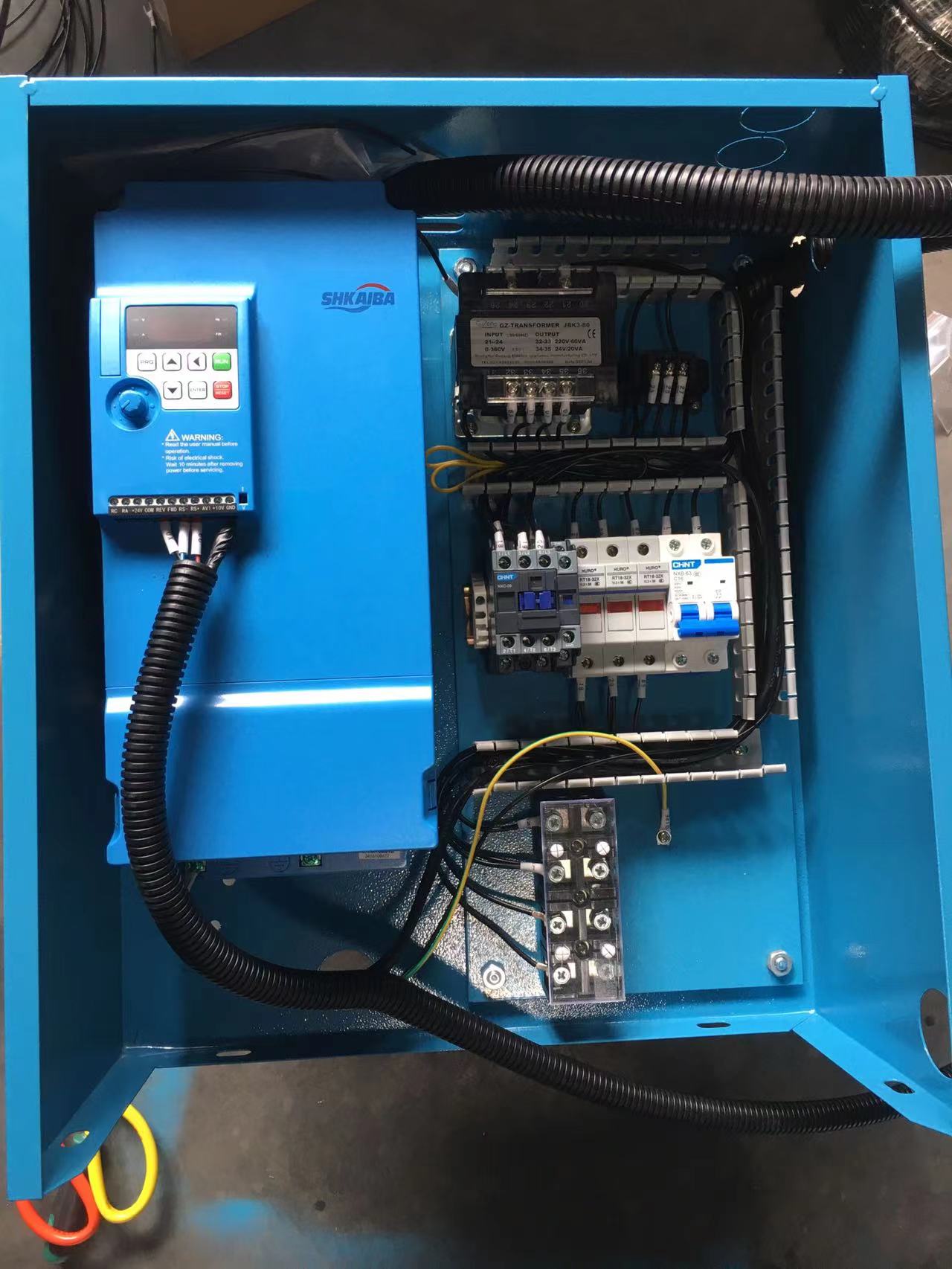
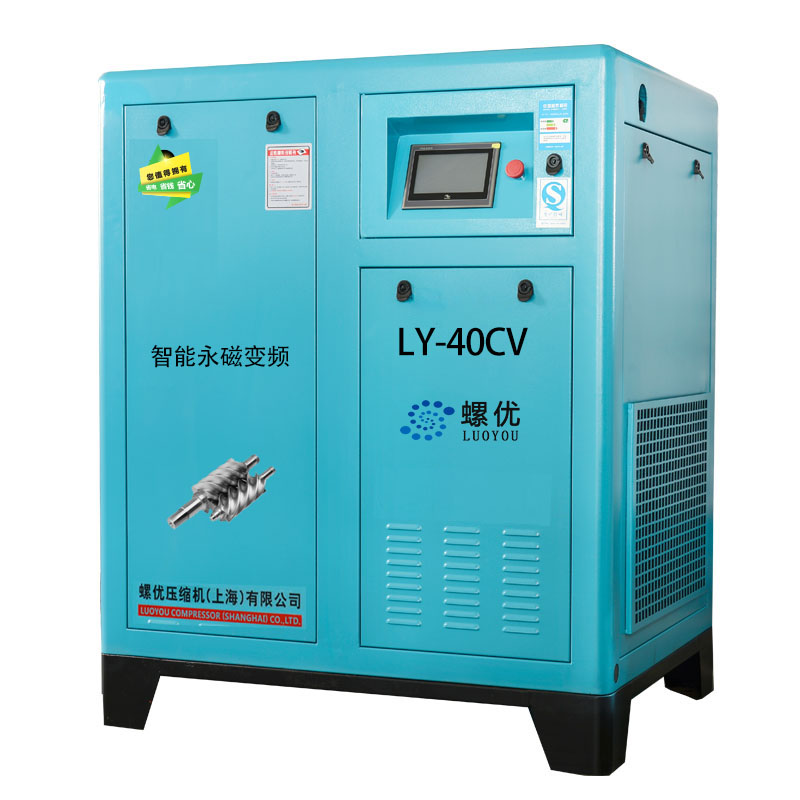
Permanent Magnet Variable Frequency (PMV) screw air compressors offer superior heat management compared to fixed-speed models. Because the PM motor can adjust its speed to match the actual air demand, it avoids the heat generated by constant loading and unloading cycles. At lower demands, the motor runs slower, generating significantly less internal friction and heat. Our PMV compressor specs include advanced VFD drives that precisely control both the air end and the cooling fan, ensuring the system only works as hard as necessary. This energy-efficient approach not only saves on electricity but also extends the life of the lubricant and seals by maintaining a stable operating temperature.
HOW DO REGIONAL ENVIRONMENTAL FACTORS IMPACT COMPRESSOR COOLING?
For operators in Southeast Asia (SEA), high humidity is a major factor. Moisture in the air can mix with the compressor oil, leading to emulsification which reduces cooling efficiency. In these regions, we recommend more frequent oil analysis and the use of high-quality air-oil separators to manage water content.
In Latin America (LATAM), grid stability and power quality can lead to voltage fluctuations. When voltage drops, the motor amperage increases, causing the motor to run significantly hotter. We equip our export models for these regions with robust electrical protection and high-efficiency motors that handle wider voltage tolerances.
In Russia and the CIS regions, the challenge is often the cold start. If the compressor is kept in an unheated space, the oil becomes too viscous to flow through the cooling circuit during the first few minutes of operation, leading to a temporary overheat trip. We offer winterization kits including oil heaters to ensure safe operation in sub-zero environments.

HOW CAN I VERIFY THE QUALITY STANDARDS OF AN INDUSTRIAL AIR COMPRESSOR MANUFACTURER?
When sourcing industrial equipment globally, verifying documentation is critical for long-term reliability. A reputable industrial air compressor manufacturer ISO 9001 certified must be able to provide valid certification numbers that can be tracked through international accreditation databases. Furthermore, ensure the products carry the CE mark, indicating compliance with European safety, health, and environmental protection standards.
AirSpace Machinery Co., Ltd. provides full export support, including detailed logistics coordination and comprehensive documentation for customs. Our 4000 square meter facility is open for virtual or in-person inspections, where you can witness our quality control processes firsthand, from the initial assembly of the air end to the final testing of the PMV system.
PREVENTIVE MAINTENANCE STANDARDS FOR OVERHEATING PREVENTION
To maintain peak performance, follow these standardized intervals based on ISO 8573-1 air quality guidelines:
Daily: Monitor the discharge temperature on the controller and check for any unusual vibration.
Weekly: Clean the air intake filters and blow down the exterior of the oil cooler.
Every 2000 Hours: Replace the air filter and oil filter. Perform an oil sampling test to check for oxidation or contamination.
Every 4000 Hours: Replace the air-oil separator element and change the lubricant completely. Inspect the thermal valve element for proper opening and closing.
By adhering to this schedule, you minimize the risk of emergency shutdowns and ensure your screw air compressor operates within its designed thermal parameters.
TECHNICAL SOURCES AND STANDARDS
ISO 9001:2015 – Quality management systems requirements for manufacturing.
ISO 1217:2009 – Displacement compressors; Acceptance tests for flow and power.
CE Certification – European Conformity standards for machinery safety.
ISO 8573-1:2010 – Compressed air contaminants and purity classes.
GET A PROPOSAL
Ready to upgrade to a high-efficiency PMV screw air compressor designed for the most demanding environments? Our engineering team is ready to assist with your specific configuration needs. Please note that lead times vary based on the custom specifications and regional voltage requirements.
Required Information:
Operating Pressure: (Please specify in bar or psi)
Required Air Flow: (Please specify in m3/min or CFM)
Submit your requirements today for a professional technical consultation and a tailored proposal.
Author: Penny Winston
Reviewed by Engineering
About the Author: Penny Winston is a technical writer at AirSpace Machinery Co., Ltd. with a focus on industrial thermodynamics and energy-efficient compressed air systems. With over a decade of experience in the manufacturing sector, she specializes in translating complex engineering data into actionable maintenance strategies for global buyers.