HOW CAN I PREVENT WATER AND MOISTURE ISSUES IN MY INDUSTRIAL COMPRESSED AIR SYSTEM?
To prevent moisture and water issues in your industrial compressed air system, you must implement a high-efficiency screw compressor with refrigerated air dryer that is correctly sized for your peak flow and ambient conditions. Moisture problems are solved by ensuring the pressure dew point remains consistently above the ambient temperature, maintaining clean heat exchanger coils, and verifying that electronic condensate drains are discharging fluid without obstruction. Clean compressed air solutions depend on the integration of high-quality filtration and drying stages that meet ISO 8573-1 standards for air purity.
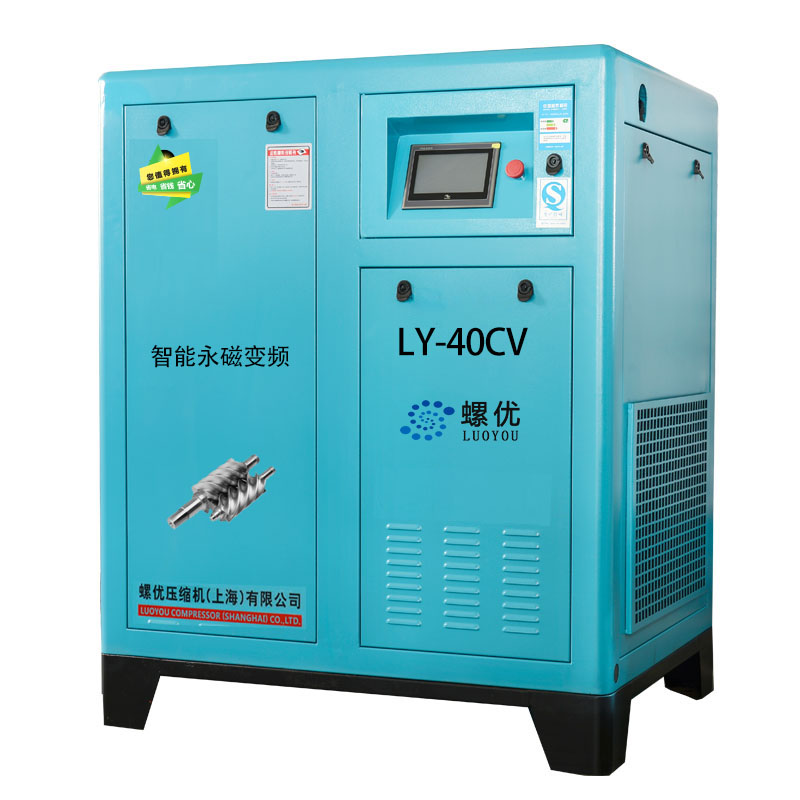
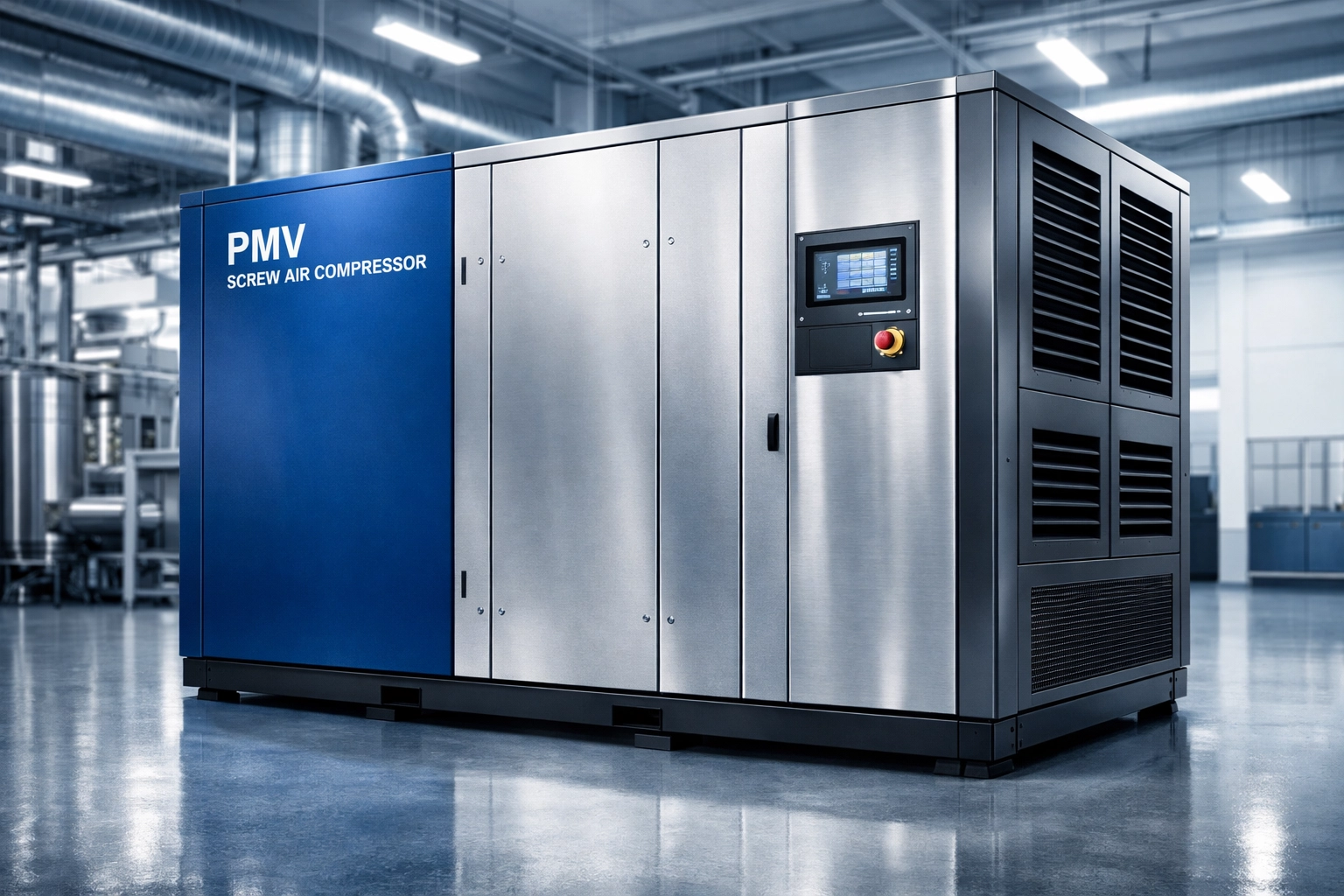
At AirSpace Machinery Co., Ltd., we draw upon 20 years of engineering excellence to manufacture industrial grade compression equipment. Operating from our 4000 square meter facility with annual sales exceeding 100 million yuan, we specialize in Permanent Magnet Variable Frequency (PMV) Screw Air Compressors designed to deliver dry, high-quality air even in the most demanding manufacturing environments.
WHY IS MY AIR DRYER PRODUCING WET AIR INSTEAD OF CLEAN COMPRESSED AIR?
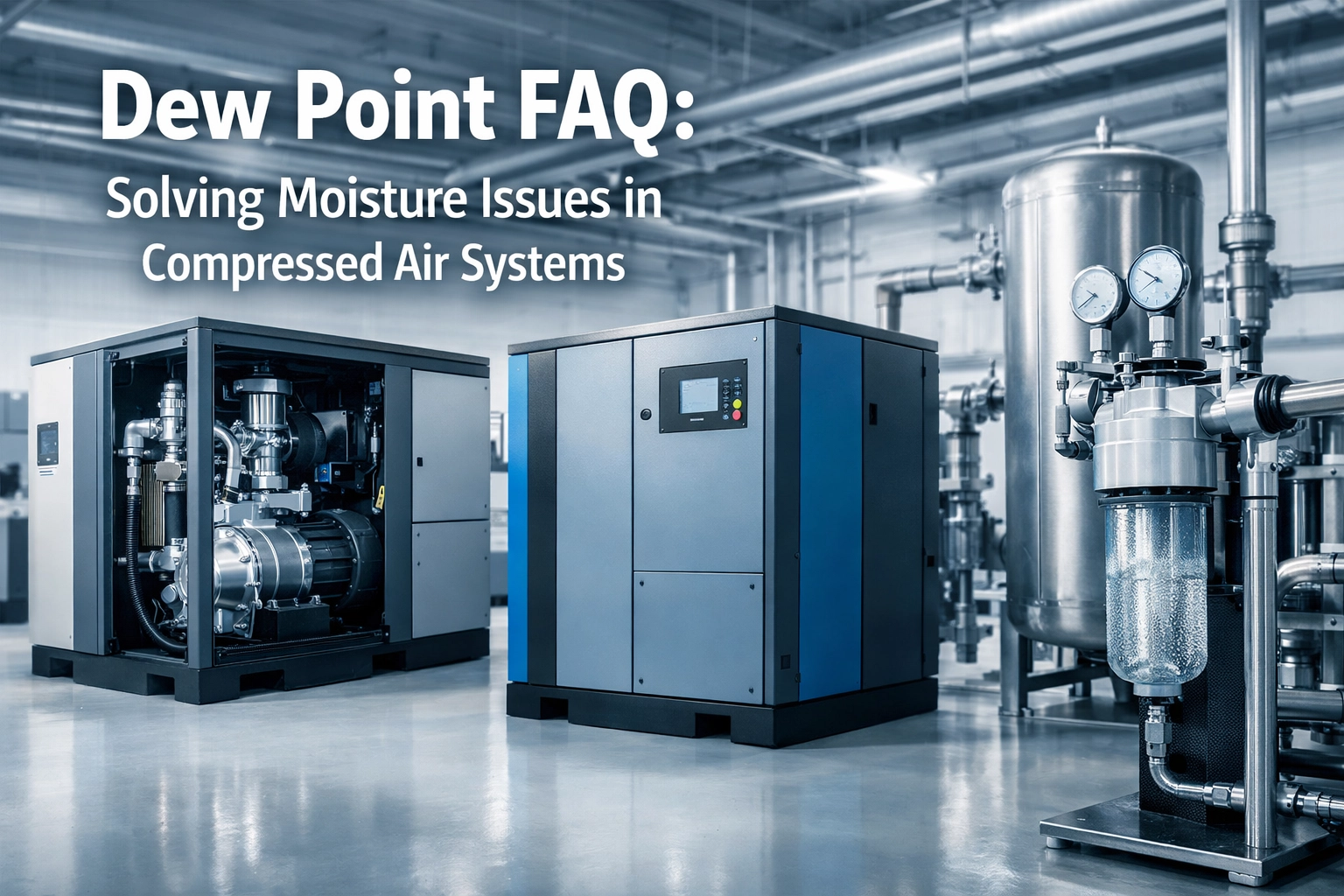
Wet air downstream of a dryer typically indicates that the unit is operating outside its design rating, suffering from poor condensation conditions, or has a failed condensate drain system. When your screw compressor with refrigerated air dryer fails to remove moisture, the first component to inspect is the heat exchanger.
Dirty condenser coils are the most frequent cause of elevated dew points. Lint, dust, and industrial debris block the airflow required for heat exchange, which prevents the refrigerant from cooling the compressed air to its target dew point. We recommend cleaning the refrigeration condenser coil with a soft brush or compressed air weekly. For more severe contamination, a mild detergent wash may be necessary to restore thermal efficiency.
Inlet conditions also play a critical role. If the air entering the dryer is hotter than the design specification, often 35 to 45 degrees Celsius, the refrigeration system will be overwhelmed. High-efficiency industrial grade compression equipment must be matched to the actual air temperature leaving the compressor aftercooler. Finally, low refrigerant levels caused by microscopic leaks can impair the cooling process. Professional maintenance should include periodic refrigerant pressure checks to ensure the system meets its rated moisture removal capacity.
https://cdn.marblism.com/cDpCGNgnq6c.png
WHY DOES LIQUID WATER KEEP APPEARING IN MY DOWNSTREAM PIPING?
Liquid water in your piping usually results from a defective condensate drain discharge system or an inadequate pipe layout that allows remaining moisture to condense as the air cools. Even with a functioning dryer, if the condensate is not physically removed from the system, it will eventually be carried downstream into your pneumatic tools or production machinery.
Check the automatic drain valves on your dryer, receiver tank, and filters. If these valves are blocked or the electronic timer is set incorrectly, water will build up. We recommend using zero-loss electronic drains which only open when water is present, saving energy and ensuring reliable discharge. Furthermore, check the room temperature and ambient conditions. If your compressed air travels through cold areas, any residual moisture will condense into liquid. Proper clean compressed air solutions involve maintaining a pressure dew point that is at least 10 degrees Celsius lower than the lowest ambient temperature your pipes will encounter.
HOW DO I TROUBLESHOOT WATER ISSUES IN REFRIGERATED VERSUS DESICCANT SYSTEMS?
Troubleshooting refrigerated air dryers involves monitoring the refrigeration pressure and the outlet air temperature. In a refrigerated system, the goal is to chill the air to approximately 3 degrees Celsius, forcing water vapor to condense into liquid. If the temperature gauge on your refrigerated dryer shows a higher value, the system is failing to cool the air sufficiently. Common fixes include cleaning the condenser, checking the cooling fan operation, and ensuring the dryer is not bypassed.
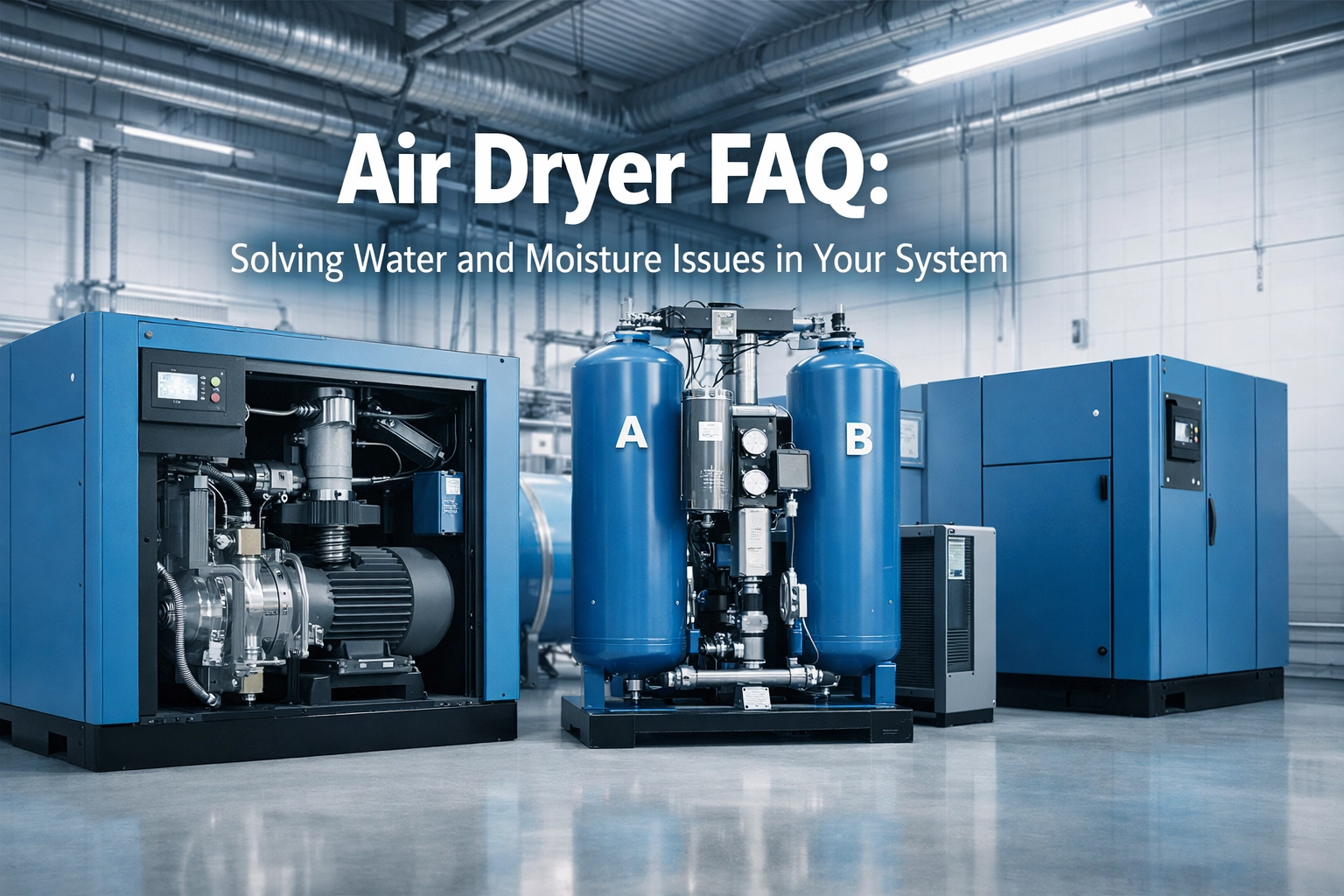
In contrast, desiccant air dryers use chemical adsorption to remove moisture, achieving much lower dew points, often down to minus 40 degrees Celsius. If a desiccant system is producing wet air, it is usually because the desiccant beads have become saturated with oil or water. This happens if the pre-filters, which protect the desiccant from compressor oil carryover, are not maintained. Another common issue is excessive pressure in the regenerating tower; for heatless desiccant dryers, the regenerating tower must reach zero pressure to allow the purge air to strip moisture from the beads effectively.
WHAT DOES IT MEAN IF POWDER OR PASTE IS BEING EXPELLED FROM THE DRYER?
When powder or white paste is expelled from the purge line or downstream outlets, it signifies that the desiccant material is being pulverized or chemically contaminated. This is a serious issue that can clog valves and damage sensitive equipment.
The primary causes are excessive vibration in the dryer mounting or high-velocity air surges that cause the desiccant beads to rub together and break down. Additionally, oil carryover from the screw compressor can coat the desiccant, turning it into a paste that is eventually forced out of the system. To solve this, ensure your screw compressor with refrigerated air dryer has a high-quality oil-removing pre-filter and that the dryer is securely mounted on a stable, level surface. If contamination has occurred, the entire desiccant charge must be replaced.
https://cdn.marblism.com/yFOqnsxkcHI.jpg
HOW CAN I VERIFY IF MY AIR DRYER IS OPERATING WITHIN INTERNATIONAL STANDARDS?
You can verify air dryer performance by checking the visual moisture indicator or using a calibrated dew point sensor to compare results against ISO 8573-1:2010 quality classes. ISO 8573-1 is the primary international standard for compressed air quality, defining maximum allowable concentrations of water, oil, and particles.
For most industrial manufacturing, a Class 4 water rating, requiring a pressure dew point of 3 degrees Celsius or better, is sufficient. This is typically achieved using a refrigerated air dryer. For high-precision electronics or pharmaceutical applications, Class 1, 2, or 3 may be required, necessitating a desiccant dryer. Always ensure your equipment carries CE and ISO 9001 certifications, which confirm that the manufacturer follows strict quality management and safety protocols during production. At AirSpace Machinery, all our industrial grade compression equipment undergoes rigorous testing to guarantee compliance with these global benchmarks.
WHAT ROUTINE MAINTENANCE PREVENTS MOISTURE PROBLEMS IN COMPRESSED AIR?
A preventive maintenance schedule is the most effective way to ensure clean compressed air solutions and prevent unplanned downtime. We recommend the following routine:
Daily: Check the condensate drain operation and observe the pressure dew point gauge.
Weekly: Clean the air-cooled condenser coils of the dryer.
Monthly: Inspect all filters for pressure drops and clean the air intake filters.
Annually: Perform a full service, including filter element replacement, refrigerant level checks, and valve inspections.
Regularly replacing filter elements is vital. Clogged filters not only reduce air pressure but also allow contaminants and moisture to bypass the drying stage. By maintaining your screw compressor with refrigerated air dryer properly, you extend the life of your downstream equipment and reduce energy consumption.
https://cdn.marblism.com/yjGkiyGx_j2.png
REGIONAL CONSIDERATIONS FOR MOISTURE MANAGEMENT
Industrial buyers in Southeast Asia must account for high ambient humidity and elevated dew points. In tropical climates, dryers must be oversized by 20 to 30 percent to handle the latent heat load of moisture-heavy air.
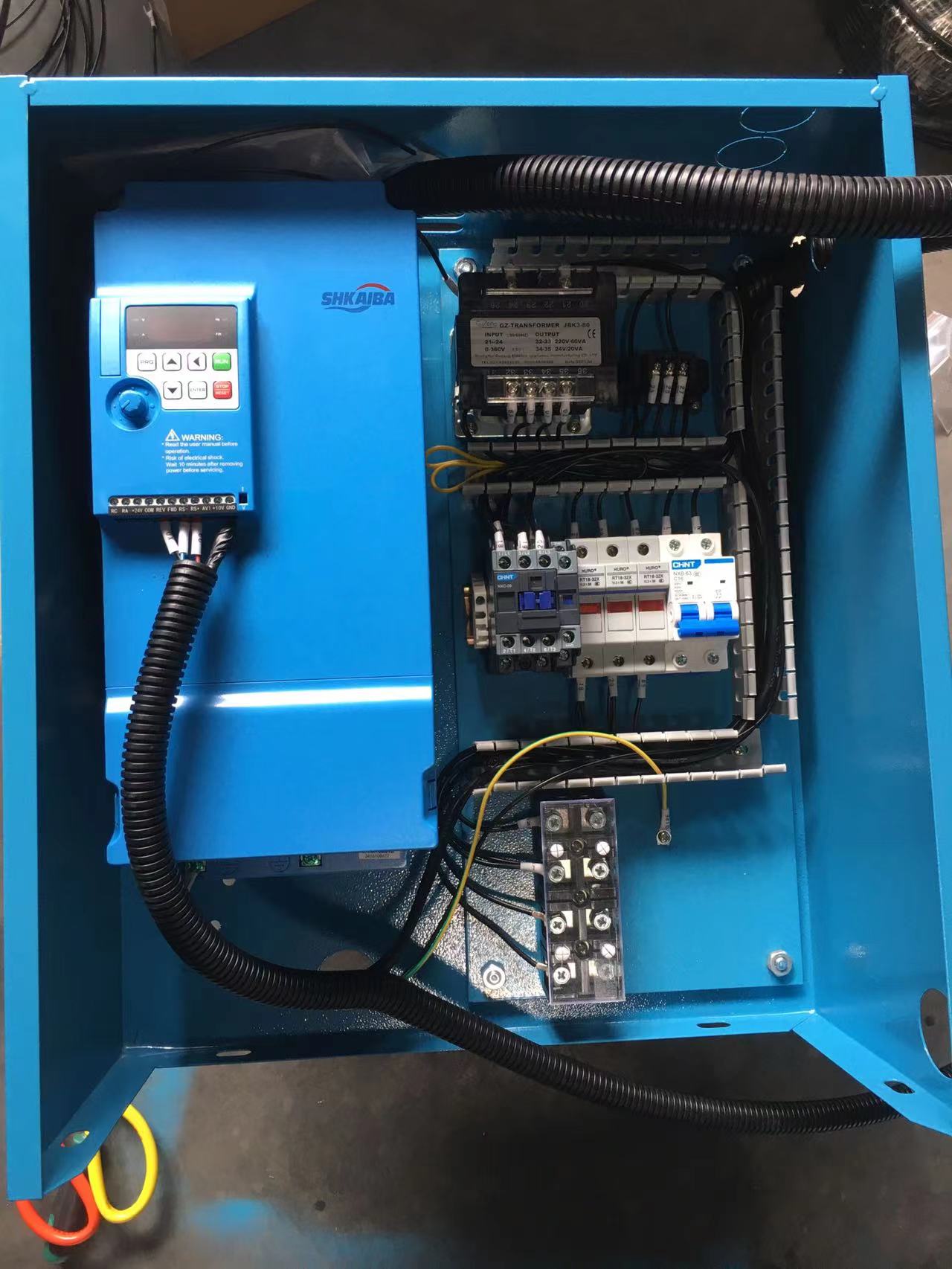
In Latin America, grid stability and power quality often fluctuate. We recommend using PMV Screw Air Compressors with advanced variable frequency drives that can handle minor voltage variances while protecting the refrigeration compressor within the air dryer.
For Russia and the CIS region, winterization is critical. If your compressor system or piping is located in unheated areas, you must use heat-traced lines and insulated dryers to prevent condensate from freezing in the pipes, which can cause catastrophic system failures.
WHY SHOULD YOU CHOOSE AIRSPACE MACHINERY FOR CLEAN COMPRESSED AIR SOLUTIONS?
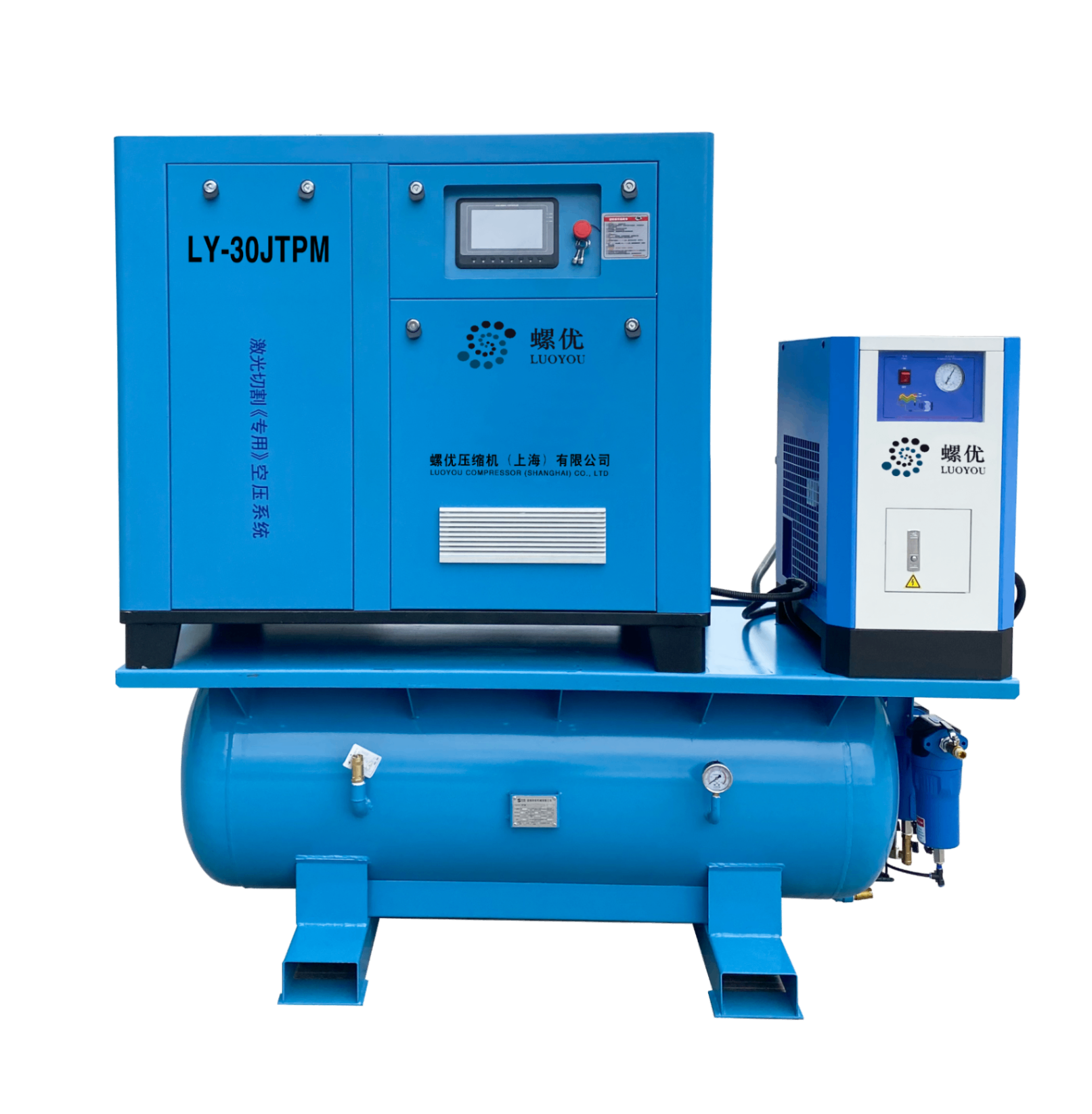
AirSpace Machinery Co., Ltd. provides comprehensive industrial grade compression equipment that integrates the latest Permanent Magnet Variable Frequency (PMV) technology. Our systems are built to provide significant energy savings, often reducing electrical costs by 30 to 50 percent compared to traditional fixed-speed units. By choosing an integrated screw compressor with refrigerated air dryer, you receive a pre-configured, tested solution that simplifies installation and ensures immediate air quality.
Our 4000 square meter facility employs advanced production lines to ensure every unit meets CE and ISO 9001 standards. With a focus on reliability and technical precision, we help global buyers navigate logistics and export requirements, providing robust documentation and engineering support for every shipment.
https://cdn.marblism.com/cAuvllVAITn.jpg
GET A PROPOSAL
If you are experiencing moisture issues or are looking to upgrade to an energy-efficient industrial air system, our engineering team is ready to help. Lead times vary based on specific machine configurations and pressure requirements. To receive a detailed quote, please contact us with your specifications.
Please provide the following mandatory information:
Required Pressure: Specify in bar or psi
Required Flow Rate: Specify in m3/min or CFM
SOURCES AND STANDARDS
ISO 8573-1:2010: Compressed air contaminants and purity classes.
ISO 9001:2015: Quality management systems requirements.
CE Marking: European Economic Area health, safety, and environmental protection standards.
Author: Penny Winston
Reviewed by Engineering
To learn more about our manufacturing process and quality standards, visit our about page at https://www.chinacompressor.org/about or browse our latest products at https://www.chinacompressor.org/shop. For technical support, please visit https://www.chinacompressor.org/contact-us.