Air Compressor Pressure Drops: 9 Real Causes (and Fixes That Actually Work)
You've got an energy-efficient air compressor running. Production is humming along. Then someone shouts from the floor: "Pressure's dropping again!"
Sound familiar?
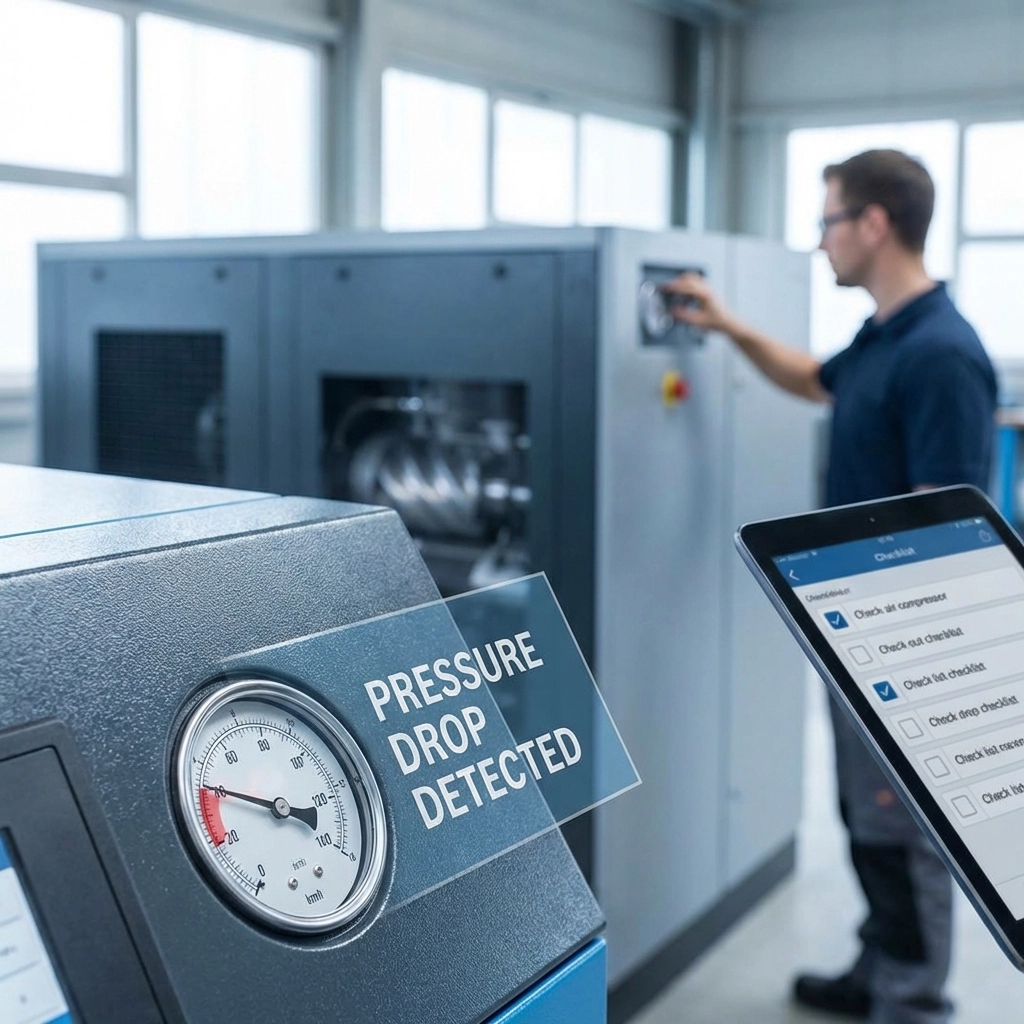
Pressure drop is one of the most common , and most frustrating , problems in compressed air systems. It wastes energy, slows down tools, and can even damage equipment. The worst part? Most plants just crank up the compressor pressure to compensate, which burns more electricity without solving the root cause.
Let's fix that. Here are nine real causes of pressure drop we see in industrial plants, plus fixes that actually work.
- Undersized Piping
The problem: Your pipes are too narrow for the airflow your system needs. Air has to squeeze through, creating resistance and friction. The result? Pressure loss before air even reaches your tools.
The fix: Match your pipe diameter to your system's flow rate. A common rule: keep air velocity below 6 m/s in main headers and below 15 m/s in branch lines. If you're unsure, measure your actual flow (in m³/min or CFM) and consult a piping chart.
This is basic, but it's overlooked constantly , especially when plants expand production without upgrading the distribution network.
- Poor System Layout
The problem: Too many bends, tees, elbows, and dead ends. Every turn adds friction. A messy layout is the most common reason for pressure drop issues.
The fix: Redesign your layout with straight, direct routes. Use loop systems instead of dead-end branches. Keep the path from compressor to point-of-use as short and smooth as possible.
If a full redesign isn't in the budget, start by eliminating unnecessary dead legs and replacing sharp 90° elbows with swept bends.
- Corroded or Rough Pipe Interiors
The problem: Old black iron pipes corrode over time. Rust flakes off, narrows the pipe, and creates a rough surface that slows airflow.
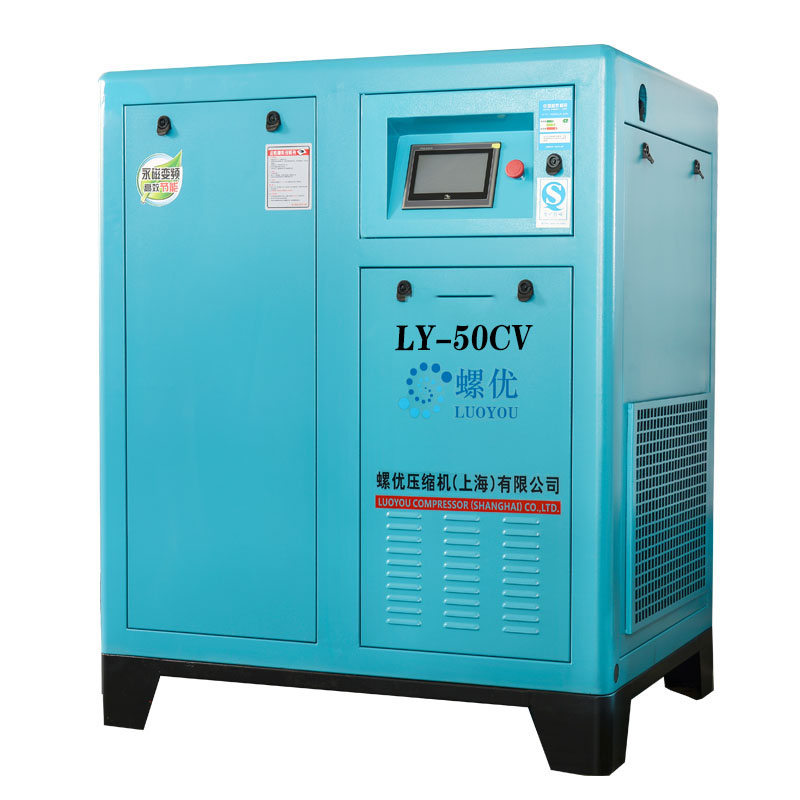
The fix: Replace corroded piping with aluminum or stainless steel. These materials resist corrosion and have smooth interiors that reduce friction. Yes, it's an investment : but it pays back in lower energy bills and fewer pressure headaches.
If you're installing a new energy-efficient air compressor, don't connect it to a rusty old pipe network. You'll lose the efficiency gains before air reaches the floor.
- Clogged Filters
The problem: Filters catch dust, oil aerosols, and particles. That's their job. But when they get clogged, they restrict airflow and create a bottleneck.
The fix: Check filter differential pressure regularly. Most filters have a gauge or indicator. Replace elements before they hit the "change now" threshold : not after.
At AirSpace Machinery, we recommend pairing our PMV screw compressors with properly sized inline filters and setting a maintenance schedule based on actual operating hours, not just calendar time.
- Leaks in Hoses, Couplings, and Joints
The problem: Leaks are silent killers. A single 3mm leak at 7 bar can waste over 4 kW of compressor power : 24/7. Multiply that across dozens of fittings, and you're bleeding money.
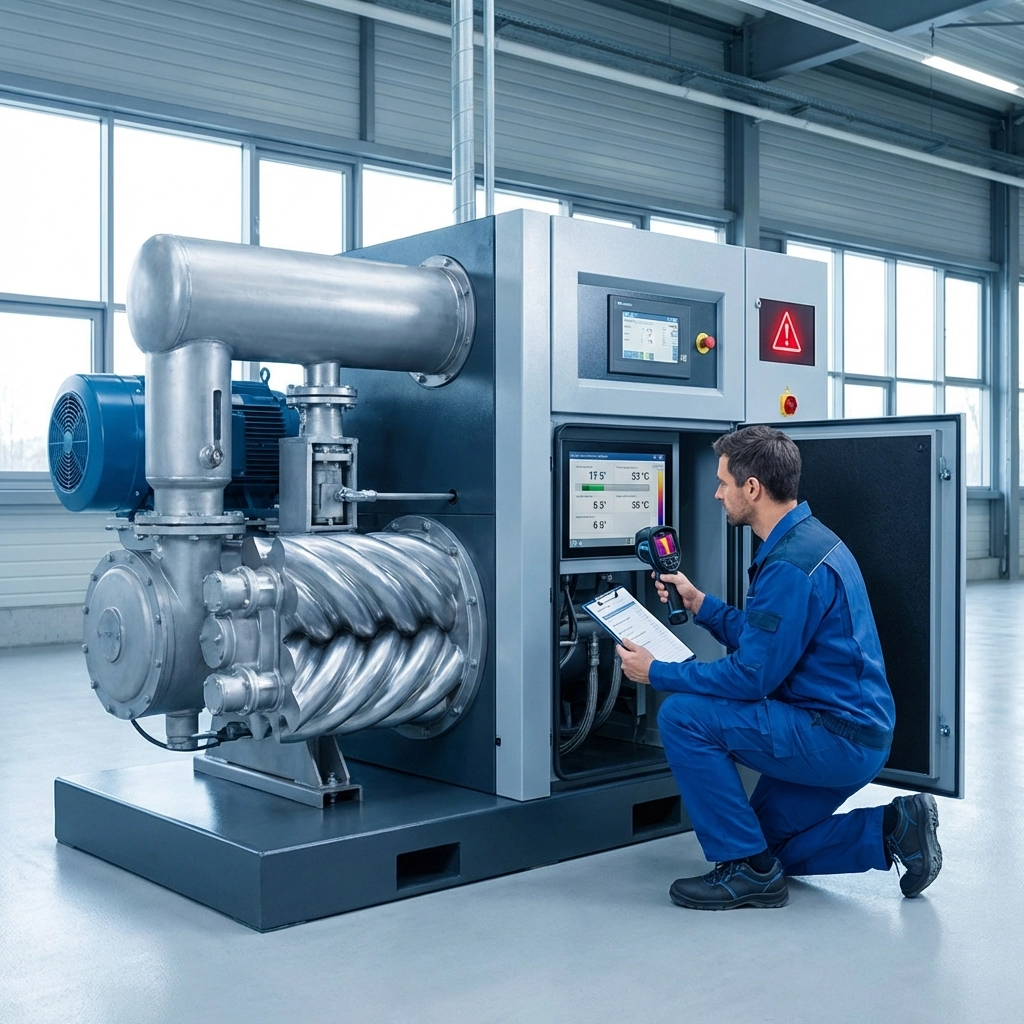
The fix: Do a leak audit. Walk the floor with an ultrasonic leak detector (or even just soapy water on joints). Mark every leak, fix it, and track the results.
Quick-connect couplers are a common culprit. If they're worn or cheap, replace them with industrial-grade fittings.
- Excessive Pipe Length
The problem: The longer the pipe run, the more friction. Air loses pressure over distance, especially if the pipe is undersized or has internal roughness.
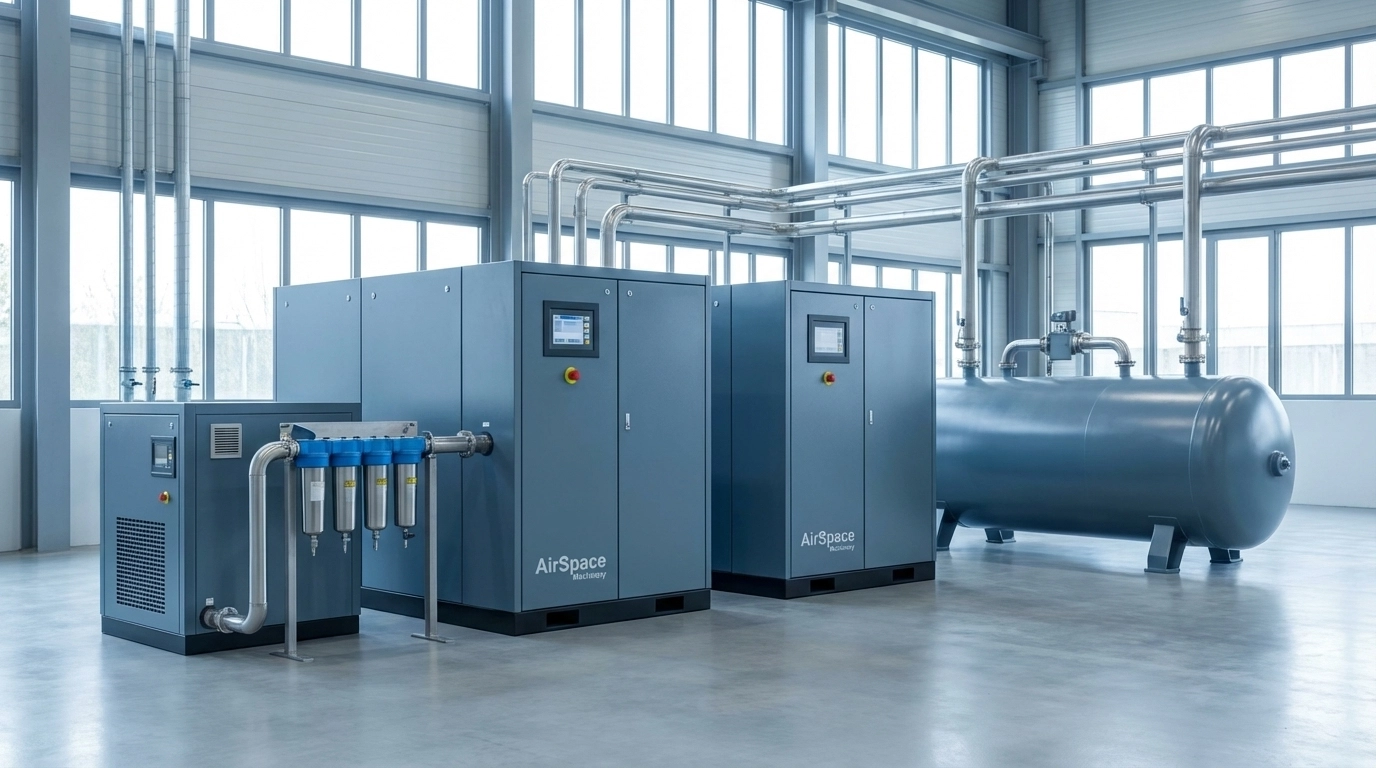
The fix: Shorten runs where possible. If you can't shorten them, upsize the pipe diameter to compensate. And place your air receiver tank (we recommend 1000L+ for most plants) close to the compressor to stabilize pressure before distribution.
- Too Many Bends and Obstructions
The problem: Each elbow, valve, and fitting adds "equivalent length" to your system : meaning extra resistance. Dirt, dust, and scale buildup inside pipes make it worse.
The fix: Audit your piping layout. Remove unnecessary fittings. Use full-port ball valves instead of globe valves. And schedule periodic internal pipe cleaning, especially in older systems.
If you're running an energy-efficient air compressor but haven't touched your piping in years, you're probably losing 10–15% of your pressure before it reaches the tools.
- Faulty or Miscalibrated Regulators
The problem: Regulators control pressure at the point of use. If they're stuck, worn, or miscalibrated, they can choke airflow or give inaccurate readings.
The fix: Test regulators with a calibrated gauge. Reset or replace any that are off spec. And don't set all regulators to max : match them to the actual pressure each tool needs.
- Undersized or Worn Dryers and Separators
The problem: Air dryers (refrigerated or desiccant) and oil/water separators have flow limits. If they're undersized for your system, they create a choke point. If they're worn, efficiency drops.
The fix: Size dryers and separators for your actual peak flow, not just average flow. Check pressure differential across these components monthly. Replace elements and service internals on schedule.
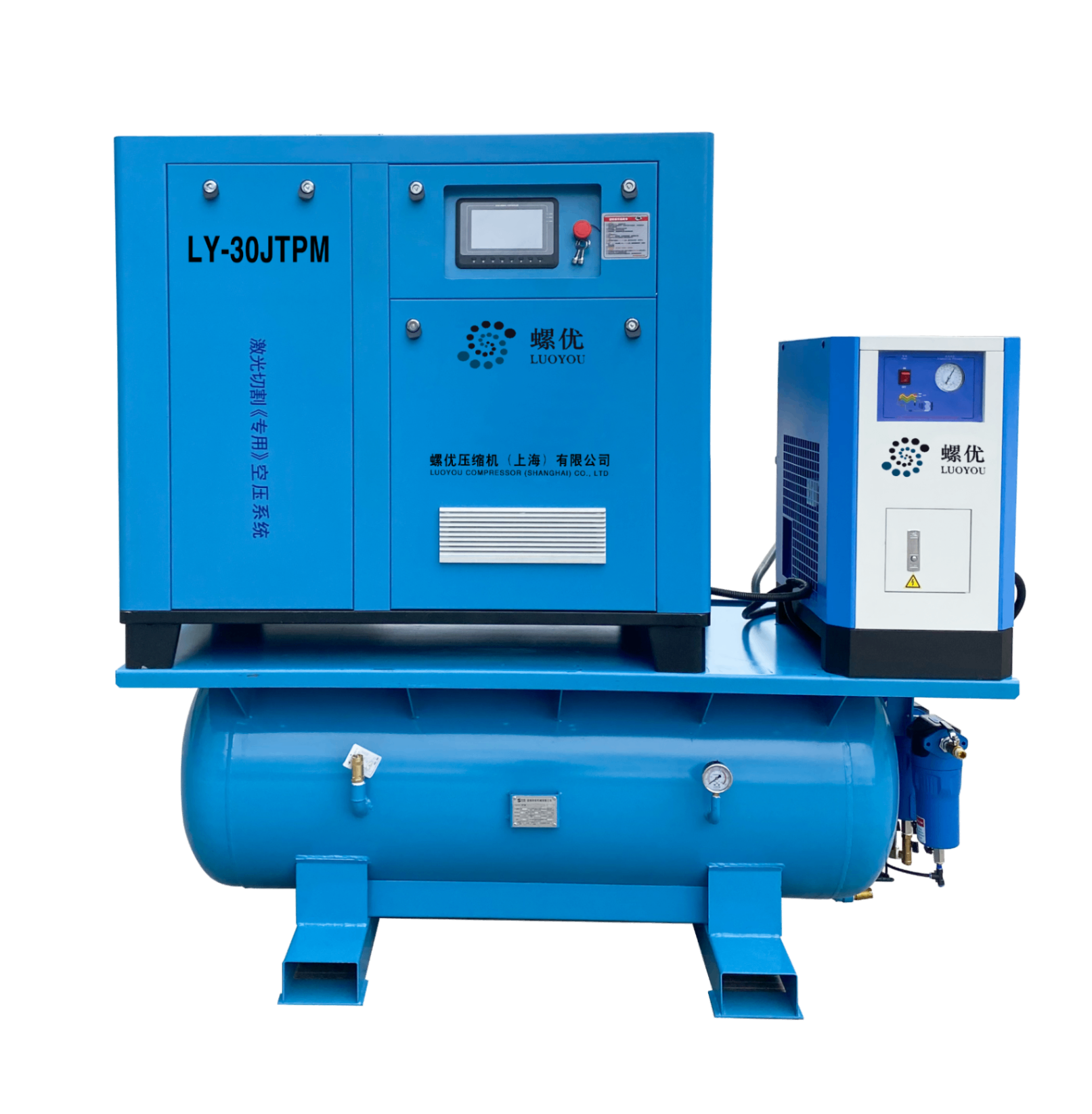
Our PMV screw compressors pair well with properly matched refrigerated dryers : this combo keeps dew point stable and minimizes pressure loss across the treatment chain.
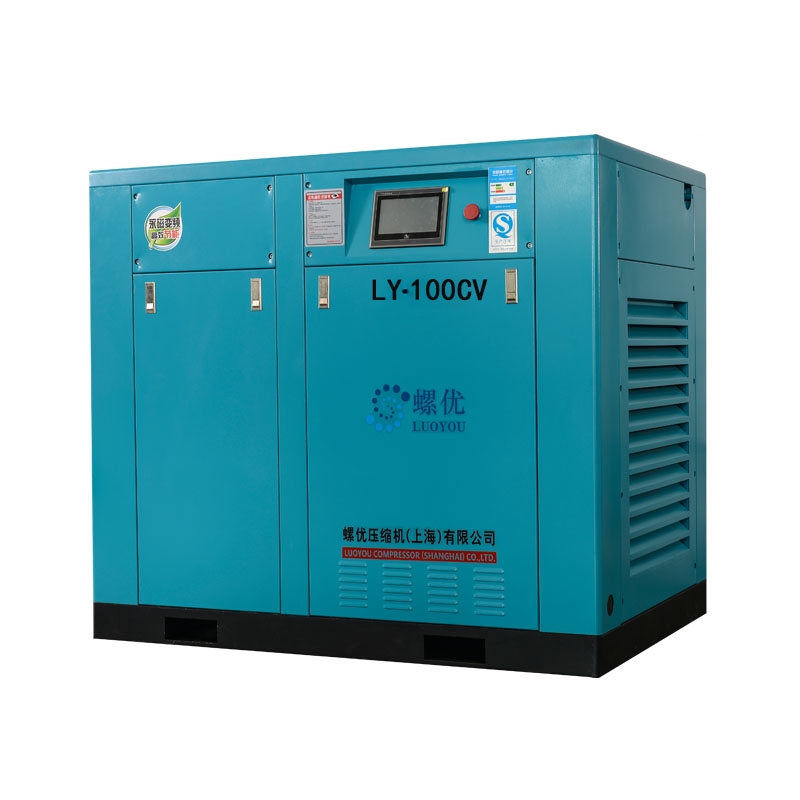
The Real Long-Term Fix: Better System Design
Quick fixes (like raising compressor pressure) mask the problem. They don't solve it. And they cost you more in energy every month.
The most effective approach:
1 – Invest in quality components : compressors, dryers, filters, and piping rated for your actual demand.
2 – Design a clean distribution network : short runs, minimal bends, proper sizing.
3 – Maintain regularly : filters, drains, regulators, leak checks.
4 – Monitor continuously : IoT-enabled compressors (like our PMV series) let you track pressure, flow, and energy in real time, so you catch problems before they become expensive.
Most pressure drop issues come from subpar construction and neglected maintenance : not from the compressor itself.
Ready to Fix Your Pressure Problems?
If you're losing pressure and wasting energy, we can help. AirSpace Machinery supplies energy-efficient air compressor systems : PMV screw compressors, dryers, filters, tanks, and piping : designed to work together and minimize pressure loss.
Get a Proposal : tell us your pressure (bar/psi) and flow (m³/min or CFM), and we'll recommend a system that fits your plant.
Reviewed by Engineering
About the Author
Penny Winston | AirSpace Machinery
Penny writes about compressed air systems, energy efficiency, and practical maintenance for industrial plants. She works with the engineering team at AirSpace Machinery to turn technical knowledge into useful, plain-English content.
Sources & Standards
1 – Pressure drop guidelines based on ISO 8573-1 (compressed air quality) and Compressed Air & Gas Institute (CAGI) best practices.
2 – Leak cost estimates based on industry calculations at 7 bar operating pressure.
3 – Pipe velocity recommendations per CAGI and European compressed air standards.