How to Choose the Best Refrigerated Air Dryer for Your Facility (Compared)
Moisture in your compressed air system causes corrosion, damages pneumatic tools, and compromises product quality. For facilities running screw-type air compressors, selecting the right refrigerated air dryer is essential for protecting downstream equipment and maintaining operational efficiency. This guide breaks down the three main types of refrigerated dryers, compares their performance characteristics, and helps you make an informed decision for your specific application.
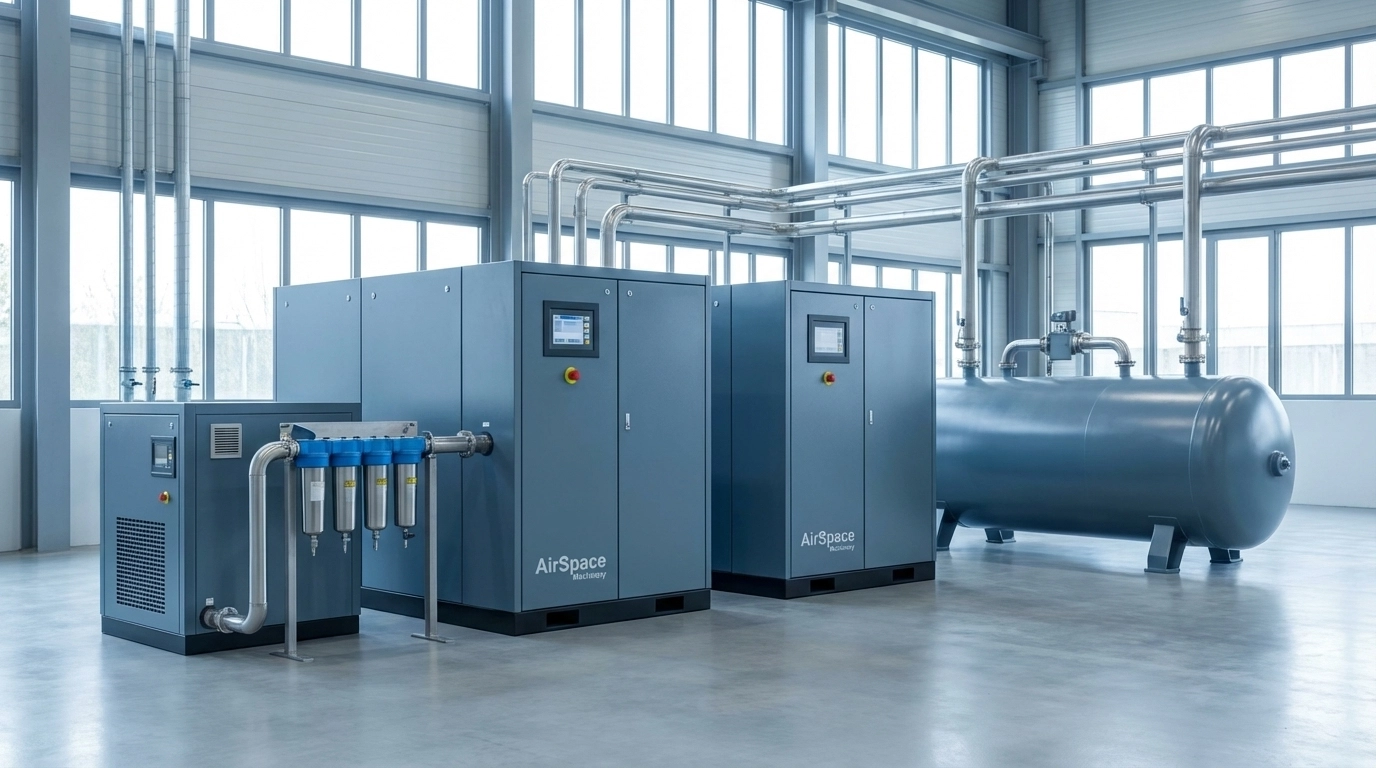
With over a decade of experience manufacturing Energy-Efficient Air Compressor systems, AirSpace Machinery Co., Ltd. operates from a 4000m² production facility dedicated to delivering reliable compressed air solutions for global industrial markets.
Why Refrigerated Air Dryers Matter for Industrial Operations
Compressed air naturally contains water vapor. As air cools downstream from your compressor, this moisture condenses and creates problems throughout your system. Refrigerated air dryers cool the compressed air to between 35-50°F (2-10°C), condensing moisture before it reaches your tools, processes, and products.
For most general industrial applications: including automotive manufacturing, metal fabrication, food packaging, and electronics assembly: refrigerated dryers provide the ideal balance of performance and cost-effectiveness. They deliver pressure dew points suitable for approximately 90 percent of industrial compressed air applications.
Three Types of Refrigerated Air Dryers Explained
Understanding the differences between dryer technologies helps you match equipment to your facility's actual operating conditions.
Non-Cycling Refrigerated Dryers
Non-cycling dryers run their refrigerant compressor continuously, regardless of air demand. This design includes two subtypes: Direct Expansion (DX) systems and Plate Heat Exchanger configurations.
Advantages: These units deliver minimal dew point swings and consistent moisture removal throughout operation. The technology is proven, simple, and carries the lowest upfront cost among refrigerated dryer options.
Disadvantages: Energy consumption remains constant whether your facility is running at full capacity or sitting idle over a weekend. No energy savings occur during partial or zero airflow periods.
Best Application: Facilities with consistent, continuous compressed air demand where the compressor runs at steady load throughout shifts.
Cycling Refrigerated Dryers
Cycling dryers shut off the refrigerant compressor during low-demand periods, reducing energy consumption when full cooling capacity is not required. Two main technologies exist in this category: Thermal Mass and Digital Scroll.
Thermal Mass designs use a cold storage medium (typically glycol or aluminum blocks) that absorbs cooling capacity during operation. When air demand drops, the refrigerant compressor cycles off while the thermal mass continues to cool incoming air.
Digital Scroll units use a variable capacity compressor that modulates cooling output continuously. This technology provides rapid cycling, excellent dew point control precision, and faster response to changing air demands. Digital scroll dryers are typically smaller and lighter than thermal mass designs.
Advantages: Significant energy savings during variable-demand operations. Moderate upfront investment compared to full VSD technology.
Disadvantages: Dew point swings occur as the system cycles. Thermal mass units require more floor space.
Best Application: Facilities with variable shift patterns, seasonal demand changes, or operations where air consumption fluctuates throughout the day.
Variable Speed Drive (VSD) Air Dryers
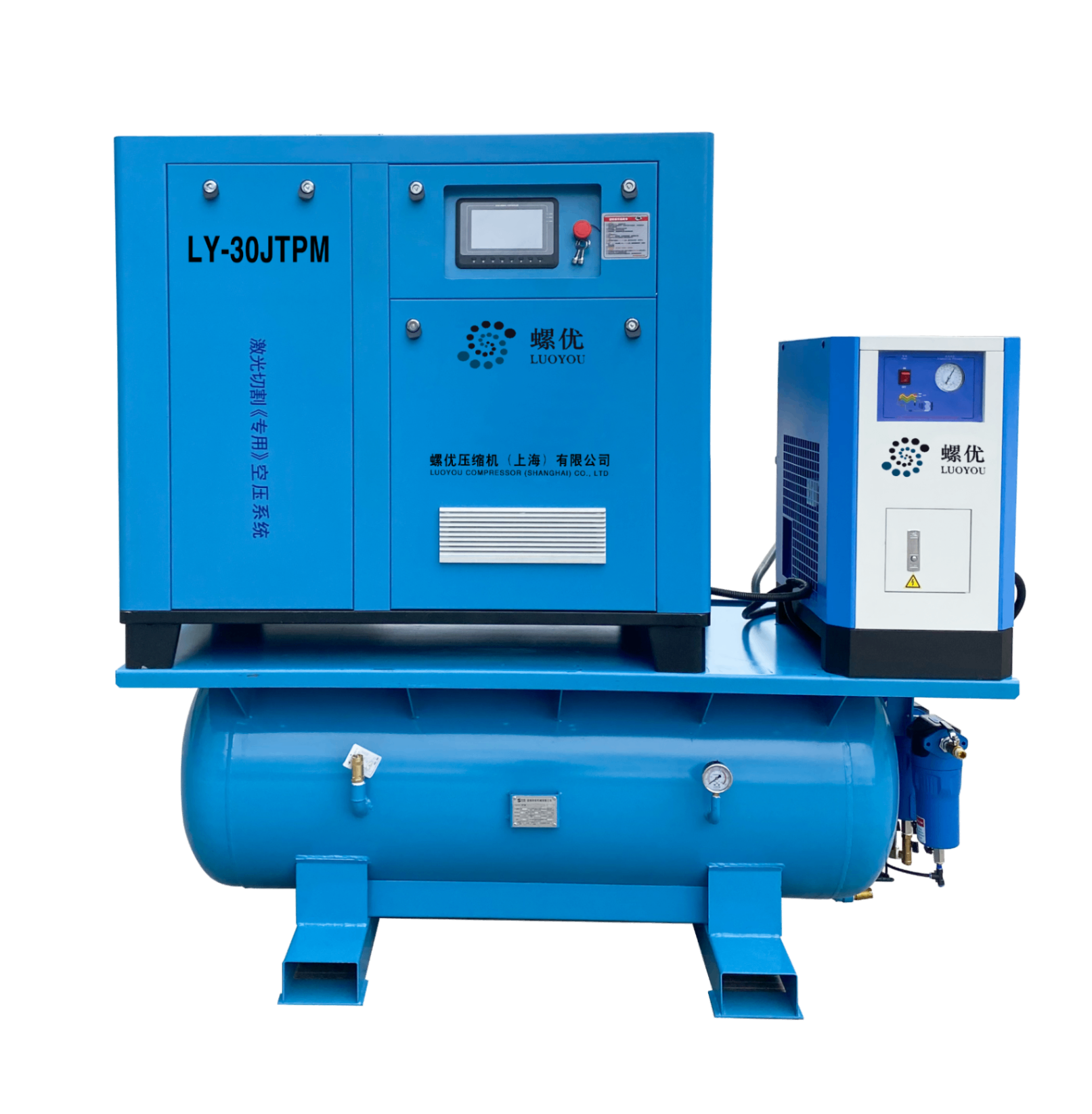
VSD refrigerated dryers represent the most advanced option available. These units adjust compressor speed in real-time to match actual compressed air flow, providing precise capacity control across the entire operating range.
Advantages: Highest energy efficiency across all load conditions. Stable dew point control without the cycling variations of thermal mass systems. Faster response to demand changes. Lower long-term operating costs.
Disadvantages: Higher initial investment. More complex controls require trained maintenance personnel.
Best Application: Facilities prioritizing long-term energy savings, operations with highly variable demand patterns, or sites pairing dryers with Energy-Efficient Air Compressor systems using VSD technology.
Performance Comparison Table
The following comparison highlights key differences across dryer technologies:
Factor: Capital Cost
Non-Cycling: Lowest initial investment
Cycling: Moderate investment
VSD: Highest initial investment
Factor: Energy Efficiency
Non-Cycling: No savings at partial or zero flow
Cycling: Moderate savings during low demand
VSD: Maximum efficiency across all loads
Factor: Dew Point Stability
Non-Cycling: Minimal variation, most consistent
Cycling: Some swings during cycling periods
VSD: Stable control, minimal variation
Factor: Response Speed
Non-Cycling: Constant operation, no lag
Cycling: Thermal mass slower, digital scroll faster
VSD: Fastest response to demand changes
Factor: Maintenance Complexity
Non-Cycling: Simplest design, lowest maintenance
Cycling: Moderate complexity
VSD: More complex, requires trained technicians
Factor: Space Requirements
Non-Cycling: Compact footprint
Cycling: Thermal mass larger, digital scroll compact
VSD: Similar to non-cycling
Key Selection Criteria for Your Facility
Matching dryer technology to your specific operation requires evaluating several factors beyond equipment cost.
Demand Profile Analysis
Review your compressed air consumption patterns over a typical week or month. Facilities running three shifts with consistent production benefit from non-cycling dryers. Operations with significant demand variation: multiple shifts, weekend shutdowns, or seasonal fluctuations: realize substantial savings with cycling or VSD technology.
Total Cost of Ownership
Calculate energy costs over the expected equipment lifespan, typically 10-15 years. A VSD dryer with higher upfront cost often delivers lower total ownership cost than a non-cycling unit running 24/7 at facilities with variable demand.
System Integration
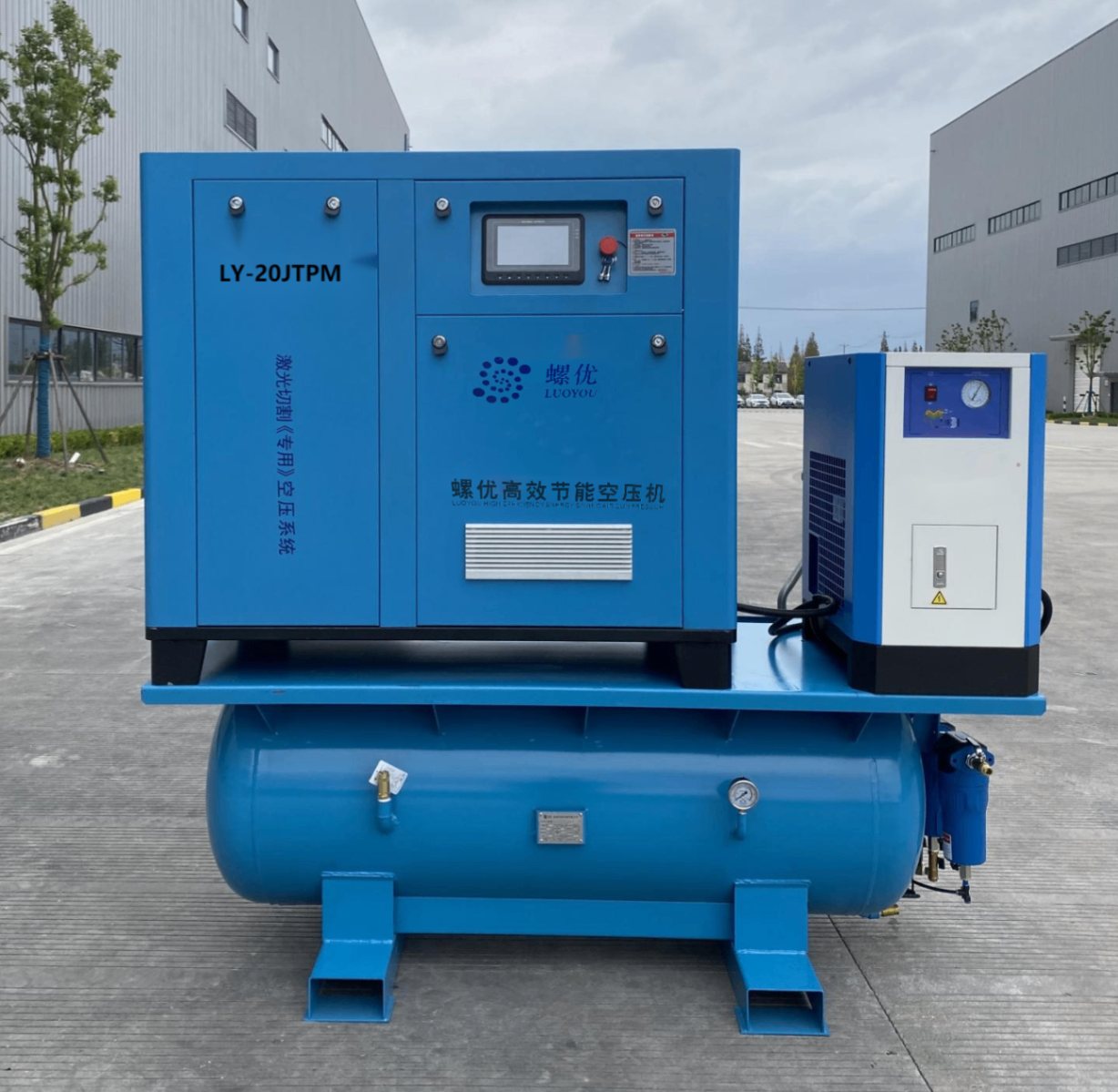
Pairing dryer technology with your compressor configuration maximizes efficiency. Facilities using Permanent Magnet Variable Frequency (PMV) screw compressors from AirSpace Machinery benefit from matching VSD dryer technology for coordinated capacity control.

Environmental Conditions
Ambient temperature affects dryer performance. Higher inlet temperatures increase cooling load requirements. Facilities in hot climates or with compressors located in non-climate-controlled spaces should size dryers with appropriate safety margins.
Decision Framework: Choosing Your Dryer Type
Use this framework to guide your selection:
Choose Non-Cycling Dryers when your facility operates with consistent, continuous air demand across all shifts. The lower upfront cost makes sense when energy savings from cycling or VSD technology would be minimal due to steady-state operation.
Choose Cycling Dryers (Thermal Mass or Digital Scroll) when your facility experiences variable air demand but wants to balance energy savings against initial investment. Digital scroll technology suits applications requiring tighter dew point control.
Choose VSD Dryers when your facility prioritizes long-term energy savings, operates with highly variable demand patterns, or seeks to integrate with existing VSD compressor systems for coordinated efficiency.
Sizing Considerations
Proper sizing ensures your dryer handles peak demand while maintaining target dew points. Key specifications include:
Flow Capacity: Match dryer CFM rating to your compressor output, with appropriate safety margin for future expansion.
Inlet Temperature: Higher temperatures from compressor discharge require larger dryer capacity.
Operating Pressure: Dryer ratings typically reference 100 psig (7 bar). Adjust capacity calculations for different operating pressures.
Ambient Conditions: Installations in hot environments require derating from published specifications.
AirSpace Machinery engineering teams assist with sizing calculations for facilities integrating refrigerated dryers with our Energy-Efficient Air Compressor product lines. Our CE and ISO 9001 certified systems ensure compliance with international quality standards.

Ready to Optimize Your Compressed Air System
Selecting the right refrigerated air dryer reduces energy costs, protects downstream equipment, and maintains consistent air quality for your processes. Whether you are specifying equipment for a new installation or upgrading an existing system, matching dryer technology to your actual demand profile delivers measurable returns.
Get a Proposal from AirSpace Machinery for integrated compressed air solutions including screw compressors, refrigerated dryers, and complete air treatment systems. Contact our engineering team through our inquiry form at www.chinacompressor.org/contact-us with your pressure (bar/psi) and flow (m³/min or CFM) requirements. Lead times depend on configuration and destination.
Sources and Standards
Dew point specifications reference ISO 8573-1 compressed air quality standards for moisture content classification. Energy efficiency comparisons based on published industry data for refrigerated dryer technologies operating at rated conditions. All AirSpace Machinery products carry CE marking and ISO 9001 certification.
Author: Penny Winston | AirSpace Machinery
Penny Winston covers compressed air technology, energy efficiency, and industrial equipment selection for AirSpace Machinery Co., Ltd.
Reviewed by Engineering