The 2026 Global Buyer's Guide to Importing Industrial Air Compressors (From China to Your Factory)
Importing industrial air compressors from China is one of the most cost-effective ways to equip your facility with reliable, energy-efficient air compressor technology in 2026. China now accounts for roughly 29 percent of global manufacturing output, with compressor supply projected to reach 1.18 billion kilograms by 2026. The key to a successful purchase lies in verifying certifications, understanding the technology, and partnering with an experienced manufacturer.
This guide answers the most common questions global buyers ask when sourcing screw air compressors from China, from certification verification to logistics and after-sales support.
Why Import Air Compressors From China?
The direct answer: Chinese manufacturers offer competitive pricing, advanced technology like Permanent Magnet Variable Frequency (PMV) systems, and scalable production capacity that Western suppliers often cannot match.
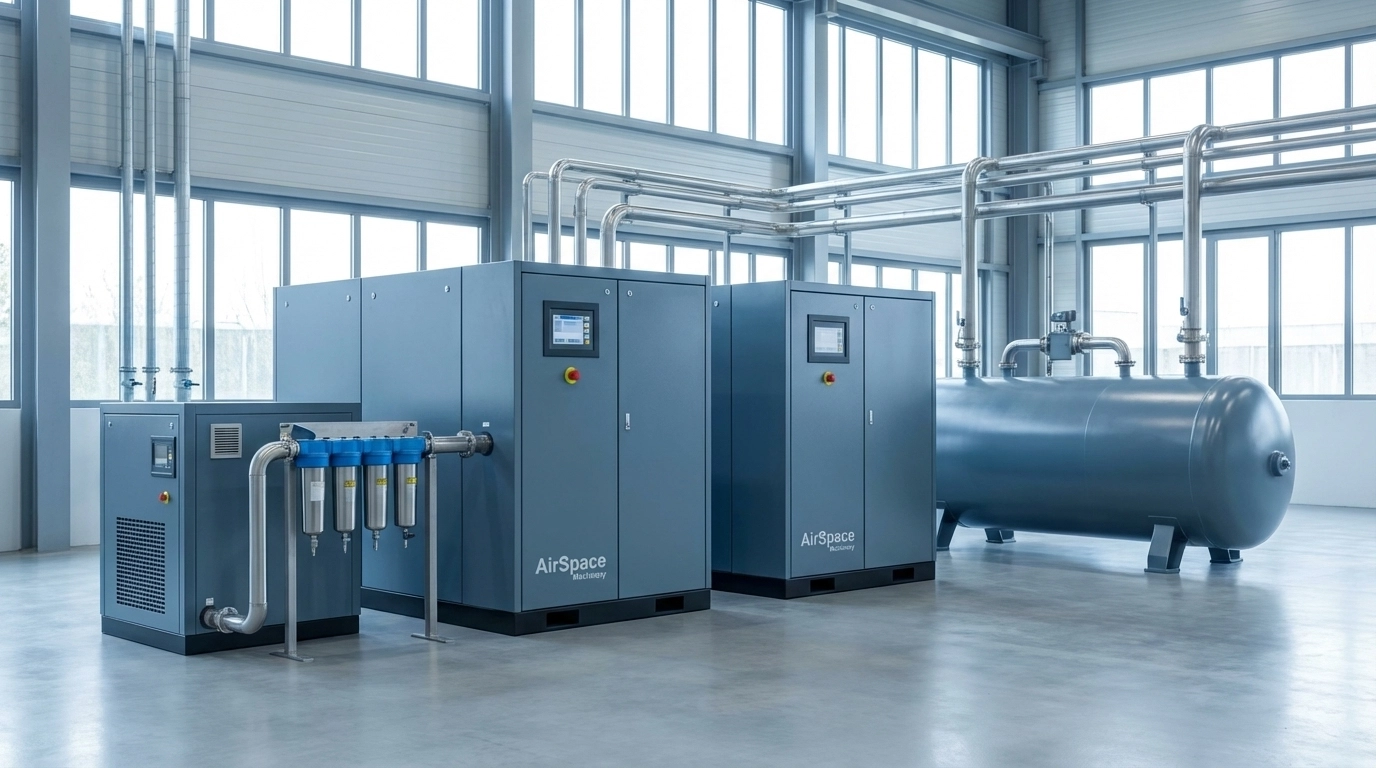
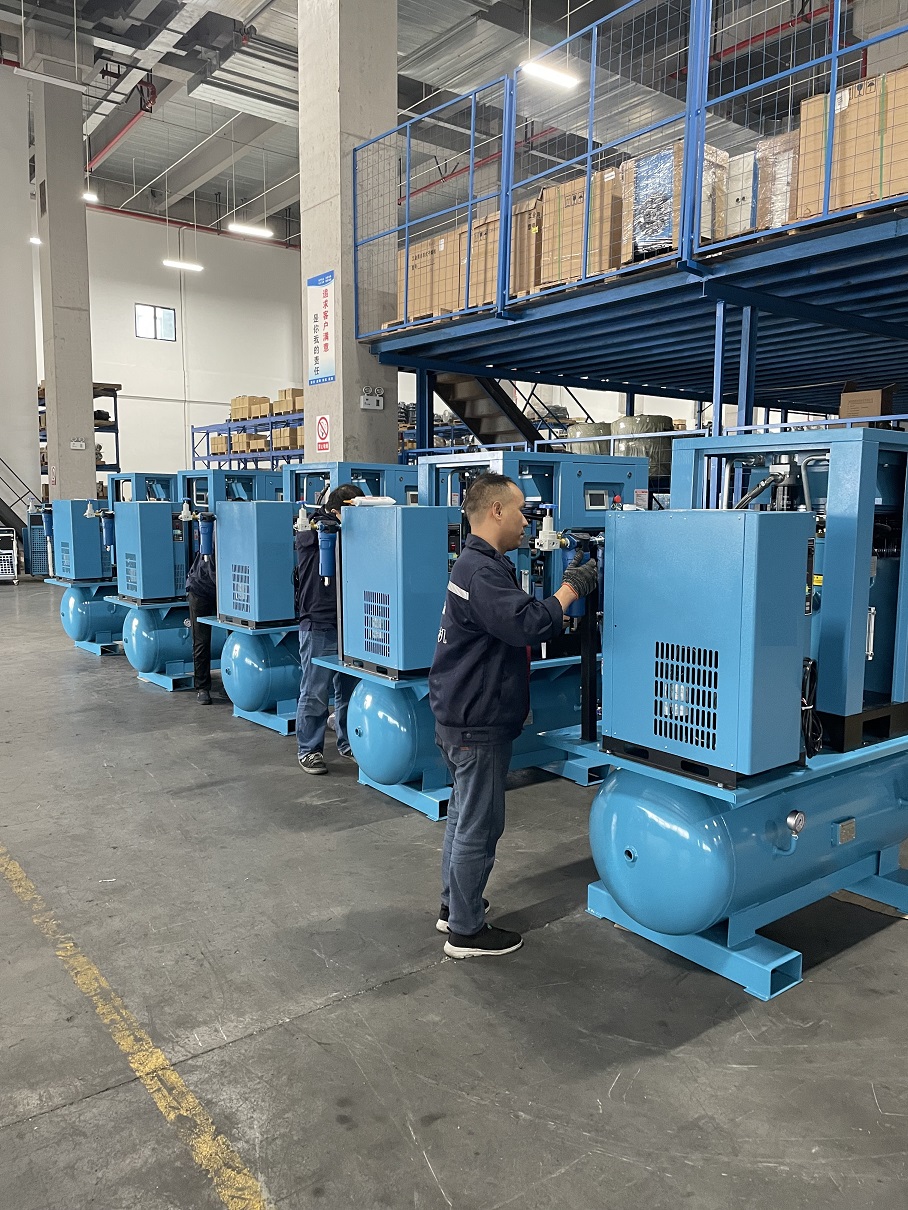
With 20 years of engineering excellence, a 4000m² manufacturing facility, and annual sales exceeding 100 million yuan, AirSpace Machinery Co., Ltd. represents the caliber of supplier global buyers should seek. Our product range spans 2HP to 180HP, including oil-free screw compressors, low and medium pressure units, diesel portable models, and refrigerated air dryers, all certified to CE and ISO 9001 standards.

How to Verify CE and ISO 9001 Certifications (And Avoid Counterfeits)
The direct answer: Request the original certificate PDF, verify the certificate number with the issuing body, and ask for third-party audit reports.
Counterfeit certification is a real concern when importing from any country. Here is how to protect your purchase:
Request the actual certificate document, not just a logo on marketing materials. Legitimate certificates include a unique registration number, the certification body's name, and an expiration date.
Cross-reference the certificate number on the issuing body's official database. For CE marking, check the EU NANDO database. For ISO 9001, verify through the certification body's website or IAF CertSearch.
Ask for recent third-party audit reports or factory inspection records. Reputable manufacturers like AirSpace Machinery welcome transparency and can provide documentation upon request.
Request product-specific test reports, especially for safety and performance standards relevant to air compressors.
If a supplier hesitates or provides excuses, consider it a red flag and explore alternatives.
Understanding PMV Technology: How Much Energy Will You Actually Save?
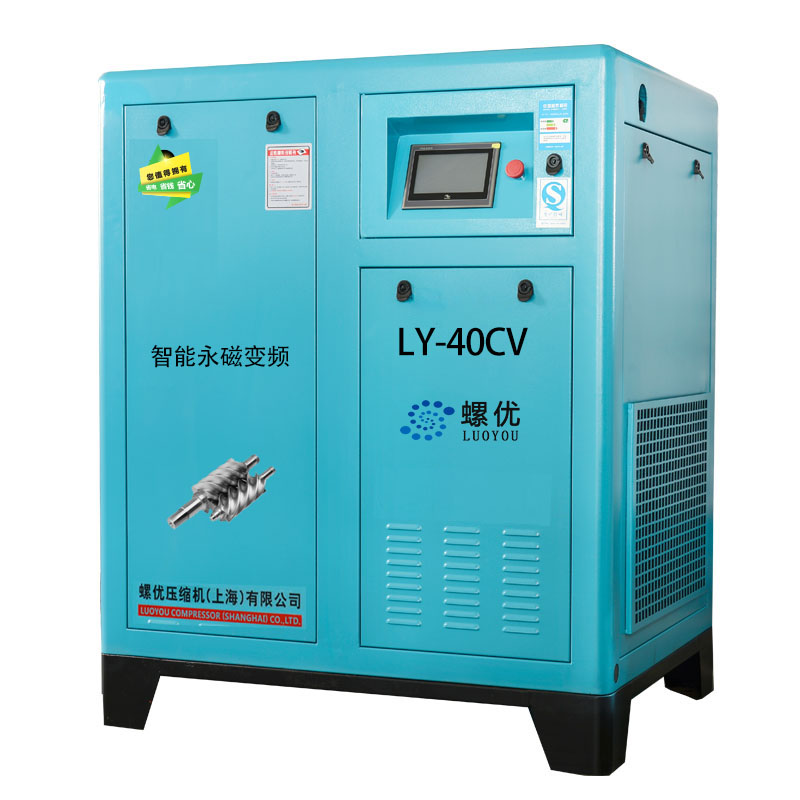
The direct answer: Permanent Magnet Variable Frequency (PMV) screw compressors typically deliver 25 to 40 percent energy savings compared to fixed-speed models, depending on your demand profile.
PMV technology uses a permanent magnet motor combined with a variable frequency drive (VFD) to match compressor output precisely to your air demand. Unlike fixed-speed compressors that run at full capacity regardless of need, PMV units scale up or down in real time.
Here is how to verify those savings before you buy:
Request specific power consumption data (kW per m³/min or CFM) at various load percentages, 25, 50, 75, and 100 percent.
Ask for case studies or documented results from similar applications.
Compare the quoted figures against ISO 1217 testing standards, which define how compressor performance should be measured.
Calculate your facility's load profile. If your air demand fluctuates throughout the day (most facilities experience 40 to 70 percent average load), a PMV energy-efficient air compressor will outperform a fixed-speed unit significantly.
AirSpace Machinery's PMV screw compressors are engineered for continuous operation with low noise levels, advanced digital controls, and robust construction designed to deliver long-term savings.
Selecting the Right Compressor for Your Industry
The direct answer: Your industry determines the air quality class, pressure range, and whether you need oil-free or oil-injected technology.
Electronics Manufacturing
Requires ISO 8573-1 Class 1 or Class 0 air quality. Particulates, oil, and moisture can damage sensitive components. Oil-free screw compressors paired with refrigerated or desiccant dryers are the standard choice. Typical pressure: 7 to 8 bar (100 to 115 psi).
Textile Production
Demands consistent pressure and high volume for pneumatic looms and spinning equipment. Oil-injected screw compressors with proper filtration work well here. Typical pressure: 6 to 8 bar (87 to 115 psi).
Pharmaceutical and Food Processing
Strict contamination controls require ISO 8573-1 Class 0 (oil-free) air. Stainless steel piping and validated filtration systems are mandatory. Documentation and traceability are critical for compliance audits.
Automotive Manufacturing
Varied applications from paint spraying (requiring clean, dry air) to general pneumatic tools. A combination of oil-free units for critical processes and oil-injected units for general use often makes the most sense.
Construction and Portable Applications
Diesel portable screw compressors provide flexibility for remote sites without reliable power. Look for units with integrated aftercoolers and moisture separators.
Oil-Free vs Oil-Injected: Making the Right Choice
The direct answer: Choose oil-free when air purity is non-negotiable (food, pharma, electronics). Choose oil-injected when upfront cost and maintenance simplicity matter more than trace oil content.
Oil-injected screw compressors are reliable workhorses with lower initial costs and simpler maintenance. Modern filtration can reduce oil carryover to 0.01 mg/m³ or less, which is acceptable for many industrial applications.
Oil-free screw compressors eliminate the risk of oil contamination entirely, making them essential for sensitive processes. They typically cost more upfront but avoid the ongoing expense of oil changes and multi-stage filtration.
Logistics, Incoterms, and Lead Times
The direct answer: Most Chinese compressor exports ship FOB (Free on Board) or CIF (Cost, Insurance, Freight). Lead times typically range from 4 to 8 weeks depending on configuration and order volume.
Key logistics considerations:
Confirm the Incoterm clearly in your purchase contract. FOB means you arrange shipping from the port; CIF means the supplier handles shipping to your destination port.
Request detailed packing specifications. Industrial compressors should be crated on fumigated wooden pallets with moisture protection and shock indicators.
Arrange pre-shipment inspection through a third-party agency to verify the equipment matches your specifications before it leaves the factory.
Understand import duties and documentation requirements for your country. Your freight forwarder can advise on HS codes and customs procedures.
Lead times depend on configuration. Standard models from stock ship faster; customized units or large orders require additional production time. AirSpace Machinery provides transparent lead time estimates based on your specific requirements.
Spare Parts, Warranty, and After-Sales Support
The direct answer: Establish spare parts availability, warranty terms, and technical support channels before you place your order, not after.
Questions to ask your supplier:
What is the standard warranty period, and what does it cover?
Are spare parts available for direct purchase, and what are typical delivery times to your region?
Does the supplier provide remote technical support, commissioning guidance, or on-site service?
Can they supply maintenance manuals and wiring diagrams in your language?
AirSpace Machinery maintains spare parts inventory for all current models and provides technical documentation and remote support to global customers. Our engineering team is available for commissioning guidance and troubleshooting assistance.
Ready to Source Your Next Energy-Efficient Air Compressor?
Global buyers trust AirSpace Machinery for our 20 years of engineering excellence, CE and ISO 9001 certified quality, and comprehensive product range from 2HP to 180HP. Whether you need a PMV screw compressor for energy savings, an oil-free unit for pharmaceutical applications, or a complete system with dryers and filtration, we are ready to provide a detailed proposal tailored to your requirements.
Visit our product catalog at https://www.chinacompressor.org/shop or contact us directly at https://www.chinacompressor.org/contact-us to get a proposal. Please specify your required pressure (bar or psi) and flow rate (m³/min or CFM) so we can recommend the optimal configuration for your facility.
Reviewed by Engineering
Author
Penny Winston | AirSpace Machinery
Content Specialist covering industrial compressed air systems, energy efficiency, and global sourcing for manufacturing facilities worldwide.
Sources and Standards Referenced
ISO 8573-1:2010 – Compressed air quality classes for particles, water, and oil content
ISO 1217:2009 – Displacement compressor acceptance tests
CE Marking Directive 2014/68/EU – Pressure Equipment Directive
ISO 9001:2015 – Quality management systems requirements
China Compressor Market Data – Industry supply projections for 2026