Do You Really Need to Replace Your Air Compressor? Here’s the Truth
Author: Penny Winston | AirSpace Machinery Co., Ltd.
Every plant manager faces this decision eventually. Your screw air compressor is showing its age, repair bills are stacking up, and someone on the floor mentions that newer models use far less electricity. But does your situation actually call for a brand-new energy-efficient air compressor, or is that just what the sales brochures want you to believe?
The truth is somewhere in the middle. Replacement is not always the answer, but neither is stubbornly clinging to outdated equipment. This article breaks down exactly when to repair, when to replace, and how to run the numbers so you make the right call for your operation.
Understanding the Typical Life Cycle of an Industrial Screw Air Compressor
A well-maintained industrial screw air compressor typically delivers reliable service for 10 to 15 years. That lifespan depends heavily on operating conditions, maintenance schedules, and duty cycle. Factories running compressors 24/7 in hot, dusty environments will see shorter equipment life than facilities with moderate demands and climate-controlled compressor rooms.
Age alone, however, does not determine whether your compressor needs replacing. A 12-year-old unit with a solid maintenance history and minimal downtime may have years of productive life remaining. Meanwhile, a 6-year-old compressor plagued by repeated failures and expensive repairs could already be costing you more than it is worth.
The real question is not “How old is my compressor?” but rather “What is my compressor actually costing me right now, and what will it cost me over the next three to five years?”
The 50 Percent Rule: A Simple Benchmark That Works
Industry professionals often rely on what is known as the 50 percent rule. If a single repair costs more than 50 to 60 percent of what a comparable new compressor would cost, replacement typically makes more financial sense.
This rule provides a clear, objective starting point. Suppose your 75 kW screw compressor needs a major airend rebuild quoted at 15,000 USD, and a new energy-efficient air compressor with similar capacity costs 25,000 USD. That repair represents 60 percent of the replacement cost. At that threshold, most operations would be better served investing in new equipment.
But the 50 percent rule is just the beginning. Smart decision-makers also factor in reliability history, parts availability, and long-term energy costs.
Repair Costs Versus New Compressor Efficiency: Running the Real Numbers
Here is where most buyers underestimate replacement value. Older screw compressors, especially fixed-speed models manufactured before 2015, consume significantly more electricity than modern Permanent Magnet Variable Frequency (PMV) units.
Studies across the compressed air industry consistently show that legacy compressors use 20 to 30 percent more energy than current PMV technology. For a factory running compressors around the clock, that gap translates to thousands of dollars in excess electricity costs every year.
Consider this scenario. Your existing 55 kW fixed-speed compressor runs approximately 6,000 hours annually. At an electricity rate of 0.10 USD per kWh, you spend roughly 33,000 USD per year on power for that single unit. A new PMV screw compressor delivering equivalent output might reduce consumption by 25 percent, saving you over 8,000 USD annually.
Over a five-year period, those savings total 40,000 USD, often exceeding the purchase price of the replacement compressor itself. When you factor in reduced maintenance costs and improved reliability, the financial case for upgrading becomes even stronger.
When Repair Still Makes Sense
Not every aging compressor belongs on the scrap heap. Repair remains the practical choice under several conditions.
If your compressor is relatively new or still under warranty, repair is almost always preferable. Manufacturers stand behind their equipment, and warranty coverage significantly reduces out-of-pocket costs.
When parts remain readily available and affordable, and the compressor has demonstrated consistent reliability over the years, a repair often extends productive life at minimal cost. A single component failure on an otherwise healthy unit does not justify full replacement.
Simpler repairs, such as replacing contactors, valves, or sensors, typically make economic sense regardless of compressor age. These components wear out as part of normal operation and are designed to be serviced.
Finally, if qualified service technicians are available in your area and can complete repairs quickly, minimizing downtime strengthens the argument for keeping your current equipment running.
When Replacement Becomes the Right Call
Certain situations make replacement the obvious choice.
Frequent breakdowns signal deeper problems. If your compressor requires service every month or two, you are dealing with systemic wear that individual repairs cannot solve. Chronic unreliability also disrupts production, creating hidden costs that never appear on maintenance invoices.
Rising electricity bills without increased production demand indicate declining compressor efficiency. As airends wear and seals degrade, compressors work harder to deliver the same output, consuming more power in the process.
Unusual vibrations, excessive noise, inconsistent discharge pressure, and visible oil contamination are all warning signs that major components are approaching end of life. Waiting until complete failure often results in unplanned downtime and emergency replacement at premium prices.
Parts availability matters as well. If your compressor model has been discontinued and replacement parts require long lead times or aftermarket sourcing, you face increasing risk of extended outages. Modern PMV screw compressors from established manufacturers like AirSpace Machinery benefit from robust parts supply chains and global service networks.
The PMV Advantage: Why Modern Compressors Deliver More Value
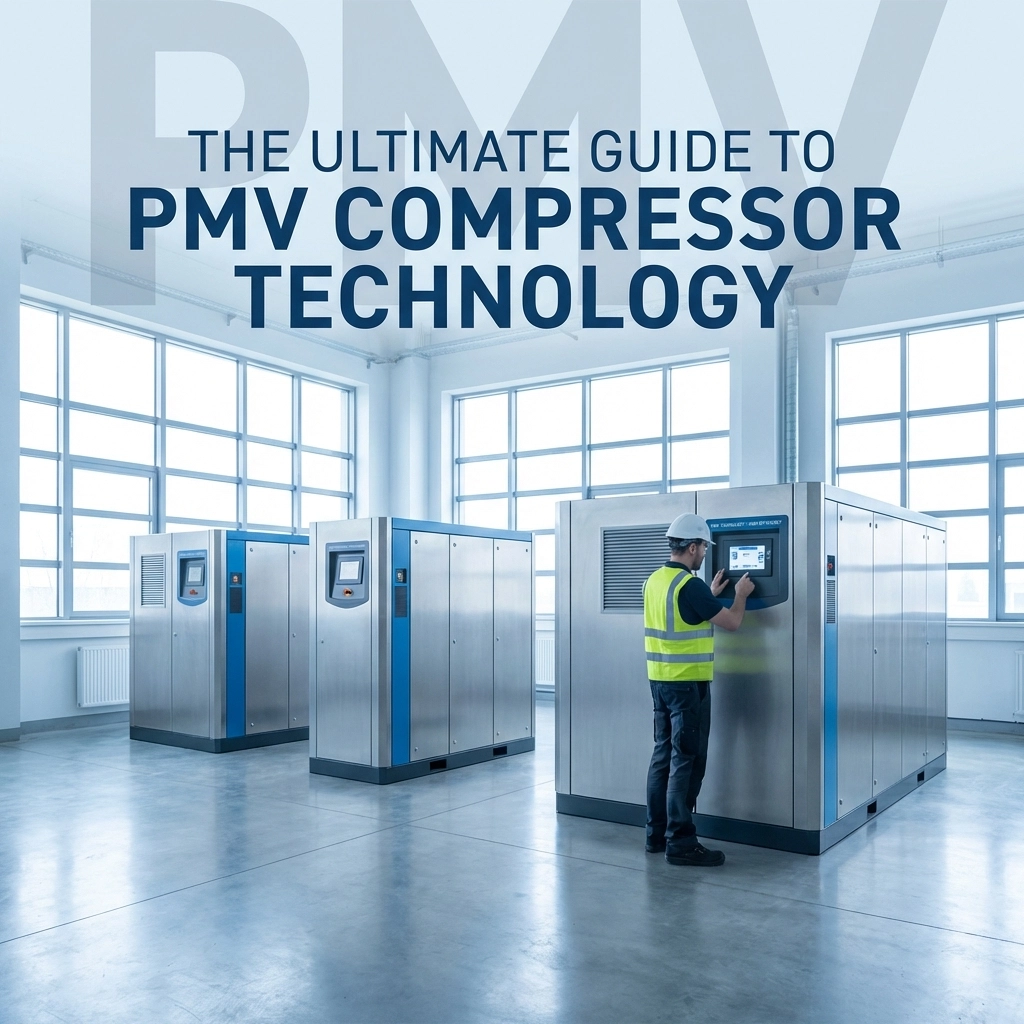
Permanent Magnet Variable Frequency technology represents the current standard for energy-efficient air compressor design. Unlike fixed-speed compressors that run at full capacity regardless of actual demand, PMV units automatically adjust motor speed to match real-time air requirements.
This variable output eliminates the energy waste associated with unloading cycles and blow-off losses. PMV compressors also start under load without requiring high inrush currents, reducing stress on electrical systems and extending motor life.
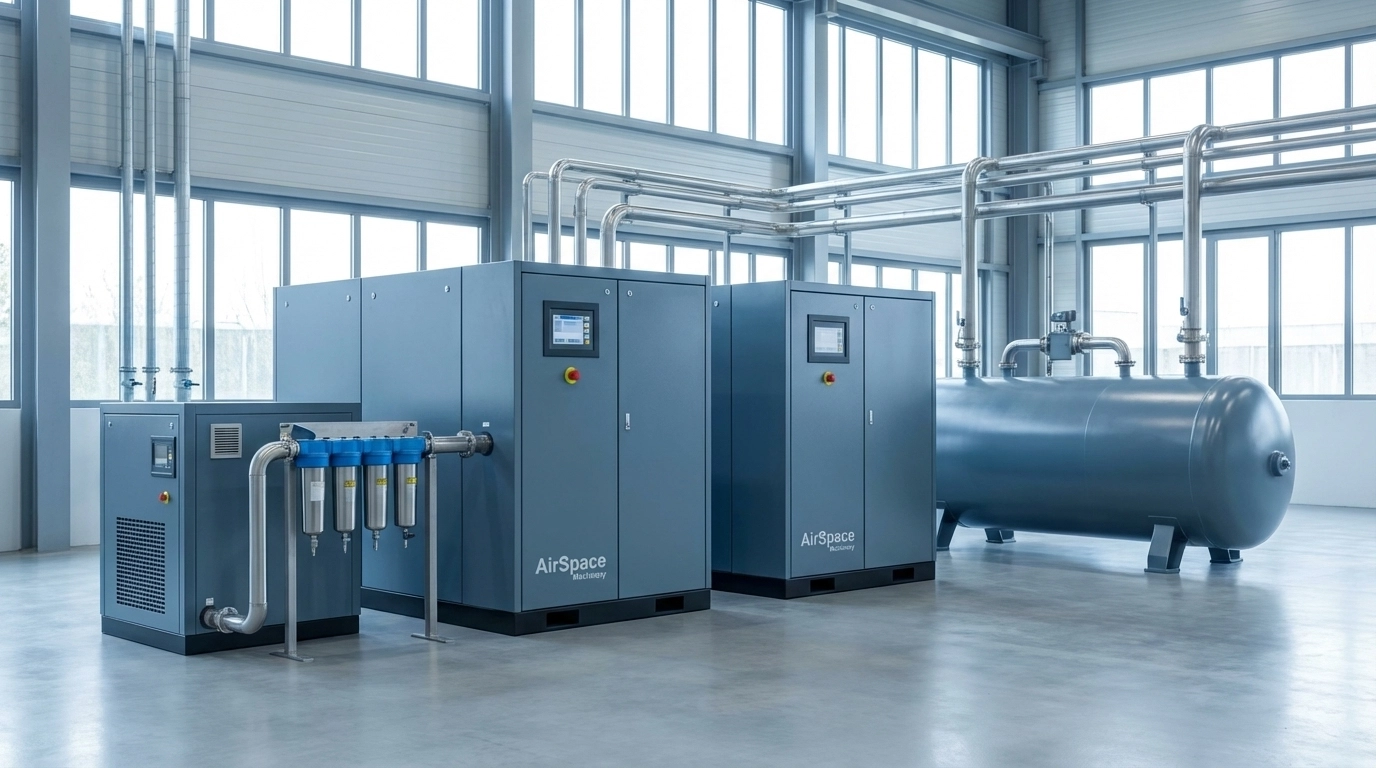
AirSpace Machinery manufactures a complete range of PMV screw air compressors designed for demanding industrial environments. These units meet CE and ISO 9001 quality standards, and our engineering team supports customers worldwide with application guidance and technical service.
How to Evaluate Your Specific Situation
Before making any decision, gather the following information.
Document all maintenance and repair costs for your current compressor over the past two to three years. Include parts, labor, and any production losses attributed to compressor downtime.
Request a formal quote for the recommended repair. Compare that figure against current pricing for a new energy-efficient air compressor with equivalent capacity.
Calculate your annual energy cost by multiplying compressor power (kW) by operating hours and your electricity rate. Estimate potential savings from a PMV upgrade using the 20 to 30 percent efficiency improvement benchmark.
Factor in your operational risk tolerance. If your production line depends on 100 percent compressed air availability and your current compressor has demonstrated unreliability, the cost of another unexpected failure may outweigh any short-term savings from repair.
Ready to Make the Right Decision?
Whether you need guidance on evaluating your existing equipment or want to explore modern PMV screw compressor options, AirSpace Machinery is here to help. Our engineering team provides honest assessments based on your actual operating conditions, not sales quotas.
Visit our blog at https://www.chinacompressor.org/blog for more resources on compressed air efficiency, or explore our energy-efficient air compressor solutions at https://www.chinacompressor.org/energy-efficient-air-compressor-manufacturer.
Get a Proposal: Contact our team with your pressure (bar/psi) and flow (m³/min or CFM) requirements to receive a customized recommendation. Lead times depend on configuration.
Reviewed by Engineering
Sources and Standards
Energy consumption comparisons based on field data from industrial compressed air audits and manufacturer specifications. Equipment lifespan estimates align with industry guidelines for properly maintained rotary screw compressors. The 50 percent repair threshold reflects standard practice recommendations from compressed air system professionals. All AirSpace Machinery products referenced meet CE marking requirements and ISO 9001 quality management certification.