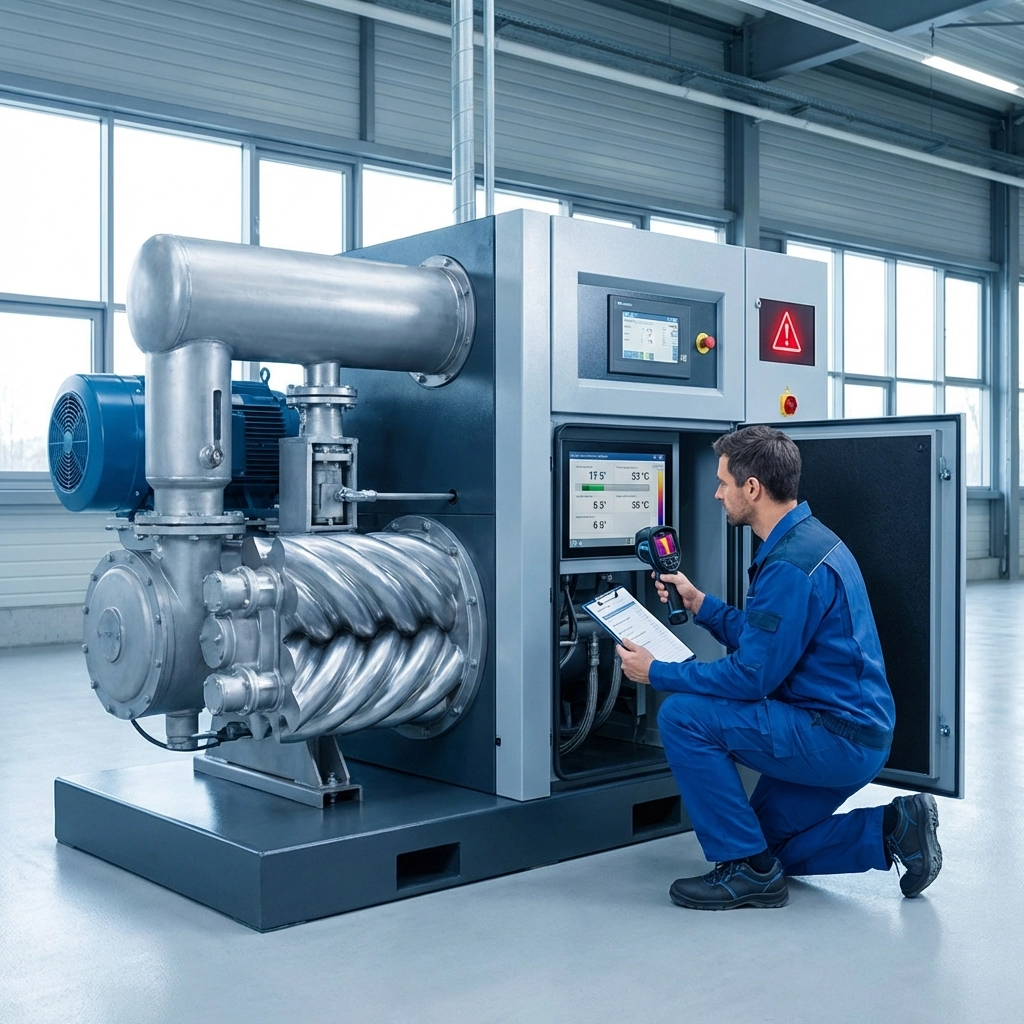
The 2026 Global Buyer’s Guide to Importing Industrial Air Compressors
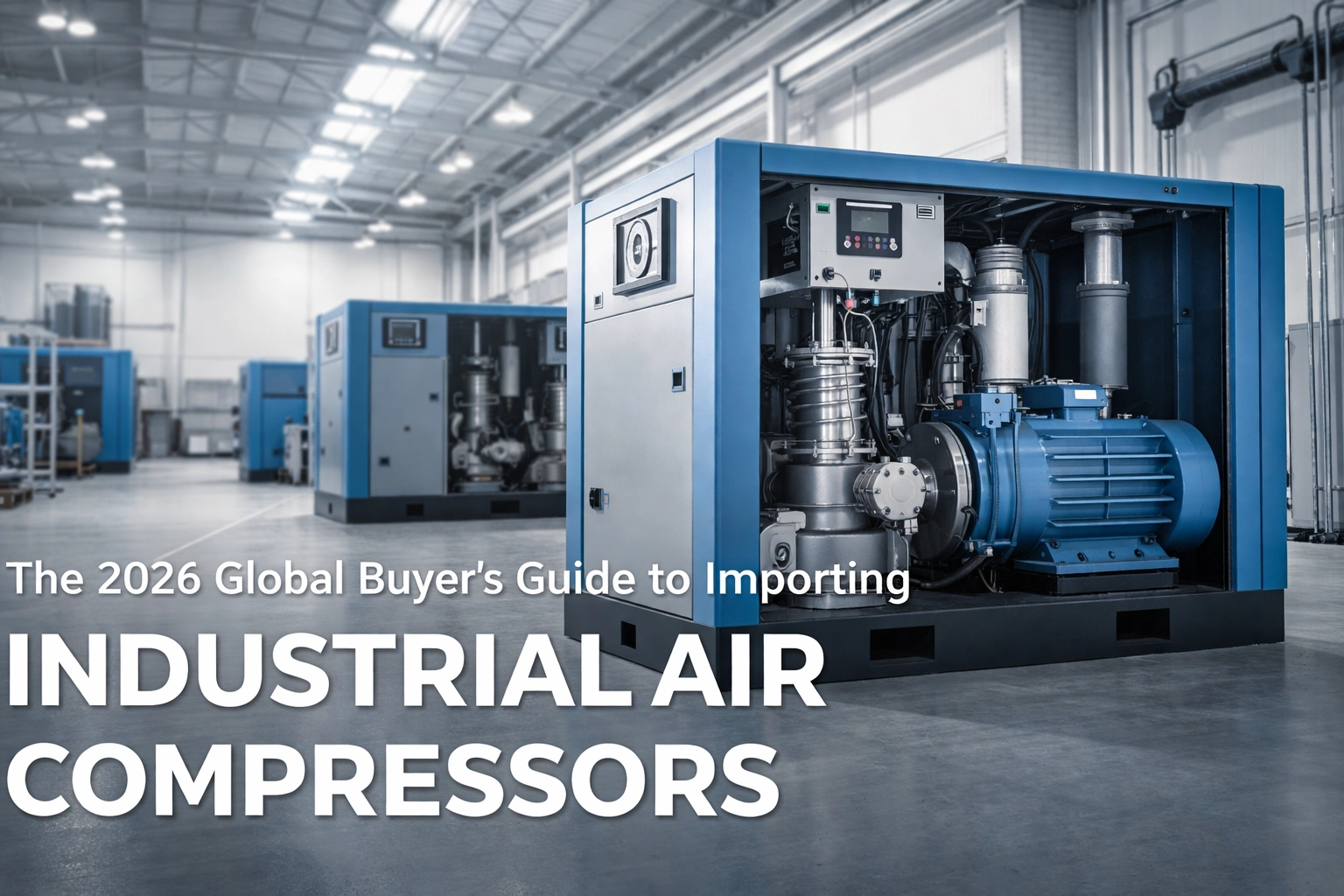
Importing an industrial air compressor from China is one of the smartest moves a global buyer can make in 2026. The answer is straightforward: you get access to advanced Permanent Magnet Variable Frequency (PMV) technology, competitive pricing, and manufacturers with decades of engineering expertise. However, success depends on verifying certifications, understanding energy-saving technology, and selecting the right compressor for your specific industry.
This guide answers the high-stakes questions global importers ask when sourcing an energy-efficient air compressor from Chinese manufacturers. Whether you operate in electronics, textiles, or pharmaceuticals, the information below will help you make a confident purchasing decision.
How Do You Verify CE and ISO 9001 Certifications From a Chinese Manufacturer?
The short answer: request official certificate copies, verify them through issuing bodies, and conduct a virtual or in-person factory audit.
Certification verification is the single most important step when importing industrial air compressors. Reputable manufacturers proudly display CE marking (for European conformity) and ISO 9001 certification (for quality management systems). Here is how to verify these credentials from a distance:
Request Certificate Documentation Directly. Any legitimate manufacturer will provide scanned copies of their CE and ISO 9001 certificates within 24 to 48 hours. The certificates should clearly show the issuing body, certificate number, validity dates, and scope of certification.
Cross-Reference With Issuing Bodies. CE certificates are issued by Notified Bodies registered with the European Commission. You can verify the Notified Body number on the NANDO database. ISO 9001 certificates come from accredited certification bodies. Contact the issuing body directly with the certificate number to confirm authenticity.
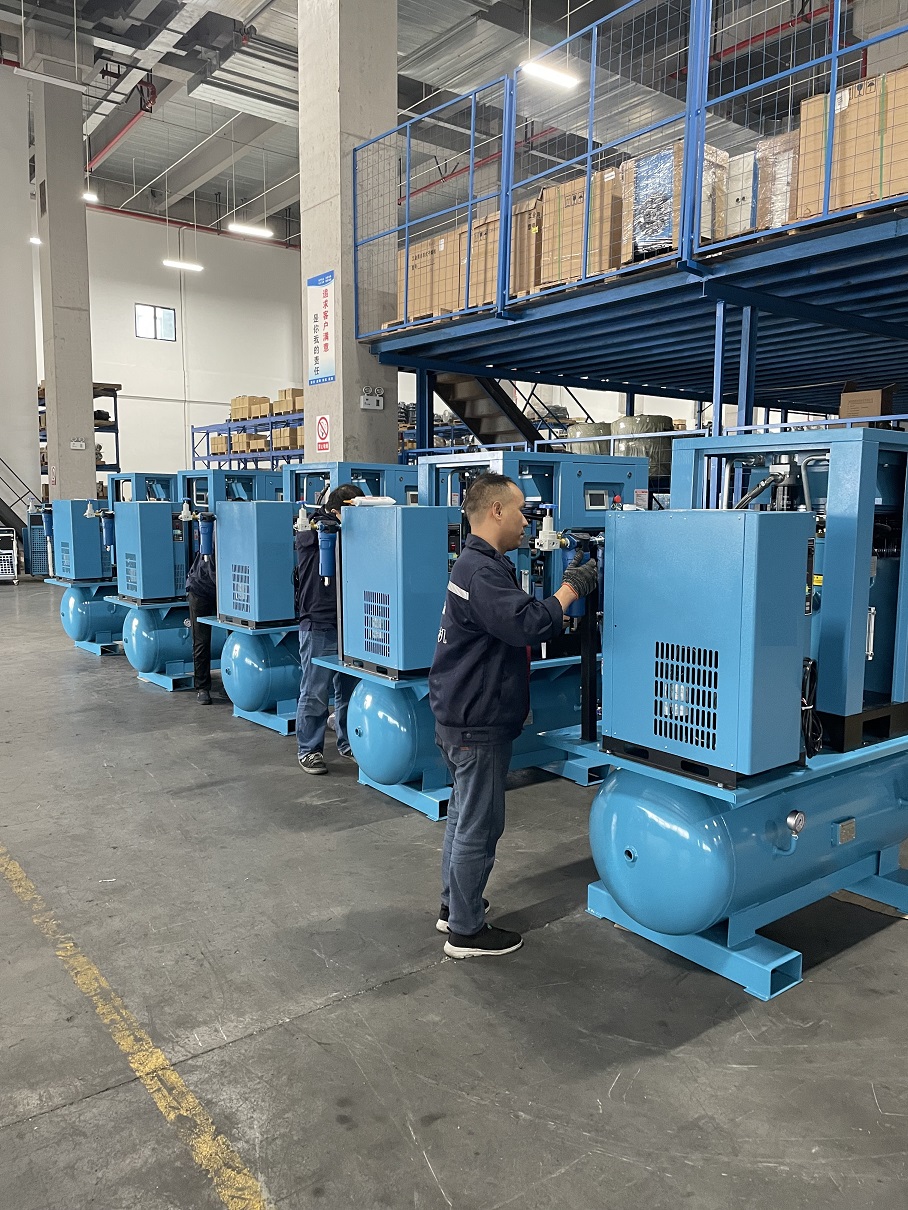
Conduct a Virtual Factory Tour. Video conferencing technology makes remote audits practical and cost-effective. Ask to see the production floor, quality control stations, and testing equipment in real time. A 4000m² manufacturing facility with organized production lines, like those operated by established Chinese manufacturers, demonstrates genuine production capability rather than trading company operations.
Review Third-Party Inspection Reports. Companies like SGS, Bureau Veritas, and TÜV offer pre-shipment inspection services. These independent reports verify that the compressor you ordered matches the specifications promised.
AirSpace Machinery Co., Ltd. maintains current CE and ISO 9001 certifications across our entire product range. With 20 years of engineering excellence and annual sales exceeding 100 million yuan, our credentials reflect genuine manufacturing capability rather than paper compliance.
What Are the Real-World Power Savings of PMV Technology?
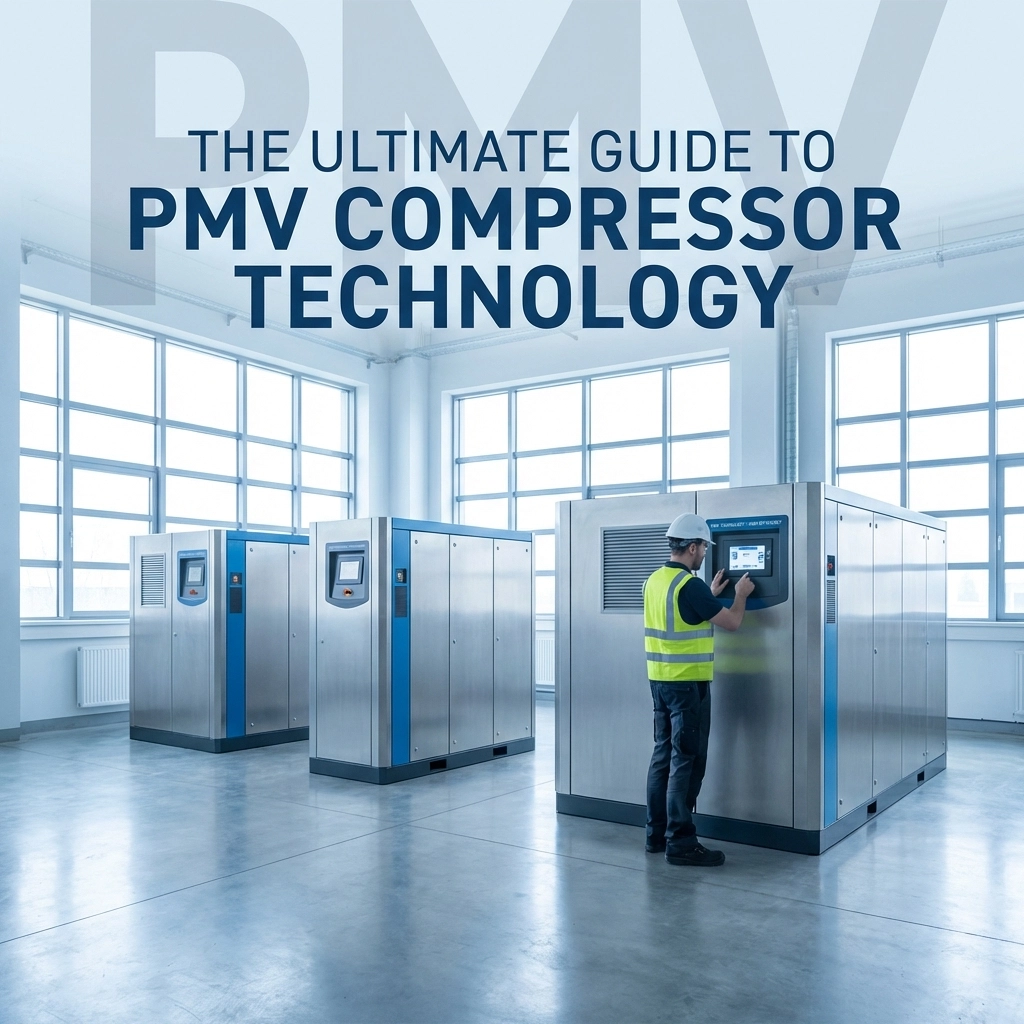
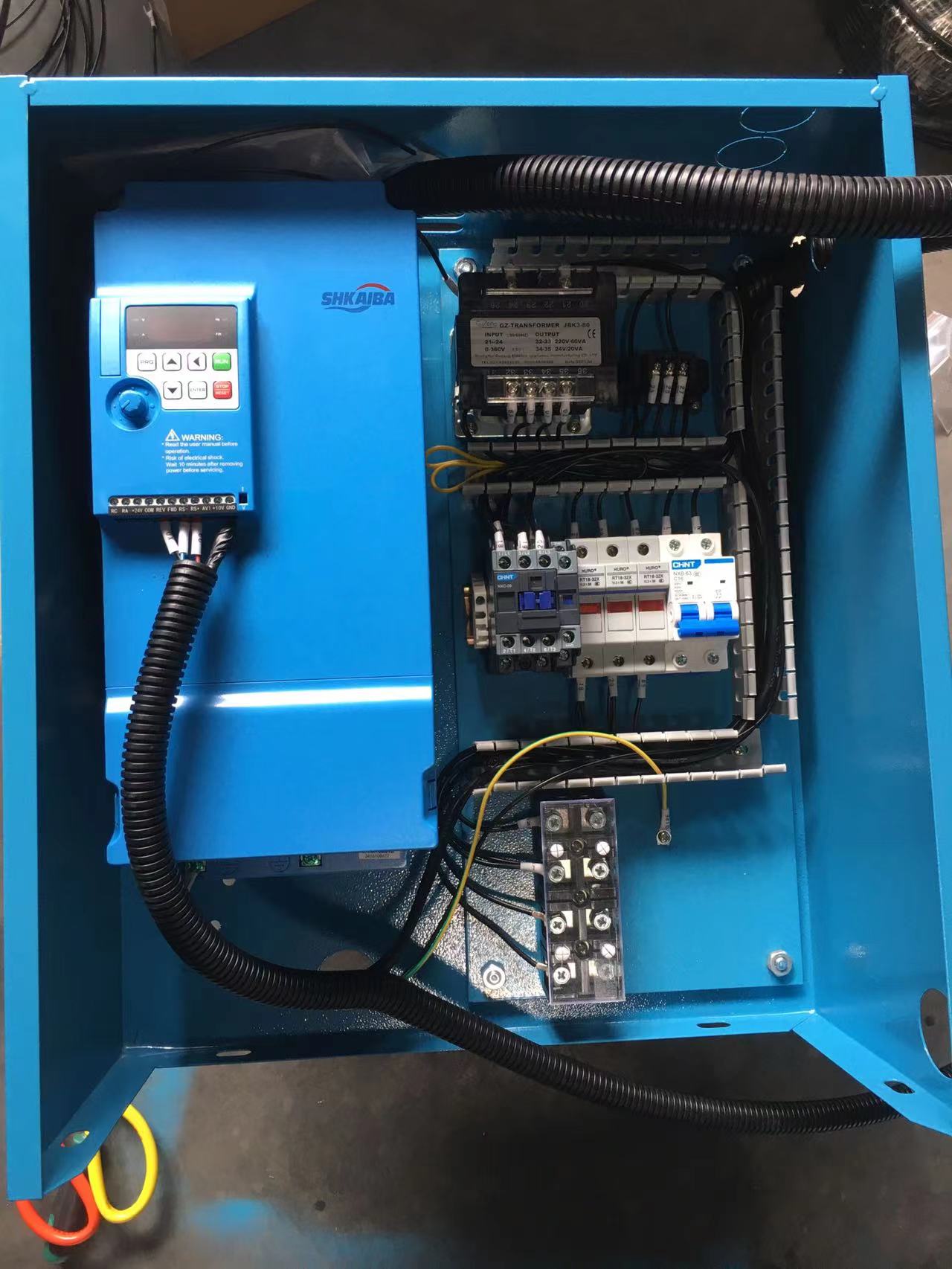
The direct answer: Permanent Magnet Variable Frequency screw air compressors reduce energy consumption by 25 to 40 percent compared to fixed-speed alternatives in most industrial applications.
Energy costs represent 70 to 80 percent of an air compressor’s total cost of ownership over its lifetime. PMV technology addresses this directly through two key innovations:
Permanent Magnet Motors. These motors maintain 95 percent or higher efficiency across a wide speed range, compared to 85 to 90 percent for standard induction motors. The efficiency advantage compounds over thousands of operating hours.
Variable Frequency Drives. Unlike fixed-speed compressors that run at full capacity regardless of demand, PMV compressors adjust motor speed to match actual air requirements. During periods of low demand, which can account for 30 to 70 percent of operating time in many facilities, the energy savings are substantial.
Consider a practical example. A textile facility running a 37kW compressor 16 hours per day, 300 days per year, consumes approximately 177,600 kWh annually at full speed. With PMV technology responding to variable demand patterns, that same facility typically reduces consumption to 106,000 to 133,000 kWh. At global industrial electricity rates, this translates to thousands of dollars in annual savings.
The payback period for upgrading to an energy-efficient air compressor with PMV technology typically ranges from 18 to 36 months, depending on local electricity costs and utilization patterns.
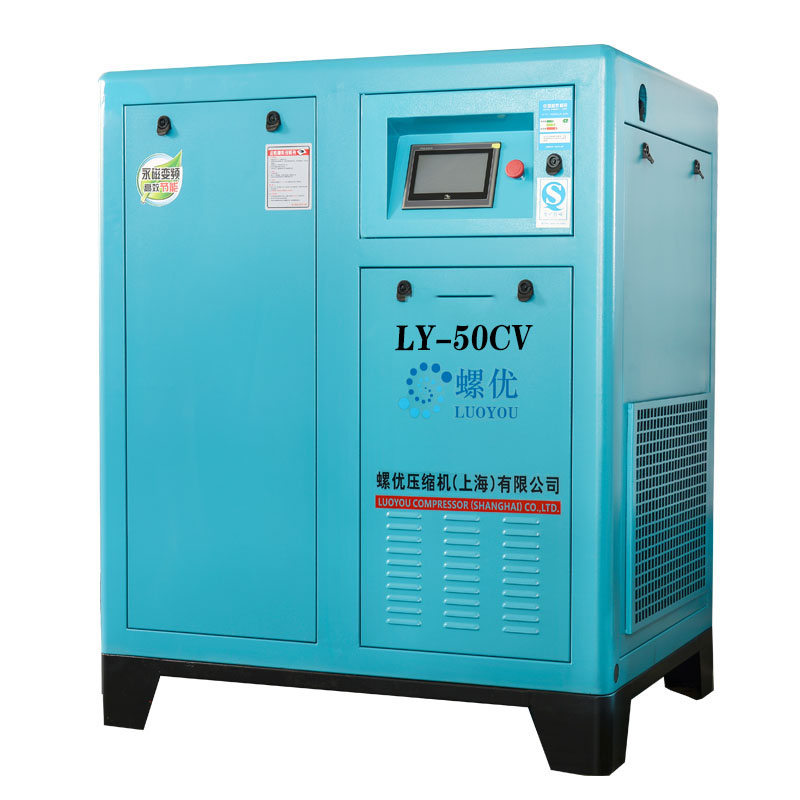
How Do You Choose the Right Compressor for Electronics, Textiles, and Pharmaceutical Industries?
The answer depends on three factors: air purity requirements, pressure specifications, and flow demand patterns.
Electronics Manufacturing. This industry requires extremely clean, dry compressed air to prevent contamination of sensitive components. Class 1 or Class 2 air quality per ISO 8573-1 is typically mandatory. Recommended configuration: oil-free or oil-lubricated screw compressor with high-efficiency filtration and refrigerated dryer. Operating pressure: 7 to 8 bar (102 to 116 psi). Flow requirements vary significantly based on production scale, ranging from 2 m³/min for small assembly operations to 50 m³/min or more for large semiconductor facilities.
Textile Production. Textile facilities demand reliable, continuous compressed air for spinning, weaving, and finishing operations. Air quality requirements are moderate (Class 3 to Class 4), but consistency matters. Production halts caused by compressor failures are extremely costly. Recommended configuration: PMV screw compressor with integrated air receiver and dryer for stable pressure delivery. Operating pressure: 6 to 7 bar (87 to 102 psi). Many textile operations benefit from multiple smaller compressors rather than a single large unit, providing redundancy and better load matching.
Pharmaceutical Manufacturing. Pharma applications often require oil-free compressed air to meet Good Manufacturing Practice (GMP) standards. Air contacting products or packaging must meet strict purity specifications. Recommended configuration: oil-free screw compressor with HEPA filtration and desiccant dryer achieving -40°C pressure dew point or lower. Operating pressure: varies by application, typically 7 to 10 bar (102 to 145 psi). Documentation and traceability are critical; ensure your supplier provides complete technical data packages and test certificates.
Why Global Buyers Choose Established Chinese Manufacturers
The global air compressor market reached 50.79 billion USD in 2026 and continues growing at 8.3 percent annually. While European and American brands dominate premium segments, Chinese manufacturers now deliver comparable technology at significantly lower price points.
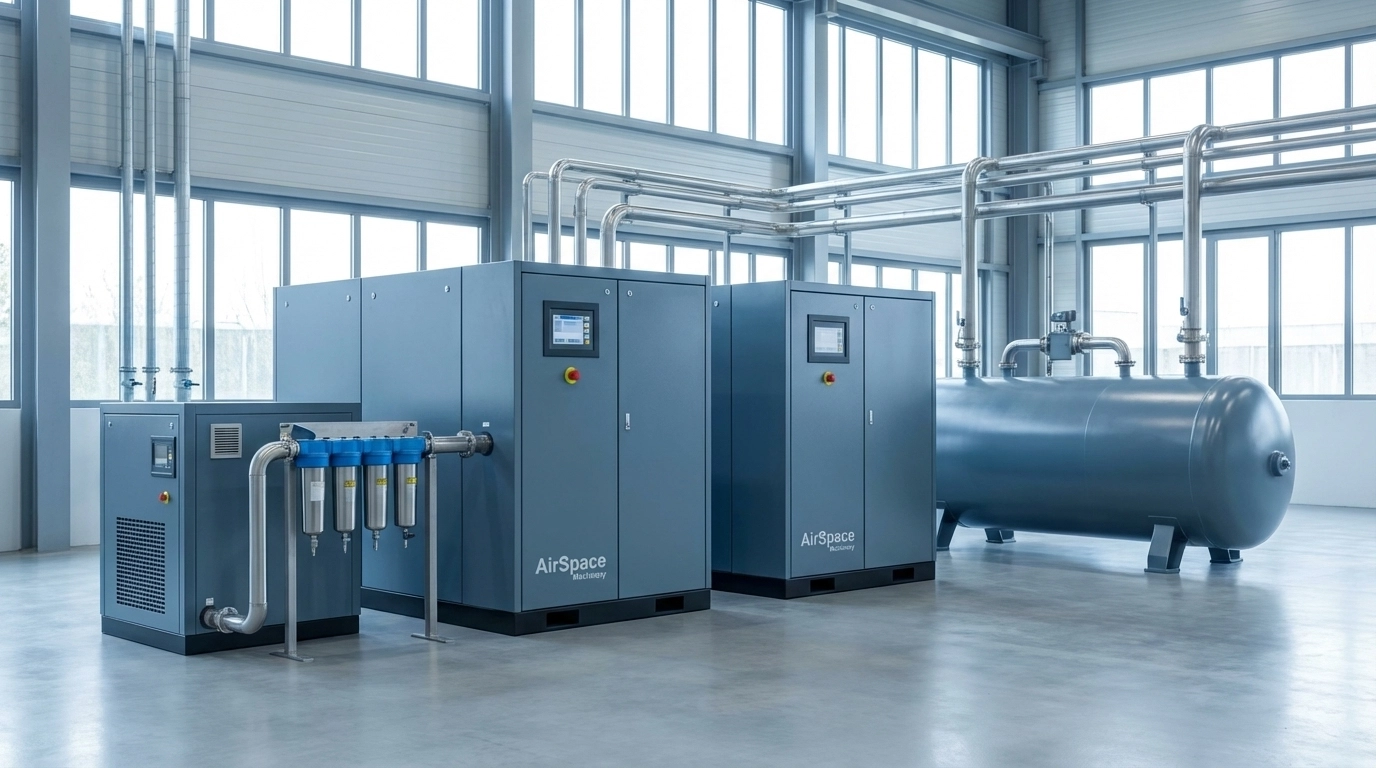
AirSpace Machinery Co., Ltd. represents the new generation of Chinese industrial equipment manufacturers. Our 4000m² facility houses dedicated production lines for PMV screw air compressors ranging from 7.5kW to 250kW. With 100 million yuan in annual sales, we maintain the production scale necessary for consistent quality and competitive pricing.
Twenty years of engineering excellence means our team has solved the compressed air challenges facing electronics, textile, pharmaceutical, food processing, and general manufacturing facilities across six continents. We understand that global buyers need more than a product; they need a partner who speaks their technical language and delivers on promises.
Getting Started With Your Import Project
Ready to source your next energy-efficient air compressor? Begin by defining your requirements:
Operating pressure in bar or psi.
Flow demand in m³/min or CFM.
Air quality class per ISO 8573-1.
Operating hours per day and days per year.
Industry-specific compliance requirements.
Lead time depends on configuration, but our engineering team provides detailed proposals within 72 hours of receiving your specifications.
Get a Proposal: Visit our inquiry page at https://www.chinacompressor.org/enquiry-cart with your pressure and flow requirements, and our team will prepare a customized recommendation for your facility.
Reviewed by Engineering
About the Author
Penny Winston is an AI Blog Writer at AirSpace Machinery Co., Ltd., specializing in industrial compressed air systems, energy efficiency optimization, and global manufacturing trends. Penny creates technical content that helps international buyers make informed decisions about industrial equipment sourcing.
Sources and Standards Referenced
ISO 8573-1:2010 Compressed Air Quality Classes
CE Marking Directive 2014/68/EU for Pressure Equipment
ISO 9001:2015 Quality Management Systems Requirements
Global Air Compressor Market Analysis 2026-2032, Industry Research Reports
European Commission NANDO Database for Notified Bodies Verification